
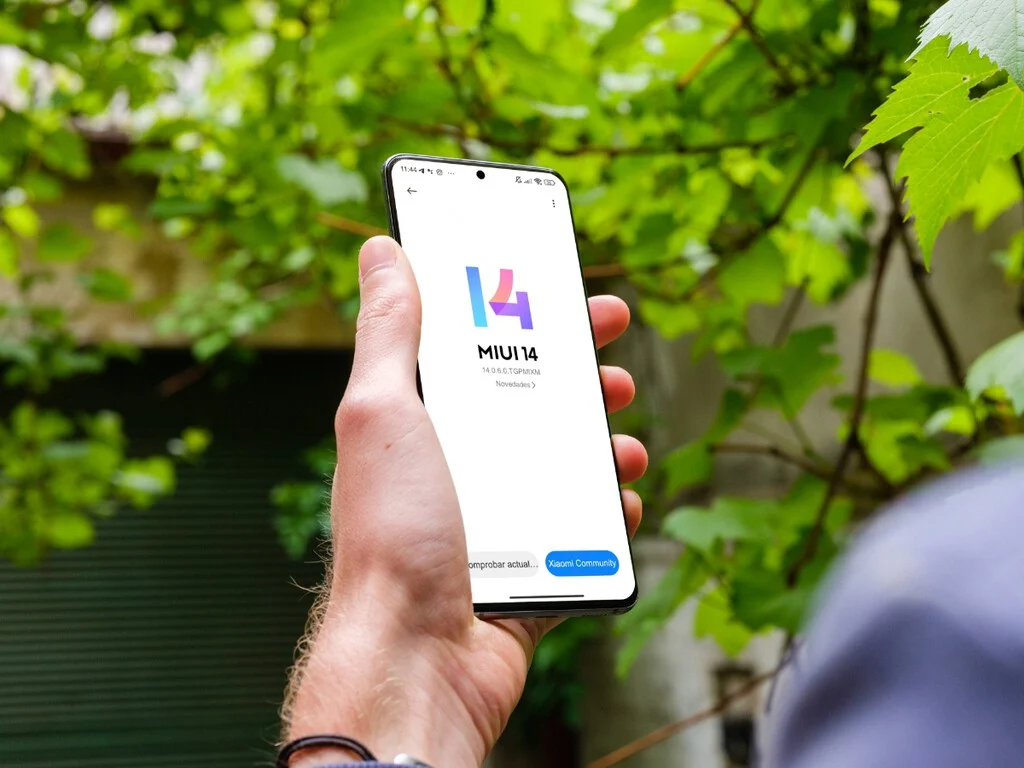

The technology world is witnessing a significant shift as Xiaomi, one of the global giants in consumer electronics, officially concludes the era of its custom Android overlay, MIUI. After more than two years since the initial announcement of HyperOS as its successor, the long-standing software layer that defined Xiaomi smartphones for over a decade and a half has finally disappeared from its active development roadmap. This week marks a pivotal moment, symbolizing Xiaomi’s full commitment to its new, ambitious operating system designed for an interconnected future beyond just mobile devices.
The final act of MIUI’s illustrious run came with the cessation of security support for the last two remaining models still receiving updates under its banner: the Redmi A2 and Redmi A2+. With the official end-of-life (EOL) date set for these entry-level smartphones, the last vestige of MIUI has been formally retired. From this point forward, every facet of Xiaomi’s software ecosystem is set to coalesce under the HyperOS moniker, signaling a strategic reorientation for the Chinese tech behemoth.
The Sunset of a Software Legend: MIUI’s Final Chapter
The symbolic date of March 24, 2026, will forever be etched in Xiaomi’s history as the official closure of MIUI’s development and security support across all levels. While this date marks the technical conclusion for the Redmi A2 and A2+, which primarily ran on an optimized Android Go version lacking the full suite of MIUI features, the true curtain call for the complete MIUI experience for most users occurred earlier. Around March 2024, devices like the POCO M5s and Redmi 10C received their final security patches, effectively ending the robust, feature-rich MIUI journey for a vast majority of the user base. This phased retirement underscores Xiaomi’s methodical approach to transitioning its enormous user base while ensuring legacy support for as long as deemed feasible. The conclusion of support for even the most basic MIUI iterations underscores a definitive break from the past, paving the way for a unified future under HyperOS.
MIUI: A Pioneering Journey from ROM to Global Powerhouse
To fully appreciate the significance of MIUI’s retirement, it is essential to revisit its remarkable origins and evolutionary trajectory. MIUI didn’t just accompany Xiaomi phones; it predated them, emerging in August 2010 as an independent custom ROM based on Android 2.2 Froyo. This was a time when Android customization was a vibrant, community-driven phenomenon, with projects like CyanogenMod dominating the enthusiast scene. MIUI quickly distinguished itself with a clean, iOS-inspired aesthetic, extensive customization options, and performance optimizations that were often lacking in stock Android or other manufacturer skins of the era.
Humble Beginnings and Rapid Ascent
Starting with a modest community of approximately 100 users, MIUI rapidly gained traction among Android enthusiasts globally. Its early appeal lay in offering a polished, feature-rich experience that bridged the gap between Android’s openness and the user-friendliness of other mobile operating systems. When Xiaomi launched its first smartphone, the Mi 1, in August 2011, MIUI was not just an afterthought; it was a core selling point. The seamless integration of hardware and a highly optimized software layer provided a compelling user experience that helped Xiaomi carve out its niche in a fiercely competitive market.
Over the years, MIUI’s user base exploded, growing from its initial handful to an astounding figure exceeding 600 million monthly active users across the globe. This exponential growth mirrored Xiaomi’s own ascent from a nascent startup to a global smartphone manufacturing powerhouse. By offering a consistent, feature-packed, and often community-responsive software experience, MIUI played a crucial role in attracting and retaining a loyal customer base, particularly in emerging markets where value for money was paramount.
Defining Xiaomi’s Identity Through Customization
MIUI’s identity was built on its unparalleled level of customization and a distinctive aesthetic. Through 14 major versions, each iteration brought forth a plethora of improvements and new functionalities, many of which were pioneering in the industry. From advanced theming engines that allowed users to radically alter the look and feel of their devices, to sophisticated power management tools, enhanced privacy controls, and a redesigned notification shade, MIUI consistently pushed the boundaries of what an Android overlay could offer.
Its design philosophy often favored a vibrant, icon-rich interface, departing significantly from the stock Android look. This visual distinction, combined with a host of exclusive apps and features (such as Mi Share, Game Turbo, and an extensive security suite), created a unique user experience that became synonymous with the Xiaomi brand. For many users, MIUI was Xiaomi, embodying the company’s commitment to user-centric innovation and accessible technology. While not without its critics – some noted the occasional presence of advertisements or a perceived "bloatware" in certain regions – MIUI’s overall contribution to Xiaomi’s global success is undeniable. It fostered a strong sense of community and offered a level of control and personalization that set Xiaomi devices apart.
The Dawn of HyperOS: A Vision for an Interconnected Future
As Xiaomi matured and diversified its product portfolio beyond smartphones, the limitations of MIUI became increasingly apparent. A software designed primarily for mobile phones struggled to seamlessly integrate with a rapidly expanding ecosystem that now includes electric vehicles (EVs), a vast array of Internet of Things (IoT) devices, smart home appliances, wearables, tablets, and laptops. Recognizing this evolving landscape, Xiaomi embarked on its most ambitious software project to date: HyperOS.
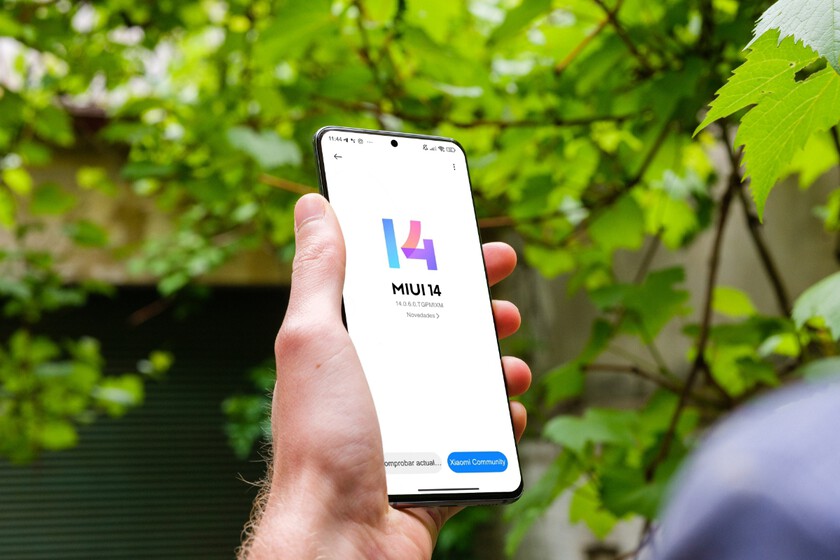
Why the Change? MIUI’s Limitations in an Expanding Ecosystem
The decision to replace MIUI was not merely an aesthetic refresh but a strategic imperative driven by Xiaomi’s long-term vision. The company’s "Smartphone x AIoT" strategy requires a unified, lightweight, and highly adaptable operating system capable of orchestrating an intricate network of devices. MIUI, fundamentally built around the Android kernel and designed for mobile-first interactions, faced inherent challenges in providing the deep, real-time cross-device connectivity and efficient resource management needed for a truly intelligent ecosystem.
Xiaomi’s expansion into electric vehicles, exemplified by the highly anticipated Xiaomi SU7, brought the need for a robust, secure, and adaptable operating system to the forefront. Similar to how Apple’s ecosystem seamlessly integrates iPhones, iPads, Macs, and Apple Watches, or Huawei’s HarmonyOS aims to connect a diverse range of products, Xiaomi required an OS that could serve as the brain for its entire hardware universe. HyperOS was conceived to be that brain, providing a consistent user experience, secure data transfer, and intelligent automation across all Xiaomi devices, regardless of their form factor or function.
HyperOS: Architecture and Ambition
Officially unveiled in October 2023, though in development for several years prior, HyperOS represents a profound architectural shift for Xiaomi. It is built upon a hybrid kernel architecture, combining the Linux kernel (for Android devices) with Xiaomi’s self-developed Vela system (for IoT devices). This innovative approach allows HyperOS to be remarkably lightweight and efficient, with the system firmware occupying significantly less space than MIUI (e.g., just 8.75GB on the Xiaomi 14), freeing up valuable storage and improving overall performance.
Key pillars of HyperOS include:
- Comprehensive Refactoring: A complete overhaul of the underlying architecture to enhance performance, memory management, and power efficiency across a wide range of devices.
- Cross-Device Intelligent Connectivity: The core promise of HyperOS is seamless integration. This includes features like "HyperConnect" for real-time device discovery and networking, enabling scenarios such as controlling a Xiaomi EV from a smartphone, transferring files effortlessly between a phone and a tablet, or managing smart home devices with unprecedented ease.
- Proactive Intelligence: Deep integration of AI capabilities, not just for generative AI tasks, but for optimizing system performance, personalizing user experiences, and anticipating user needs. This includes AI-powered scheduling, enhanced security features, and intelligent resource allocation.
- End-to-End Security: A robust security framework designed to protect user data and device integrity across the entire ecosystem, from smartphones to smart appliances.
The rollout of HyperOS has been phased, with flagship devices typically receiving updates first. Currently, Xiaomi is in the process of expanding its HyperOS 3 Global distribution, with a clear roadmap leading towards future iterations like HyperOS 4, which promises further refinements, deeper AI integration, and expanded device compatibility. This strategic investment in a proprietary operating system underscores Xiaomi’s ambition to become a leading player not just in hardware manufacturing, but also in developing a comprehensive, intelligent ecosystem that competes directly with the likes of Apple, Samsung, and Huawei.
The Transition: A Phased Rollout and User Adaptation
The transition from a globally adopted OS like MIUI to a new system like HyperOS is a monumental task, requiring meticulous planning and execution. Xiaomi has opted for a phased rollout strategy, prioritizing its latest flagship smartphones and tablets for the initial HyperOS updates. This approach allows the company to gather crucial feedback, address potential bugs, and optimize the system for its most powerful hardware before expanding to a wider range of devices.
Managing the Shift
The initial HyperOS updates for devices like the Xiaomi 13 series, Xiaomi 14 series, and various Redmi and POCO models have been met with a mix of anticipation and scrutiny. Users have generally reported improvements in performance, smoother animations, and a more refined user interface, although the visual changes from MIUI 14 might not appear drastic to the casual observer. The true power of HyperOS lies beneath the surface, in its architectural efficiencies and enhanced cross-device capabilities, which will become more apparent as users integrate more Xiaomi ecosystem products into their daily lives.
Xiaomi has also been diligent in providing clear communication regarding the update schedule and compatible devices, though the global rollout for such a vast array of products naturally takes time. The company’s commitment to delivering a stable and consistent experience across different hardware specifications, from high-end flagships to more budget-friendly options, remains a significant challenge.
Community Reactions and Developer Perspectives
The user community’s reaction to the HyperOS transition has been varied. Many long-time MIUI users express a sense of nostalgia for the software that defined their Xiaomi experience for so many years. However, there’s also considerable excitement about the future possibilities that HyperOS promises, particularly concerning the seamless integration with Xiaomi’s growing AIoT ecosystem. Initial feedback often focuses on perceived performance gains and the new "control center" design, which offers a fresh aesthetic.
For developers, the shift to HyperOS presents both opportunities and challenges. While the underlying Android framework remains, the deeper integration with Vela and Xiaomi’s proprietary services requires adaptation. The potential for developing applications that seamlessly interact across a multitude of Xiaomi devices opens up new avenues for innovation, encouraging a more cohesive and intelligent app ecosystem. Xiaomi’s success with HyperOS will, in part, depend on its ability to foster a vibrant developer community willing to embrace its new vision.
Broader Implications and Xiaomi’s Future Trajectory
The official retirement of MIUI and the full embrace of HyperOS is more than just a software update; it is a strategic declaration from Xiaomi about its future trajectory in the global technology landscape. This move positions Xiaomi as a serious contender in the race to build comprehensive, intelligent ecosystems that rival established players.
Strategic Reorientation
By unifying its software across smartphones, smart home devices, wearables, and electric vehicles, Xiaomi is directly challenging the ecosystem models pioneered by Apple and increasingly pursued by companies like Samsung and Huawei. This "human-centric intelligent ecosystem" strategy aims to deepen user loyalty by offering an unparalleled level of convenience and interconnectedness. It allows Xiaomi to differentiate itself beyond just hardware specifications and pricing, focusing on a holistic user experience that extends across every aspect of a user’s digital and physical life. This strategic reorientation is critical for Xiaomi as it seeks to maintain its rapid growth and expand its market share in an increasingly saturated and competitive global tech market.
Impact on the Android Landscape
Xiaomi’s move also reflects a broader trend within the Android ecosystem, where major manufacturers are increasingly investing in their proprietary software layers and even alternative operating system kernels. This trend, exemplified by Samsung’s One UI and Google’s own efforts to unify its various platforms, suggests a growing desire among OEMs to exert greater control over the user experience and hardware-software optimization. For consumers, this could mean greater differentiation between Android brands, each offering a distinct ecosystem experience rather than just varying hardware. It also highlights the ongoing evolution of Android itself, which continues to serve as the foundation while allowing for significant customization and innovation by its partners.
The Road Ahead for HyperOS
The path forward for HyperOS is fraught with both challenges and immense opportunities. The challenges include ensuring stability and optimal performance across an incredibly diverse range of hardware, overcoming potential user resistance to change, and securing robust developer support for its cross-device functionalities. Xiaomi must demonstrate that HyperOS is not just a rebranding exercise but a genuinely superior operating system that delivers tangible benefits to its users.
However, the opportunities are equally vast. HyperOS has the potential to unlock new levels of innovation in smart living, create truly seamless and personalized user experiences, and significantly strengthen Xiaomi’s brand loyalty. By effectively integrating AI, IoT, and mobile technology under a single, unified platform, Xiaomi aims to solidify its position as a leader in the next generation of intelligent technology. The success of HyperOS will be a critical determinant of Xiaomi’s ability to achieve its ambitious long-term vision and continue its ascent as a global tech powerhouse.
In essence, the farewell to MIUI marks the closing of a foundational chapter for Xiaomi, one that saw it rise from a startup to a global force. The ascension of HyperOS signals the opening of a new, more ambitious chapter, where the company endeavors to weave a sophisticated tapestry of interconnected devices and intelligent services, promising a future that is not just smart, but truly seamless and human-centric.