
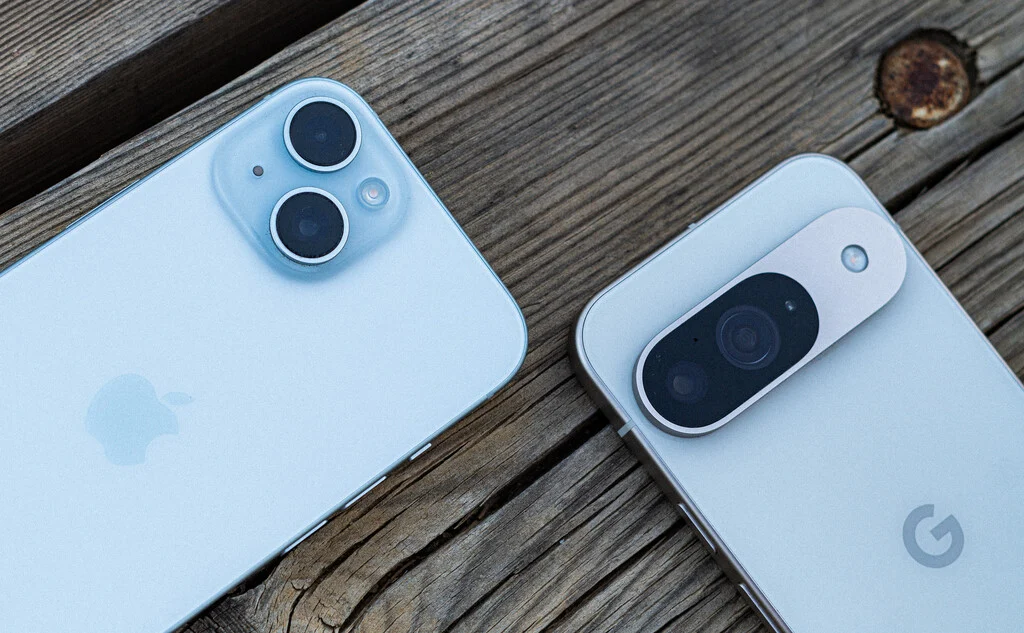

For over a decade, the mobile operating system landscape has been unequivocally defined by a stark dichotomy: Android versus iOS. On one side, Apple’s iOS, renowned for its tightly controlled ecosystem, seamless user experience, and robust security. On the other, Google’s Android, celebrated as the bastion of software freedom, extensive customization, and hardware diversity. This philosophical divide has shaped user loyalties and driven innovation, with Android’s open-source ethos particularly resonating with users seeking unparalleled control over their devices. However, this long-standing paradigm is now undergoing a significant transformation, as Google, citing security and user experience, increasingly implements measures that restrict the very freedoms that once distinguished its platform.
A Legacy of Liberty: Android’s Foundation in Openness
Android’s journey, which began with its public release in 2008, was fundamentally rooted in the principles of open-source software. Built upon the Linux kernel, Android offered a stark contrast to the proprietary nature of its primary competitor. This openness was not merely a technical detail; it was a foundational philosophy that empowered users and fostered a vibrant developer community. Key to its early success and enduring appeal was the ability for device owners to truly "own" their hardware. This translated into a multitude of user-centric freedoms that quickly became synonymous with the Android experience.
One of the most significant advantages was the freedom of customization. Unlike iOS, Android allowed users to dramatically alter their phone’s interface through custom launchers, icon packs, and widgets, enabling a level of personalization unimaginable on Apple devices. Developers, too, benefited immensely from this open architecture. Android provided extensive tools and APIs, facilitating the creation of innovative applications and services without the stringent gatekeeping seen in Apple’s App Store. The ability to install custom ROMs (alternative versions of Android firmware) became a hallmark of the platform, enabling enthusiasts to extend the life of older devices, access features not officially supported, or prioritize privacy and performance over manufacturer-specific bloatware. Communities like XDA Developers flourished, becoming hubs for sharing knowledge, custom kernels, and modified software, all testament to Android’s flexible design.
Beyond aesthetics and developer tools, Android’s technical superiority in certain aspects also garnered a dedicated following. Features like robust multitasking, allowing multiple applications to run simultaneously in split-screen or picture-in-picture modes, or the seamless background uploading of files without freezing processes, consistently showcased Android’s pragmatic approach to user productivity. These capabilities often arrived on Android years before being cautiously integrated into iOS, if at all. The underlying architecture also supported a broader range of hardware, from budget-friendly devices to high-end flagships, making smartphones accessible to a global audience with diverse needs and economic backgrounds. This breadth of choice, combined with software flexibility, cemented Android’s position as a refuge for those who valued adaptability and control over a meticulously curated, yet restrictive, experience.
The Crown Jewel of Freedom: Sideloading and its Significance
Central to Android’s promise of freedom was the concept of ‘sideloading.’ This refers to the ability to install applications (in the form of APK files) directly onto a device from sources other than the official Google Play Store. For years, sideloading served as Android’s most potent counter-argument to Apple’s ironclad App Store control. It offered users an alternative channel for app distribution, bypassed potential censorship or restrictive policies, and allowed for the installation of apps not available on Google Play, often due to regional restrictions or specific developer choices. This capability was not just a convenience; it was a symbol of user autonomy, ensuring that the device owner, not the platform provider, had the ultimate say in what software ran on their hardware.
The practical implications of sideloading were vast. It enabled independent developers to distribute their creations without needing Google’s approval or paying a commission. It allowed users in regions with limited access to Google Play to still acquire essential applications. It also served as a critical tool for privacy-conscious individuals who preferred to use open-source app stores like F-Droid, which prioritize transparency and user control. This ‘wild west’ aspect, while occasionally raising security concerns, was largely seen by the Android community as a necessary trade-off for the expansive freedom it afforded. It was the ultimate expression of the "open" in open-source, a direct challenge to the "walled garden" philosophy Apple had so meticulously cultivated.
The Shifting Sands: Google’s Gradual Retraction of Liberties
However, this era of unparalleled openness is progressively drawing to a close. Under the banner of enhanced security and a more consistent user experience, Google has been steadily implementing a series of policy and technical changes that are systematically eroding the historical freedoms Android users once enjoyed. These changes are not isolated incidents but part of a broader strategic shift, gradually transforming Android into a more controlled and less customizable environment, strikingly similar to the very ecosystem it once stood in opposition to.
One of the most prominent shifts targets the jewel in Android’s crown: sideloading. While not yet completely blocked, Google is introducing significant impediments and warnings. Future versions of Android, including the much-anticipated Android 17, are rumored to feature more stringent controls over APK installations. These include enhanced system warnings, stricter permissions requirements for apps requesting to install other apps, and deeper integration of "Play Protect" scanning, which can flag and potentially disable sideloaded applications deemed risky. While Google frames these measures as crucial for user protection against malware and phishing attacks – a valid concern given the proliferation of malicious apps – the practical effect is a reduction in user agency and a de-facto push towards the Google Play Store as the sole trusted source for software.
Beyond sideloading, other restrictions are coming into play. Developers are increasingly required to identify themselves and adhere to stricter guidelines, a move that could disproportionately affect smaller, independent developers or those operating in regions with less robust digital infrastructure. Furthermore, a growing portion of Android’s core functionalities, which were once part of the open-source Android Open Source Project (AOSP), are being moved into proprietary Google Mobile Services (GMS) components. This means that features and services that were once transparent and modifiable are now closed-source, giving Google more control and limiting the ability of third-party developers or alternative Android distributions to integrate or modify them. This expansion of proprietary code within an ostensibly open-source system signals a clear strategic pivot, centralizing control within Google’s purview and reducing the ability of device manufacturers or users to truly customize the underlying operating system.
The Irony of Regulation: A Tale of Two Ecosystems
The timing of Android’s pivot towards a more controlled environment is particularly ironic when viewed against the backdrop of global regulatory efforts. In the European Union, for instance, the Digital Markets Act (DMA) is forcing tech giants like Apple to open up their traditionally closed ecosystems. Apple, long a staunch defender of its App Store monopoly, is now compelled to allow alternative app stores and sideloading on iPhones within the EU, beginning in 2024. This regulatory push aims to foster competition and give users more choice, directly challenging the "walled garden" model that has defined iOS for years.
This creates a fascinating paradox: as European regulators are compelling Apple to embrace a degree of openness that Android once championed, Google appears to be moving in the opposite direction. While Apple is reluctantly lowering its garden walls in specific regions, Google is erecting new fences around what was once an open field. This juxtaposition highlights a potential shift in competitive dynamics. Historically, Android’s openness was a key differentiator, attracting users who chafed under Apple’s restrictions. If Android increasingly mirrors iOS’s control, the very reason many users chose Android over Apple may vanish, prompting a re-evaluation of their mobile loyalties.
Reactions and Implications: A Fading Distinction
The implications of these changes are far-reaching, affecting users, developers, and the broader mobile market. For long-time Android users, especially those who embraced the platform precisely for its customizability and freedom, these new restrictions could be perceived as a betrayal of Android’s core philosophy. The sentiment among privacy advocates and power users is often one of disappointment, as they see Google slowly abandoning the very principles that made Android a vibrant and innovative ecosystem. This dissatisfaction has already fueled the growth of alternative Android distributions like GrapheneOS and LineageOS, which offer enhanced privacy and a more truly open-source experience, albeit with limitations in device compatibility and ease of installation.
Developers, particularly those operating outside the mainstream, may find it harder to innovate or distribute their applications. Increased hurdles for sideloading and stricter developer identification could stifle the grassroots creativity that has long been a hallmark of the Android ecosystem. Small developers, or those working on niche tools, might struggle to meet new compliance requirements or navigate a more restrictive distribution landscape.
From a market perspective, the blurring of lines between Android and iOS is significant. If Android loses its distinct advantage in terms of openness and customization, the decision between the two platforms might increasingly hinge on factors like hardware design, ecosystem integration (e.g., smart home devices, wearables), or brand loyalty, rather than fundamental software philosophy. For users considering a switch, the once-daunting transition from iPhone to Android has become significantly smoother, thanks to app parity and increasingly similar user interfaces. If Android becomes a "walled garden" in its own right, the appeal of Apple’s meticulously designed, highly integrated ecosystem – which now offers comparable app availability and, in some regions, forced sideloading – might become an even more attractive proposition.
The Future of Freedom: A New Mobile Landscape
Google’s motivations for this strategic shift are multifaceted. Beyond the stated goal of enhancing security and providing a consistent user experience, there are underlying economic and strategic drivers. A more controlled ecosystem allows Google to maintain tighter control over its advertising revenue streams, ensure the widespread adoption of its services, and present a more unified front against competitors. By reducing fragmentation and standardizing the user experience, Google aims to streamline updates, improve device security, and potentially strengthen its position in an increasingly competitive market.
However, this comes at a cost. The paradox of Android, born open but moving towards closure, while iOS, born closed, is being pressured to open, marks a pivotal moment in mobile history. The era of Android as the undisputed champion of mobile freedom appears to be waning. While the platform will undoubtedly continue to dominate global market share due to its sheer scale and device diversity, its soul, defined by its open-source roots and user empowerment, is undergoing a profound transformation. The question for the coming years will be: where will users seeking true digital autonomy and control turn when the last vestiges of Android’s historical openness begin to fade? The answer could shape the next decade of mobile computing, potentially fostering new, truly open platforms or simply cementing a future where user choice is increasingly dictated by the invisible hand of corporate control.