
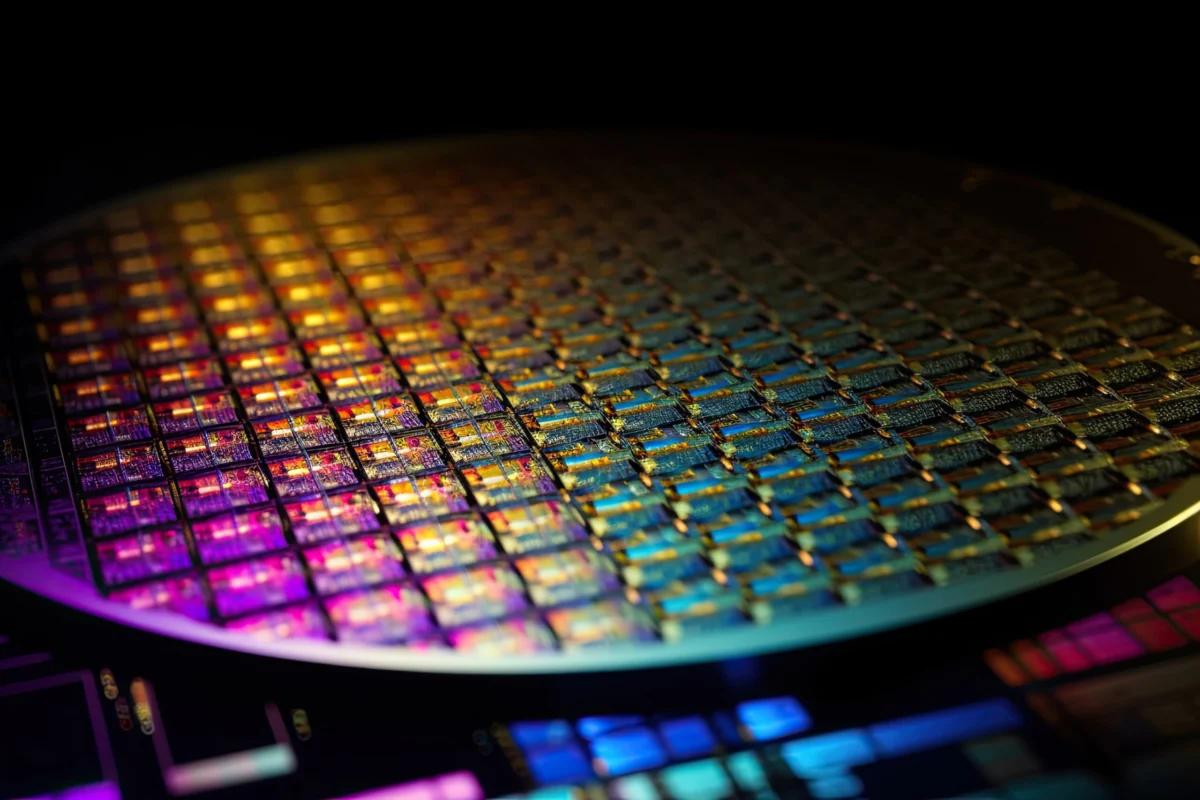

The semiconductor industry is currently navigating a transformative era characterized by what analysts have termed the AI memory supercycle, a period of unprecedented demand driven by the rapid expansion of artificial intelligence infrastructure. While the global narrative has largely centered on the explosive growth of High Bandwidth Memory (HBM) and high-density NAND flash—components essential for training massive large language models (LLMs)—a secondary but equally critical narrative is emerging within the memory ecosystem. The aggressive pivot by major manufacturers toward high-margin AI memory is creating a structural vacuum in the production of more traditional memory types, most notably NOR flash. As manufacturing resources are reallocated to meet the insatiable needs of hyperscale data centers, the supply chains for consumer electronics, industrial automation, and automotive systems are facing a period of significant volatility and strategic realignment.
The Mechanics of the AI Memory Supercycle
The current supercycle is fundamentally different from previous memory booms, which were often driven by smartphone replacement cycles or PC refreshes. This cycle is rooted in the physical requirements of generative AI. To process the trillions of parameters found in modern AI models, servers require massive amounts of HBM, which offers the extreme throughput necessary to prevent data bottlenecks in GPUs. Consequently, the industry’s "Big Three"—Samsung Electronics, SK Hynix, and Micron Technology—have redirected a substantial portion of their capital expenditure (CapEx) and wafer-start capacity toward HBM3e and next-generation DDR5 technologies.
This shift represents more than a temporary trend; it is a fundamental reconfiguration of the global memory manufacturing footprint. As leading-edge fabs prioritize the production of these premium components, the mature processes typically used for NOR flash and specialty DRAM are being sidelined. The logic is purely economic: HBM and advanced server DRAM command significantly higher average selling prices (ASPs) and margins compared to legacy components. Market forecasts suggest that this prioritization will lead to dramatic price escalations across the board, with DRAM expected to surge by nearly 90 percent quarter-over-quarter and NAND potentially climbing by approximately 60 percent. These figures reflect a market where demand for bits is far outstripping the industry’s ability to add new capacity, leading to a "crowding out" effect for any product not directly tied to the AI gold rush.
A Chronology of the Shift: From Training to Inference
The transition of the AI market from a "training phase" to an "inference phase" provides the necessary context for understanding current supply pressures. In late 2022 and throughout 2023, the primary focus of the tech industry was the development and training of foundational models. This required high-density storage and massive compute power, but the impact on the broader memory market was initially localized to high-end server segments.
By mid-2024, the landscape shifted as enterprises began deploying these models at scale. This "inference" stage requires a broader range of hardware, from edge servers to AI-enabled PCs and smartphones. This transition has broadened the demand for high-capacity NAND and LPDDR5X, further tightening the overall memory supply. As we move into 2025, the industry is entering a "capacity-constrained" era. While new wafer investments are being announced, they are almost exclusively targeted at next-generation nodes. The mature manufacturing lines that produce NOR flash—a non-volatile memory used for storing BIOS, boot code, and firmware—are seeing little to no expansion, creating a permanent ceiling on supply even as demand in other sectors remains steady or grows.
The Redistribution of the Memory Ecosystem
The exit or reduced focus of top-tier suppliers from the mid-to-low-end memory market has forced a redistribution of market share. Specialized memory suppliers, including Winbond, Macronix, GigaDevice, AP Memory, Nanya, and ISSI, are now the primary custodians of the NOR flash and specialty DRAM markets. However, these companies are not immune to the pressures of the supercycle.
Because these specialized suppliers often rely on shared manufacturing ecosystems—where DRAM, NAND, and NOR production lines compete for the same backend testing equipment and wafer capacity—they face internal trade-offs. When a supplier sees a surge in demand for specialty DRAM or specialty NAND (often used in edge AI devices), they naturally lean toward those higher-return product programs. This internal competition for resources is a critical factor in the tightening of NOR flash availability. Even companies historically known for robust NOR portfolios are being forced to streamline their offerings, often pruning non-essential or lower-volume product lines to maximize the output of high-demand items.
Analyzing the Impact on Downstream Markets
The consequences of this resource reallocation are rippling through various end markets, each with its own set of vulnerabilities.
Personal Computing and Consumer Electronics
The PC and consumer segments are the first to feel the impact. As manufacturers of laptops and smart home devices seek to secure their 2025 production schedules, they are finding that NOR flash lead times are stretching. In response, many buyers have moved from "just-in-time" to "just-in-case" inventory strategies, attempting to secure supply earlier than in previous years. This preemptive buying behavior further tightens the market, creating a feedback loop of perceived scarcity and rising prices.
The Industrial and Automotive Sector
Perhaps the most concerning impact is within the industrial and automotive markets. Unlike the consumer electronics sector, where product life cycles are short and redesigns are frequent, the industrial and automotive sectors operate on multi-year, sometimes decadal, timelines. Automotive systems, particularly Advanced Driver Assistance Systems (ADAS) and digital cockpits, rely heavily on high-reliability NOR flash for mission-critical boot functions.
The vulnerability of these sectors stems from their inability to quickly "requalify" alternative components. If a specific NOR flash part becomes unavailable due to a supplier’s shift in priority, an automotive manufacturer may face months or years of testing to qualify a replacement from a different vendor. This makes the sector highly susceptible to supply disruptions. As the AI memory supercycle continues to absorb manufacturing resources, these "long-tail" markets are likely to experience the most severe and sustained shortages.
Supporting Data: The Widening Gap
To understand the scale of the challenge, one must look at the capital expenditure trends among the world’s leading semiconductor firms. In 2024, CapEx for HBM production alone is estimated to have tripled compared to the previous year. Meanwhile, investment in mature process nodes—those typically used for NOR flash (ranging from 45nm to 65nm and beyond)—has remained largely flat.
Furthermore, the physical footprint of HBM manufacturing is significantly larger than that of standard DRAM. Producing one bit of HBM requires roughly twice the wafer area of standard DRAM due to the complexity of the 3D stacking and Through-Silicon Via (TSV) processes. This "wafer consumption penalty" means that for every HBM chip produced, the industry effectively loses the capacity to produce multiple legacy memory chips. This structural reality ensures that the supply of NOR flash will remain constrained even if overall semiconductor manufacturing capacity increases.
Corporate Responses and the Path Forward
Amid these structural shifts, the industry is seeing a divergence in corporate strategies. While some suppliers are retreating from legacy markets to chase the high-margin AI boom, others are doubling down on their commitment to long-term stability for their customer base.
Infineon Memory Solutions, for instance, has positioned itself as a stabilizing force in the NOR flash market. Recognizing the volatility introduced by the AI supercycle, the company has emphasized a strategy of "supply-chain resilience." This involves not only maintaining existing production lines but also investing in next-generation NOR technology that offers higher density and lower power consumption, tailored specifically for the industrial and automotive sectors that are being neglected by others.
"Infineon remains committed to supporting the NOR flash market amid these industry shifts," the company stated in a recent strategic update. "The company continues to develop new NOR products and invest in stronger supply-chain resilience. In light of the industry’s structural changes, Infineon’s strategy is to collaborate early with customers to maintain stable, uninterrupted supply and ensure long-term business continuity."
This proactive approach—investing in globally resilient manufacturing capacity and engaging in early-stage collaboration with customers—is becoming the new gold standard for suppliers in the "specialty" memory space. It acknowledges that the AI supercycle is not a temporary disruption but a permanent change in the industry’s architecture.
Broader Implications and Long-Term Outlook
The AI memory supercycle is a double-edged sword for the global economy. While it is enabling a technological revolution that promises to increase productivity and solve complex problems, it is also introducing new risks into the global supply chain. The "indirect competition" between advanced AI memory and mature-node NOR flash highlights the interconnectedness of modern manufacturing.
For procurement professionals and system architects, the takeaway is clear: the days of treating NOR flash as a commodity with infinite availability are over. The structural prioritization of AI-focused memory means that variable output and resource constraints will be a permanent feature of the landscape for the foreseeable future. Strategic partnerships with suppliers who are committed to the NOR market—rather than those who treat it as a secondary priority—will be the defining factor in maintaining business continuity.
As the industry moves forward, the success of the AI era will depend not just on the ability to build massive data centers, but also on the ability to maintain the supply of the "quiet" components that keep the rest of the world’s technology running. The NOR flash market is currently the front line of this struggle, serving as a bellwether for how the semiconductor industry will balance the promise of the future with the requirements of the present.