
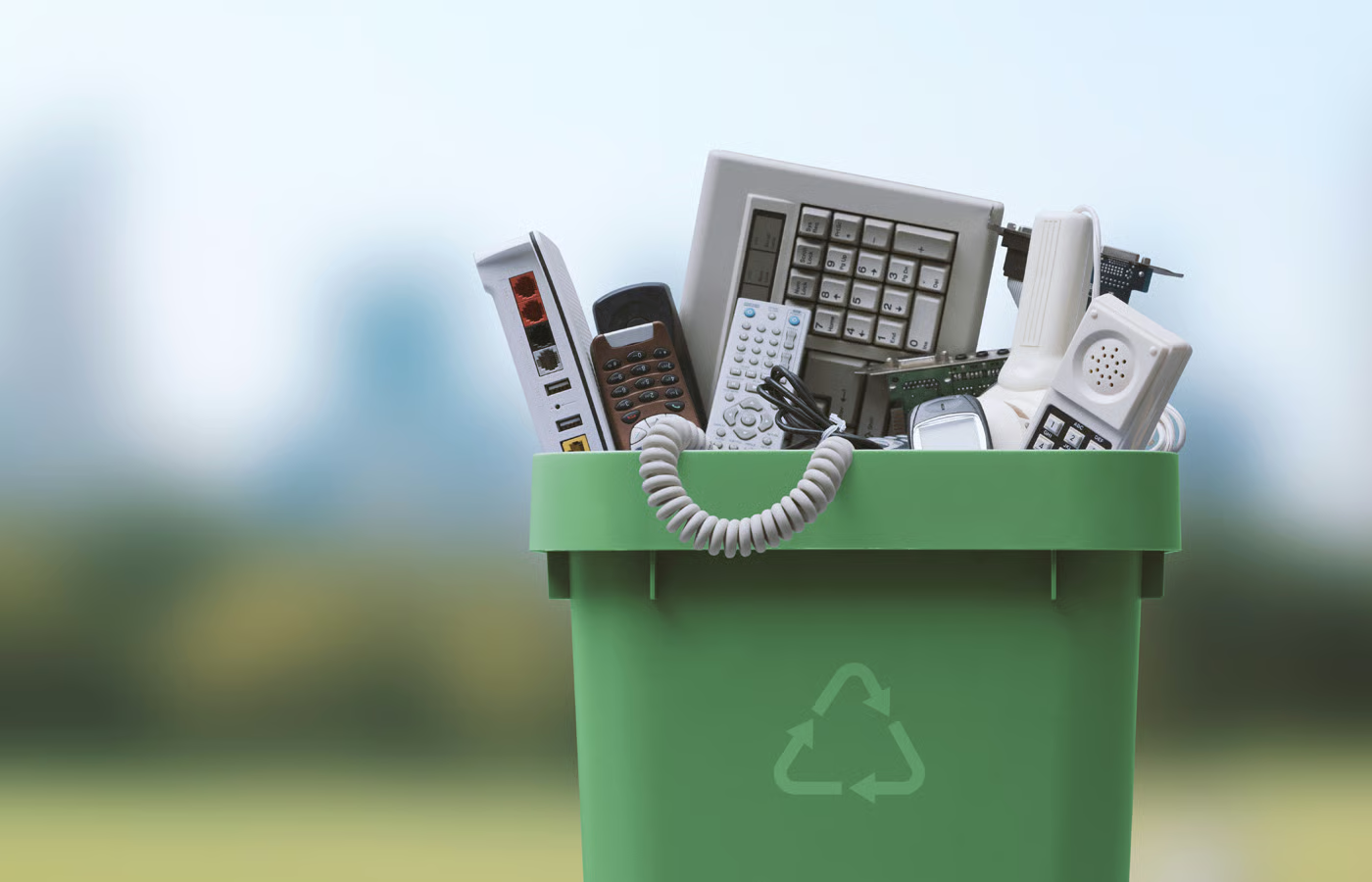

Electronic waste, commonly known as e-waste, refers to discarded electrical or electronic devices. This rapidly expanding category of waste encompasses everything from small personal gadgets like smartphones and MP3 players to larger household appliances such as refrigerators, air conditioners, and televisions. The global proliferation of electronic devices, driven by rapid technological advancements and consumer demand for the latest innovations, has created an unprecedented surge in e-waste generation. This trend positions e-waste as one of the primary concerns within the broader Green IT initiatives, highlighting the urgent need for sustainable resource management and responsible disposal practices.
The core reason for the growing global concern surrounding e-waste lies in its complex composition. These discarded devices are a heterogeneous mixture, containing valuable resources like copper, gold, silver, palladium, and other critical metals, alongside hazardous substances such as lead, mercury, cadmium, brominated flame retardants, and polyvinyl chloride (PVC). When e-waste is improperly handled or disposed of in landfills, these toxic materials can leach into the soil and groundwater, contaminating ecosystems and posing significant risks to human health. Conversely, when e-waste is properly recycled, these valuable materials can be safely recovered and reintroduced into the manufacturing cycle, fostering sustainable resource utilization and reducing the environmental impact associated with mining new raw materials.
The accelerating accumulation of e-waste is a direct consequence of increased consumer electronics usage. Shorter product life cycles, driven by planned obsolescence and a cultural shift towards a "throwaway" mentality that often undervalues repair and reuse, have amplified this problem. The demand for new and advanced technology fuels a continuous cycle of consumption and disposal. A stark illustration of this challenge emerged in 2019, when it was estimated that a staggering 53.6 million metric tons (approximately 59 million U.S. tons) of e-waste were generated worldwide. Alarmingly, only 17.4% of this colossal amount was officially recorded as being collected and recycled. This statistic underscores the immense scale of the problem and the critical deficit in effective and sustainable global e-waste management strategies.
Understanding the Scope: Types of E-Waste
E-waste is a broad classification that can be segmented into several key categories, reflecting the diverse range of electronic and electrical devices that reach their end-of-life:
- Large Household Appliances: This category includes items like refrigerators, washing machines, dryers, dishwashers, ovens, and air conditioners. These often contain significant amounts of metal, plastic, and refrigerants, some of which are hazardous.
- Small Household Appliances: This group encompasses toasters, blenders, coffee makers, vacuum cleaners, irons, and hair dryers. While smaller, their collective volume contributes significantly to the e-waste stream.
- IT and Telecommunications Equipment: This is a rapidly growing segment and includes desktop computers, laptops, monitors, printers, keyboards, mice, smartphones, tablets, routers, and other communication devices. These items often contain valuable metals and potentially hazardous materials like lead in solder and mercury in older screen components.
- Consumer Electronics: This broad category covers televisions, DVD players, stereos, cameras, gaming consoles, and audio equipment. The rapid pace of innovation in this sector leads to frequent upgrades and disposals.
- Electrical and Electronic Tools: This includes items like drills, saws, sanders, and other power tools. They often contain motors and electronic components.
- Toys, Leisure, and Sports Equipment: Electronic toys, treadmills, and other electronically-enabled recreational items also contribute to e-waste.
- Medical Devices: While often subject to stricter disposal regulations due to biohazard concerns, discarded medical equipment, including imaging devices and monitoring systems, also falls under the e-waste umbrella.
- Monitoring and Control Instruments: Thermostats, smoke detectors, and other sensor-based devices, while often small, contain electronic components that require proper disposal.
The Environmental and Health Repercussions of E-Waste
The improper disposal and inadequate treatment of e-waste carry severe environmental and health consequences. The complex chemical composition of electronic devices means that when they are not managed responsibly, hazardous substances are released into the environment, leading to widespread contamination and posing serious risks to both ecosystems and human populations.
- Environmental Contamination: Heavy metals such as lead, mercury, and cadmium, when released from e-waste, can contaminate soil and water sources. Lead, for instance, can persist in the environment for a long time, affecting plant and animal life. Mercury, a potent neurotoxin, can bioaccumulate in food chains, posing a particular threat to aquatic ecosystems and ultimately to humans who consume contaminated seafood. Brominated flame retardants, commonly used in plastics and circuit boards, are persistent organic pollutants that can disrupt endocrine systems and are harmful to wildlife.
- Health Risks: Exposure to these hazardous substances can lead to a range of serious health problems in humans. Lead exposure, especially in children, can cause developmental delays, learning disabilities, and behavioral problems. Mercury exposure can lead to neurological damage, kidney damage, and reproductive issues. Cadmium is a known carcinogen and can cause severe kidney damage and bone disease. In developing countries where informal e-waste recycling often occurs in unregulated conditions, workers, including women and children, are frequently exposed to these toxins through direct contact, inhalation of fumes from burning e-waste to extract metals, and ingestion of contaminated food and water. This often results in respiratory illnesses, skin diseases, and long-term chronic health conditions.
- Resource Depletion: The improper disposal of e-waste represents a significant loss of valuable finite resources. Metals like gold, silver, copper, and platinum, which are used in electronic components, are not infinitely available. When e-waste ends up in landfills, these precious materials are lost forever, necessitating further energy-intensive and environmentally damaging mining operations to extract virgin resources. This cycle exacerbates resource depletion and contributes to habitat destruction and pollution associated with mining.
E-Waste Management and Recycling: Processes and Challenges
Effective e-waste management and recycling are paramount to mitigating its detrimental environmental and health impacts. While established processes exist, they are frequently hampered by a range of persistent challenges that impede progress towards comprehensive and sustainable solutions.
Processes in E-Waste Recycling
The general stages involved in the recycling of e-waste, though varying in specifics based on the type of device, typically include:
- Collection and Transportation: E-waste is collected from various sources, including households, businesses, and public collection points. It is then transported to specialized recycling facilities. Logistics and the cost of transportation can be significant challenges, especially in geographically dispersed areas.
- Dismantling and Sorting: Upon arrival at the recycling facility, e-waste is typically dismantled manually or semi-automatically. This process separates components like circuit boards, batteries, plastic casings, and metal parts. Skilled workers or automated systems sort these components for further processing.
- Shredding and Mechanical Processing: Larger items or sorted components are often shredded into smaller pieces. This facilitates the separation of different materials. Mechanical processes like magnetic separation (for ferrous metals), eddy current separation (for non-ferrous metals like aluminum and copper), and density separation are employed to isolate valuable materials.
- Material Recovery and Refinement:
- Metals: Precious metals like gold, silver, and palladium are often recovered from circuit boards through pyrometallurgical (smelting) or hydrometallurgical (chemical leaching) processes. Base metals like copper and aluminum are smelted and cast into ingots for reuse.
- Plastics: Different types of plastics are separated and can be granulated, melted, and reformed into new plastic products. However, the presence of mixed plastics and hazardous additives can complicate this process.
- Glass: Glass from CRT monitors, for instance, contains lead and requires specialized handling. Newer flat-screen displays also present recycling challenges.
- Hazardous Material Treatment: Batteries, capacitors, and other components containing hazardous substances like mercury or cadmium are treated separately using specialized techniques to neutralize or safely contain these materials before disposal.
- Final Disposal of Residuals: Any materials that cannot be recycled or recovered are safely disposed of in accordance with environmental regulations, often in secure landfills designed to prevent leakage of hazardous substances.
Challenges in E-Waste Management
Despite the existence of these processes, numerous challenges complicate the path toward effective e-waste management:
- Informal Recycling Sector: In many parts of the world, e-waste is handled by an informal sector, often characterized by unsafe practices. These informal recyclers, driven by the economic value of recovered materials, may resort to burning e-waste to extract metals, releasing toxic fumes and hazardous substances into the atmosphere and surrounding environment. This often occurs in developing countries where labor is cheaper and regulatory oversight is lax.
- Low Recycling Rates: As indicated by the global statistics, actual e-waste recycling rates remain significantly low. This is due to a combination of factors, including lack of infrastructure, insufficient public awareness, inadequate collection systems, and the economic viability of recycling versus landfilling or illegal dumping.
- Technological Complexity and Hazardous Materials: The increasing complexity of electronic devices, with their intricate components and the use of diverse materials, makes efficient dismantling and material separation challenging. Identifying and safely removing hazardous substances requires specialized knowledge and equipment.
- Economic Viability: The cost of collecting, transporting, dismantling, and recycling e-waste can be high. For some materials, the recovery value may not outweigh the processing costs, making it economically challenging to operate dedicated recycling facilities without subsidies or incentives.
- Lack of Standardization: There is a lack of global standardization in e-waste management practices and regulations, leading to inconsistencies in how e-waste is handled across different regions and countries. This can facilitate the illegal export of e-waste from developed to developing nations, where it is often processed using primitive and harmful methods.
- Consumer Behavior and Awareness: A lack of awareness among consumers about the importance of proper e-waste disposal and the environmental consequences of their actions contributes to the problem. Many consumers are unaware of available recycling options or simply discard electronics with general household waste.
Sectors Impacting E-Waste Management
E-waste management is an intricate issue influenced by a diverse array of sectors, each playing a distinct role in the lifecycle and handling of electronic waste.
Corporate Responsibility on E-Waste Management
The corporate world, from manufacturers to retailers and service providers, holds significant responsibility in addressing e-waste management due to its pivotal role in the life cycle of electronic products. Several initiatives have been proposed and implemented to encourage corporate accountability:
- Extended Producer Responsibility (EPR): Many governments are implementing EPR schemes, which place the responsibility for managing products at the end of their life onto the producers. This incentivizes manufacturers to design more sustainable products and to invest in collection and recycling infrastructure.
- Design for Environment (DfE): Corporations are increasingly focusing on designing products with their end-of-life in mind. This includes using fewer hazardous materials, designing for easy disassembly and repair, and enhancing the recyclability of components.
- Take-Back Programs: Many electronics manufacturers and retailers offer take-back programs, allowing consumers to return old devices for proper recycling or refurbishment. These programs aim to intercept e-waste before it enters the general waste stream.
- Sustainable Sourcing and Manufacturing: Companies are also working to ensure that the materials used in their products are sourced responsibly and that their manufacturing processes minimize environmental impact. This includes efforts to reduce energy consumption and waste generation.
- Investment in Recycling Technologies: Some forward-thinking corporations are investing in research and development of advanced recycling technologies or partnering with specialized recycling companies to improve the efficiency and environmental performance of e-waste processing.
Role of Consumers in E-Waste Management
The effective management of e-waste is not solely the domain of governments and corporations; it is also critically dependent on the actions and choices of consumers. Consumer engagement is vital for the success of any e-waste management strategy:
- Responsible Disposal: Consumers play a crucial role by ensuring that their old electronics are disposed of responsibly. This means utilizing designated e-waste collection points, participating in take-back programs, or engaging with certified e-waste recyclers rather than discarding devices with general household trash.
- Extending Product Lifespans: Choosing to repair electronic devices rather than immediately replacing them, opting for refurbished products, and upgrading components where possible can significantly reduce the rate at which devices become obsolete and contribute to the e-waste stream.
- Informed Purchasing Decisions: Consumers can influence the market by making informed purchasing decisions. Supporting manufacturers that demonstrate a commitment to sustainability, product longevity, and responsible end-of-life management can drive industry-wide change.
- Awareness and Advocacy: Educating themselves and others about the environmental and health impacts of e-waste and advocating for stronger policies and corporate responsibility can amplify the collective impact of consumer action.
Policies and Legislation on E-Waste
The management of e-waste is increasingly governed by a comprehensive range of policies and legislation at state, national, and international levels. These regulatory frameworks are critical in shaping how e-waste is collected, processed, and recycled, aiming to ensure environmental protection and public health safety.
International Frameworks and Agreements
International frameworks and agreements play a pivotal role in establishing standardized guidelines and practices across nations. These agreements are crucial for ensuring the responsible handling, transfer, and disposal of e-waste, particularly given its transboundary nature.
- The Basel Convention on the Control of Transboundary Movements of Hazardous Wastes and Their Disposal: This landmark international treaty, adopted in 1989, aims to prevent the transfer of hazardous wastes from developed to developing countries. It requires prior informed consent for the transboundary movement of hazardous wastes, including many types of e-waste, and mandates environmentally sound management of such wastes. While crucial, the convention’s effectiveness has been challenged by enforcement issues and the classification of certain e-waste streams.
- The WEEE Directive (Waste Electrical and Electronic Equipment Directive): Though a regional directive within the European Union, the WEEE Directive has had a significant influence on global e-waste management policies. It sets ambitious targets for the collection, recycling, and recovery of e-waste and places producer responsibility on manufacturers. Its principles have inspired similar legislation in other regions.
- United Nations Environment Programme (UNEP) Initiatives: UNEP actively promotes sustainable consumption and production patterns, including initiatives focused on e-waste reduction, resource efficiency, and the development of circular economy models within the electronics sector.
Regional and National Legislation
The battle against e-waste requires not only international cooperation but also robust regional and national legislative frameworks. Numerous laws and directives have been implemented worldwide to address the complex challenge of e-waste management:
- European Union (EU): Beyond the WEEE Directive, the EU has implemented regulations like RoHS (Restriction of Hazardous Substances), which limits the use of specific hazardous materials in electrical and electronic equipment, thereby reducing the hazardous content of e-waste.
- United States: While the U.S. lacks a comprehensive federal e-waste law, several states have enacted their own legislation. These range from EPR laws that require manufacturers to fund or manage e-waste collection and recycling programs (e.g., in California, Maine, Illinois) to outright bans on e-waste in landfills.
- Canada: Similar to the U.S., Canada has a patchwork of provincial regulations, with many provinces implementing EPR programs for electronics, often managed by industry-led stewardship organizations.
- Asia: Countries like China, Japan, and South Korea have developed national e-waste management policies and recycling infrastructure, often driven by concerns over resource security and environmental pollution. Japan’s Home Appliance Recycling Law, for instance, mandates consumer participation in the recycling of certain appliances.
- Developing Nations: Increasingly, developing nations are enacting legislation to manage e-waste, often influenced by international agreements and the recognition of the severe health and environmental impacts of unregulated e-waste imports and informal processing.
Future Innovations in E-Waste Handling
As the volume of electronic waste continues to grow globally, the future of e-waste handling is increasingly focused on innovative solutions and forward-thinking strategies. Emerging trends and technological advancements are poised to reshape how we manage and recycle our discarded electronics.
Advanced Recycling Technologies
The pursuit of greater efficiency and environmental sustainability in e-waste processing is driving the development of advanced recycling technologies:
- AI-Driven Sorting and Robotics: Artificial intelligence and robotics are revolutionizing e-waste sorting. AI-powered vision systems can identify and classify different components with remarkable accuracy, guiding robotic arms to sort materials far more efficiently and safely than manual labor. This reduces the need for human exposure to hazardous substances and increases the purity of recovered materials.
- Advanced Spectrometry and Material Identification: Techniques like X-ray fluorescence (XRF) and laser-induced breakdown spectroscopy (LIBS) are being employed to rapidly and precisely identify the elemental composition of e-waste components. This allows for more accurate material separation and the optimization of recovery processes for valuable and hazardous elements.
- Chemical and Biological Processing Innovations: Beyond traditional smelting, innovative chemical and biological processes are gaining traction. Bioleaching, for example, uses microorganisms to extract metals from e-waste, offering a potentially less energy-intensive and more environmentally friendly alternative to conventional methods. Advancements in hydrometallurgy are also enabling more targeted and efficient extraction of precious metals with reduced chemical waste.
Design for Environment (DfE)
A fundamental shift in product design is crucial for tackling the e-waste challenge at its source. The Design for Environment (DfE) philosophy emphasizes creating electronic products with their entire lifecycle, including their end-of-life, in mind:
- Modular and Repairable Designs: The concept of modularity, where electronic devices are designed with interchangeable components, is gaining momentum. This allows for easier repairs and upgrades, extending product lifespans and reducing the need for complete device replacement. Think of modular smartphones or upgradeable computer components.
- Reduced Hazardous Materials: Manufacturers are increasingly committed to reducing or eliminating the use of hazardous substances in their products, aligning with regulations like RoHS and proactive environmental stewardship. This makes the recycling process safer and the resulting materials less toxic.
- Design for Disassembly and Recyclability: Products are being designed to be easily taken apart, facilitating the separation of materials for recycling. This includes using standardized fasteners, clear labeling of plastic types, and minimizing the use of glues and adhesives that hinder disassembly.
Circular Economy Models
The transition towards a circular economy offers a transformative approach to e-waste management, moving away from the linear "take-make-dispose" model towards one that prioritizes resource longevity and waste minimization:
- Product-as-a-Service (PaaS): In this model, consumers pay for the use of a product rather than its ownership. This incentivizes manufacturers to create durable, repairable, and easily recyclable electronics, as they retain ownership and responsibility for the product’s entire lifecycle. Examples include leasing IT equipment or subscribing to smartphone services.
- Refurbishment and Remarketing: A significant portion of e-waste can be refurbished and resold, extending its useful life and reducing the demand for new products. This creates economic opportunities and conserves resources.
- Closed-Loop Recycling Systems: The ultimate goal of circular economy models is to create closed-loop recycling systems where materials recovered from e-waste are directly reintegrated into the manufacturing of new electronic products, minimizing the need for virgin raw materials.
Bottom Line: A Cleaner Future Starts with the Right E-Waste Management
Effective e-waste management is not a responsibility that falls on a single entity; it is a collective endeavor that requires the concerted efforts of governments, industries, and consumers alike. The integration of innovative recycling technologies, the adoption of sustainable product designs, and the implementation of robust policies are fundamental steps toward mitigating the environmental and health impacts of e-waste.
As we look ahead, it’s clear that the path to a cleaner future also hinges on our ability to adapt and evolve in our e-waste handling methods. Embracing new technologies, participating in responsible recycling practices, and staying informed about the environmental impact of our electronic consumption are vital actions for all stakeholders. Businesses, in particular, have a powerful role to play through their manufacturing choices and recycling habits, driving innovation and setting new standards for sustainability in the electronics sector.
In addition to recycling, one way organizations can cut back on their carbon footprint and their overhead costs at the same time is by improving data center and server room power consumption efficiency. By investing in energy-efficient hardware, optimizing cooling systems, and implementing smart power management strategies, businesses can significantly reduce their environmental impact and operational expenses, contributing to a more sustainable technological ecosystem.