
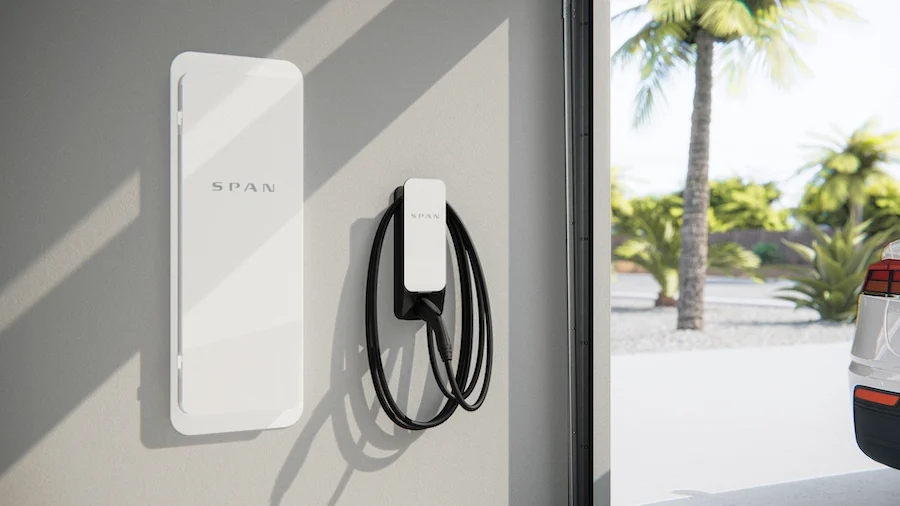

The confluence of extreme summer heatwaves and a heightened awareness of the fragility of our power grids has solidified a growing consensus: smart homes must integrate some form of smart energy management. While a smart thermostat connected to a utility’s demand response program represents a current entry point, the near future promises a more comprehensive ecosystem. Within the next decade, this will likely encompass smart breaker boxes, intelligent electric vehicle (EV) chargers, and integrated solar or other energy storage solutions. The orchestration of this complex network will fall to sophisticated software, enabling seamless communication between home devices and utility providers to ensure optimal power distribution, especially during periods of high demand.
The Evolving Landscape of Home Energy Intelligence
The concept of a truly smart energy-managed home is rapidly moving from theoretical discussions to tangible product development. Leading manufacturers such as Schneider Electric, Eaton, Leviton, Savant, and Span are at the forefront of this innovation, introducing a new generation of electrical infrastructure designed for intelligent control. This technological advancement is further bolstered by legislative initiatives, such as those passed under the Biden administration, which offer financial incentives for homeowners looking to upgrade their traditional electrical systems to smarter, more efficient alternatives. These incentives aim to accelerate the adoption of technologies that can enhance grid stability and reduce overall energy consumption.
However, for the average consumer, the prospect of replacing an entire electrical system can appear significantly more daunting than simply swapping out a thermostat. This presents a crucial challenge: how can individuals begin to embrace smart energy management without being overwhelmed by the perceived complexity and cost?
The Foundation: Conducting a Home Energy Audit
The most accessible and actionable first step toward smart energy management is a comprehensive audit of your home’s existing breaker box. This process, which can be undertaken with the assistance of a friend or family member, involves systematically identifying which outlets and appliances are connected to each individual circuit. By having one person at the breaker box to systematically flip switches, and another person touring the home to observe which devices lose power, a detailed map of your home’s electrical circuits can be generated. This map should meticulously list the outlets and the specific appliances or fixtures each circuit controls.
This detailed inventory serves as a critical baseline. It highlights not only the current utilization of your electrical system but also identifies "headroom" – unused circuits or areas where electrical capacity can be expanded. This information is invaluable for future planning, particularly for the integration of popular electrification projects such as EV chargers, heat pumps, or induction stoves. For homeowners residing in older properties lacking this inherent capacity, the need for an upgrade to a higher amperage electrical line and an expanded breaker box becomes apparent. Such upgrades, while potentially costly, are often prerequisites for embracing modern, energy-intensive appliances.
Navigating the Smart Breaker Box Market
For those considering an immediate upgrade to their electrical panel, the market now offers "smart" breaker boxes, which can assist in load management, potentially allowing for the charging of electric vehicles during off-peak hours when other household devices are not in use. This strategic load balancing can mitigate the need for immediate and significant electrical service upgrades in some scenarios. However, it is important to recognize that this approach offers a partial solution and may not fully address the demands of a comprehensively electrified home.

The current landscape of smart breaker box technology presents several options, each with varying levels of functionality. Some devices, like those from Sense or Emporia, are installed within the existing breaker box and provide detailed data on energy consumption. While invaluable for monitoring, they do not offer direct control over individual circuits. This limitation can be frustrating; knowing a refrigerator consumes a significant amount of energy daily does not translate into the ability to remotely power it down.
A more advanced category includes smart circuits that possess the ability to be remotely switched on and off. This granular control empowers homeowners to manage individual loads effectively. Consumers can opt for an entirely smart breaker box or integrate a select number of smart circuits into their existing panel. A significant consideration is that many of these solutions rely on proprietary software for load management, potentially leading to ecosystem lock-in. For the technically inclined, open-source options are emerging, catering to extreme DIY enthusiasts seeking greater customization and interoperability.
The Future of Home Energy Management: Interoperability and Intelligence
Looking ahead, the vision for smart home energy management is one of seamless integration and proactive intelligence. Platforms like SmartThings Energy offer a glimpse into this future. By leveraging data from smart meters and real-time electricity rates, these systems can provide homeowners with detailed insights into the power consumption of supported appliances. For households equipped with compatible smart appliances, such as those from Samsung, the ability to activate "Power Savings" modes through the app can yield incremental energy reductions.
Despite these advancements, a significant hurdle remains: the lack of standardized communication protocols between diverse smart appliances and the software controlling the home’s electrical panel. This fragmentation hinders the creation of a truly cohesive and automated energy management system. However, industry stakeholders and researchers are actively working towards establishing these universal standards, which are essential for unlocking the full potential of smart energy solutions.
Broader Implications and the Road Ahead
The transition to smart energy management in homes is not merely a technological upgrade; it carries profound implications for grid stability, energy affordability, and environmental sustainability. As more homes integrate intelligent energy systems, they become active participants in grid management, capable of responding to price signals and demand fluctuations. This distributed intelligence can alleviate stress on aging infrastructure, reduce the reliance on peak power generation (often the most carbon-intensive), and potentially lead to lower energy bills for consumers through optimized consumption and participation in utility programs.
The increasing electrification of transportation and home heating, driven by climate change concerns and government incentives, further amplifies the need for sophisticated energy management. Without intelligent systems, the simultaneous charging of EVs and operation of high-demand appliances like HVAC units could overwhelm local grids. Smart energy management acts as a critical enabler for this transition, ensuring that the benefits of electrification are realized without compromising grid reliability or affordability.
The journey toward a fully smart energy-managed home is an evolutionary process. While the immediate focus may be on understanding existing infrastructure and implementing foundational smart devices, the long-term trajectory points towards integrated systems that autonomously optimize energy use, enhance resilience, and contribute to a more sustainable energy future. As technology matures and standards emerge, the concept of a "smart" home will increasingly be defined by its intelligent management of energy resources. The initial step, as outlined, is within reach for every homeowner: understanding the electrical heart of their dwelling.