

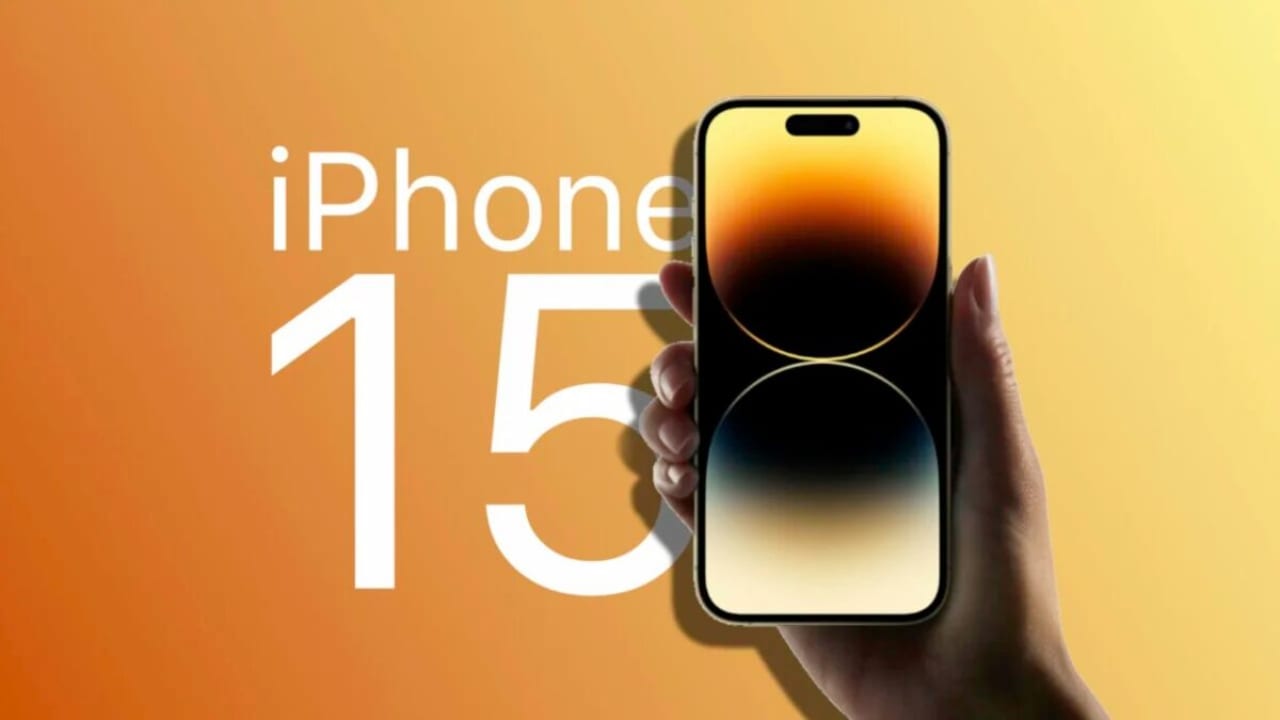
The telecommunications landscape is on the verge of a significant shift as Apple prepares to launch its iPhone 15 lineup, with persistent industry rumors suggesting a broader move toward an eSIM-only architecture. This transition, which involves the removal of the traditional physical SIM card slot, represents one of the most polarizing design choices since the removal of the headphone jack in 2016. By prioritizing embedded SIM (eSIM) technology, Apple is not merely changing a hardware component; it is fundamentally altering how consumers interact with mobile carriers, how devices are secured, and how internal smartphone architecture is optimized. As the tech world anticipates the official unveiling, a detailed analysis of the technical, economic, and logistical ramifications reveals a complex picture of innovation pitted against legacy infrastructure.
Understanding the Technical Foundation of eSIM Technology
To understand the weight of Apple’s rumored decision, one must first define what an eSIM is and how it deviates from the legacy standards that have dominated the industry for decades. An eSIM, or embedded Subscriber Identity Module, is a small, programmable chip soldered directly onto a device’s motherboard during the manufacturing process. Unlike the physical nano-SIM cards that have been the standard since the iPhone 5, an eSIM cannot be physically removed or handled by the user.
The technology operates on the GSMA’s remote SIM provisioning specifications, allowing users to download "profiles" from their carriers over-the-air (OTA). This eliminates the need for a physical medium to transmit the International Mobile Subscriber Identity (IMSI) and the related key used to identify and authenticate subscribers on mobile telephony devices. Because the chip is rewritable, a single device can store multiple eSIM profiles, though usually only one or two can be active simultaneously depending on the modem’s capabilities.
The Chronology of Apple’s SIM Evolution
Apple’s move toward a SIM-less future has been a gradual, multi-year progression rather than an overnight pivot. The company has a long history of forcing the industry toward smaller SIM standards, being the primary driver behind the adoption of the micro-SIM and later the nano-SIM.
The transition to eSIM began in earnest in 2018 with the release of the iPhone XS, XS Max, and XR, which were the first iPhones to feature Dual SIM capabilities via one physical slot and one eSIM. In 2021, the iPhone 13 series introduced the ability to use two eSIMs simultaneously, even if the physical slot remained empty. The most definitive step occurred in 2022 with the iPhone 14 series in the United States, where Apple removed the physical SIM tray entirely for the domestic market.
Reputable industry analysts, most notably Ming-Chi Kuo of TF International Securities, suggest that the iPhone 15 series will expand this "eSIM-only" philosophy. While the iPhone 14’s transition was limited to the U.S. market, rumors indicate that Apple is considering removing the SIM tray for the iPhone 15 Pro and Pro Max models in several European and Asian markets. This phased rollout suggests a long-term strategy to standardize a portless, or at least a "slot-less," chassis globally by 2024 or 2025.
Architectural and Design Advantages
The primary motivator for Apple’s engineering team is the optimization of internal space. In the world of high-end smartphone manufacturing, every square millimeter of internal real estate is a premium commodity. The physical SIM card mechanism—comprising the tray, the slot, and the internal reader—occupies a disproportionate amount of space relative to its simple function.
By removing this assembly, Apple gains several advantages:
- Battery Expansion: The space saved can be repurposed for a larger battery cell, which is crucial as power-hungry features like 120Hz ProMotion displays and 5G modems continue to evolve.
- Component Integration: The extra room could allow for larger camera sensors, improved haptic engines (the Taptic Engine), or more advanced thermal management systems.
- Structural Integrity and Ingress Protection: Every opening in a smartphone’s chassis is a structural weak point and a potential entry point for water and dust. Eliminating the SIM tray improves the device’s IP68 rating and reduces the likelihood of liquid damage, which remains a leading cause of hardware failure.
Enhanced Security and the Combatting of SIM Swapping
From a security perspective, the shift to eSIM is a significant upgrade for the average consumer. Physical SIM cards are susceptible to "SIM swapping" or "SIM hijacking," a form of identity theft where a bad actor gains access to a victim’s physical SIM card or tricks a carrier into porting the number to a new card. Once the attacker has control of the SIM, they can bypass two-factor authentication (2FA) for bank accounts, email, and social media.
With an eSIM, the digital profile is tied to the device’s hardware and protected by the iPhone’s Secure Element. It cannot be "stolen" out of the phone in a traditional sense. Furthermore, if an iPhone is stolen, the thief cannot simply remove the SIM card to prevent the owner from tracking the device via the Find My network. As long as the device has power, the eSIM remains active, maintaining a data connection that allows for more reliable location tracking and remote wiping.
Consumer Flexibility and the Global Roaming Experience
For the tech-savvy user, eSIM offers unprecedented flexibility. Instead of visiting a retail store or waiting for a piece of plastic to arrive in the mail, users can activate a new plan or switch carriers instantly via a QR code or a carrier app. This is particularly beneficial for professionals who maintain separate lines for business and personal use.
However, the impact on international travel is a subject of intense debate. Proponents argue that eSIM makes traveling easier; apps like Airalo or Holafly allow travelers to purchase local data plans before they even land in a foreign country. Conversely, critics point out that in many developing nations or smaller regions, local carriers still rely exclusively on physical SIM cards sold at airport kiosks. An iPhone 15 user with an eSIM-only device might find themselves unable to access affordable local rates in countries where eSIM infrastructure has not yet matured.
Market Challenges and Carrier Resistance
Despite the technical benefits, the transition is not without friction. One of the most significant hurdles is the varying degree of carrier readiness worldwide. While major US and European carriers have embraced eSIM, many "Mobile Virtual Network Operators" (MVNOs) and regional providers have been slower to adopt the technology due to the high cost of upgrading their backend systems to support remote provisioning.
There is also the issue of carrier "lock-in." In some markets, physical SIM cards represent a form of consumer freedom—the ability to move a subscription from one device to another without needing permission or an internet connection. Some consumer advocacy groups express concern that eSIM gives carriers more control over the device-switching process, potentially allowing them to charge "activation fees" for what was previously a free manual task.
Environmental Impact and Sustainability
Apple has increasingly positioned itself as an environmentally conscious corporation, and the move to eSIM aligns with its "Apple 2030" carbon-neutral goals. The production of physical SIM cards involves plastic, metal contacts, and significant packaging. When multiplied by the hundreds of millions of iPhones sold annually, the environmental footprint is substantial.
The logistics of shipping physical cards also contribute to carbon emissions. By transitioning to a purely digital distribution model for cellular identities, Apple and its partner carriers can eliminate a significant amount of plastic waste and reduce the energy consumption associated with the manufacturing and transport of physical SIM kits.
Industry Reactions and Analyst Perspectives
Market analysts view Apple’s move as a catalyst for the entire industry. Historically, when Apple removes a feature, competitors like Samsung and Google eventually follow suit. Data from the GSMA indicates that the number of mobile operators supporting eSIM grew by over 150% between 2020 and 2023.
"Apple is essentially forcing the hand of the global telecommunications industry," says senior technology analyst Marcus Thorne. "While there will be short-term growing pains, particularly in markets where infrastructure is lagging, the long-term result will be a more streamlined, secure, and efficient ecosystem. The physical SIM card is a 30-year-old technology that has outlived its usefulness in a world of integrated circuits and cloud provisioning."
Broader Implications and the Portless Future
The rumored iPhone 15 eSIM-only design is widely seen as a stepping stone toward the "portless iPhone." Apple’s design philosophy has consistently trended toward a seamless slab of glass and metal with no openings. Following the removal of the headphone jack and the potential removal of the SIM slot, the only remaining "hole" in the device is the charging port.
With the iPhone 15 also rumored to be switching from Lightning to USB-C due to EU regulations, the removal of the SIM slot serves as a counterweight, allowing Apple to maintain its design identity while complying with international law. By perfecting eSIM technology now, Apple is preparing for a future where all connectivity—charging, data transfer, and cellular—is handled wirelessly or through inductive means.
Conclusion
The transition to an eSIM-only iPhone 15 represents a pivotal moment in mobile evolution. While it introduces challenges for international travelers and requires a significant infrastructure update from smaller carriers, the benefits of enhanced security, improved device durability, and internal hardware optimization are undeniable. As Apple continues to push the boundaries of smartphone design, the physical SIM card appears destined to become a relic of the past, replaced by a more secure and flexible digital standard. The tech industry will be watching closely as the iPhone 15 debuts, marking the beginning of the end for the removable SIM card era.