
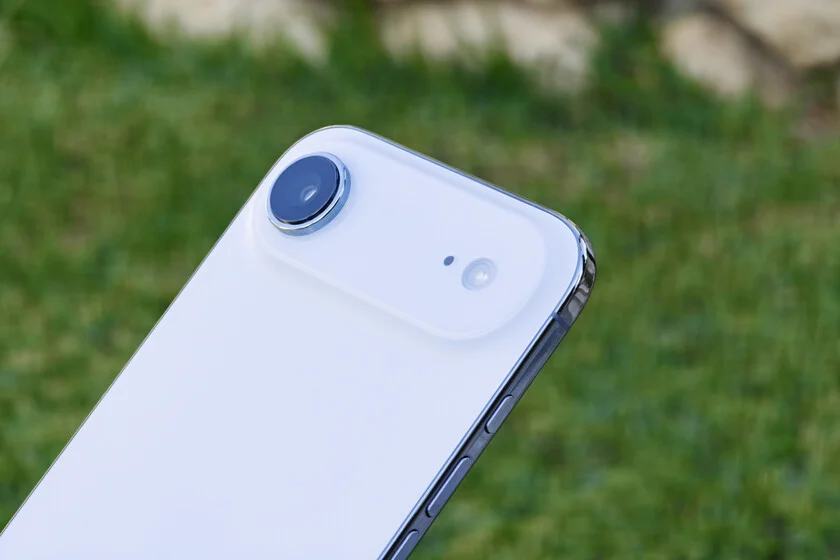

Apple’s bold venture into a new premium segment with the iPhone Air, designed to captivate with its unprecedented thinness, has reportedly encountered significant headwinds, culminating in drastic production cuts and an unusual 21% price reduction by authorized distributors. Launched with a premium price tag of 1,219 euros, the device aimed to appeal to consumers prioritizing a minimalist form factor, yet its compromised functionality in crucial areas like camera performance and battery life appears to have undermined its market appeal. This setback marks a rare misstep for a company renowned for consistently successful product launches and robust demand across its high-end offerings.
The Genesis of the iPhone Air: A Design-First Philosophy
Apple has a long-standing tradition of pushing design boundaries, often prioritizing aesthetics and slim profiles across its product lines, from the original MacBook Air to the latest iPad Pro models. The iPhone Air was envisioned as the pinnacle of this philosophy within the smartphone realm, aiming to redefine what a premium handset could be by focusing on an exceptionally thin chassis. This strategy was not without precedent; the market has, at various times, shown an appreciation for sleek, lightweight devices. The initial impression of the iPhone Air, as highlighted in early reviews, was indeed one of striking visual appeal and a surprising in-hand feel due to its slender profile. It was positioned as an aspirational device for a discerning clientele willing to pay a premium for cutting-edge design and engineering. However, the pursuit of extreme thinness often necessitates trade-offs, particularly in the tightly packed confines of a modern smartphone. These trade-offs, specifically concerning battery capacity and advanced camera modules, proved to be the Achilles’ heel of the iPhone Air.
Early Market Indicators and Analyst Insights
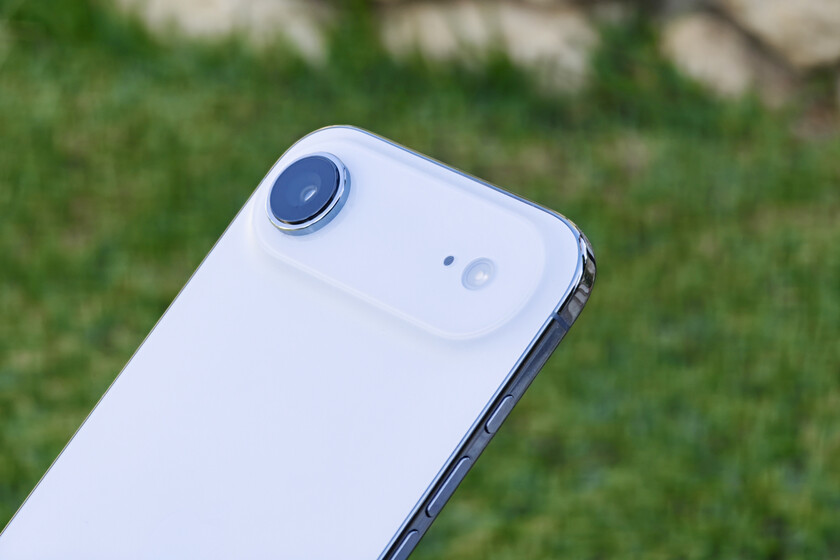
Apple, known for its guarded approach to sales figures, rarely discloses specific unit sales or distribution numbers for individual products. This proprietary stance often leaves market analysts and industry specialists to piece together demand trends through supply chain data and channel checks. In the case of the iPhone Air, the first major red flag emerged from Ming-Chi Kuo, a highly respected analyst known for his accurate predictions regarding Apple’s product cycles and supply chain movements. Kuo’s report, which surfaced several months after the iPhone Air’s launch, indicated an alarming 80% cut in the device’s production orders.
An 80% reduction in production is an extraordinarily stark indicator of underperformance, especially for a company like Apple, which typically fine-tunes its production based on sophisticated demand forecasting. Such a drastic cut suggests that initial sales projections were wildly optimistic and that actual consumer demand fell far short of even conservative estimates. For suppliers and manufacturing partners, this translates into significant adjustments, potential idle capacity, and financial implications. For Apple, it signaled a substantial inventory buildup in its distribution channels and a clear failure of its initial market strategy for this specific model.
The Consumer Conundrum: Sacrificing Functionality for Form
The core issue, as identified by analysts and corroborated by market behavior, was a fundamental misalignment between the iPhone Air’s design-centric value proposition and prevailing consumer priorities in the premium smartphone segment. While a sleek design is undeniably attractive, modern smartphone users increasingly demand robust performance across several key metrics:
- Battery Life: With smartphones becoming indispensable tools for communication, work, and entertainment, extended battery life is paramount. A thinner phone often means a smaller battery, leading to reduced endurance, a critical drawback for power users.
- Camera System: High-quality photography and videography have become standard expectations for premium smartphones. Advanced camera modules, with larger sensors, optical image stabilization, and multiple lenses, require physical space within the device, which is directly constrained by an ultra-thin design.
- Performance and Durability: While the iPhone Air likely featured Apple’s latest processor, the perception of a device that might be more fragile due to its thinness, or that compromises other features, can deter potential buyers.
Consumers in the premium segment, accustomed to paying top dollar, expect a no-compromise experience. The iPhone Air, by prioritizing an ultra-thin profile at the expense of what many consider essential features like a long-lasting battery and a top-tier camera, failed to meet these expectations. This suggests that for a significant portion of the market, the allure of extreme thinness was insufficient to offset the perceived functional sacrifices.
Chronology of a Market Correction
The trajectory of the iPhone Air can be outlined as follows:
- Initial Launch (Date Inferred): The iPhone Air debuted with an ambitious premium price point of 1,219 euros, targeting a niche of design-conscious users. Early reviews often lauded its aesthetics while cautiously noting the potential compromises.
- Weeks/Months Post-Launch: Initial sales figures, while undisclosed, likely began to show signs of weakness, failing to meet internal targets.
- Ming-Chi Kuo’s Report (Date Inferred): A critical turning point arrived with Kuo’s revelation of an 80% production cut, publicly confirming the device’s struggle in the market. This report sent ripples through the industry, highlighting the severity of the situation.
- Authorization of Price Reductions (Following Production Cuts): Faced with accumulating unsold inventory, Apple reportedly authorized its network of third-party distributors to implement significant price reductions. This is a highly unusual move for Apple, which typically maintains strict price controls, especially for its flagship devices, to preserve brand value and profit margins.
- Current Market Situation: The iPhone Air is now widely available from major retailers like Amazon, MediaMarkt, and El Corte Inglés at 959 euros, a substantial 21% reduction from its launch price. Notably, Apple’s official online store continues to list the device at its original, higher price, underscoring the distinction between official Apple pricing and distributor-led efforts to clear stock.
The Implications of an Unprecedented Price Drop
A 21% price reduction on an iPhone, particularly one still relatively new to the market, is a highly significant event within the consumer electronics industry. For Apple, it represents several key implications:
- Brand Perception: While Apple is known for premium pricing, a forced discount can subtly erode the perception of exclusivity and desirability, even if only for this specific model. Consumers might wonder why a product failed to capture demand at its original price point.
- Financial Impact: Lowering prices directly impacts revenue per unit and profit margins. While Apple’s vast ecosystem and other product lines can absorb such a hit, it signifies lost potential earnings from a product that was intended to command a high premium. It also suggests potential write-downs for unsold inventory.
- Distributor Relations: Authorizing such discounts helps clear inventory for distributors, but it also reflects Apple’s recognition of the product’s poor performance and its willingness to support its retail partners in moving stock.
- Future Product Strategy: The failure of the iPhone Air sends a clear message about consumer priorities. It suggests that while innovation in design is appreciated, it should not come at the expense of core functionality. Apple will likely re-evaluate its design-first strategies for future devices, ensuring a more balanced approach to features and form factor.
Broader Market Trends: The Thinness Trap

The iPhone Air’s struggles are not an isolated incident. The market has previously witnessed similar challenges with other manufacturers attempting to push extreme thinness. The Samsung Galaxy S25 Edge, for example, also aimed for an ultra-thin design and reportedly faced similar issues, leading Samsung to cut its production due to low demand. This pattern suggests a broader market trend: while consumers appreciate sleek designs, there’s a limit to how much they are willing to compromise on practical elements. The sweet spot for smartphone design appears to be a balance of aesthetics, ergonomics, and uncompromised performance, particularly in battery life and camera capabilities.
The "thinness war" of previous years seems to have given way to a more pragmatic approach, where device thickness is often a consequence of incorporating larger batteries, more sophisticated camera systems, and advanced cooling solutions necessary for powerful processors. Consumers have clearly voted with their wallets, indicating that functional superiority often trumps purely aesthetic minimalism.
Re-evaluating Value: Is the iPhone Air a Good Buy Now?
At its original price of 1,219 euros, the iPhone Air’s value proposition was indeed questionable for many, as it demanded a premium for a design choice that led to compromises in other areas. However, at the reduced price of 959 euros, its appeal shifts. This new price point places it closer to Apple’s standard iPhone 17 models and only slightly above the more budget-conscious iPhone 17e, which might offer a less compelling overall package.
For consumers who genuinely prioritize an ultra-thin, elegantly designed device above all else, and who are willing to accept the trade-offs in battery life and camera performance, the iPhone Air at its discounted price could represent a viable option. It remains a premium device in terms of build quality, display, and core processing power. The price correction effectively makes it a "niche premium" device rather than a "flagship premium" one.

Conclusion: A Lesson in Market Demand
The narrative of the iPhone Air serves as a potent reminder that even for a market leader like Apple, understanding and responding to consumer demand is paramount. The company’s initial vision for a segment of users prioritizing extreme thinness over other vital features did not materialize as expected. The subsequent production cuts and authorized price reductions are a clear, albeit noisy, admission that the market did not share Apple’s vision for this particular product at its original price point.
While Apple is known for its ability to create new markets and dictate trends, the iPhone Air’s journey underscores the enduring importance of core functionality in the highly competitive smartphone landscape. It highlights that innovation, while crucial, must be carefully balanced with practical user needs to achieve widespread commercial success. The experience with the iPhone Air will undoubtedly influence Apple’s future product development strategies, potentially steering them towards a more holistic approach that integrates cutting-edge design with uncompromised performance across all critical user experience metrics.