
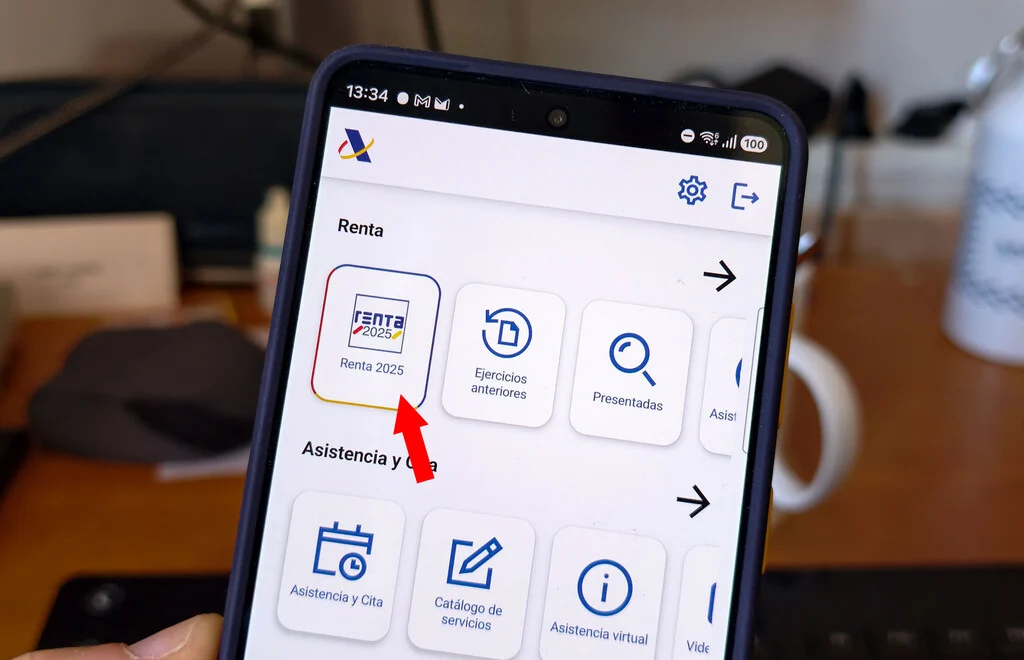

April 8th marks the pivotal start of the Renta 2025 campaign, an annual fiscal event of paramount importance for millions of taxpayers across Spain. This date signals the commencement of the period during which individuals can officially submit their income tax declarations, primarily through digital channels. For those eagerly anticipating a refund from the Spanish tax agency, Hacienda, the prompt confirmation of the draft declaration is a key step towards receiving their funds expeditiously. However, speed should not overshadow thoroughness, as taxpayers are strongly advised to meticulously review all aspects of their declaration before final submission to ensure accuracy and claim all eligible deductions. The Agencia Tributaria (AEAT) has diligently prepared for this period, updating its mobile application and digital infrastructure to streamline the process, though taxpayers should remain vigilant against potential delays in processing refunds, a common occurrence that Hacienda explicitly acknowledges.
Understanding the Annual Income Tax Declaration (IRPF)
The Impuesto sobre la Renta de las Personas Físicas (IRPF), commonly known as "La Renta," is Spain’s personal income tax, a progressive tax levied on an individual’s income over the preceding calendar year. The Renta campaign, therefore, involves declaring income earned in the previous fiscal year (for example, the Renta 2025 campaign, commencing in April 2024, pertains to income earned in 2023). This annual exercise is crucial for the nation’s public finances, serving as a primary source of government revenue that funds essential public services such as healthcare, education, and infrastructure. Over recent decades, the AEAT has progressively modernized the declaration process, shifting from predominantly paper-based submissions to a highly digitalized system. This evolution aims to enhance efficiency, reduce administrative burdens, and improve accessibility for taxpayers, with the mobile application now playing a central role in this digital transformation.
Historically, tax declarations were a cumbersome, paper-intensive process requiring physical visits to tax offices or extensive postal correspondence. The advent of the internet and subsequent mobile technologies has fundamentally transformed this landscape. The AEAT has been at the forefront of this digital shift within Spanish public administration, continuously refining its online platforms and mobile applications. This strategic move not only aligns with broader governmental efforts to embrace e-governance but also reflects a commitment to taxpayer convenience, particularly for younger generations accustomed to managing their affairs via smartphones. The digital transition has been met with generally positive reception, significantly easing the administrative load for both the tax agency and citizens.
Key Dates and Campaign Chronology for Renta 2025
The Renta 2025 campaign follows a structured timeline designed to accommodate various taxpayer needs and submission preferences. Understanding these critical dates is fundamental for efficient compliance and avoiding potential penalties:
- April 8, 2024: This is D-day for the campaign’s digital launch. From this date, taxpayers can access their draft declaration (borrador) and file their tax return online, either through the AEAT website or its mobile application. This initial phase is particularly beneficial for those with simpler tax situations or those anticipating a refund, as early submission often correlates with faster processing and receipt of funds. The immediate availability of the draft allows individuals to review their pre-filled data and submit their declaration without delay.
- May 6, 2024: For taxpayers who prefer or require assistance over the phone, the period for requesting appointments for telephone assistance begins. Concurrently, the AEAT opens its telephone service for filing tax declarations, allowing individuals to complete their submission with guidance from tax agency personnel. This option caters to those who may not be fully comfortable with digital platforms or have specific questions that require direct clarification from an agent. This service aims to bridge the digital divide and provide support to all segments of the population.
- May 29, 2024: The window for requesting in-person appointments at AEAT offices opens. This service is invaluable for taxpayers with complex declarations, those requiring personalized assistance that cannot be adequately provided over the phone, or individuals who simply prefer face-to-face interaction for their tax matters. The demand for these appointments is typically high, underscoring the importance of booking well in advance.
- June 1, 2024: In-person assistance for filing tax declarations commences at AEAT offices across the country. Taxpayers with pre-booked appointments can visit their local offices to receive direct support in preparing and submitting their returns. This hands-on assistance is often crucial for addressing intricate tax scenarios, such as those involving international income, specific business deductions, or complex family structures.
- June 26, 2024: This is a crucial deadline for taxpayers whose declarations result in a payment to Hacienda and who opt for direct debit of the payment. This early deadline ensures that the payment process can be initiated and completed smoothly. Missing this specific deadline could necessitate alternative payment methods, such as direct bank transfer or payment at a collaborating financial institution, and may incur surcharges if not managed promptly.
- July 1, 2024: The Renta 2025 campaign officially concludes. All tax declarations must be submitted by this date. Submissions made after this deadline may be subject to penalties, interest, and surcharges, regardless of whether the outcome is a refund or a payment. This absolute deadline serves as a final cut-off for compliance and is strictly enforced by the AEAT.
This meticulously planned schedule underscores the importance of proactive engagement from taxpayers to avoid last-minute rush and potential issues, ensuring a smoother and more compliant tax season.
The Central Role of the Agencia Tributaria Mobile Application
In line with the broader digital transformation of public services, the AEAT mobile application has become an indispensable tool for managing tax obligations. The Agencia Tributaria recently rolled out a significant update to its app, ensuring it is fully optimized and ready for the launch of the Renta 2025 campaign. This proactive approach by the AEAT highlights its commitment to leveraging technology for enhanced public service delivery.
- Downloading and Updating: The first essential step for any taxpayer looking to utilize this digital channel is to ensure the AEAT app is downloaded and updated to its latest version. It is readily available for both Android devices (via the Google Play Store) and iPhones (through the Apple App Store). The development team has strived for consistency, ensuring a similar user experience and interface across both platforms, minimizing any learning curve for users switching between device types. The app’s design prioritizes intuitive navigation, aiming to simplify complex tax procedures.
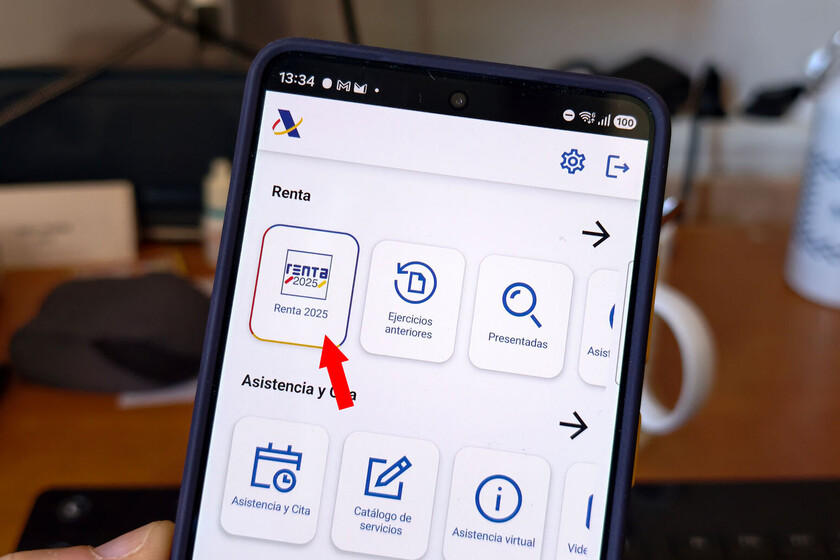
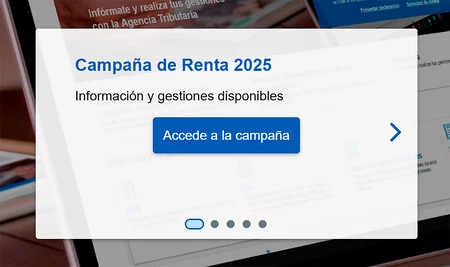
- Streamlined Access to the Renta 2025 Section: Upon launching the updated application, users will prominently see an announcement or direct link specifically for "Renta 2025." Tapping on this section initiates the declaration process, guiding the user through the necessary steps for accessing and confirming their fiscal data. This direct entry point is designed to expedite the process for taxpayers whose primary objective is to file their annual return.
- Secure Authentication Methods: Accessing sensitive tax information requires robust security protocols. The AEAT app offers several secure authentication methods, each designed to cater to different user preferences and technological capabilities, ensuring both convenience and data protection:
- Digital Certificate: Widely regarded as the most comprehensive and secure method for interacting with public administrations in Spain, the Digital Certificate (Certificado Digital) allows for unequivocal identification of the user. While obtaining and maintaining a digital certificate can sometimes be perceived as cumbersome, its utility extends far beyond the Renta campaign, enabling a wide array of online procedures with various governmental bodies. Taxpayers can often extract this certificate from their electronic DNI (DNIe) if it’s still valid, or obtain it through official channels such as the Fábrica Nacional de Moneda y Timbre (FNMT).
- DNI via NFC: For those with a DNIe and a smartphone equipped with Near Field Communication (NFC) technology, this method offers a convenient alternative. By simply placing their DNIe against the phone’s NFC reader, users can authorize direct access to the Hacienda app, bypassing the need for a separate digital certificate file. This method leverages the inherent security features of the DNIe chip, providing a quick and secure authentication process without complex passwords.
- Cl@ve PIN: Cl@ve is a unified platform for electronic identification and authentication, designed to simplify interactions with public sector entities by providing a single set of credentials. If a taxpayer has previously registered for Cl@ve PIN and has its associated application installed on their mobile device, they can use it to authorize access to their Renta 2025 data within the AEAT app. This involves a quick redirect to the Cl@ve app for authentication, typically requiring a PIN generated for a limited time, followed by a seamless return to the Hacienda application.
The AEAT strongly recommends having at least one of these secure access methods active on a mobile device, as it significantly streamlines interactions with the administration, not just for tax purposes but for numerous other public services. The digital push is a clear indication of Hacienda’s commitment to efficiency and taxpayer convenience, aiming to make tax compliance as accessible as possible.
Navigating the Draft Declaration (Borrador): A Critical Review
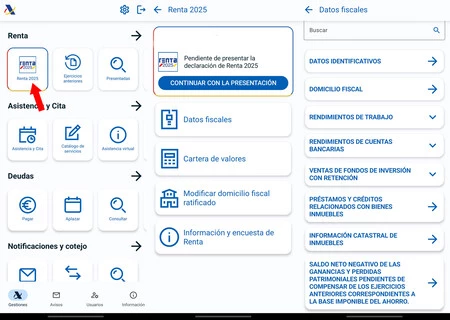
The borrador, or draft declaration, is a pre-filled tax return generated by the Agencia Tributaria based on the fiscal data it has collected from various sources throughout the year. This includes information from employers, banks, financial institutions, property registries, and other public and private entities. While the borrador serves as an excellent starting point, providing a significant convenience to taxpayers, it is imperative to understand that it is not infallible.
- The Imperative of Thorough Review: The most crucial piece of advice for any taxpayer is to meticulously review every single detail of the borrador before confirming it. Relying solely on Hacienda’s pre-filled data without personal verification can lead to errors, missed deductions, or even incorrect declarations that could result in future penalties. The responsibility for the accuracy of