


Virtual machine (VM) software for Windows represents a powerful category of applications that empowers users to create and operate multiple isolated computing environments on a single physical machine. These virtual environments, known as virtual machines, meticulously emulate a complete computer system, encompassing everything from the central processing unit (CPU) and memory to network interfaces and storage devices. This technology has become indispensable for a wide array of users, from individual developers and IT professionals to large enterprises seeking to optimize their infrastructure and streamline workflows.
At its core, VM software for Windows offers a suite of sophisticated features designed to enhance functionality and user experience. Among these are the critical capabilities to "snapshot" a VM, which effectively captures its current state, allowing users to revert to that precise moment if needed. This feature is invaluable for testing software, experimenting with new configurations, or recovering from unintended changes without affecting the host operating system.
In navigating the dynamic landscape of VM software, ServerWatch has undertaken a comprehensive evaluation of numerous market offerings to identify the most outstanding solutions for diverse use cases. This analysis has culminated in the identification of six leading VM software options for Windows, each possessing unique strengths and catering to specific user needs.
Top Virtual Machine Software for Windows: A Comparative Overview
Selecting the appropriate VM software hinges on individual requirements, whether for personal projects, academic pursuits, or the demanding environment of multi-VM server operations. The following is a concise comparison of six premier VM software solutions for Windows, highlighting their key attributes:
| Feature | Azure VM | Azure Stack HCI | VMware Workstation Pro | Citrix Hypervisor | Red Hat OpenShift Virtualization | Parallels Desktop |
|---|---|---|---|---|---|---|
| Performance & Resource Mgmt | Efficient scaling, robust cloud resource allocation | Optimized for hybrid, balanced resource utilization | High performance, advanced resource management | Ideal for large-scale enterprise environments | Designed for cloud-native environments | Optimized for Windows on Mac |
| Compatibility & System Req. | Cloud-based, wide OS support; requires connectivity | Integrated with Windows, specific hardware needed | Broad OS support | Wide hardware compatibility | Windows-dependent, primarily Linux-focused | Tailored for macOS running Windows VMs |
| Security & Isolation | Strong cloud-based security and isolation | Tailored for hybrid cloud security | Advanced security with robust isolation | High-level enterprise security | Container-based isolation and security | Good desktop-level security |
| Networking Capabilities | Extensive cloud networking, complex configurations | Optimized for hybrid cloud, integrates with Azure | Comprehensive networking features | Strong enterprise-level network configurations | Advanced Kubernetes networking | Solid desktop-level networking |
| Starting Pricing | $7.59/mo. (various plans) | $10/mo. per physical core | $199 (one-time for local virtualization) | Contact Citrix for pricing | Varies by server edition, contact Red Hat | $99.99/yr (Standard Edition) |
Azure VM: Scalable Cloud Computing Powerhouse
Best for scalable, cloud-based computing
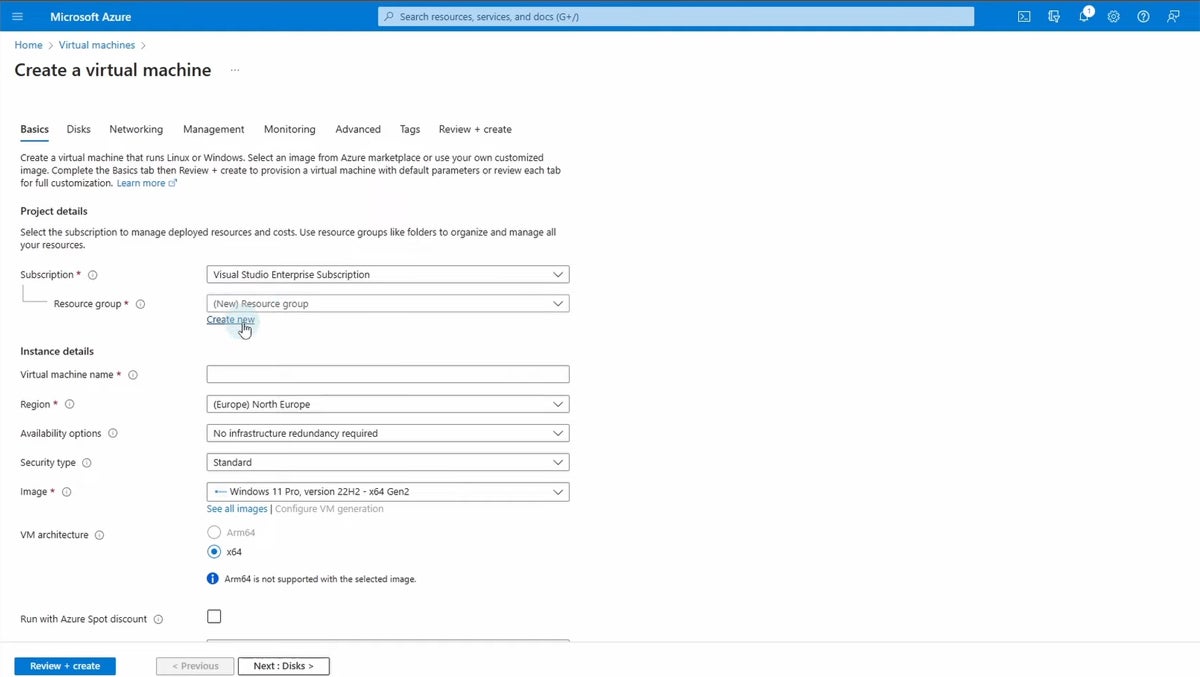
Microsoft Azure Virtual Machines (VM) stands as a cornerstone of Microsoft’s expansive Azure cloud computing service, offering highly scalable computing resources within Azure’s robust cloud environment. This platform empowers users to deploy a vast spectrum of virtual machines, catering to diverse applications such as web servers, databases, and even gaming servers.

The inherent flexibility of Azure VMs allows for the selection of a wide array of operating systems, including Windows, Linux, and others, with granular control over VM configurations to meet specific performance demands. This makes Azure VMs an exceptionally versatile solution for businesses looking to extend their IT infrastructure into the cloud, whether for development and testing, application hosting, or intensive data processing tasks. The platform’s global presence ensures high availability and disaster recovery capabilities.
Overall Rating: 4.5/5
Pricing: Starts at approximately $7.59 per month, with various pricing tiers and models available based on VM size, usage, and commitment.
Pros:
- Offers unparalleled scalability and the flexibility to choose from a vast selection of VM sizes and types.
- Provides seamless integration with other Azure services, enhancing productivity and management.
- Benefits from Microsoft Azure’s extensive global infrastructure, ensuring high availability and redundancy.
Cons:
- Costs can escalate significantly depending on configuration and usage, particularly for high-performance setups.
- The sheer breadth of options and intricate product structure can be overwhelming for beginners or smaller organizations without dedicated IT expertise.
Azure Stack HCI: Bridging Cloud and On-Premises
Best for hybrid cloud environments needing on-premises control
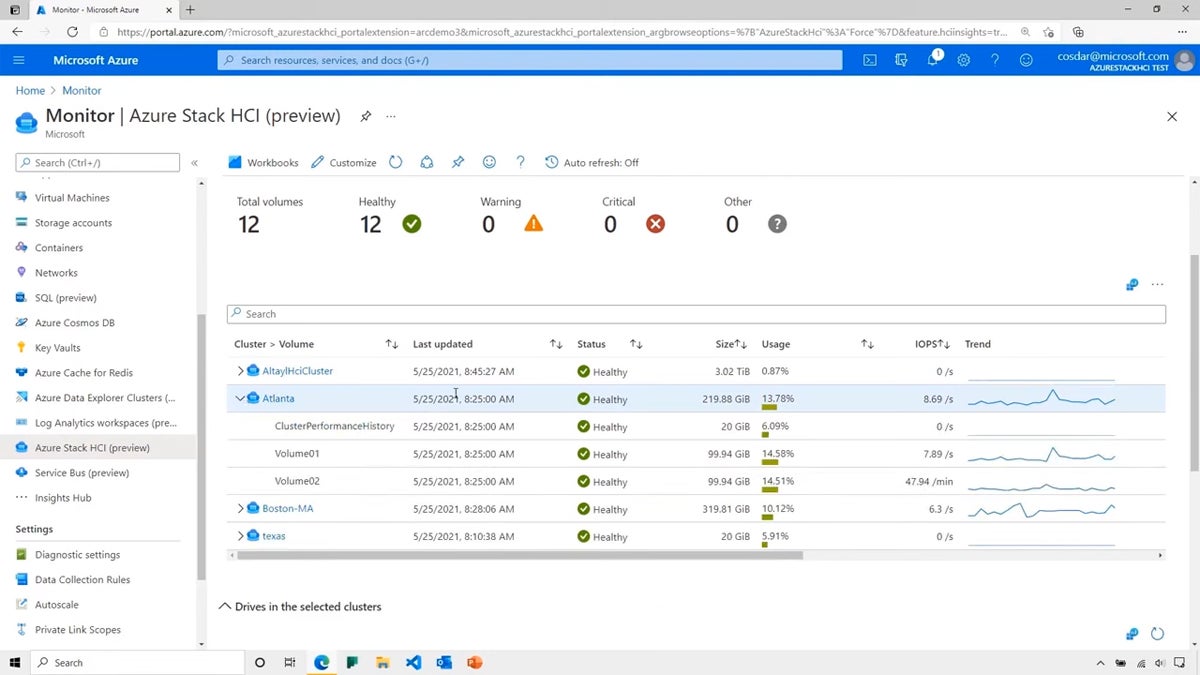
Azure Stack HCI is a hyper-converged infrastructure solution from Microsoft that ingeniously combines virtualization, storage, and networking into a highly integrated, on-premises system. Engineered to run virtualized workloads in a modernized and highly efficient manner, Azure Stack HCI extends many of Azure’s cloud capabilities directly to the organization’s data center. This makes it an exceptionally suitable solution for businesses aiming to modernize their infrastructure while retaining sensitive workloads on-premises.

The solution is particularly advantageous for enterprises that require robust hybrid solutions, blending the agility and scalability of the cloud with the stringent control and security of on-premises infrastructure. It offers a streamlined approach to managing and scaling resources and is meticulously optimized for both Windows and Linux VMs.
Overall Rating: 4.25/5
Pricing: Typically priced at $10 per month per physical core, with additional costs for Azure services.
Pros:
- Seamlessly integrates with Azure for cloud services while maintaining control over on-premises workloads.
- Offers excellent scalability and flexibility in configuring storage, compute, and networking to meet precise needs.
- Provides a unified management experience through tools like Windows Admin Center and Azure Arc.
Cons:
- The initial setup and configuration can be complex, demanding a strong understanding of both Azure and on-premises infrastructures.
- While offering a flexible pricing model, overall costs can be substantial for larger deployments.
VMware Workstation Pro: The Powerhouse for Developers and IT Professionals
Best for advanced and complex networking environments
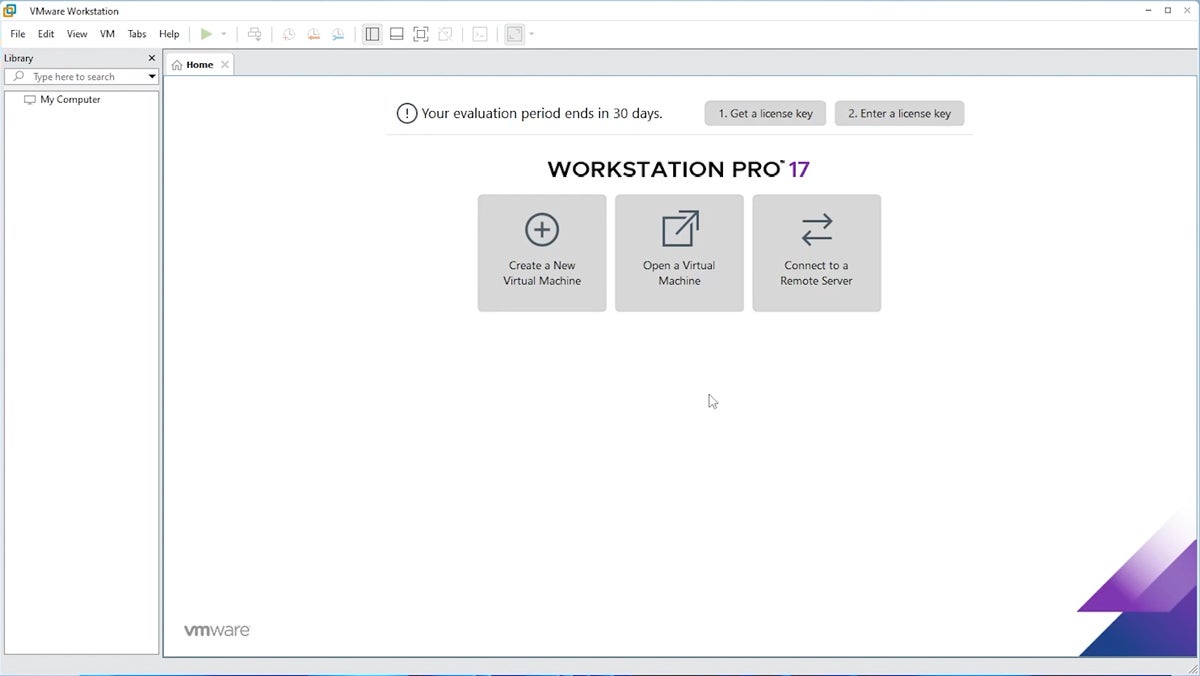
VMware Workstation Pro is a widely recognized virtualization software developed by VMware, Inc., enabling users to create and run multiple virtual machines on a single physical computer. Each VM can host its own operating system, including various versions of Windows, Linux, and other platforms, positioning it as a potent tool for developers, IT professionals, and businesses.
This solution is celebrated for its robust performance, exceptional reliability, and an extensive feature set. It is particularly adept at supporting complex networking and development environments, making it an ideal choice for testing new software, running legacy applications, or simulating intricate networked systems.
Overall Rating: 4.25/5
Pricing: Approximately $199 for perpetual local virtualization features.
Pros:
- Supports a broad spectrum of operating systems, offering significant flexibility for users.
- Includes advanced features like snapshot and clone capabilities, simplifying VM state management.
- Provides sophisticated networking features, crucial for simulating complex network environments.
Cons:
- Can be resource-intensive, especially when running multiple or demanding VMs.
- The extensive feature set may present a steeper learning curve for new users.
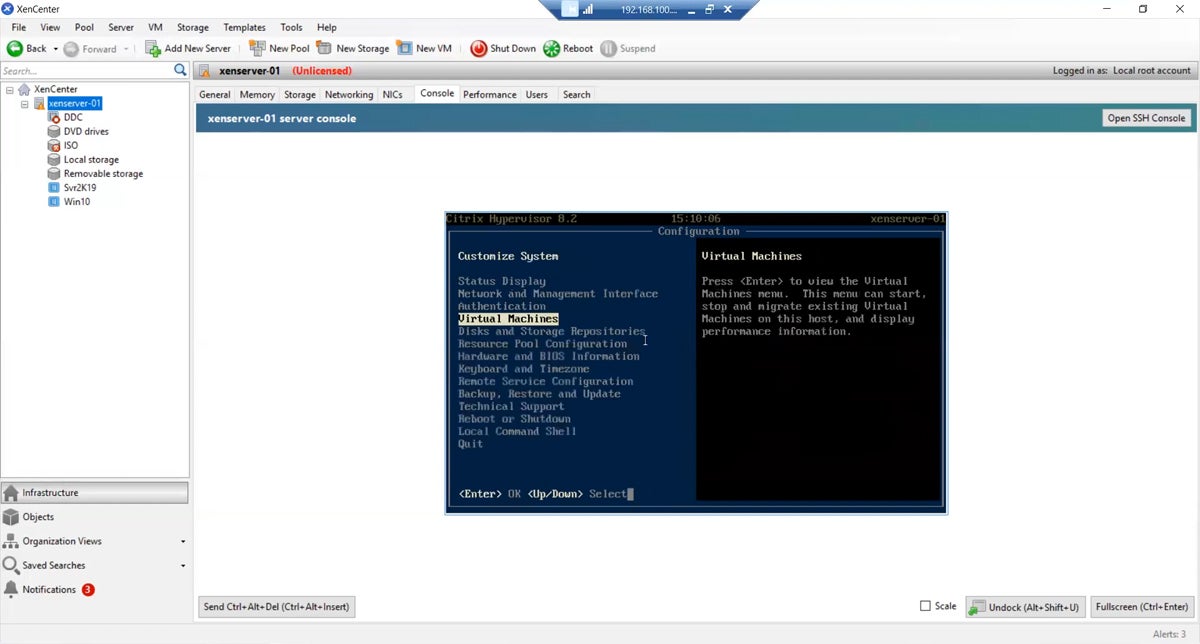
Citrix Hypervisor: Enterprise-Grade Open-Source Virtualization
Best open-source virtualization solution
Citrix Hypervisor, formerly known as XenServer, is a leading open-source virtualization management platform recognized for its efficiency in managing Windows and Linux virtual servers, making it a favored choice in enterprise settings. Citrix Hypervisor distinguishes itself through its remarkable scalability, inherent robustness, and a strong focus on server virtualization. It is particularly well-suited for cloud computing environments and large-scale virtual infrastructure deployments.
This hypervisor is lauded for its high performance, comprehensive feature set, and compatibility with a wide range of hardware and network configurations, establishing it as a preferred option for businesses seeking to optimize their virtualization strategies.
Overall Rating: 3/5
Pricing: Pricing information is available upon direct contact with Citrix, typically tailored for enterprise solutions.
Pros:
- Excellently suited for large-scale deployments, offering significant scalability options.
- Renowned for robust performance, especially in managing a high volume of virtual servers.
- Its open-source nature provides flexibility and customization for specific enterprise needs.
Cons:
- Can be complex to set up and manage, particularly for smaller businesses or those with limited IT resources.
- Primarily focused on server virtualization, it may not be the optimal choice for desktop virtualization requirements.
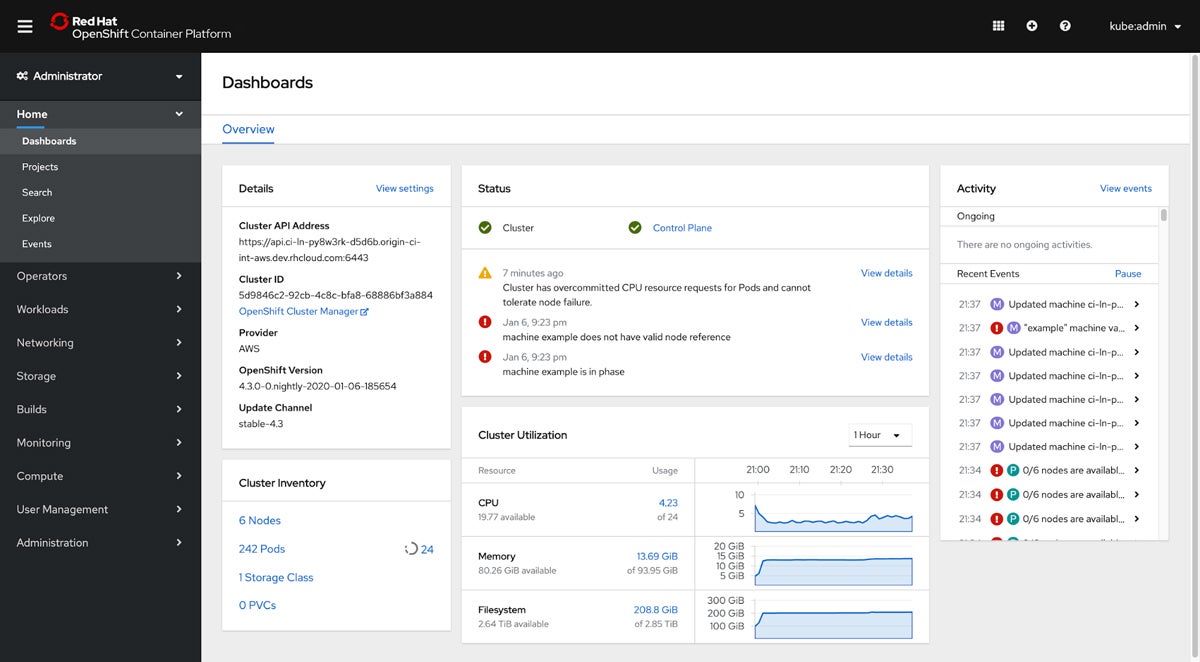
Red Hat OpenShift Virtualization: Unifying Containers and VMs
Best for running both Kubernetes containers and VMs
Red Hat OpenShift Virtualization is an integral feature of Red Hat OpenShift, a premier enterprise Kubernetes platform. It empowers users to run and manage both containerized and virtualized applications on a single, unified platform. This seamless integration facilitates the modernization of traditional applications alongside cutting-edge cloud-native applications and services.
Designed with hybrid cloud environments in mind, it offers a flexible, efficient, and cohesive platform for managing diverse workloads. Red Hat OpenShift Virtualization is particularly attractive to businesses aiming to streamline their application infrastructure, enhance agility, and transition towards a more cloud-native paradigm without discarding existing virtualized applications.
Overall Rating: 3/5
Pricing: Pricing varies significantly based on server editions and support levels; contact Red Hat for detailed information.
Pros:
- Seamlessly integrates VMs and containers, providing a consistent platform for all workload types.
- Ideal for hybrid cloud strategies, supporting both on-premises and cloud environments.
- Benefits from the robust Red Hat and Kubernetes ecosystems, offering extensive community and enterprise support.
Cons:
- Can be complex to set up and manage, requiring expertise in both Kubernetes and traditional virtualization.
- May necessitate substantial resources for optimal performance, particularly in large-scale deployments.
Parallels Desktop: The Mac User’s Windows Solution
Best for running Windows on Mac computers
Parallels Desktop is a specialized virtualization software designed for macOS, enabling users to run Windows, Linux, and other operating systems concurrently with macOS without the need for rebooting. Esteemed for its user-friendliness and seamless integration with the Mac ecosystem, Parallels Desktop is particularly popular among Mac users who require access to Windows applications or wish to test cross-platform solutions.
It stands out for its high performance, especially when running Windows applications, and offers innovative features like Coherence mode, which allows Windows applications to operate as if they were native macOS applications. This software is an excellent choice for professionals, developers, and everyday users who demand a reliable virtualization solution on their Macs.
Overall Rating: 3.5/5
Pricing: Starts at $99.99 per year for the Standard Edition, with Pro and Business editions offering advanced features at higher price points.
Pros:
- Offers features like shared folders, clipboard synchronization, and support for Mac gestures within Windows apps.
- Known for its intuitive interface, making installation and management of different operating systems straightforward.
- Excels at running Windows applications on Mac, delivering a smooth and integrated user experience.
Cons:
- While proficient with business applications, it may not be the ideal choice for high-end gaming or graphics-intensive applications.
Key Features of Virtual Machine Software for Windows
Virtual machine software for Windows is a foundational technology in modern computing, delivering unparalleled flexibility, efficiency, and a wide array of capabilities. It provides an adaptable and efficient method for running multiple operating systems, testing software, and managing servers.
Performance and Resource Management
Effective performance and resource management in VM software are paramount for maximizing efficiency while minimizing the impact on the host system. Advanced VM software dynamically allocates resources, prioritizing VMs during peak usage and scaling back during idle periods. This dynamic allocation is critical for maintaining system stability and optimal performance. Integrated performance monitoring tools provide essential insights into resource utilization, aiding in bottleneck identification and the optimization of VM settings.

Compatibility and System Requirements
The versatility of VM software is rooted in its broad compatibility with various Windows versions and diverse hardware configurations. High-end VM software supports both legacy and the latest Windows versions, ensuring extensive usability. Compatibility with different CPU architectures, such as x86 and ARM, and support for graphics technologies like Direct X and OpenGL are significant factors. The software should also efficiently handle diverse networking and storage devices and be optimized for solid-state drives (SSDs) for enhanced performance.
Usability and Management
The most effective VM software for Windows features an intuitive and user-friendly interface, making it accessible to both novice and expert users. Key functionalities include streamlined VM creation wizards, easily navigable settings, and quick access to common tasks like cloning, network configuration, and storage management. Efficient management tools for backups, snapshots, and system restores are vital for data integrity and rapid recovery from system failures.
Security and Isolation
Security is a non-negotiable aspect of VM software. Robust isolation mechanisms ensure that activities within a VM do not compromise the host system. Features such as VM encryption, secure boot options, and hardware-assisted security enhance protection against malware and other threats. Integration with enterprise-grade antivirus solutions and support for network security features like firewalls and isolated networks further bolster security.
Networking Capabilities
VM software’s networking capabilities enable complex network configurations and seamless interactions between VMs and the external network. Support for various network modes—including bridged (where the VM appears as a distinct network entity), NAT (allowing VMs to share the host’s IP address), and host-only (isolating VMs from external networks)—is crucial. Advanced features like VLAN support, network condition simulation, and bandwidth throttling are also important for testing and development environments.
Scalability and Flexibility
Scalability is essential for gracefully handling increasing workloads. VM software should allow users to effortlessly add or remove VMs and scale resources according to demand. Flexibility encompasses the ability to run a wide array of operating systems, including different Windows versions, Linux distributions, and even macOS, where permitted. Features like cloning, snapshots, and templates simplify the deployment and management of multiple VMs.
Reliability and Uptime
Reliability and uptime are critical, particularly in business contexts where downtime can incur significant costs. Features contributing to this include automated backups, ensuring data integrity, and failover capabilities, which provide continuity in the event of hardware failure. High-availability configurations, allowing VMs to run on multiple host machines, ensure that if one host fails, the VM can quickly resume operation on another.
Integration and Compatibility with Existing Infrastructure
For businesses, the seamless integration of VM software with existing infrastructure is paramount. This includes compatibility with cloud platforms, facilitating the smooth migration of VMs to and from the cloud. Support for APIs and scripting languages enables automation and integration with other IT management tools. The ability to migrate VMs across different hosts, cloud environments, and even between different VM software ensures flexibility and adaptability, safeguarding investments.
How to Choose the Best Virtual Machine Software for Windows
For businesses utilizing Windows, selecting the right VM software is a strategic decision. This guide aims to assist in evaluating and choosing the most suitable VM software for specific business needs.
Understanding Your Business Requirements
Begin by identifying the specific use cases for VM software within your business. Are you looking to test software across different operating systems, run legacy applications, or provide a secure environment for sensitive tasks? Clearly defining these requirements will help focus the selection on software that offers the necessary features. Subsequently, consider the scalability of the VM software. It must not only meet current needs but also accommodate future growth, including supporting more VMs, integrating additional hardware, or scaling for more intensive workloads.
Evaluating Key Features
Leverage the insights on key features to align with your business requirements. Many vendors offer trial versions or demo installations, allowing for hands-on testing of core functionalities.
Key Capabilities to Evaluate:
- Performance: Assess resource allocation efficiency, speed, and responsiveness.
- Compatibility: Verify support for your Windows version and hardware.
- Ease of Use: Evaluate the intuitiveness of the interface and management tools.
- Security: Examine encryption, isolation, and integration with security solutions.
- Networking: Check for robust and flexible networking options.
- Scalability: Ensure it can grow with your business needs.
- Reliability: Look for stability and uptime guarantees.
- Support: Determine the availability and quality of customer support.
Support and Reliability
Reliable and accessible support is essential, particularly in scenarios requiring rapid troubleshooting to prevent or minimize downtime. Businesses should seek vendors offering comprehensive support through various channels, including phone, email, live chat, and extensive online resources. The software’s history of reliability, often gauged through user reviews and industry reports, is also a critical factor. Features like automated backups and failover capabilities are indicative of robust reliability.
How We Evaluated Virtual Machine Software for Windows
Our evaluation process for VM software was meticulously designed, focusing on critical aspects essential for business operations. Each feature was assigned a weight based on its importance and impact on overall performance, usability, and security.
Features – 50%
Performance and Resource Management – 10%
This critical aspect was weighted highest, assessing the VM software’s efficiency in allocating and managing system resources such as CPU, memory, and storage. Dynamic resource scaling and load balancing capabilities were scrutinized. Software demonstrating superior performance, minimal latency, and the ability to handle intensive tasks seamlessly received high scores.

- Criterion Winner: VMware Workstation Pro
Compatibility and System Requirements – 7.5%
We evaluated compatibility with various Windows versions and the range of hardware configurations supported. Software exhibiting broader compatibility and lower hardware resource requirements scored higher, reflecting its versatility and ease of integration.
- Criterion Winner: VMware Workstation Pro
Usability and Management – 7.5%
The ease of installation, intuitiveness of the user interface, and simplicity of routine management tasks were assessed. Software offering a more intuitive experience and comprehensive management tools received higher scores.
- Criterion Winners: VMware Workstation Pro, Parallels Desktop
Security and Isolation – 7.5%
Robust security features, such as encryption and firewall options, and the level of isolation between VMs were closely examined. Software exhibiting strong security measures and isolation capabilities received higher scores.
- Criterion Winners: VMware Workstation Pro, Citrix Hypervisor, Azure VM
Networking Capabilities – 5%
This included the software’s ability to configure and manage different network types and its efficiency in handling network traffic. VM software offering flexible and high-performance networking options scored better.
- Criterion Winner: VMware Workstation Pro
Scalability and Flexibility – 5%
We assessed how well the VM software could scale with growing business needs and its flexibility in terms of customizable configurations. Software that efficiently handled an increasing number of VMs without performance degradation scored higher.
- Criterion Winner: Azure VM, Citrix Hypervisor
Reliability and Uptime – 5%
Reliability was assessed by examining the software’s stability, frequency of crashes, and uptime guarantees. VM software demonstrating high reliability and consistent performance scored higher.
- Criterion Winner: VMware Workstation Pro, Azure VM
Integration and Compatibility with Existing Infrastructure – 2.5%
We evaluated how seamlessly the VM software integrates with existing IT infrastructure and its compatibility with other systems. Software that easily integrated with a broad range of existing systems received higher scores.
- Criterion Winner: Azure VM
Cost – 25%
Cost assessment considered not only pricing but also price transparency, sales contact channels, and bundle customizability.
- Criterion Winners: Azure VM, Azure Stack HCI
Support – 25%
The availability and quality of support were evaluated, ranging from phone, email, and chat to internal knowledge bases and forums.
- Criterion Winners: Azure VM, Azure Stack HCI, Red Hat OpenShift
Frequently Asked Questions (FAQs)
What is Virtual Machine Software, and Why Would I Need It for Windows?
Virtual machine (VM) software is a tool that allows you to create and operate multiple isolated computing environments, or "machines," on a single physical hardware system. This capability is particularly useful in a Windows environment for:
- Testing and Development: Safely test new software, operating systems, or configurations without risking your primary system.
- Running Legacy Applications: Execute older software that may not be compatible with current Windows versions.
- Security: Isolate potentially risky applications or browse the web in a sandboxed environment.
- Server Consolidation: Reduce hardware costs and energy consumption by running multiple server instances on a single machine.
- Education and Training: Learn about different operating systems or network configurations in a controlled environment.
Is Virtual Machine Software Compatible with All Versions of Windows?
Modern VM solutions like VMware Workstation, Microsoft Azure VM, and Citrix Hypervisor typically support the latest Windows versions, including Windows 10, Windows 11, and Windows Server editions. However, compatibility with older Windows versions may be limited. It is crucial to check the specific system requirements of each VM software, as some may necessitate Windows Server or Windows Professional editions.
What is Microsoft Hyper-V and Why Wasn’t It Included?
Microsoft Hyper-V is a virtualization platform that enables users to create and manage VMs on x86-64 systems running Windows. While it’s a powerful solution integrated within the Windows ecosystem, Microsoft has announced significant changes regarding its future. Mainstream support for Hyper-V Server 2019, the last iteration, is ending, with Microsoft guiding customers toward Azure Stack HCI as a modern alternative that integrates cloud capabilities with on-premises infrastructure. This strategic shift influenced its exclusion from this particular comparative review, which focused on commercially available, broadly adopted solutions for diverse user needs.
Bottom Line: Making an Informed Choice in Virtual Machine Software for Windows
Whether for professional development, testing applications across diverse operating systems, consolidating hardware resources, or educational purposes, VM software provides an indispensable toolset for maximizing efficiency and productivity. The key to successfully leveraging this technology lies in selecting the right software that aligns with your specific requirements.
Factors such as compatibility with your Windows version, intended purpose, system requirements, desired features, and budget must be carefully weighed to ensure a solution that meets current needs and accommodates potential future demands. Understanding the balance between usability, performance, security, and integration capabilities is crucial for a seamless and productive virtualization experience.

For robust data protection, ensuring your VMs are fully backed up against data loss, theft, or damage is paramount. ServerWatch also reviews the best VM backup software to help maintain business continuity.