
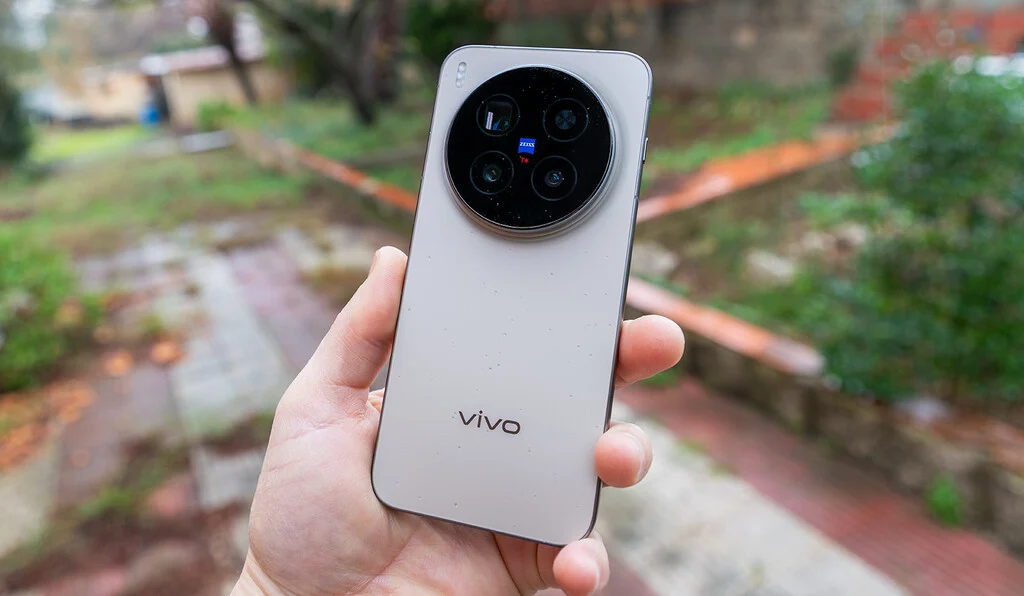

The Vivo X300 series has not only cemented its reputation as a formidable mobile camera platform but has also ignited a crucial conversation within the smartphone industry regarding battery technology and device longevity. At the heart of this discussion is Vivo’s unprecedented decision to offer a five-year warranty on the silicon-carbon batteries integrated into its X300 devices in select European markets, such as Austria. This bold move directly addresses a long-standing point of contention surrounding advanced battery components: their perceived degradation rate and whether they can truly endure the projected lifespan of modern smartphones, especially as software support cycles extend. Vivo’s proactive stance aims to assuage consumer fears and challenge industry norms, effectively laying down a gauntlet for its competitors.
Unpacking the Science: Silicon-Carbon Batteries Explained
At its core, the advancement in battery technology seen in the Vivo X300 series hinges on a fundamental shift in the anode material. While silicon-carbon batteries operate on the same electrochemical principles as traditional lithium-ion batteries, the crucial distinction lies in the anode’s composition. In conventional lithium-ion cells, the anode is predominantly made of graphite. Silicon-carbon batteries, however, replace this graphite with a composite material primarily comprising silicon and carbon. This substitution is not arbitrary; silicon boasts a significantly higher theoretical energy storage capacity—up to ten times that of graphite per unit mass. This translates directly into higher energy density, allowing manufacturers to pack more power into a smaller volume, or conversely, achieve greater capacity within the same form factor.
However, this advantage comes with a well-documented physical challenge. When silicon absorbs lithium ions during charging, it undergoes a volumetric expansion, potentially swelling up to three times its original size. This repeated expansion and contraction during charge-discharge cycles puts immense mechanical stress on the battery structure, leading to quicker degradation and potential structural integrity issues over time. The carbon component in the silicon-carbon composite plays a vital role in mitigating this problem. It acts as a buffer, helping to stabilize the silicon particles and accommodate some of the volumetric changes, thereby enhancing the battery’s cycle life compared to pure silicon anodes. Despite these advancements, the inherent stress from silicon’s expansion means that, objectively, early generations of silicon-carbon batteries have historically been considered less durable than their purely graphite-anode counterparts, particularly under conditions of high temperature or aggressive charging cycles. This perceived vulnerability has been a primary reason for the industry’s cautious adoption of the technology.
The Global Adoption Divide: East vs. West
The landscape of silicon-carbon battery adoption presents a stark geographical dichotomy. In the competitive high-end smartphone market of China, this technology has rapidly become a de facto standard. A significant number of prominent Chinese manufacturers have embraced silicon-carbon batteries to deliver larger capacities and longer battery life within increasingly sleek device designs. Brands like Vivo itself, alongside Honor (which was among the pioneers in incorporating silicon-carbon technology), OPPO, OnePlus, Xiaomi, and even Motorola under Lenovo’s stewardship, have integrated these advanced power cells into their flagship offerings. This widespread adoption underscores a strategic focus on maximizing battery performance and device autonomy, key selling points in the Asian market.
Conversely, major Western smartphone players, notably Apple, Samsung, and Google, have conspicuously refrained from incorporating silicon-carbon batteries into their current or announced future smartphone lineups. While these companies have not publicly articulated their specific reservations, the prevailing industry consensus, corroborated by numerous leaks and expert analyses, points to the long-term degradation concerns associated with silicon-carbon technology and the risk of silicon swelling as primary deterrents. These manufacturers, often prioritizing established reliability and consistent performance across vast global user bases, appear to be waiting for further maturation of the technology, particularly concerning its long-term stability and safety profiles, before committing to its widespread deployment. This cautious approach highlights the delicate balance between pushing technological boundaries and ensuring consumer trust and product longevity.
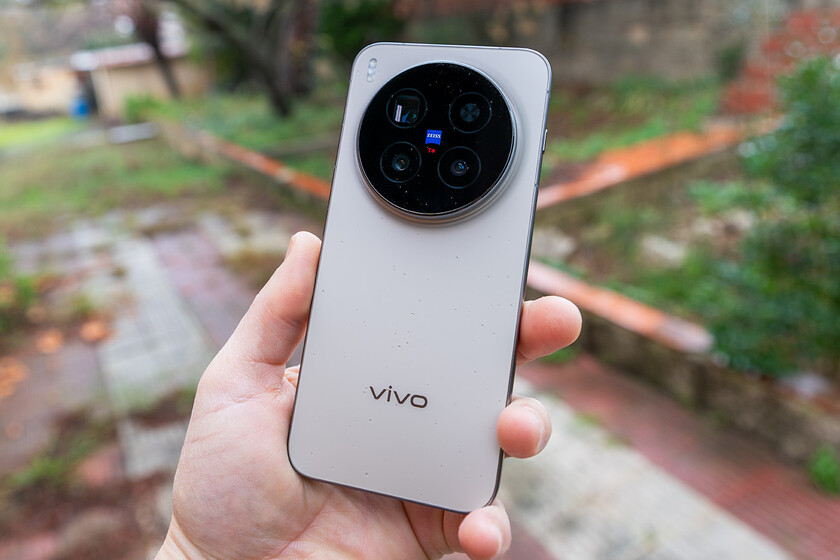
Vivo’s Definitive Stance: A Five-Year Commitment
In an era where smartphone manufacturers are increasingly extending software update guarantees—with some brands now promising up to seven years of Android updates—the longevity of physical components, especially the battery, becomes paramount. A device rendered unusable by a failing battery long before its software support expires represents a significant flaw in the product lifecycle. Vivo’s five-year warranty for the silicon-carbon batteries in its X300 Pro and related models directly addresses this discrepancy, particularly in certain European markets like Austria.
This warranty is a substantial commitment, signaling Vivo’s profound confidence in the durability and reliability of its silicon-carbon battery technology. It serves as a powerful endorsement of the advancements made in mitigating the historical drawbacks of silicon-carbon. However, the warranty, like most such agreements, comes with specific conditions designed to ensure proper usage and care. While the exact detailed terms may vary by region, common stipulations typically include:
- Usage of Authorized Chargers: The device must be charged using only Vivo-approved chargers and cables. Given that many Vivo X300 models might not include a charger in the box, users relying on older or third-party adapters risk voiding their warranty if such accessories are deemed to have contributed to battery degradation. This condition emphasizes the importance of compatible charging protocols and power delivery to maintain battery health.
- Adherence to Charging Best Practices: Users are expected to follow recommended charging practices, avoiding extreme temperatures or prolonged periods at 0% or 100% charge, which can accelerate battery wear.
- Absence of Physical Damage: The warranty typically excludes batteries that have suffered damage due to accidents, misuse, unauthorized repairs, or tampering.
- Service Assessment: Vivo retains the right to assess the battery’s condition and determine whether the degradation falls within acceptable parameters for a warranty claim. This allows the company to differentiate between normal wear and tear and premature failure due to manufacturing defects or unforeseen issues.
This unprecedented guarantee not only offers peace of mind to consumers but also exerts pressure on the broader industry. It transforms a perceived weakness of silicon-carbon technology into a competitive advantage for Vivo, forcing competitors to re-evaluate their own battery strategies and warranty offerings.
Implications for Consumers, Competition, and Sustainability
Vivo’s five-year battery warranty carries multifaceted implications for various stakeholders within the smartphone ecosystem.
For Consumers: The most immediate benefit is enhanced consumer confidence. Battery degradation is a leading cause of smartphone obsolescence, often forcing users to replace devices that are otherwise still functional. A five-year warranty directly addresses this pain point, offering assurance that the device’s most critical consumable component will maintain satisfactory performance for a significant portion of its expected lifespan. This could influence purchasing decisions, with consumers potentially favoring brands that offer such robust guarantees, especially given the rising cost of flagship smartphones. It also aligns with growing consumer demand for more sustainable and longer-lasting electronics.
For Industry Competition: Vivo’s move could trigger a ripple effect across the smartphone industry. Other manufacturers, particularly those in the high-end segment, may feel compelled to match or exceed Vivo’s warranty terms to remain competitive. This could lead to an industry-wide re-evaluation of battery technology, manufacturing processes, and quality control. Brands that have traditionally hesitated to adopt silicon-carbon might accelerate their research and development in this area, seeking to overcome the perceived longevity challenges to offer similar guarantees. This competitive pressure could ultimately drive innovation in battery science and product design, pushing for more durable and efficient power solutions.
For Sustainability and the Environment: In a broader context, longer battery lifespans directly contribute to environmental sustainability. Extending the usable life of smartphones reduces electronic waste (e-waste) and the demand for new device production, which in turn lessens the environmental impact associated with manufacturing and resource extraction. As governments and consumers increasingly demand more eco-friendly products, companies offering extended warranties on key components like batteries will gain a significant advantage in the growing market for sustainable electronics. This aligns with global efforts to promote a circular economy model.
The Broader Context: Device Longevity and Repairability
Vivo’s warranty decision is not an isolated event but rather fits into a larger industry trend towards extending the overall longevity of mobile devices. With major players like Google, Samsung, and Honor now offering seven years of software updates for their flagship Android phones, the physical durability of the hardware, particularly the battery, becomes a critical bottleneck. A phone receiving updates for seven years but suffering from severe battery degradation after three or four years represents a broken promise of longevity.
This movement also intertwines with the "right to repair" movement, which advocates for easier and more affordable repairs for consumer electronics. While a warranty typically covers replacement by the manufacturer, the underlying principle of extending component life aligns with the goal of making devices last longer and be more repairable. If batteries are designed and guaranteed to last longer, the frequency of replacements might decrease, but when they do need replacing, the expectation for a repairable and accessible service becomes more pronounced.
Challenges and the Future Outlook
Despite Vivo’s confident stride, challenges for silicon-carbon technology and its widespread adoption remain. While the five-year warranty is a strong statement, the underlying physical properties of silicon still pose engineering hurdles. Ongoing research is focused on developing new binders, electrolyte additives, and cell architectures to further mitigate silicon expansion, improve cycle life, and enhance safety. The industry also needs to establish standardized testing protocols to objectively compare the long-term performance and degradation rates of different battery chemistries.
The responsibility for battery longevity also extends to the user. Proper charging habits—avoiding extreme temperatures, not consistently charging to 100% or draining to 0%, and using appropriate chargers—can significantly impact a battery’s lifespan, regardless of its chemistry. Vivo’s warranty conditions subtly reinforce this, placing some onus on the consumer for responsible device care.
Ultimately, silicon-carbon battery technology appears destined to become a pervasive standard. The significant advantages in energy density and capacity are too compelling for manufacturers to ignore in the quest for ever-thinner devices with longer battery life. Vivo has taken a pioneering step by attaching a concrete, legal commitment to this technology, moving beyond silent adoption to a public guarantee. This bold move will undoubtedly force a reckoning within the industry, compelling competitors to either match Vivo’s confidence or publicly articulate their alternative strategies for ensuring long-term battery performance. The coming years will reveal whether Vivo’s gamble pays off, setting a new benchmark for smartphone longevity and consumer trust.