
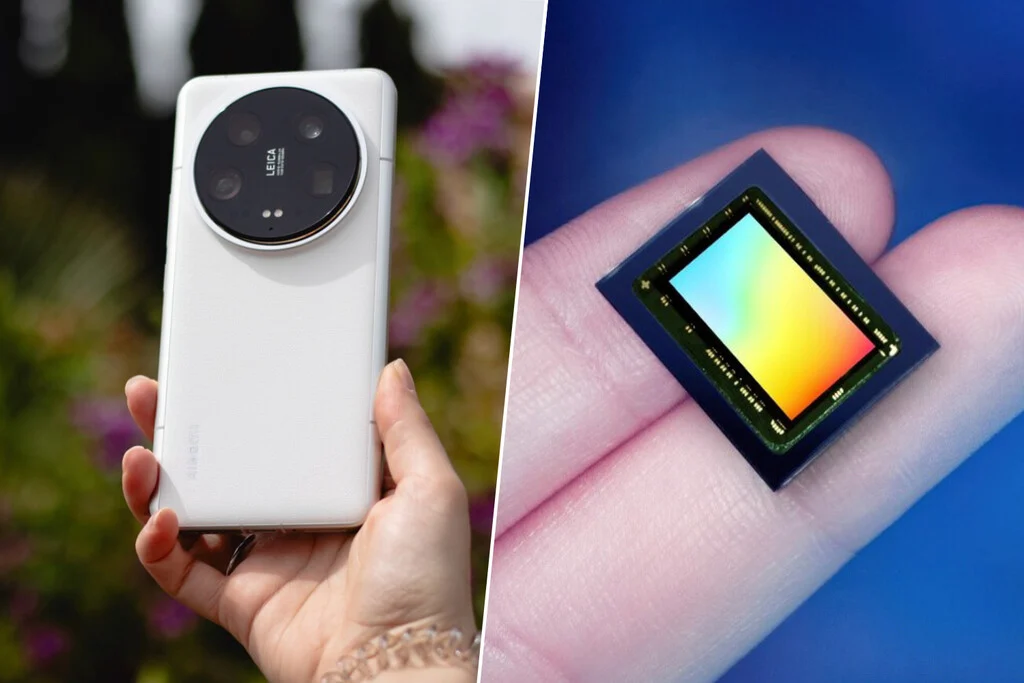

The year 2026 is rapidly emerging as a pivotal milestone on Xiaomi’s calendar, marking a significant acceleration in the company’s "Great Convergence" strategy. This ambitious roadmap, orchestrated by founder Lei Jun, aims to achieve unprecedented levels of technological self-sufficiency, reducing reliance on external suppliers across critical components. While much of the initial focus has been on developing proprietary chipsets like the XRING 01 and the burgeoning hyperconnected ecosystem, new intelligence from China indicates a decisive shift in the company’s mobile camera supply chain, with the forthcoming Xiaomi 18 Pro series poised to feature advanced sensors from domestic manufacturer SmartSens. This strategic pivot signals a bolder move towards independence, mirroring a path previously trodden by its national competitor, Huawei, and setting the stage for a new era of "Made in China" innovation in flagship smartphones.
The Strategic Shift: From Global Giants to Domestic Innovation
For years, the mobile industry has largely relied on a handful of dominant players for advanced camera sensors, with Sony and Samsung traditionally holding commanding positions in the high-end segment. Xiaomi, like many other smartphone manufacturers, has historically been a significant client of these global leaders. However, recent developments suggest a calculated divergence from this long-standing dependency. A nascent trend was observed with the Xiaomi 17 Ultra, which incorporated an Omnivision sensor for its telephoto lens, hinting at a diversification strategy. The latest leaks, originating from reliable Chinese sources, now confirm a far more comprehensive reorientation for the highly anticipated Xiaomi 18 Pro.
This flagship device, expected to launch in 2026, is rumored to break decisively from Sony and Samsung, instead embracing SmartSens, a Chinese company that has recently garnered considerable attention for its collaboration with Huawei on the acclaimed Pura 80 Ultra. This move is not merely a supplier change; it represents a strategic declaration of intent, underscoring Xiaomi’s commitment to fostering a robust domestic supply chain and reducing vulnerability to geopolitical and economic pressures that have increasingly shaped the global tech landscape.
Unveiling the Xiaomi 18 Pro’s Photographic Powerhouse
The hardware specifications emerging for the Xiaomi 18 Pro’s camera system are impressive and indicative of a serious play for photographic excellence. The primary sensor is anticipated to be a 200-megapixel unit from SmartSens, featuring a substantial 1/1.28-inch optical format. This dimension places it firmly in the league of high-performance mobile camera sensors, traditionally dominated by Japanese and South Korean manufacturers. The sheer resolution, combined with its physical size, suggests a strong emphasis on detail capture and low-light performance.
Crucially, the new SmartSens sensor is expected to integrate LOFIC (Lateral Overflow Integration Capacitor) technology. While technical explanations can be complex, LOFIC is designed to dramatically enhance a sensor’s dynamic range and detail preservation, particularly in challenging lighting conditions. Unlike traditional HDR techniques that often combine multiple exposures, LOFIC allows for an exceptional dynamic range to be captured within a single exposure. This could translate into significantly improved image quality, especially in scenes with high contrast, such as bright skies and deep shadows, without the artifacts sometimes associated with multi-frame HDR processing. The potential inclusion of LOFIC technology underscores SmartSens’s growing technological sophistication and its ability to compete with established giants, a capability that was once rumored to be a focus for Apple’s own proprietary sensor development.
Modular Optics and Uncompromised Performance
Beyond the primary sensor, the Xiaomi 18 Pro series is also rumored to push the boundaries of mobile photography through the introduction of modular optics. The leak suggests a magnetic attachment system, a concept Xiaomi has explored in the past, allowing users to physically attach external lenses such as teleconverters or specialized filters directly to the phone’s rear camera module. This innovative approach aims to bridge the gap between the convenience of smartphone photography and the versatility of traditional DSLR or mirrorless cameras, offering photographers unprecedented creative control and flexibility. This modular system would reportedly be complemented by the secondary rear display, a feature that debuted on the Xiaomi 17 Pro, enhancing the user experience for selfie-taking or framing with the main cameras.
Despite the profound shift in camera sensor strategy, the Xiaomi 18 Pro is expected to maintain its commitment to top-tier performance by continuing its partnership with Qualcomm for the main processing unit. The device is slated to feature the Snapdragon 8 Elite Gen 6, the latest flagship SoC from the American chipmaker. This ensures that the phone will deliver cutting-edge processing power, graphical capabilities, and 5G connectivity. The Snapdragon 8 Elite Gen 6 will likely be paired with up to 16 GB of RAM and 1 TB of internal storage, cementing the 18 Pro’s position as a powerhouse device capable of handling the most demanding applications and multitasking scenarios. This dual strategy – embracing domestic components where possible while leveraging established global leaders for core performance – highlights a pragmatic approach to achieving independence without sacrificing competitive edge.
The "Great Convergence" and Xiaomi’s Quest for Autonomy
The integration of SmartSens sensors into Xiaomi’s flagship lineup is a direct manifestation of the company’s broader "Great Convergence" strategy, a long-term vision articulated by Lei Jun. This strategy is fundamentally about reducing Xiaomi’s reliance on external supply chains and building a more robust, self-sufficient ecosystem. The effort spans multiple domains, from the development of proprietary chips to establishing tighter control over manufacturing processes and cultivating a vibrant software ecosystem around its HyperOS.
The journey towards chip independence began with the XRING 01, a processor that demonstrated Xiaomi’s capability to rival established players like Apple and Qualcomm in certain segments. This initial success has spurred further investment, with the company reportedly working on its second-generation chip, the XRING 02, indicating a sustained commitment to this highly capital-intensive and technologically challenging endeavor. Xiaomi has reportedly invested billions in its chip R&D, signaling the strategic importance of this vertical integration. The 2026 timeline for the "Great Convergence" suggests that this year will see several of these strategic initiatives come to fruition, with the camera sensor shift being a prominent example.
This quest for autonomy is not unique to Xiaomi; it reflects a broader trend within China’s technology sector, driven by a desire for national technological sovereignty and resilience against potential external disruptions. The experience of Huawei, which faced severe restrictions on accessing critical US technologies and components, serves as a stark reminder of the vulnerabilities inherent in a globally interconnected supply chain. While Xiaomi has not faced similar sanctions, the lessons learned from Huawei’s predicament have undoubtedly influenced its strategic planning, prompting a proactive move towards greater self-reliance.
SmartSens: A Rising Star in China’s Semiconductor Landscape
SmartSens Technology, founded in 2011, has rapidly emerged as a key player in China’s image sensor market. Initially known for its work in surveillance and automotive cameras, the company has increasingly pushed into the high-end mobile segment. Its collaboration with Huawei on the Pura 80 Ultra’s camera system was a significant breakthrough, demonstrating its ability to deliver competitive performance against established leaders. The Pura 80 Ultra, despite geopolitical challenges, garnered critical acclaim for its photographic capabilities, largely thanks to the advanced sensor technology provided by SmartSens.
This partnership provided SmartSens with invaluable experience in developing sensors for premium smartphone applications and validated its technological prowess on a global stage. Xiaomi’s decision to partner with SmartSens for its own flagship, the Xiaomi 18 Pro, is a testament to the Chinese company’s rapid advancements and its potential to become a formidable competitor to Sony and Samsung. For SmartSens, this represents a massive opportunity to significantly expand its market share and cement its position as a leading supplier for high-end mobile photography.
Implications and Broader Impact
The ramifications of Xiaomi’s strategic shift are multifaceted, impacting not only the company itself but also the broader global mobile component market and the dynamics of technological competition.
For Xiaomi:
- Reduced Supply Chain Risk: Decreasing reliance on a few dominant foreign suppliers mitigates risks associated with geopolitical tensions, trade disputes, or unforeseen production disruptions.
- Cost Control and Innovation: Greater control over the supply chain can lead to better cost management and potentially foster more rapid, tailored innovation. Xiaomi can work more closely with SmartSens to co-develop features specific to its devices.
- Brand Differentiation: Emphasizing "Made in China" components, particularly in a high-profile area like camera technology, can resonate with a domestic audience and project an image of technological leadership.
- Quality and Consistency Challenges: The transition may pose challenges in ensuring consistent quality and scaling production to meet global demand, given the maturity and experience of incumbents like Sony.
For the Global Mobile Component Market:
- Increased Competition: SmartSens’s ascendancy, backed by Xiaomi’s volume, will intensify competition in the high-end image sensor market, potentially driving down prices and accelerating innovation across the board.
- Diversification of Supply Chains: Other smartphone manufacturers, particularly those in China, may observe Xiaomi’s success and consider diversifying their own supply chains towards domestic alternatives, further empowering Chinese component manufacturers.
- Impact on Sony and Samsung: While unlikely to completely displace them overnight, the loss of a major client like Xiaomi for flagship models could impact Sony and Samsung’s market share and revenue in the long term, prompting them to further innovate.
For China’s Tech Ambitions:
- Technological Sovereignty: This move reinforces China’s broader objective of achieving technological self-sufficiency, particularly in critical areas like semiconductors and advanced components.
- Government Support: The shift is likely to be viewed favorably by the Chinese government, which has actively promoted domestic innovation and vertical integration within its technology sector.
The Xiaomi 18 Pro, while maintaining its Qualcomm heart for raw processing power, sends an unambiguous message through its choice of camera sensor. It signifies Xiaomi’s determined progression towards an era of reduced dependence on foreign hardware. This strategic alignment with SmartSens, reminiscent of Huawei’s successful pivot, is poised to reshape mobile photography, not just for Xiaomi, but potentially for the entire industry. As 2026 approaches, the tech world will be watching closely to see how this ambitious "Great Convergence" unfolds and what new benchmarks Xiaomi sets in its journey towards greater independence and innovation.