
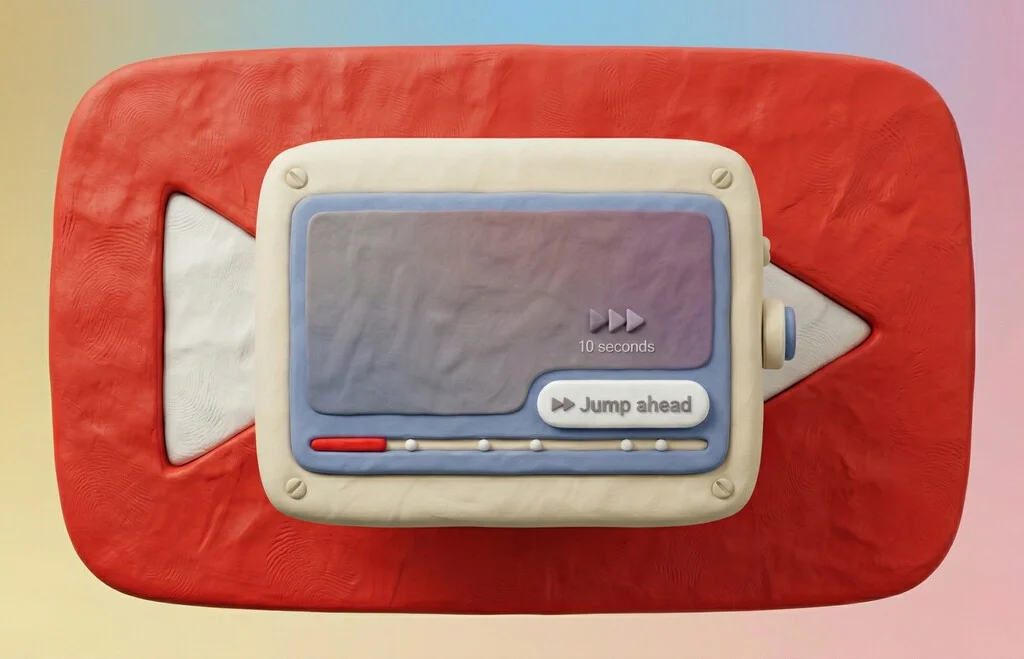

The digital content landscape has been irrevocably reshaped by the ubiquity of video platforms, with YouTube standing as an undisputed titan. However, the experience of navigating this vast ocean of content has become increasingly fraught for non-subscribers, prompting a significant strategic pivot from Google. The company’s recent aggressive tactics, aimed at compelling users towards its premium offering, have culminated in a stark reality: for many, an ad-free and seamless YouTube experience is now inextricably linked to a Premium subscription. Amidst this intensified drive, a less-publicized but profoundly impactful feature, "Adelantar" (known as "Jump Ahead" in English), has emerged as a cornerstone of the Premium value proposition, offering an unprecedented level of ad eradication that extends even to creator-embedded sponsorships. This sophisticated tool leverages artificial intelligence and granular audience data to elevate the Premium experience beyond mere ad-blockage, establishing a new benchmark for user control over content consumption.
The Evolving Battleground: YouTube’s Strategic Push for Premium
For years, YouTube operated on a largely ad-supported model, offering free access to billions of videos. However, as the platform matured and competition intensified, particularly from short-form video apps and subscription-based streaming services, Google initiated a systematic campaign to bolster its YouTube Premium subscriber base. This strategic shift is rooted in several factors: the pursuit of more stable, predictable revenue streams less susceptible to economic fluctuations affecting advertising budgets, the drive to enhance user experience for paying customers, and the need to differentiate YouTube from its free counterparts. With over 2.7 billion monthly active users globally, even a small conversion rate to Premium represents a substantial revenue opportunity, vital for sustaining infrastructure and creator payouts.
The chronology of this aggressive push reveals a calculated escalation:
- Late 2023 – The Ad-Blocker Crackdown: Google launched a widespread, global offensive against ad-blocking software. Users employing ad blockers began encountering persistent pop-up messages, video playback interruptions, and outright blocking of content until ad blockers were disabled or an exception for YouTube was made. This move, which drew considerable user backlash and sparked a digital "arms race" between Google and ad-blocker developers, involved sophisticated server-side detection mechanisms and JavaScript obfuscation, effectively rendering many popular ad blockers ineffective on the platform. Google justified these actions by asserting the necessity of advertising to support creators and maintain the platform’s free access, simultaneously promoting Premium as the legitimate ad-free alternative. Estimates from various tech publications suggested that ad-blocker usage on YouTube, prior to the crackdown, accounted for hundreds of millions of dollars in lost ad revenue annually.
- Early 2024 – Quality of Life Degradations (Reported): While not uniformly confirmed as a global rollout or permanent policy, reports emerged of YouTube testing or implementing subtle degradations in the non-Premium user experience. This included, for some users, a perceived reduction in the default playback quality for 1080p videos, making the higher-fidelity viewing a more noticeable perk of Premium. Such tactics, if implemented broadly, serve to gently nudge users towards the paid tier by making the free experience incrementally less appealing. Though Google typically frames such tests as performance optimizations, the timing coincided with its broader Premium strategy.
- Mid-2024 – Blocking Background Playback on Mobile Browsers: A significant blow to non-Premium users was the effective blockage of a long-standing workaround: playing YouTube videos in the background on mobile devices via web browsers. Previously, users could open YouTube in a mobile browser, start a video, and then switch to another app or turn off their screen, allowing the audio to continue playing. This capability, a core feature of YouTube Premium, was systematically disabled for non-subscribers, thereby eliminating a popular method for consuming content (especially music or podcasts) while multitasking or conserving battery. This move underscored Google’s determination to reserve key convenience features exclusively for its paying subscribers, directly addressing a common method users employed to circumvent Premium’s value proposition.
These actions collectively paint a clear picture: Google is committed to making the ad-supported, non-Premium YouTube experience increasingly frustrating, positioning Premium not just as an enhancement, but as the sole viable path to an unhindered viewing experience. This strategy aligns with broader industry trends where major content platforms are increasingly segmenting their offerings, pushing for subscription revenue as a primary driver of growth and profitability. Google’s quarterly earnings reports frequently highlight the growth in YouTube Premium subscriptions as a key performance indicator, signaling the success of this multi-pronged approach. For instance, Alphabet (Google’s parent company) has consistently reported robust growth in its "Subscriptions and Platforms" segment, with YouTube Premium being a significant contributor, demonstrating the financial efficacy of these strategic shifts.

"Jump Ahead": The Unsung Hero of a Truly Ad-Free Experience
Within this evolving ecosystem, the "Adelantar" or "Jump Ahead" feature stands out as a powerful, albeit subtly advertised, differentiator for YouTube Premium. While Premium subscriptions inherently remove the pre-roll, mid-roll, and banner advertisements served directly by YouTube, a persistent challenge for an entirely ad-free experience has been the creator-embedded sponsorships. These are segments where content creators directly promote a product or service as part of their video narrative, often integrated seamlessly into the content itself. These sponsored segments are not YouTube’s ads; they are part of the original video file, making them impervious to traditional ad blockers and even YouTube’s own ad-removal mechanisms. Prior to "Jump Ahead," the only way to bypass these was through manual fast-forwarding, often involving guesswork and interrupting the viewing flow.
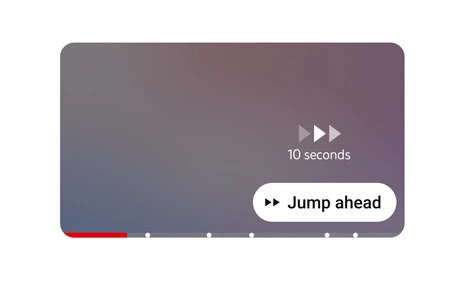
"Jump Ahead" tackles this challenge head-on by leveraging sophisticated artificial intelligence and a vast repository of audience engagement data. The feature works in conjunction with YouTube’s existing "heat map" functionality on the progress bar, which visually indicates the most rewatched and skipped segments of a video. This heat map is generated from aggregate viewer behavior, providing a powerful dataset on audience retention, highlighting points of peak interest and points of disengagement.
Mechanism and Technology:
- Audience Retention Data Analysis: YouTube’s AI continuously analyzes how billions of viewers interact with videos. It identifies "valleys of disinterest" – segments where a disproportionately high number of viewers fast-forward, skip, or stop watching. These patterns often correlate strongly with the introduction of sponsored content or other less engaging portions of a video, such as lengthy intros or repetitive information.
- AI-Powered Identification: Machine learning algorithms are trained to recognize the common characteristics of sponsored segments. This involves analyzing audio cues (e.g., changes in speech patterns, dedicated jingles), visual cues (e.g., specific brand logos, dedicated sponsorship backgrounds), and contextual clues within the video’s metadata or script analysis. By combining this pattern recognition with the audience retention data, the AI can pinpoint the exact start and end times of these segments with remarkable accuracy. This goes beyond simple time-stamping; it’s a dynamic, data-driven identification.
- Seamless Skipping: For Premium subscribers, when "Jump Ahead" is active, a subtle prompt appears on the screen, typically at the bottom of the video player, offering to "Adelantar" or "Jump Ahead" to the next most interesting segment. A single tap or click instantly transports the viewer past the identified sponsored content, resuming playback precisely where the main content narrative recommences. This instant transition minimizes disruption, preserving the immersive viewing experience.
This intelligent automation obviates the need for manual scrubbing, guesswork, or the use of third-party browser extensions like SponsorBlock (which relies on community-sourced timestamps). Unlike SponsorBlock, "Jump Ahead" is an officially integrated feature, backed by Google’s immense data processing capabilities, offering a consistent and reliable experience across all supported devices. The feature’s initial rollout was gradual, primarily targeting English-speaking markets before expanding globally, ensuring refinement based on diverse user data.
The feature is not instantaneous upon a video’s upload. It requires a sufficient volume of viewership data to generate accurate heat maps and for the AI to process and identify skip-worthy segments. Typically, "Jump Ahead" becomes available several hours after a video is published, ensuring enough audience interaction has occurred for the algorithms to work effectively. Its implementation is designed to be organic and unobtrusive, integrating smoothly into the user interface on various platforms, including Android and iOS mobile apps, desktop browsers (Chrome, Edge), and Smart TVs running compatible operating systems like VIDAA OS, maintaining a uniform user experience regardless of the access point.
Enhanced User Experience and Value Proposition for Premium Subscribers
The impact of "Jump Ahead" on the user experience is profound. For dedicated YouTube viewers who follow numerous channels, the cumulative effect of skipping sponsored segments can be substantial. A typical creator may include a 30-second to 2-minute sponsor message in many of their videos. Watching multiple videos daily, this can translate into hours of avoided advertising per week. For an average viewer consuming just five videos a day, each with a one-minute sponsor segment, "Jump Ahead" could save over half an hour weekly, or approximately 26 hours annually. The convenience of not having to manually seek out the end of a sponsorship, often resulting in overshooting or undershooting the desired point, significantly reduces friction and enhances viewing flow.
This feature transforms YouTube Premium from merely an "ad-reduced" experience to a genuinely "100% ad-free" one, fulfilling a promise that even the platform’s standard ad-blocking capabilities couldn’t fully deliver. For users already frustrated by Google’s aggressive tactics to push subscriptions, "Jump Ahead" provides a compelling justification for the Premium cost, delivering tangible value in the form of time saved and an uninterrupted content flow. It solidifies YouTube Premium’s position as the ultimate solution for those seeking pristine content consumption, devoid of any commercial interruptions, whether platform-served or creator-integrated. User feedback on forums and social media has largely been positive, with many citing "Jump Ahead" as a critical, often unexpected, benefit that enhances their subscription value.
Implications for Content Creators and the Advertising Ecosystem
The introduction and widespread adoption of "Jump Ahead" present a complex set of implications for YouTube’s vast ecosystem of content creators and the brands that sponsor them.
- Creator Monetization Challenges: Many creators rely heavily on brand sponsorships as a significant, often primary, source of income. Unlike YouTube’s direct ad revenue, which can fluctuate, brand deals provide more stable and lucrative compensation. If a substantial portion of Premium subscribers consistently skip these sponsored segments, it could diminish the effectiveness of these campaigns for brands. This, in turn, might lead to brands reconsidering their investment in YouTube sponsorships or demanding new metrics to prove engagement with their integrated messaging. Industry reports suggest that brand deals can account for 30-70% of a successful creator’s income, making any threat to this revenue stream a serious concern.
- The "Two-Tiered" Monetization Dilemma: Creators already navigate a dual monetization model: direct ad revenue from YouTube (which is typically higher for Premium viewers, as a percentage of their subscription fee is allocated to creators) and external brand deals. "Jump Ahead" introduces a new layer of complexity, potentially creating a "two-tiered" system where the value of a sponsored segment differs significantly between Premium and non-Premium viewers. This could complicate negotiations with brands, as creators might need to demonstrate different engagement rates for different viewer segments.
- Adaptation in Sponsorship Strategies: Brands and creators may need to adapt their strategies. This could involve:
- More Integrated Product Placements: Shifting from overt, dedicated sponsorship segments to more subtle, organic product integrations that are harder for AI to identify and skip, often referred to as "native advertising."
- Contextual Storytelling: Designing sponsorships that are so intertwined with the core content that skipping them would mean missing essential parts of the video’s narrative or an important visual cue.
- Diversification of Income: Creators might increasingly seek alternative monetization streams, such as merchandise sales, direct fan support (e.g., Patreon, YouTube Memberships, Super Chats), or live event sponsorships, to reduce reliance on skippable in-video ads.
- New Metrics: Brands may start demanding new metrics beyond simple viewership, focusing on engagement with the sponsored content itself, or perhaps adopting "cost-per-unskipped-view" models, which could reshape how brand deals are priced and evaluated.
- YouTube’s Official Stance: YouTube, in its official communications, consistently reiterates its commitment to supporting creators and ensuring their ability to monetize content. While "Jump Ahead" provides a superior experience for Premium users, YouTube’s long-term strategy will likely involve balancing this user benefit with measures to ensure creators can still thrive. This might include enhancing other creator tools, offering new monetization features (like shopping integrations), or even subtly optimizing the "Jump Ahead" algorithm to be less aggressive on certain types of integrated content that are less clearly defined as traditional "ad reads." The platform’s stance is that Premium subscriptions, through higher revenue share for creators from Premium views, ultimately benefit the ecosystem, even if specific ad formats face new challenges. It’s a delicate balance between subscriber satisfaction and creator economic viability.
Broader Industry Context and the Future of Ad-Free Content

YouTube’s aggressive pursuit of Premium subscribers and its innovation with features like "Jump Ahead" reflect a broader trend in the digital content industry. The "ad-free experience" has become a premium commodity across various sectors:
- Streaming Services: Platforms like Netflix, HBO Max, and Disney+ offer ad-free tiers as their standard, while introducing cheaper, ad-supported alternatives. This two-tiered model is becoming the industry norm, illustrating a clear value proposition for uninterrupted viewing.
- Music Streaming: Spotify and Apple Music’s premium offerings are defined by ad-free listening and enhanced features, proving the market’s willingness to pay for an uninterrupted audio experience.
- News and Publishing: Many online news outlets and digital publications now operate on freemium models, offering ad-free access and exclusive content to subscribers, acknowledging that premium content often correlates with premium user experience.
This shift indicates a maturing digital economy where consumers are increasingly willing to pay for convenience, control, and an uninterrupted experience. The ongoing "arms race" between ad-blockers and ad-serving technologies, as well as platforms and workarounds, suggests that users will always seek ways to control their content consumption. By offering "Jump Ahead," YouTube is proactively addressing a core user pain point within its official, paid ecosystem, rather than leaving it to third-party solutions. This strategy positions YouTube not just as a content platform but as a premium service provider, aligning its offerings with the expectations of discerning digital consumers.
Conclusion
YouTube Premium’s "Adelantar" (Jump Ahead) feature represents a significant technological leap in providing a truly ad-free viewing experience, encompassing both platform-served advertisements and creator-embedded sponsorships. It is a potent manifestation of Google’s intensified strategy to drive Premium subscriptions, positioning the paid tier as the indispensable gateway to an unhindered and superior content consumption journey. While immensely beneficial for subscribers, offering unparalleled control and time-saving convenience, the feature also introduces new dynamics and potential challenges for content creators and the brands that invest in their channels. The ongoing evolution of YouTube’s monetization model, epitomized by "Jump Ahead," underscores the platform’s commitment to adapting to user demands while securing its financial future. This innovation not only solidifies the value proposition of YouTube Premium but also signals a broader industry trend where premium digital experiences are increasingly defined by the absence of interruption, reshaping the landscape for viewers, creators, and advertisers alike. The era of truly free, unfettered content consumption on YouTube appears to be drawing to a close, replaced by a sophisticated, two-tiered system where the ultimate viewing experience comes with a subscription.