
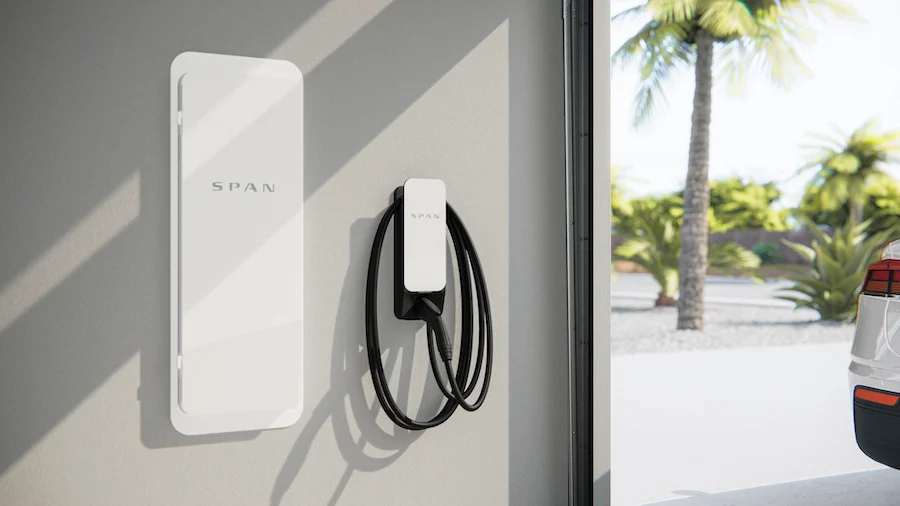

The escalating intensity of recent summer heatwaves, coupled with a heightened awareness of the inherent fragility of our existing power grids, has fostered a strong consensus: smart homes must increasingly integrate sophisticated energy management components. While current solutions often revolve around smart thermostats participating in utility demand response programs, the trajectory of technological advancement points towards a more comprehensive ecosystem. Within the next decade, it is anticipated that smart homes will routinely feature smart breaker boxes, intelligent electric vehicle (EV) chargers, and potentially integrated solar energy generation or dedicated energy storage systems. The orchestration of these diverse elements will be managed by advanced software, enabling seamless communication between in-home devices and utility providers. This intelligent network will ensure the optimized distribution of power, particularly crucial when demand surges and available capacity becomes a critical consideration.
The ambition of constructing such a holistic smart home energy management system can appear daunting. However, the landscape is rapidly evolving, with pioneering products emerging from industry leaders such as Schneider Electric, Eaton, Leviton, Savant, and Span. These innovations are beginning to define the architecture of future smart home energy solutions. Furthermore, legislative actions, notably those enacted under the Biden administration, are providing significant financial incentives for consumers looking to transition from traditional, "dumb" electrical infrastructure to more intelligent and responsive alternatives. These policy initiatives are designed to accelerate the adoption of modern energy technologies, aligning with broader national goals for grid modernization and renewable energy integration.
For the average homeowner, however, the prospect of overhauling an entire electrical system can seem far more complex than the relatively straightforward task of replacing a thermostat. This raises a pertinent question: what is the most practical and accessible approach for individuals to begin smartening their home’s energy infrastructure?
The Foundational Step: A Home Energy Audit
The initial and most accessible step for any homeowner to embark on the journey toward smart energy management is surprisingly simple: conduct a thorough audit of your home’s breaker box. This process, which can be effectively accomplished with the assistance of a friend or family member, involves a methodical circuit-by-circuit identification of the appliances and outlets connected to each breaker. The procedure is as follows: while one person is stationed at the breaker box, the other, communicating via a cellphone, systematically flips each breaker. The individual at the breaker box then observes which outlets and appliances in the house lose power as each circuit is deactivated.
For each identified circuit, a detailed list should be meticulously generated, documenting the specific outlets and the devices they power. This comprehensive inventory serves as a crucial baseline. It should be maintained in proximity to the breaker box for easy reference. Furthermore, this audit provides an invaluable opportunity to identify any unused circuits or available "headroom" within the existing electrical panel. This discovered capacity can be critical for future electrification projects, such as the installation of an EV charger, a heat pump, or an induction stove – all of which are increasingly popular and beneficial upgrades for modern homes.
Addressing Infrastructure Limitations and Electrification
For homeowners residing in older residences that may lack sufficient headroom for new, high-draw appliances, the need for an electrical system upgrade becomes apparent. In such cases, options typically involve increasing the amperage of the home’s electrical service line and potentially upgrading the main electrical panel itself. These upgrades, while essential for supporting modern electrification, can represent a significant financial investment.

For those with a more conservative approach to expenditure, a potential interim solution involves replacing the existing breaker box with a smart panel. These advanced panels possess the capability to intelligently distribute electrical load. For instance, a smart breaker box could be programmed to prioritize EV charging during off-peak hours, such as overnight, when other household appliances are less likely to be in use. This load-balancing function can help to maximize the utility of existing electrical service while accommodating new energy demands. However, it is important to acknowledge that this solution, while beneficial, offers only a partial mitigation of the underlying infrastructure limitations.
Navigating the Smart Breaker Box Landscape
When considering the acquisition of a smart breaker box, consumers will encounter a variety of product offerings, each with distinct functionalities. Some devices, like those from Sense or Emporia, are designed to be installed within the existing breaker box and excel at providing granular data on energy consumption patterns. However, these devices generally do not offer direct control over individual circuits or appliances. While they can inform a homeowner about an appliance’s energy usage – for example, identifying a refrigerator consuming 500 watts daily – the practical ability to act upon this information, such as by turning off the refrigerator, is not provided. This lack of actionable control can lead to a sense of frustration, as the data, while informative, does not translate directly into energy savings or load management.
A more advanced category of smart electrical components includes smart circuits. These individual breakers possess the capability to be remotely switched on and off, granting homeowners the full autonomy to manage specific electrical loads. Consumers can opt for a completely new smart breaker box or integrate a select number of smart circuits into their existing panel. A significant consideration with many of these products is their reliance on proprietary software for load management. This can create vendor lock-in and limit interoperability with other smart home systems. For technically adept DIY enthusiasts, there are also open-source solutions available, offering a higher degree of customization and control, though these typically require a more advanced level of technical expertise.
Experiencing Future Smart Home Energy Management Today
To gain a preliminary understanding of how a more sophisticated smart home energy management system might function, consumers can explore platforms like SmartThings Energy. This application leverages data from smart meters and fluctuating electricity rates to provide real-time insights into the power consumption of compatible appliances. For households equipped with Samsung appliances, for instance, the SmartThings app allows users to activate a "Power Savings" mode on these devices, aiming to achieve incremental energy efficiencies.
While these nascent systems are making strides, a significant hurdle remains: the absence of universally adopted standards for communication between different appliances, their energy usage data, and the software controlling the breaker box. This lack of standardization can impede seamless integration and limit the full potential of smart home energy management. However, the industry is actively working towards developing these crucial interoperability frameworks.
In the interim, the fundamental step of conducting an energy audit remains invaluable. By understanding current energy consumption patterns and identifying available electrical capacity, homeowners can make more informed decisions when planning for future appliance purchases. Prioritizing all-electric appliances that also incorporate intelligent energy management features will be a key strategy in building more resilient and efficient homes, prepared for the evolving demands of the modern energy landscape. The integration of smart energy management is no longer a distant vision; it is an achievable and increasingly necessary evolution for residential energy consumption.
