
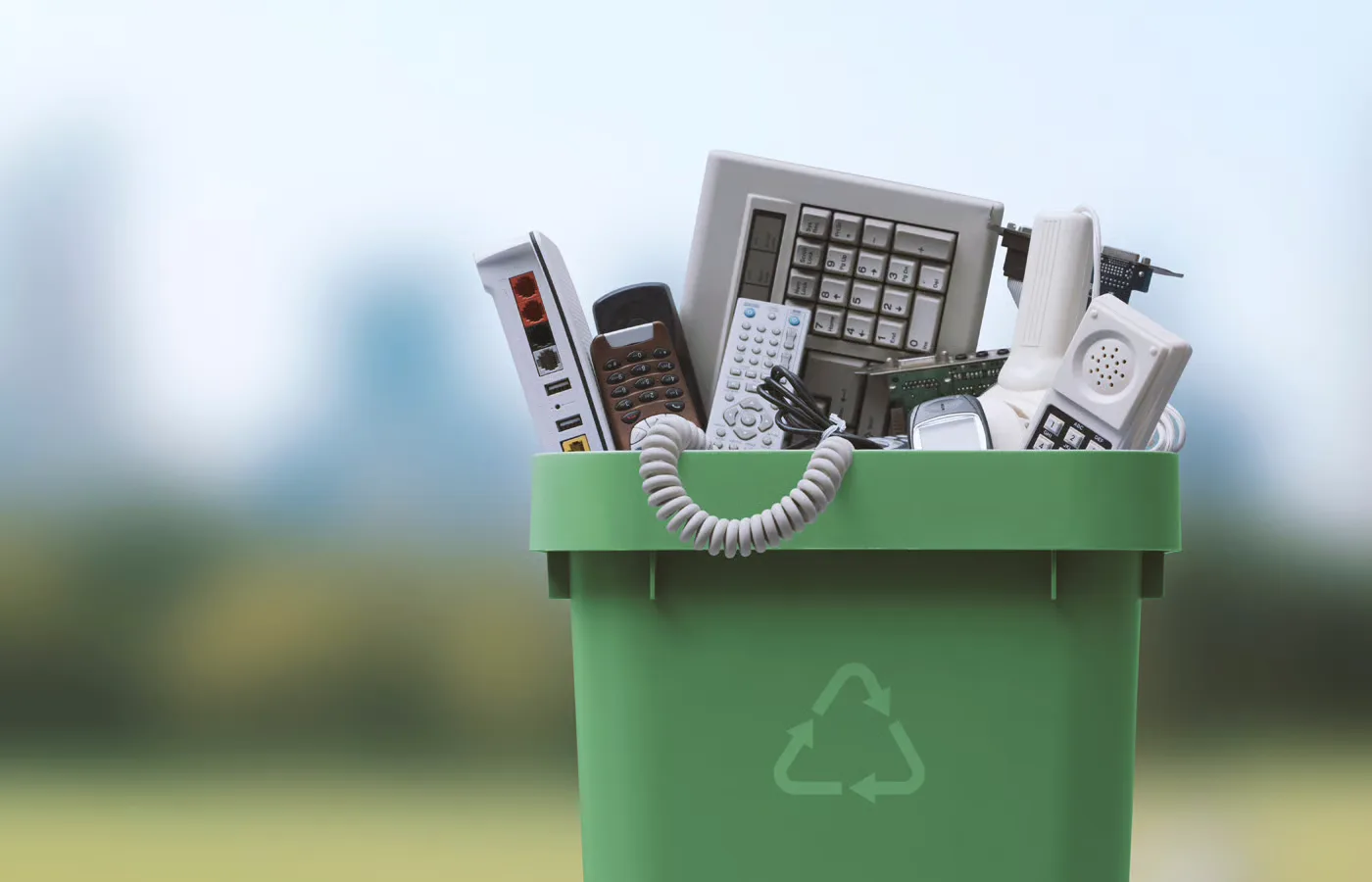

Electronic waste, more commonly referred to as e-waste, represents a significant and rapidly escalating global challenge. This broad category encompasses discarded electrical and electronic devices, ranging from the ubiquitous smartphones and MP3 players of our daily lives to larger household appliances such as refrigerators, air conditioners, and televisions. The inherent duality of e-waste lies in its potential: when processed responsibly, it offers a rich source of valuable materials like copper, gold, and other critical metals that can be reintegrated into the manufacturing cycle, fostering sustainable resource utilization. However, when mismanaged, the hazardous substances contained within these devices—including lead, mercury, and cadmium—pose substantial environmental and health risks.
Understanding the E-Waste Phenomenon
The rapid evolution of technology and the consequent obsolescence of electronic devices have propelled e-waste into one of the primary concerns of Green IT initiatives. The unique composition of discarded electronics, a complex amalgam of valuable resources and toxic chemicals, lies at the heart of this growing global apprehension. The relentless pace of technological advancement, coupled with an increasing consumer demand for newer, more sophisticated gadgets, has led to significantly shorter product life cycles. This, combined with a prevailing "throwaway culture" that often undervalues repair and reuse, has accelerated the accumulation of e-waste, making it one of the fastest-growing waste streams worldwide.
To contextualize the scale of this issue, in 2019 alone, an estimated 53.6 million metric tons (59 million U.S. tons) of e-waste were generated globally. Alarmingly, only a mere 17.4% of this colossal amount was officially documented as being collected and recycled. This stark statistic underscores the immense challenge and the urgent, critical need for more effective and sustainable global e-waste management strategies. The sheer volume and the low recycling rate indicate a significant gap between generation and responsible disposal, highlighting a critical failure in current waste management paradigms.
Categorizing the Spectrum of E-Waste
E-waste is not a monolithic entity; it comprises a diverse array of discarded electronic and electrical devices, which can be broadly categorized to better understand their composition and management needs. These categories include:
- Large Household Appliances: This segment includes items like refrigerators, washing machines, dryers, ovens, and dishwashers. While often durable, their eventual disposal presents challenges due to their size and the presence of refrigerants and other potentially hazardous materials.
- Small Household Appliances: This encompasses items such as vacuum cleaners, toasters, coffee makers, and irons. These are generally smaller and may contain fewer hazardous components but contribute significantly to the overall volume of e-waste.
- IT and Telecommunications Equipment: This is perhaps the fastest-growing category, including desktop computers, laptops, monitors, printers, keyboards, mice, smartphones, tablets, and routers. The rapid pace of innovation in this sector leads to frequent upgrades and rapid obsolescence.
- Consumer Electronics: This category covers televisions, radios, DVD players, cameras, and audio equipment. Similar to IT equipment, technological advancements drive frequent replacements.
- Lighting Equipment: This includes fluorescent lamps, LED bulbs, and other lighting fixtures. Some types of lighting can contain mercury, requiring specialized disposal.
- Electrical and Electronic Tools: Power drills, saws, and other industrial or domestic tools fall under this category. They may contain batteries and motors that require careful handling.
- Toys, Leisure, and Sports Equipment: Electronic toys, gaming consoles, and some sports equipment with electronic components contribute to e-waste, particularly among younger demographics.
- Medical Devices: While often subject to specific regulations, discarded medical equipment, ranging from diagnostic tools to patient monitoring systems, can also constitute e-waste, sometimes containing hazardous biological or chemical agents.
Environmental and Health Ramifications of Improper E-Waste Handling
The improper disposal and treatment of e-waste unleash a cascade of significant environmental and health risks. When e-waste is sent to landfills or improperly dismantled, the hazardous substances contained within it can leach into the soil and groundwater, contaminating vital natural resources.
- Soil and Water Contamination: Heavy metals such as lead, mercury, and cadmium are neurotoxins and carcinogens. Their release into the environment can render agricultural land unusable and contaminate drinking water sources, posing long-term health threats to communities.
- Air Pollution: Informal recycling practices, often involving burning to extract valuable metals, release toxic fumes into the atmosphere. These emissions, containing pollutants like dioxins and furans, contribute to respiratory illnesses and can travel long distances, impacting air quality far beyond the point of origin.
- Impact on Biodiversity: The accumulation of toxic materials in ecosystems can harm wildlife. Animals may ingest contaminated soil or water, leading to reproductive issues, developmental abnormalities, and mortality.
- Human Health Risks: Workers in informal e-waste recycling operations, often in developing countries, are exposed to the highest levels of hazardous substances without adequate protective gear. This leads to a range of chronic health problems, including respiratory diseases, skin conditions, developmental issues in children, and increased risk of cancer. The general population is also at risk through contaminated food and water sources.
Navigating the Labyrinth of E-Waste Management and Recycling
Effective e-waste management and recycling are paramount to mitigating its detrimental environmental and health impacts. While established processes exist, they are frequently hampered by persistent and complex challenges.
Processes in E-Waste Recycling
Although recycling processes are tailored to specific e-waste types, they generally follow a standardized sequence of stages:
- Collection and Transportation: This initial phase involves gathering discarded electronics from various sources, including household collection points, commercial drop-offs, and dedicated recycling facilities. Safe and efficient transportation is crucial to prevent damage and further environmental contamination.
- Dismantling and Sorting: Once at a processing facility, e-waste is manually or mechanically dismantled. Components are sorted based on material type (plastics, metals, glass) and hazard level. This stage is critical for separating hazardous materials from recyclable ones.
- Shredding and Mechanical Separation: After dismantling, remaining materials are often shredded into smaller pieces. Various mechanical processes, such as magnetic separation (for ferrous metals), eddy current separation (for non-ferrous metals like aluminum and copper), and density separation, are employed to further isolate different material streams.
- Material Recovery: This stage focuses on extracting valuable resources. Precious metals like gold, silver, and platinum are often recovered through smelting or refining processes. Base metals like copper and aluminum are melted down for reuse. Plastics are sorted by type and can be processed for recycling.
- Hazardous Waste Treatment: Components containing hazardous substances, such as cathode ray tubes (CRTs) in older monitors or batteries, are treated separately to neutralize or safely contain their toxic elements before disposal or further processing.
- Final Processing and Reintegration: Recovered materials are processed into raw materials that can be used by manufacturers to create new products, thereby closing the loop in the material lifecycle.
Challenges Hindering Effective E-Waste Management
Despite the existence of these processes, several formidable challenges impede the widespread and effective management of e-waste:
- Low Collection Rates: A significant portion of e-waste never reaches formal recycling channels. This is often due to a lack of awareness among consumers, insufficient collection infrastructure, and the presence of informal or illegal export markets.
- Economic Viability of Recycling: The cost of collecting, transporting, and processing e-waste, particularly for materials with low market value or complex compositions, can outweigh the revenue generated from recovered resources. This economic disparity makes it challenging to establish and sustain profitable recycling operations.
- Technological Complexity: Modern electronics are increasingly complex, often integrating a multitude of materials and miniaturized components. This complexity makes dismantling and material separation more challenging and resource-intensive.
- Informal Sector and Illegal Trade: A substantial amount of e-waste is handled by the informal sector, often in developing countries, where unsafe practices prevail. Furthermore, illegal export of e-waste from developed to developing nations continues to be a major problem, circumventing regulations and perpetuating hazardous disposal methods.
- Lack of Standardization: Variations in product design, material composition, and recycling technologies across different manufacturers and regions create a lack of standardization, making it difficult to implement universally effective recycling solutions.
- Consumer Behavior and Awareness: A lack of consumer awareness regarding the importance of responsible e-waste disposal, coupled with the convenience of simply discarding old devices, contributes to the problem. The perceived hassle of proper disposal often outweighs the understanding of its environmental impact.
Sectors Influencing the E-Waste Landscape
The multifaceted nature of e-waste management means that its effectiveness is influenced by a diverse array of sectors, each playing a distinct role in the lifecycle and handling of electronic waste.
- Manufacturing and Design: Manufacturers are at the forefront, as their design choices directly impact the recyclability, repairability, and material composition of electronic products. A shift towards "Design for Environment" (DfE) principles is crucial.
- Retail and Distribution: Retailers can influence consumer behavior through take-back programs, offering incentives for returning old devices, and providing clear information on responsible disposal options.
- Government and Policy Makers: Legislators and regulatory bodies are responsible for creating and enforcing policies, setting recycling targets, and establishing standards for e-waste management.
- Recycling and Waste Management Industry: This sector is responsible for the physical collection, processing, and recycling of e-waste, employing various technologies and adhering to environmental regulations.
- Consumers: As the end-users of electronic devices, consumers hold significant power through their purchasing decisions, their willingness to repair or reuse products, and their commitment to proper disposal.
- Technology and Innovation Sector: This sector drives the development of new recycling technologies, advanced material recovery methods, and more sustainable product designs.
Corporate Responsibility in E-Waste Management
The corporate world, as the creator and primary distributor of electronic products, bears a profound responsibility in addressing the e-waste crisis. Recognizing this, various initiatives have emerged to encourage and mandate corporate accountability:
- Extended Producer Responsibility (EPR) Schemes: These policies place the onus on manufacturers to manage their products at the end of their life cycle. Companies are often required to finance or operate collection and recycling programs for the products they sell.
- Product Stewardship Programs: Beyond EPR, companies can voluntarily engage in product stewardship, taking responsibility for their products throughout their entire lifecycle, including design, manufacturing, distribution, use, and end-of-life management.
- Sustainable Design Principles: Companies are increasingly incorporating Design for Environment (DfE) principles, focusing on using fewer hazardous materials, designing for disassembly, and enhancing the repairability and recyclability of their products.
- Transparency and Reporting: Leading corporations are enhancing transparency by reporting on their e-waste management efforts, including collection rates, recycling efficiencies, and the environmental impact of their operations.
- Partnerships and Collaborations: Many companies are collaborating with recycling organizations, NGOs, and government agencies to develop more effective collection and recycling infrastructure and to raise public awareness.
The Pivotal Role of Consumers in E-Waste Management
The effective management of e-waste is not solely the domain of governments and corporations; it fundamentally hinges on the actions and choices of consumers. Individual awareness and participation are critical drivers of change:
- Conscious Purchasing Decisions: Consumers can opt for products that are designed for durability, repairability, and recyclability. Researching brands with strong sustainability commitments can influence market demand.
- Extending Product Lifespans: Repairing devices instead of immediately replacing them, and considering refurbished or used electronics, can significantly reduce the generation of e-waste.
- Responsible Disposal: Consumers must actively seek out designated e-waste collection points or take-back programs offered by manufacturers and retailers. Improper disposal, such as placing electronics in regular trash bins, must be avoided.
- Donation and Resale: Functional but unwanted electronics can be donated to charities or resold, giving them a second life and diverting them from the waste stream.
- Advocacy and Awareness: Consumers can advocate for better e-waste policies and educate their peers about the importance of responsible electronic consumption and disposal.
Policies and Legislation: The Framework for E-Waste Control
The management of e-waste is increasingly governed by a comprehensive range of policies and legislation at state, national, and international levels. These regulations are critical in shaping how e-waste is collected, processed, and recycled, ensuring environmental protection and public health safety.
International Frameworks and Agreements
International frameworks and agreements play a pivotal role in establishing standardized guidelines and practices across nations. These agreements are crucial for ensuring responsible handling, transfer, and disposal of e-waste, especially given its transboundary nature:
- The Basel Convention on the Control of Transboundary Movements of Hazardous Wastes and Their Disposal: This convention, adopted in 1989, aims to prevent the transfer of hazardous wastes from developed to developing countries and to ensure their environmentally sound management. E-waste is recognized as a significant component of hazardous waste under this convention, with amendments in 1995 specifically addressing the control of transboundary movements of wastes from electrical and electronic equipment.
- The Stockholm Convention on Persistent Organic Pollutants (POPs): While not directly focused on e-waste, this convention targets chemicals often found in electronic products, such as brominated flame retardants, aiming to eliminate or restrict their production and use.
- United Nations Environmental Programme (UNEP) Initiatives: UNEP actively promotes sustainable e-waste management through various programs, policy guidance, and capacity-building initiatives for member states.
- International Telecommunication Union (ITU) Recommendations: The ITU, a UN specialized agency for information and communication technologies, has been involved in developing recommendations and guidelines related to the environmental impact of ICTs, including e-waste.
Regional and National Legislation
The battle against e-waste necessitates robust regional and national legislative frameworks to complement international efforts. These laws provide the operational guidelines and enforcement mechanisms for e-waste management:
- European Union (EU) Directives: The EU has been a leader in e-waste legislation, notably with the Waste Electrical and Electronic Equipment (WEEE) Directive. This directive mandates collection, recycling targets, and producer responsibility for e-waste. It has been instrumental in driving up recycling rates and promoting better design for recyclability within member states.
- United States Regulations: In the U.S., e-waste management is a patchwork of state-level legislation. Several states have enacted EPR laws for electronics, requiring manufacturers to fund and manage take-back programs. Federal initiatives, such as the EPA’s Plug-In to E-cycling campaign, aim to raise awareness and promote responsible recycling.
- Asian Legislation: Countries like Japan, South Korea, and China have implemented their own comprehensive e-waste management laws. Japan’s Home Appliance Recycling Law, for example, mandates that consumers pay a fee for the recycling of major appliances, with manufacturers and retailers sharing the responsibility for collection and processing. South Korea’s EPR system for electronics also sets collection and recycling targets for producers.
- African Initiatives: Several African nations are developing or have enacted e-waste policies, often in response to the influx of used electronics and the associated environmental challenges. These policies frequently focus on improving collection infrastructure and formalizing the informal recycling sector.
Future Innovations Shaping E-Waste Handling
As the volume of electronic waste continues its relentless ascent globally, the future of e-waste handling is intrinsically linked to innovation and forward-thinking strategies. Emerging trends and technological advancements are poised to revolutionize how we manage this complex waste stream.
Advanced Recycling Technologies
The quest for more efficient and environmentally sound recycling methods is yielding promising breakthroughs:
- AI-Driven Robotics: Artificial intelligence coupled with advanced robotics is being developed to automate the dismantling and sorting of e-waste. These systems can identify and separate components with greater speed and precision than manual methods, reducing labor costs and increasing efficiency.
- Advanced Spectrometry and Sensor Technologies: Sophisticated sensors and spectrometry techniques can rapidly identify and differentiate between various materials within e-waste, enabling more accurate sorting and higher recovery rates of valuable and hazardous substances.
- Bioleaching and Bioremediation: Innovations in chemical and biological processing, such as bioleaching, offer environmentally friendly alternatives to traditional methods for extracting precious metals from e-waste. Microorganisms are used to selectively dissolve and recover metals, minimizing the use of harsh chemicals.
- Supercritical Fluid Extraction: This technology uses fluids at high temperatures and pressures to selectively extract target materials, offering a cleaner and more efficient method for recovering specific metals and compounds from complex e-waste streams.
Design for Environment (DfE)
A fundamental shift in product design is crucial to curb e-waste generation at its source:
- Modular and Repairable Designs: There is a growing movement towards designing electronic products with their end-of-life in mind. This includes using fewer hazardous materials, designing for easy disassembly, and significantly enhancing repairability. Concepts like modular smartphones and upgradeable computers, where individual components can be easily replaced or upgraded, are gaining traction, drastically reducing the need to discard entire devices.
- Material Innovation: Research is focused on developing new materials that are less toxic, more durable, and easier to recycle or biodegrade. The use of recycled content in new electronics is also becoming a priority.
- Software Updates and Longevity: Extending the useful life of devices through robust software support and updates can delay obsolescence and reduce the frequency of replacements.
Circular Economy Models
The transition to a circular economy paradigm offers a transformative approach to e-waste:
- Product-as-a-Service (PaaS): Instead of consumers owning products outright, PaaS models involve paying for the service the product provides. This incentivizes manufacturers to create highly durable, easily repairable, and recyclable electronics, as they retain ownership and responsibility for the product’s entire lifecycle.
- Refurbishment and Remanufacturing: Robust markets for refurbished and remanufactured electronics are expanding, giving used devices a new lease on life and significantly reducing the demand for new production.
- Resource Recovery Networks: Establishing sophisticated networks that focus on maximizing the recovery and reuse of materials from e-waste, treating discarded electronics as valuable resource streams rather than waste, is a cornerstone of the circular economy.
Bottom Line: A Cleaner Future Starts with the Right E-Waste Management
Effective e-waste management is not a responsibility that falls on a single entity; it is a collective endeavor that requires the concerted efforts of governments, industries, and consumers alike. The integration of innovative recycling technologies, the adoption of sustainable product designs, and the implementation of robust policies are fundamental steps toward mitigating the environmental and health impacts of e-waste.
As we look ahead, it’s clear that the path to a cleaner future also hinges on our ability to adapt and evolve in our e-waste handling methods. Embracing new technologies, participating in responsible recycling practices, and staying informed about the environmental impact of our electronic consumption are vital actions for all stakeholders. Businesses, in particular, have a powerful role to play through their manufacturing choices and recycling habits, aligning their operations with principles of sustainability and circularity.
In addition to tackling e-waste, organizations can further cut back on their carbon footprint and overhead costs simultaneously by improving data center and server room power consumption efficiency. Optimizing energy usage in these critical infrastructure hubs not only contributes to environmental protection but also leads to significant operational cost savings. The multifaceted approach, encompassing responsible waste management and efficient energy consumption, is key to building a truly sustainable technological future.
