
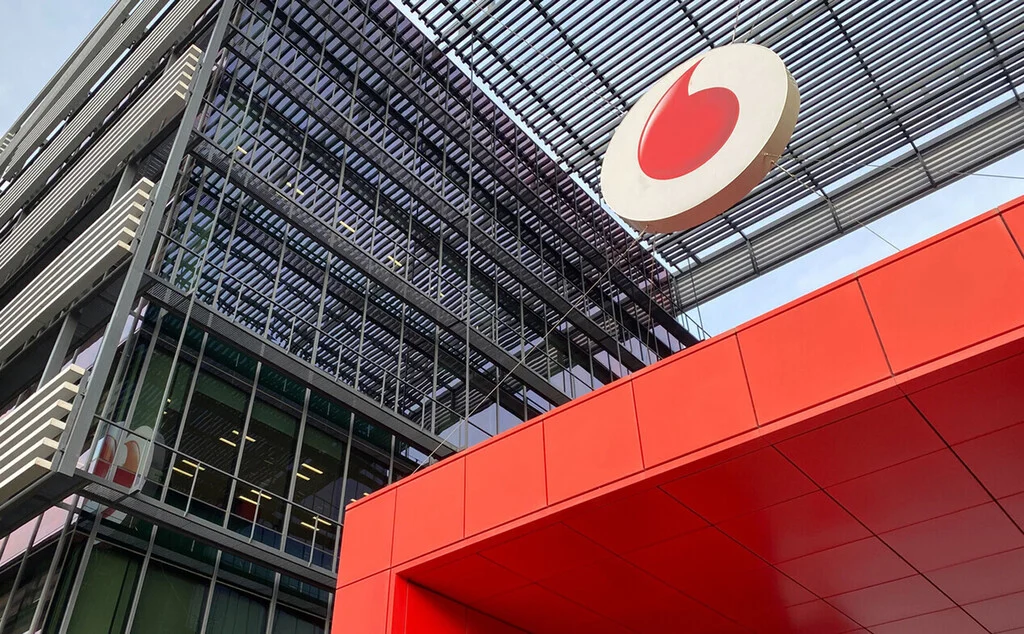

More than three and a half years have elapsed since Zegona and Vodafone Group formally announced the sale of the Spanish subsidiary to the British fund for a substantial €5 billion. This pivotal transaction marked the beginning of a transformative era, and indeed, much has changed within Vodafone Spain since that initial declaration. While the official sale process commenced earlier, Zegona assumed full operational control in 2024, ushering in a period of intense restructuring and strategic reorientation aimed at revitalizing the telecommunications giant in one of Europe’s most competitive markets.
The journey to recovery for Vodafone Spain has been multifaceted, strategically sidestepping distractions such as the convoluted saga with Finetwork. Instead, Zegona has meticulously implemented a new commercial approach, underpinned by stringent financial discipline, specifically designed to reverse the entrenched negative dynamics inherited from previous management. The latest financial indicators suggest that this ambitious strategy is yielding tangible results: the first quarter of the year, which constitutes the final quarter of the fiscal year 2026 (ending March 2026), reveals that Vodafone Spain has, for the first time in four years, returned to a path of profitable growth. This achievement marks a significant milestone, underscoring the effectiveness of the new leadership and the strategic framework put in place by Zegona.
A New Dawn: Leadership and Initial Reforms
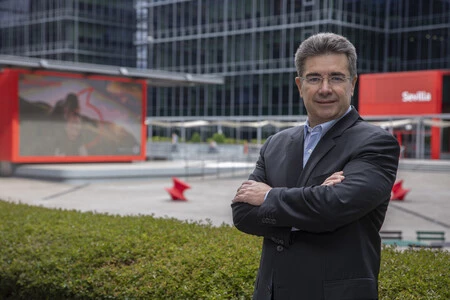
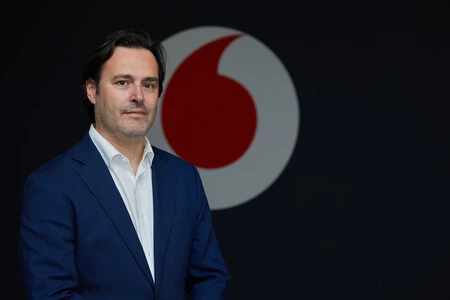
Upon assuming operational control of Vodafone Spain in 2024, Zegona moved swiftly to install a leadership team poised for radical change. Among the very first and most impactful decisions was the appointment of two seasoned industry veterans to key executive roles: José Miguel García as CEO and Ángel Álvarez as Director of Consumer Business. These appointments signaled a clear intent to leverage deep market expertise and a proven track record in navigating challenging telecom landscapes.
José Miguel García arrived with an impressive pedigree, having previously steered Jazztel through its successful sale to Orange as CEO and later orchestrating the national expansion and subsequent sale of Euskaltel to MásMóvil in his capacity as CEO. His experience in value creation through strategic growth and M&A was precisely what Zegona sought for Vodafone Spain. Ángel Álvarez, on the other hand, was a pivotal figure in the remarkable ascent of Digi in Spain, serving as its commercial director since 2019. He was instrumental in shaping the Romanian operator’s exponential growth, particularly in attracting cost-conscious consumers. Their combined expertise in market disruption, commercial innovation, and operational efficiency provided a formidable foundation for the impending turnaround.
Beyond leadership appointments, Zegona immediately confronted the structural challenges within Vodafone Spain. A critical, albeit difficult, initial measure was the announcement of a significant Employment Regulation File (ERE), impacting close to 1,200 employees. This move, while painful, was framed as essential for streamlining operations, enhancing organizational agility, and reducing the high cost base that had plagued the company for years. It was a clear indication of Zegona’s commitment to strict financial discipline from day one, laying the groundwork for a more efficient and responsive organizational structure.
The Weight of Legacy: Challenges Inherited
Vodafone Spain’s decline was not a sudden phenomenon but rather the culmination of years of underperformance in a fiercely competitive market. The company had consistently reported poor financial results, struggling to adapt to evolving consumer demands and intense price wars. A major historical burden was the 2014 acquisition of ONO for €7.2 billion, a deal that, while expanding Vodafone’s fixed-line footprint, also brought significant integration challenges and a substantial debt load.
Compounding these issues were strategic missteps, such as the gradual abandonment of premium content, most notably football rights. While intended to reduce costly content acquisition, this move alienated a segment of high-value customers who sought bundled services including sports. The Spanish telecommunications market is characterized by aggressive competition from both incumbent players like Telefónica and Orange, as well as agile low-cost operators such as MásMóvil (now MásOrange) and Digi. In this environment, Vodafone Spain found itself caught between a premium positioning that was difficult to sustain and a low-cost segment where it lacked sufficient agility. Zegona’s task was not merely to stop the bleeding but to fundamentally re-engineer the company’s market position and operational model.
Strategic Pillars of Revival: Agility, Commercial Focus, and Financial Discipline
Zegona’s management model for transforming Vodafone Spain rested on three interconnected pillars: fostering a more agile organization, implementing a reinforced commercial focus, and maintaining strict financial discipline. These principles were not abstract ideals but were translated into concrete actions that permeated every facet of the business.
-
Organizational Agility: The ERE was a harsh but necessary step towards creating a leaner, more efficient structure capable of responding rapidly to market changes. The new leadership sought to break down silos and empower teams, facilitating quicker decision-making and innovation. This agility was crucial for pivoting strategies and adapting commercial offers at speed.
-
Reinforced Commercial Focus: Under Ángel Álvarez’s guidance, Vodafone Spain recalibrated its commercial strategy. The emphasis shifted towards attracting and retaining high-value convergent customers – those subscribing to both mobile and fixed-line services. This segment offers higher Average Revenue Per User (ARPU) and greater loyalty. The strategy involved:
- Competitive Offers: Revamping service bundles to be more appealing, including attractive pricing and added-value features.
- Device as a Loyalty Lever: Utilizing handset subsidies and financing options to lock in customers and reduce churn.
- Permanent Discounts: Crucially, moving away from temporary promotional discounts to offering permanent price reductions, providing greater transparency and long-term value to customers.
- Sales Channel Reorganization: Optimizing physical and digital sales channels to improve customer acquisition and experience.
- Lowi’s Expansion: Strengthening the budget brand, Lowi, by expanding its offering to include television services and devices, tapping into a broader customer base without diluting the Vodafone brand.
-
Strict Financial Discipline: Beyond cost-cutting through workforce reductions, financial discipline extended to rigorous capital expenditure management and innovative asset monetization strategies. This was most evident in the groundbreaking infrastructure deals that significantly de-risked the balance sheet and generated substantial capital.

Financial Rebound: A Turn of the Tide
The culmination of these strategic shifts became evident in the latest financial reports. Vodafone Spain closed its second full fiscal year under Zegona’s ownership (FY26, ending March 2026) with significantly improved financial and operational results. Revenues grew by 2% in the fourth quarter of the fiscal year (January-March 2026), reaching €915 million. This was not an isolated incident; it marked the second consecutive quarter of revenue growth, a momentous achievement considering the company had not seen positive revenue growth since 2022. This sequential improvement signifies a definitive break from the prolonged period of decline.
While the full fiscal year 2026 revenues totaled €3,628 million, showing only marginal change compared to the previous fiscal year, this stability itself is a testament to the recovery. The strong performance in the latter half of the year was sufficient to offset the declines experienced in the first two quarters, preventing a further overall revenue contraction. More importantly, the company’s profitability saw a marked improvement, and its indebtedness was substantially reduced.
A major contributor to this financial revitalization was the strategic decision to monetize its vast fiber infrastructure through joint ventures, commonly known as FibreCos. Vodafone Spain established two such partnerships:
- One alliance was formed with MásOrange and the global investment firm GIC.
- The second joint venture was forged with Telefónica and AXA IM Alts.
These FibreCo deals proved to be a masterstroke, allowing Vodafone Spain to inject €1.8 billion into its balance sheet. Critically, these partnerships also ensured that Vodafone Spain now boasts 100% national coverage with high-performance fiber, all while optimizing its capital expenditure and focusing resources on service delivery rather than heavy infrastructure ownership. This asset-light approach is a growing trend in the telecom sector, enabling operators to maintain competitive service quality without the full burden of network deployment and maintenance costs.
Commercial Momentum and Customer Re-engagement
The financial turnaround was mirrored by a robust recovery in commercial performance. Vodafone Spain reported its sixth consecutive quarter of net customer additions in both broadband and mobile segments. This sustained growth underscores the effectiveness of the revamped commercial strategies and the renewed competitiveness of its offers.
In broadband, the company added 29,000 net new customers, bringing its total broadband customer base to 2.591 million. The mobile contract segment, a key indicator of high-value customer acquisition, saw an impressive increase of 128,000 lines during the fiscal year, reaching a total of 10.185 million. These figures represent a significant reversal of previous trends, demonstrating that customers are responding positively to Vodafone Spain’s updated propositions.
The focus on convergent customers, offering integrated mobile, broadband, and television packages, has been particularly successful. By leveraging devices as a powerful tool for customer loyalty and eliminating the temporary nature of discounts, Vodafone has enhanced its value proposition. The strategic expansion of Lowi, its budget brand, to include television and device offerings, has also allowed the company to capture growth in different market segments, providing a tiered approach to cater to diverse customer needs.
Looking Ahead: Strategic Horizons and Market Impact
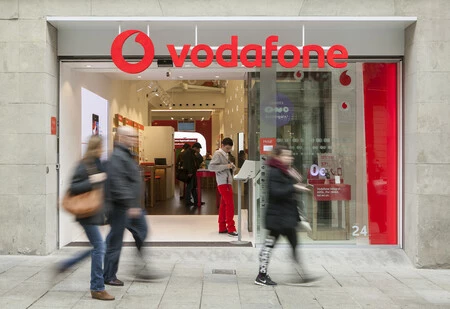
As Vodafone Spain stabilizes and begins its growth trajectory, Zegona is already exploring further avenues for strategic development. One intriguing development has been the company’s subtle re-engagement with sports content. Capitalizing on global events like the World Cup, Vodafone Spain has utilized platforms like DAZN for promotional activities, hinting at a potential reconsideration of its earlier decision to completely abandon football rights. While not a direct return to owning premium sports packages, this "coqueting" suggests a more flexible approach to content, potentially leveraging partnerships to enhance its service offerings without incurring the full costs of direct acquisition.
Furthermore, Zegona has unequivocally dismissed persistent market rumors regarding a potential acquisition of Vodafone Spain by Telefónica. The CEO of Zegona has explicitly stated that during the current phase of transformation, the company is not considering any mergers or acquisitions. This clarity provides stability and allows the management team to focus solely on executing its strategic plan without external distractions.
However, Zegona has confirmed its active pursuit of another significant strategic initiative: the creation of a RANco (Radio Access Network company) with another operator. This joint venture would provide wholesale mobile network services, further optimizing network infrastructure, reducing operational expenditure, and driving enhanced profitability. A RANco model allows participating operators to share the costs and benefits of network deployment and maintenance, a common strategy in mature telecom markets to improve efficiency and capital allocation. This move aligns perfectly with Zegona’s overarching objective of accelerating the company’s profitability and creating long-term value.
Vodafone Spain’s turnaround under Zegona represents a compelling case study in strategic revival within a hyper-competitive industry. By implementing decisive leadership changes, a focused commercial strategy, rigorous financial discipline, and innovative infrastructure monetization, the company has not only halted its decline but has successfully returned to growth. This resurgence will undoubtedly inject new dynamics into the Spanish telecommunications market, challenging competitors and demonstrating the potent impact of a well-executed, data-driven transformation. The path ahead remains challenging, but the initial successes provide a strong foundation for sustained growth and profitability, cementing Zegona’s reputation as a shrewd investor capable of breathing new life into complex assets.
