
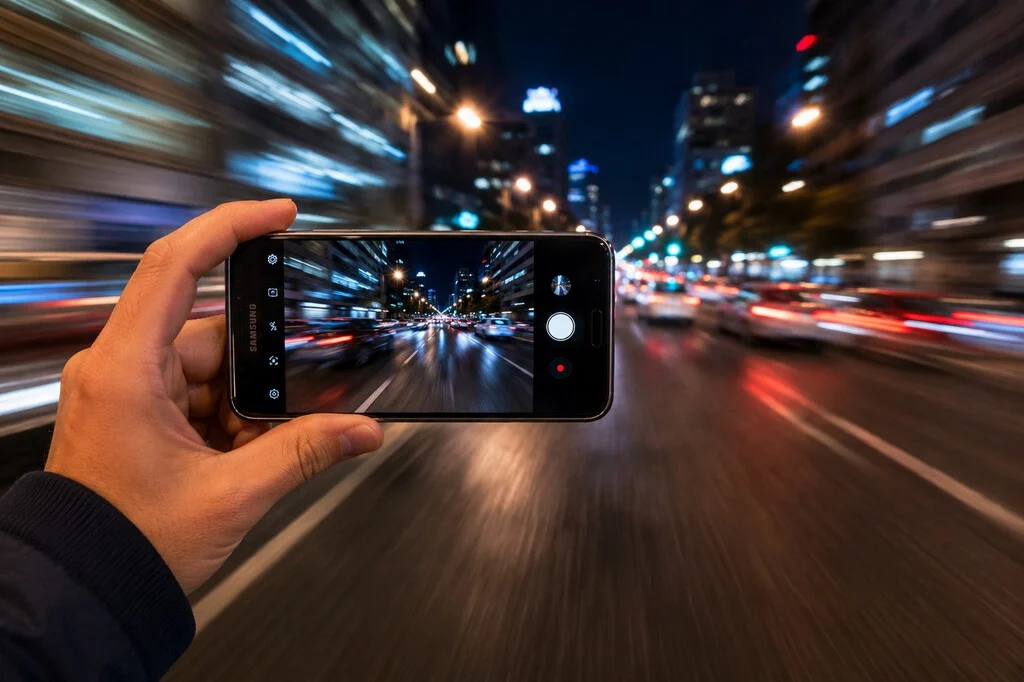

Despite advancements in smartphone camera technology, many users frequently encounter frustratingly blurry images when attempting to photograph dynamic subjects such as children or pets, even in well-lit conditions. This common issue, often misattributed to a faulty camera, an unsteady hand, or imprecise focus, is predominantly rooted in the camera’s automatically selected shutter speed. While intuitive assumptions point to user error or hardware malfunction, the fundamental physics of light capture and the sophisticated algorithms governing smartphone cameras reveal a more nuanced explanation centered on the duration the sensor is exposed to light. This phenomenon, known as motion blur, occurs when a subject moves significantly within the frame during the brief interval the camera’s shutter remains open, leaving a ghostly trail rather than a crisp, frozen moment.
The Foundational Principles of Mobile Photography: Beyond Megapixels
To comprehend why motion blur persists as a challenge, it is essential to revisit the core tenets of photography, often simplified as the "exposure triangle": ISO, aperture, and shutter speed. While traditional cameras offer granular control over each, smartphones often automate these settings, particularly in their default modes, aiming for a balanced image.
- Aperture: Most modern smartphones feature a fixed aperture, typically wide (e.g., f/1.8 or f/2.2), to maximize light intake. This design choice contributes to the shallow depth of field often seen in smartphone portraits, but offers no flexibility in controlling motion blur.
- ISO: This setting dictates the sensor’s sensitivity to light. A higher ISO allows for brighter images in low light but introduces digital noise or "grain." Smartphone computational photography excels at minimizing visible noise at higher ISOs, but this comes with trade-offs.
- Shutter Speed: This is the duration the camera’s sensor is exposed to light. A faster shutter speed (e.g., 1/1000th of a second) freezes motion, while a slower speed (e.g., 1/30th of a second) allows for more light but introduces blur if the subject moves.
The interplay of these three elements determines the final exposure. In an automated smartphone camera, the system constantly evaluates the scene’s brightness and attempts to strike a balance between these factors to produce a visually pleasing image. However, this balance does not always prioritize freezing fast-moving subjects.
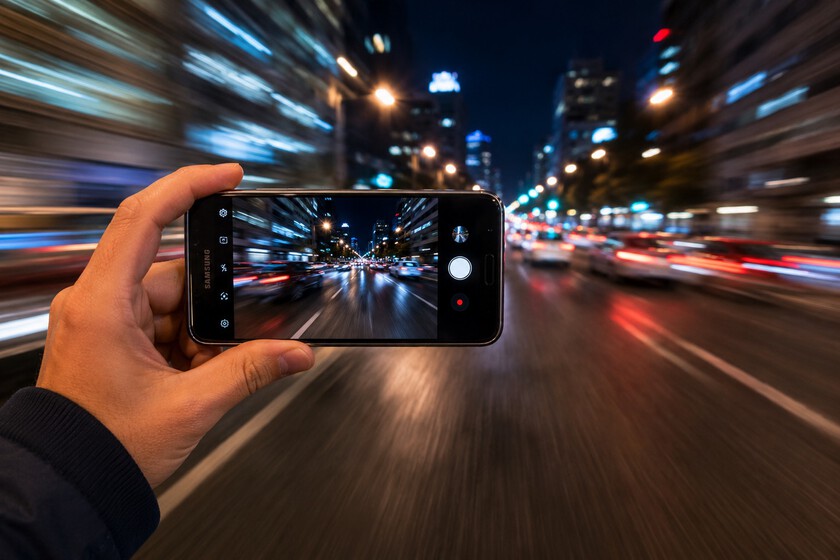
The Shutter Speed Conundrum: Why Auto Modes Fall Short for Dynamic Scenes
When a smartphone camera is used in automatic mode, its internal algorithms analyze the scene to determine the optimal exposure settings. While there might be ample ambient light, the system’s primary goal isn’t solely to achieve the fastest possible shutter speed. Instead, it seeks an equilibrium that minimizes noise, ensures accurate color rendition, and maintains overall sharpness across the frame. This comprehensive approach often means that the chosen shutter speed, though adequate for static scenes, might not be sufficiently fast to entirely freeze a rapidly moving object.
For instance, an outdoor scene on a bright day might lead the camera to select a shutter speed of 1/500th of a second. While this is fast, a child running quickly across the frame or a pet shaking its head vigorously could still exhibit motion blur. The camera’s processing engine might deliberately opt for a slightly slower shutter speed (e.g., 1/250th of a second) if it calculates that this would result in a marginally lower ISO, thereby reducing potential digital noise and producing a "cleaner" image overall, even at the cost of slight motion blur. This decision-making process is a testament to the complex computational photography pipelines that define modern smartphone imaging, where multiple frames are often captured and merged, and various parameters are optimized simultaneously.
According to imaging engineers from leading smartphone manufacturers, the default automatic settings are calibrated to perform optimally across the broadest range of common scenarios. This means prioritizing a pleasing, low-noise image over the specific requirement of freezing extremely fast motion, which is a niche, albeit frequent, frustration for many users. Industry data indicates that while smartphone camera usage has skyrocketed—with billions of photos taken daily worldwide—user satisfaction with capturing dynamic subjects remains a persistent challenge, even with flagship devices boasting advanced sensors and AI capabilities.
The Unpredictable Subjects: Why Children and Pets Are the Ultimate Test
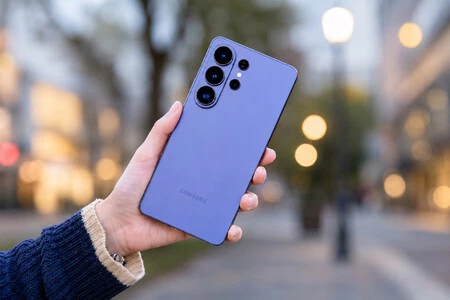
It is no coincidence that the most frequent complaints about motion blur involve photographs of children and pets. These subjects present a unique set of challenges that magnify the shutter speed issue:
- Erratic and Unpredictable Movement: Unlike professional models who can hold a pose, children and animals move spontaneously and often without warning. A sudden head turn, a playful leap, or a quick dash can occur in a fraction of a second, demanding an immediate and decisive camera response.
- Proximity to the Camera: These subjects are often photographed at relatively close range. The closer a moving object is to the lens, the more pronounced any displacement becomes within the frame. A small movement at close quarters translates to a larger shift across the sensor, making motion blur more evident.
- Focus Challenges: While the article emphasizes shutter speed, the unpredictable movement also strains the autofocus system. Even with advanced tracking capabilities, a sudden, rapid change in direction or distance can cause the camera to momentarily lose focus, exacerbating the overall blurriness.
Support forums for various smartphone brands, including Samsung and Apple, are replete with user queries describing scenarios where a high-end device, used in a well-lit indoor environment, produces crisp backgrounds but blurry subjects when photographing a child or pet. The consistent explanation offered by experienced users and technical support is the insufficient shutter speed chosen by the automatic mode for that specific, dynamic movement.
Beyond Auto: Harnessing Pro Modes for Precision Control
For users serious about overcoming motion blur, delving into the "Pro Mode" or "Manual Mode" available on most contemporary smartphones is the most effective solution. This mode allows users to manually adjust key exposure parameters, crucially including shutter speed and ISO.
- Manual Shutter Speed Control: By manually selecting a faster shutter speed (e.g., 1/500s, 1/1000s, or even faster depending on the subject’s speed), users can force the camera to freeze motion more effectively. For a running child, a shutter speed of at least 1/500s is often recommended, while for very fast action (e.g., a dog catching a frisbee), 1/1000s or faster might be necessary.
- Compensating with ISO: The trade-off for a faster shutter speed is often a darker image, especially if the ambient light is not exceptionally bright. To compensate, users must increase the ISO sensitivity. This will inevitably introduce more digital noise into the image. However, for many photographers, a sharp, slightly grainy image is preferable to a blurry one. Modern smartphone image processing, with its advanced noise reduction algorithms, can often manage higher ISOs (e.g., ISO 800-1600) surprisingly well, making this compromise more palatable. The key is understanding that this is a deliberate exchange: a touch of grain for the clarity of a frozen moment.
Learning to balance shutter speed and ISO in Pro Mode empowers photographers to take control of their images, moving beyond the automatic system’s general-purpose optimization to achieve specific creative or practical outcomes. While it requires a basic understanding of photographic principles, the results can dramatically improve the quality of action shots.
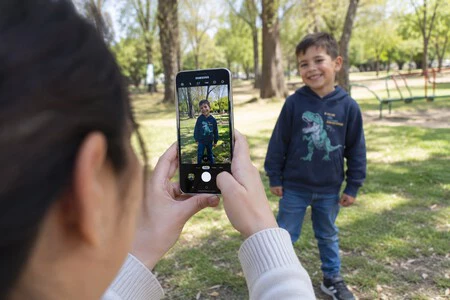
Strategies for Capturing Fleeting Moments: Burst Mode and Tracking Autofocus
When time is of the essence, or manual adjustments are not feasible, other built-in features can significantly enhance the chances of capturing a sharp image of a moving subject.
- Burst Mode (Continuous Shooting): This feature, present on virtually all smartphones, allows the camera to capture a rapid sequence of photos with a single press and hold of the shutter button. This rapid-fire approach dramatically increases the probability of catching the exact instant when the subject is momentarily still or in a desirable pose, free from blur. In situations involving children or pets, whose actions are notoriously unpredictable, burst mode is an invaluable tool. Users can then review the series of images and select the sharpest frame, discarding the rest. This method bypasses the need for immediate manual shutter speed adjustments, making it an excellent "shortcut" for spontaneous moments.
- Tracking Autofocus: Many advanced smartphones offer an "object tracking" or "tracking autofocus" feature. By tapping on the screen to designate a subject, the camera’s autofocus system attempts to maintain focus on that particular object even as it moves within the frame. This can be highly effective for subjects moving at a moderate pace or along a predictable path. However, like automatic shutter speed, tracking autofocus has its limitations. If the subject moves too erratically, changes direction abruptly, or momentarily leaves the frame, the system may struggle to reacquire focus promptly. This brief moment of re-adjustment can introduce blur, particularly if it coincides with the shutter firing. Understanding these nuances helps users leverage tracking autofocus effectively, recognizing its strengths for sustained motion but also its potential weaknesses for highly unpredictable movements.
The Broader Implications and Future of Mobile Photography
The persistent challenge of motion blur underscores a critical gap between user expectations and the technical realities of smartphone photography. While marketing often highlights megapixels and multi-lens systems, the true utility for many users lies in reliably capturing everyday moments, including those involving dynamic subjects.
The combination of an automatically chosen shutter speed that prioritizes overall image balance over motion freezing, coupled with the inherent unpredictability of subjects like children and pets, accounts for a significant portion of those otherwise well-exposed family photos that ultimately end up in the digital trash bin.
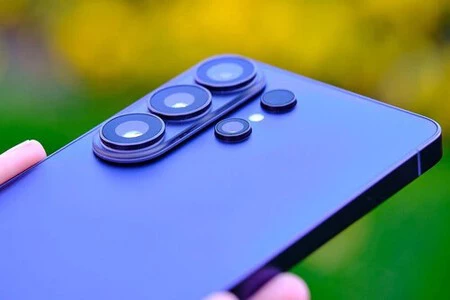
As smartphone camera technology continues to evolve, manufacturers are increasingly integrating sophisticated AI and machine learning algorithms to address these challenges. Future developments may include:
- Smarter Scene Detection: More advanced AI that can not only identify "pet" or "child" scenes but also anticipate movement patterns and automatically adjust shutter speeds accordingly, even in automatic modes.
- "Action Mode" Presets: Dedicated modes that prioritize faster shutter speeds by default, perhaps with intelligent ISO management to minimize noise while freezing motion.
- Computational Shutter: Techniques that use multiple short exposures and computational stitching to simulate a faster shutter speed while gathering sufficient light, potentially mitigating the ISO trade-off.
Ultimately, while technology progresses, a foundational understanding of photographic principles, particularly the critical role of shutter speed, empowers smartphone users to transcend the limitations of automatic modes. By leveraging Pro Mode, burst shooting, and understanding autofocus capabilities, individuals can take greater control over their mobile photography, ensuring that cherished, fleeting moments of their dynamic subjects are captured with clarity and precision, rather than being lost to the frustrating blur of an insufficient shutter speed.
Images: Dall-E, Samsung with editing.
In Xataka Móvil: To enter Japan, Samsung had to hide its brand and logo behind the name ‘Galaxy’.
In Xataka Móvil: I thought the mobile flashlight was a danger to the battery. My tests have proven otherwise.
