

The smart home landscape is at a pivotal moment, marked by significant leadership changes at Amazon and the approaching tenth anniversary of its pioneering voice assistant, Alexa, and the Echo smart speaker. David Limp, Amazon’s head of devices, is slated to retire, joining a growing exodus of executives from the tech giant over the past year. This transition, coupled with the impending milestone for Alexa and Echo, prompts a critical examination of their enduring role in the connected home and the broader trajectory of smart home technology.
The evolution of the smart home has been a complex journey, characterized by both rapid innovation and persistent challenges. While the initial promise of seamless integration and intuitive control captivated consumers, the reality has often fallen short. Recent product introductions and market trends highlight these ongoing concerns.
The Maturing Smart Home: Innovation Meets Practicality
The tenth anniversary of Alexa and the Echo line serves as a natural inflection point to assess the impact of these devices on the smart home ecosystem. Initially lauded for their ability to simplify tasks through voice commands, they have become ubiquitous in many households. However, the broader smart home market faces scrutiny regarding its accessibility, reliability, and the true value proposition for the average consumer.
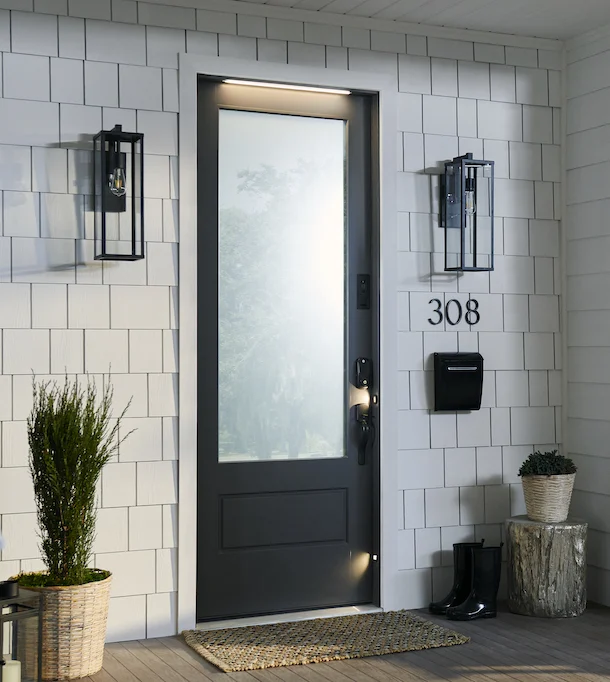
Illustrative of these challenges is the recent review of the Mill composting system, a product developed by Nest co-founder Matt Rodgers. While innovative in its intent to automate waste management, such high-end, niche appliances often highlight the cost barrier to widespread smart home adoption. Similarly, the introduction of the Masonite M-Pwr smart door at Home Depot, retailing at a premium price point, underscores the continued difficulty in making advanced smart home features truly accessible to a mass market. These products, while showcasing technological advancements, raise questions about whether the smart home is evolving into an exclusive domain for early adopters and affluent consumers, rather than a universally beneficial technology.
The smart home market has seen a steady increase in the number of connected devices. According to Statista, the number of Internet of Things (IoT) devices in households worldwide was projected to reach over 14.7 billion in 2023, a substantial increase from previous years. This growth, however, is not always matched by a commensurate increase in user satisfaction or seamless interoperability. Fragmentation in standards and the often-complex setup processes continue to be significant hurdles.
Navigating the Regulatory Landscape: Cybersecurity Takes Center Stage
In a significant development aimed at addressing some of the inherent security concerns within the burgeoning IoT sector, the U.S. Federal Communications Commission (FCC) has proposed a new cybersecurity labeling program for smart devices. The FCC’s Notice of Proposed Rulemaking, released for public comment, signals a proactive step towards enhancing consumer confidence and promoting a more secure connected environment. The comment period, which allows for public input for 30 days, is a crucial opportunity for stakeholders, including consumers, manufacturers, and security experts, to shape the future of this initiative.
The proposed label aims to provide consumers with clear, easily understandable information about the cybersecurity practices of smart devices. This move is particularly timely, as the proliferation of connected devices has also led to an increase in potential attack vectors for malicious actors. A standardized labeling system could empower consumers to make more informed purchasing decisions, prioritizing devices that meet robust security standards. The implications of such a program could extend beyond consumer electronics, potentially influencing the security posture of smart appliances, home automation systems, and other connected infrastructure.
Emerging Threats and Evolving Protocols: A Dynamic Ecosystem
The cybersecurity conversation within the tech world is further amplified by Microsoft’s recent discovery of a new set of vulnerabilities that could potentially be exploited to disrupt critical infrastructure, including power plants. This alarming revelation, detailed in a report from Microsoft, underscores the ever-present risks associated with interconnected systems and highlights the urgent need for enhanced security measures across all levels of technology. The potential for such vulnerabilities to impact essential services raises significant concerns for national security and public safety.
On a more positive note for the smart home hardware market, a new company is emerging as a potential secondary source for Z-Wave chips. Z-Wave is a wireless communication protocol designed for home automation, known for its reliability and low power consumption. The emergence of a new chip provider could help to diversify the supply chain, potentially leading to increased competition, innovation, and more stable pricing for Z-Wave-enabled devices. This development is particularly relevant as the smart home market continues to mature and the demand for robust and interoperable communication standards remains high.

The Homey Pro: A Deep Dive into Local Control and Potential
The conversation around smart home control and its various paradigms is further illuminated by Kevin’s recent review of the Homey Pro smart home hub. While the device comes with a substantial price tag, it offers a compelling proposition for users prioritizing local control and extensive device compatibility. The Homey Pro aims to consolidate control of a wide array of smart home devices, often circumventing the need for cloud-based processing, which can enhance both privacy and responsiveness.
The review highlights the potential of hubs that empower users to manage their smart homes independently of external servers. This approach is particularly attractive to individuals concerned about data privacy or those who wish to ensure their smart home functions even in the event of internet outages. The Homey Pro’s ability to integrate diverse protocols and devices, while offering local processing capabilities, represents a significant direction for advanced smart home enthusiasts. However, its high cost and the necessity for users to meticulously check device compatibility before purchase are important considerations for potential buyers.
Bridging the Gap: The Future of Z-Wave and Matter Interoperability
The ongoing evolution of smart home communication standards is a critical area of focus, and the integration of different protocols is key to a truly unified experience. Mariusz Malkowski, founder and CTO of Trident IoT, offers valuable insights into this complex landscape. Trident IoT is actively involved in the Z-Wave community, and Malkowski’s expertise sheds light on the company’s origins and its strategic vision.
A central theme in Malkowski’s discussion is the crucial role of bridging technologies in ensuring interoperability between established protocols like Z-Wave and newer standards such as Matter. Matter, an open-source standard developed by the Connectivity Standards Alliance, aims to simplify smart home device compatibility across different brands and ecosystems. The ability for Matter to seamlessly communicate with Z-Wave devices, and vice versa, will be paramount to its success and to the continued relevance of existing Z-Wave infrastructure. Trident IoT’s work in this area is therefore of significant importance.
Malkowski also elaborated on the future of Z-Wave, including advancements like Z-Wave Long Range (LR), which promises extended range and improved performance, and planned security upgrades designed to fortify the protocol against evolving threats. Trident IoT’s commitment extends beyond chip manufacturing; the company is also focusing on integrating other smart home radio protocols into devices and intends to serve as a Z-Wave certification house. This multifaceted approach positions Trident IoT as a key player in shaping the future of Z-Wave and fostering a more interconnected smart home ecosystem.
The importance of bridging technologies cannot be overstated. As of late 2023, the smart home market is characterized by a multitude of communication protocols, including Wi-Fi, Bluetooth, Zigbee, Z-Wave, and Thread. While Matter aims to unify many of these, the transition will be gradual, and the need for robust gateways and bridges to connect disparate devices and networks will persist for some time. Companies like Trident IoT that actively facilitate this interoperability are crucial for the continued growth and user acceptance of smart home technology.
Addressing Specific User Needs: The Right Light Bulb for the Job
Beyond the broader industry trends and technological advancements, the practical application of smart home technology often comes down to addressing specific user needs. In a segment dedicated to listener questions, the discussion turns to a practical query from a woodworker seeking advice on the optimal light bulb for a lamp he is constructing. This seemingly simple question highlights the granular level of detail involved in smart home customization and the importance of tailored solutions.
The recommendation would likely involve considering factors such as lumen output for brightness, color temperature for ambiance and task-specific illumination (e.g., warmer tones for a workshop setting to reduce eye strain), energy efficiency (LEDs are the standard), and potentially smart features like dimmability or color changing capabilities if desired. This segment serves as a reminder that while grand technological shifts are important, the everyday utility and user experience of smart home devices are equally critical to their widespread adoption.
The confluence of leadership changes at a major player like Amazon, the maturation of foundational smart home technologies, and the ongoing efforts to enhance security and interoperability paint a picture of a dynamic and evolving industry. The coming years will likely see a greater emphasis on user-centric design, robust security frameworks, and seamless integration, as the smart home strives to move beyond its early adopter phase and become an indispensable, yet unintrusive, part of everyday life for a broader population. The FCC’s proposed cybersecurity labeling program, the continued development of interoperable standards like Matter, and the emergence of new hardware suppliers like Trident IoT all point towards a concerted effort to build a more secure, reliable, and accessible smart home for the future.
