
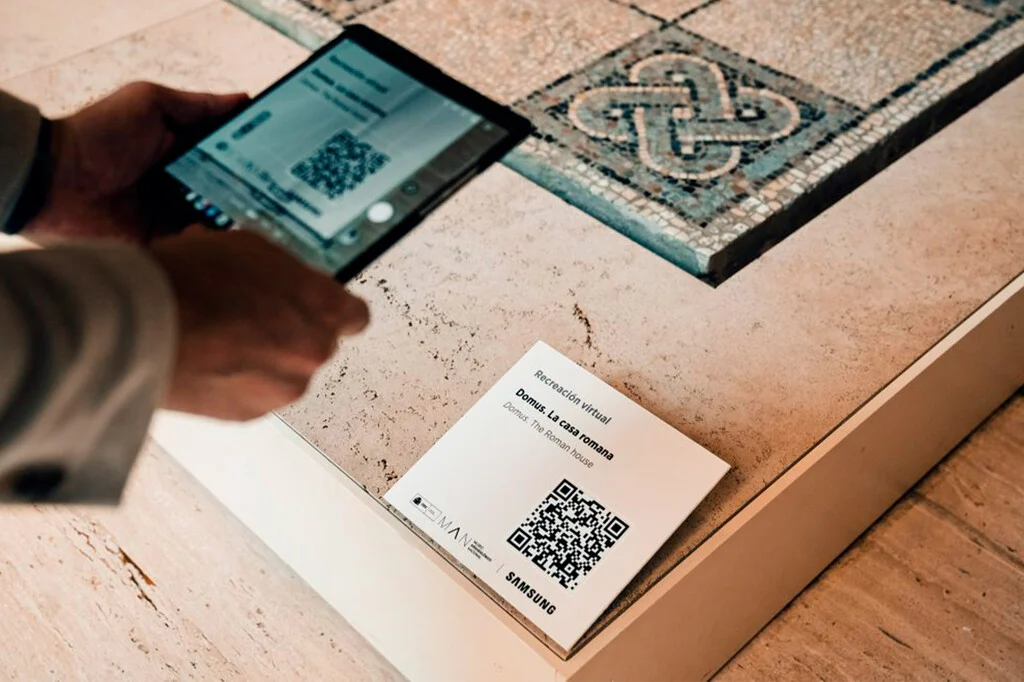

Samsung Electronics Iberia has officially announced the renewal of its long-standing collaboration with Spain’s National Archaeological Museum (MAN), solidifying its role as a key cultural partner for the prestigious institution for the next two years. This renewal marks a significant milestone in a partnership that has spanned over a decade, consistently leveraging technology to enhance the cultural experience for a diverse audience. Under Samsung’s global "Technology with Purpose" initiative, this renewed agreement introduces an innovative digital experience: an immersive journey into a Roman domus accessible directly through visitors’ mobile devices, transforming how the public engages with ancient history.
A Decade of Digital Cultural Engagement
The collaboration between Samsung and the National Archaeological Museum is not a recent development but rather the continuation of a successful alliance rooted in shared objectives: to make culture more accessible, engaging, and educational through technological innovation. Over the past ten years, this partnership has given rise to several pioneering projects, including "MAN Virtual," "MAN Aula Virtual," and "Vive el Pasado." These initiatives have consistently aimed to bridge the gap between historical artifacts and modern audiences, utilizing digital platforms to offer virtual tours, educational resources, and interactive content that extends beyond the physical confines of the museum. For instance, "MAN Virtual" likely allowed remote exploration of collections, while "MAN Aula Virtual" would have provided online educational modules for students and educators, underscoring a consistent commitment to digital outreach and learning.
This sustained partnership highlights a broader trend in the cultural sector: the increasing integration of digital tools to enrich the visitor experience. Museums worldwide are recognizing the potential of technology to attract new audiences, especially younger generations, and to provide deeper, more personalized insights into their collections. Samsung, through its "Technology with Purpose" program, has positioned itself at the forefront of this movement, not only with MAN but also through other initiatives such as enabling visitors to capture selfies with their favorite artworks at the Prado Museum, demonstrating a versatile approach to cultural engagement.
The New Frontier: Experiencing a Roman Domus Virtually
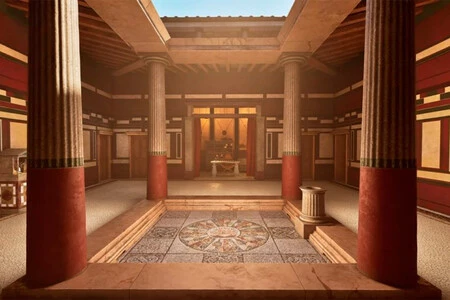
The core innovation emerging from this renewed agreement is a groundbreaking digital experience that transports visitors directly into the heart of a Roman domus. This immersive feature allows museum-goers to explore the layout, function, and daily life within a Roman household, not just through static displays but through dynamic virtual reconstruction. Leveraging the ubiquity of smartphones, the new system eschews traditional, often cumbersome, audioguides in favor of a personal, interactive experience.
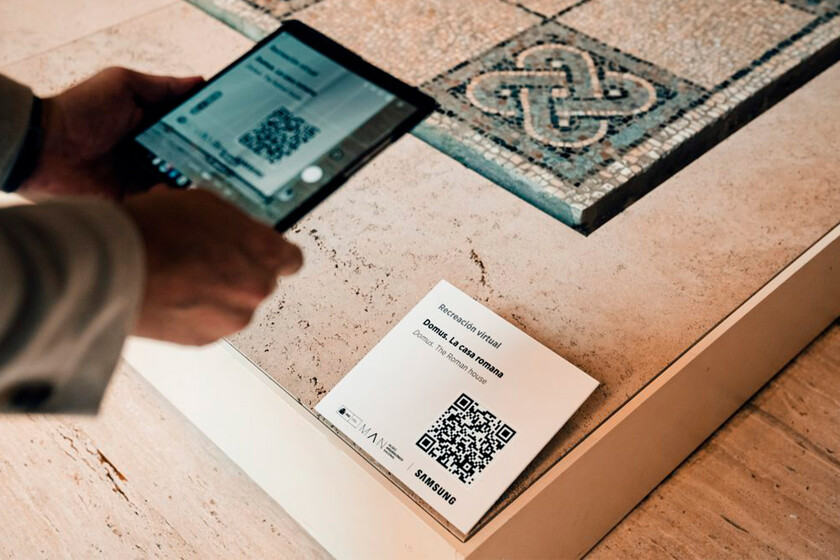
Upon entering the relevant sections of the museum, visitors will encounter strategically placed QR codes. Scanning these codes with their personal mobile devices will unlock a rich tapestry of information and virtual content. This content includes detailed descriptions of each room within the recreated Roman house, explaining its purpose, the artifacts that would have been found there, and the activities that took place. Crucially, the mobile experience offers a virtual immersion, contextualizing the physical objects on display and providing a vivid understanding of life in Roman Hispania. A professionally recorded voice-over acts as a personal guide, narrating the journey through the domus without the need for additional equipment, queues, or extra payments. This multi-lingual feature, available in Spanish, English, and French, ensures broad accessibility for both national and international visitors.
The choice of a Roman domus as the focal point for this new experience is particularly insightful. The domus was the private residence of an affluent family in ancient Rome, serving as a central hub for social, economic, and familial life. Recreating its intricate spaces—from the atrium and peristyle to the cubicula (bedrooms) and triclinium (dining room)—offers a tangible connection to the past. By enabling visitors to virtually walk through these spaces, the museum moves beyond merely displaying fragmented artifacts; it reconstructs the environment in which these objects were used, thereby illuminating the intangible aspects of Roman culture and society that cannot be conveyed through physical exhibition alone. This approach significantly enhances contextual understanding, allowing visitors to grasp the broader narrative and human stories behind the archaeological finds.
Official Voices on Innovation and Impact
The strategic importance of this collaboration is clearly articulated by the leaders of both institutions. Miguel Ángel Ruiz, Brand Strategy & Innovation Senior Manager at Samsung Electronics Iberia, emphasized the company’s foundational philosophy: "In Samsung, we understand technology as a tool with purpose, capable of bringing culture, knowledge, and education closer to people. The renewal of our agreement with the National Archaeological Museum allows us to continue promoting projects that put innovation at the service of heritage, enriching the visitor experience and contributing to making culture more accessible and relevant to new audiences." This statement reinforces Samsung’s commitment to its "Technology with Purpose" initiative, which extends beyond cultural heritage to support education, accessibility, employability, and entrepreneurship through technological solutions.
Isabel Izquierdo, Director of the National Archaeological Museum, echoed this sentiment, highlighting the transformative potential of the virtual recreation. She stated that it "offers a new museographic resource for our visitors in the Roman culture halls, allowing them to place objects in their original contexts and better understand their uses in daily life. Our goal is for the museum to be a living, dynamic space, capable of dialoguing in the present and awakening interest in the past." Her words underscore the museum’s dedication to evolving its presentation methods to remain pertinent and engaging in the 21st century. This innovation is crucial for a museum that houses over 3 million artifacts and welcomes hundreds of thousands of visitors annually (pre-pandemic figures often exceeded 500,000 visitors, a testament to its cultural significance).
Broader Implications and the Future of Museum Engagement
The renewed partnership and the introduction of the virtual domus experience carry significant implications for cultural heritage, education, and the future of museum engagement.
Enhanced Visitor Engagement and Personalization: By shifting from passive observation to interactive exploration, the MAN is setting a new standard for visitor engagement. The mobile-led experience empowers individuals to control their learning pace and focus on areas of particular interest, creating a more personalized and memorable visit. This level of interaction can foster deeper connections with the material, making ancient history feel more immediate and relevant. For instance, visitors can pause, re-listen, or delve into additional digital resources about specific artifacts, fostering a more self-directed learning journey.
Educational Value and Contextual Understanding: For students and educators, this digital domus offers an invaluable pedagogical tool. It moves beyond textbook descriptions by providing a visual and auditory reconstruction of historical environments, significantly improving contextual understanding. Understanding how artifacts were used within a living space helps demystify history, making it more tangible and relatable. This can be particularly beneficial for younger audiences, who are often more accustomed to interactive digital content. Moreover, the multilingual support ensures that a wider range of international students and researchers can benefit from these educational resources.
Accessibility and Inclusivity: The initiative significantly boosts accessibility. While traditional audio guides often require rental fees or specific equipment, leveraging personal smartphones removes several barriers. The multilingual options broaden its reach to international tourists and non-Spanish speaking residents, reinforcing the museum’s role as a global cultural institution. Furthermore, for individuals with certain learning styles, the combination of visual reconstruction, audio narration, and self-paced interaction can be more effective than purely textual information or static displays. This aligns perfectly with the "Technology with Purpose" ethos of making technology work for everyone.
Pioneering Digital Transformation in Cultural Heritage: The MAN-Samsung collaboration serves as a model for other cultural institutions navigating the complexities of digital transformation. As museums globally grapple with how to remain relevant in an increasingly digital world, initiatives like this demonstrate practical and impactful ways to integrate cutting-edge technology. It highlights the potential for public-private partnerships to drive innovation in cultural preservation and presentation, sharing expertise and resources for mutual benefit. The success of this long-standing collaboration underscores the value of sustained commitment to digital innovation rather than one-off projects.
Addressing the Digital Divide (Considerations): While leveraging personal smartphones enhances accessibility for many, it also implicitly relies on visitors owning such devices and having basic digital literacy. Future enhancements might consider providing loaner devices for those who do not have a smartphone or prefer not to use their own, ensuring that the digital experience is truly inclusive for all potential visitors. This is a common challenge for digital museum initiatives, and ongoing efforts to bridge this gap are crucial for universal access.
Reinforcing Samsung’s Corporate Social Responsibility: For Samsung, this partnership reinforces its commitment to corporate social responsibility (CSR) and its "Technology with Purpose" framework. By actively contributing to cultural enrichment and education, Samsung enhances its brand image as a socially conscious and innovative company. This strategic alignment between technological prowess and societal benefit creates a positive feedback loop, demonstrating how corporate innovation can directly serve public good.
A Glimpse into the Future: The success of the virtual domus experience could pave the way for similar digital reconstructions of other historical periods or cultural contexts within the museum. Imagine virtually exploring a prehistoric cave dwelling, a Visigothic workshop, or an Islamic palace, all through the intuitive interface of a smartphone. This approach transforms the museum into a dynamic portal to the past, capable of continually evolving and offering new insights without requiring extensive physical renovations.
In conclusion, the renewed partnership between Samsung Electronics Iberia and the National Archaeological Museum represents a forward-thinking fusion of technology and cultural heritage. By extending a decade of successful collaboration and introducing the immersive Roman domus experience, both institutions are not only enriching the visitor journey but also setting a precedent for how digital innovation can unlock the full potential of historical collections. This initiative underscores a shared vision for museums as living, dynamic spaces that utilize cutting-edge tools to engage, educate, and inspire a global audience, ensuring that the stories of the past resonate powerfully in the present and future.
