

After an impactful eight-year run, The Internet of Things Podcast has aired its final episode, marking a significant moment for the dedicated community that followed its insights into the evolving landscape of connected technology. Rather than delving into the day’s trending news, such as the highly anticipated initial public offering (IPO) of chip designer Arm, the introduction of new display options from Brilliant, or the latest smart home hardware from Leviton, the concluding broadcast focused on the hosts’ personal decisions to step away from the show and their future endeavors. This farewell also served as a valuable resource for listeners seeking new avenues for podcasts and Internet of Things (IoT) news, with the hosts sharing their preferred sources for staying informed.
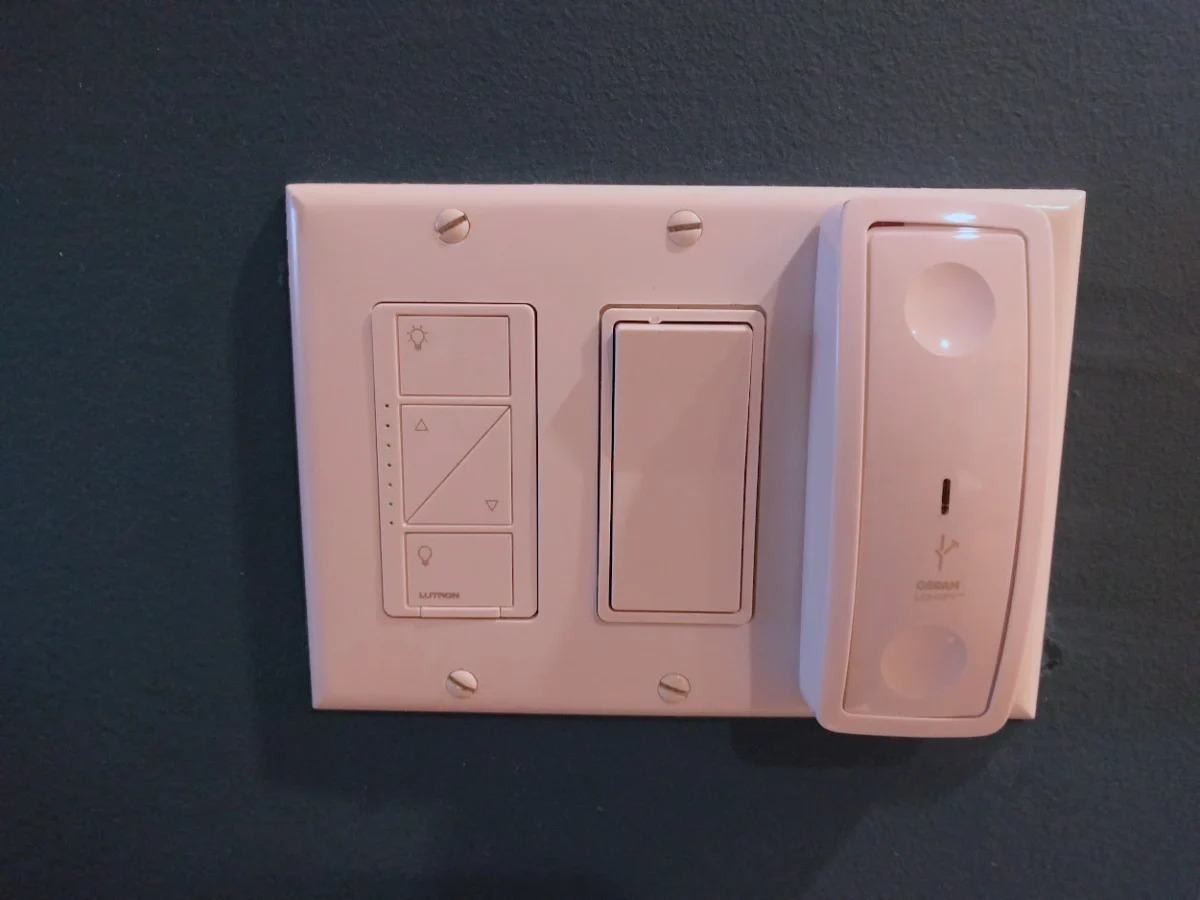
The hosts expressed their gratitude to their audience, acknowledging the journey that began with a shared passion for the burgeoning field of IoT. The podcast, which commenced its full-time operation in 2016, became a consistent voice in a rapidly developing sector. A poignant reflection from one of the hosts, accompanied by a photograph of mismatched light switches, humorously illustrated the practical, everyday challenges and triumphs of navigating early smart home adoption. This visual anecdote underscored the personal and hands-on approach that characterized the podcast’s content.
Reflecting on the Journey and Future Directions
The decision to conclude The Internet of Things Podcast was rooted in a desire for new challenges and opportunities. While specific details about each host’s next steps were shared, the overarching theme was one of continued engagement with technology and innovation, albeit in different capacities. This transition signifies a natural progression for creators who have dedicated a substantial period to a specific medium and topic. The eight-year tenure of the podcast represents a considerable period of consistent content creation and community building within the tech journalism sphere.
Listeners were provided with a curated list of recommended resources to bridge the gap left by the podcast’s conclusion. In the realm of podcasts, the hosts frequently tuned into the Mr. Beacon Show for its in-depth interviews and discussions, and of course, The IoT Podcast itself, which offered a continuous stream of relevant content. For broader tech news and analysis, publications like The Verge, TechHive, and The Ambient were highlighted for their comprehensive coverage. The Journal of Innovation, published by the Industrial IoT Consortium, was cited for its more academic and industry-focused perspectives.
Essential Resources for the Connected World
Staying abreast of the dynamic IoT and smart home sectors requires a multifaceted approach to information gathering. The hosts emphasized the value of community-driven platforms, frequently visiting subreddits such as r/smarthome and r/homeautomation for real-time discussions, user experiences, and emerging trends. These forums often serve as early indicators of consumer sentiment and practical applications of smart technology.
For those interested in the industrial IoT (IIoT) landscape, the hosts pointed to the work of James Blackman at RCR Wireless as a trusted source for news and analysis. In the financial and investment circles, Dan Primack’s Axios Pro Rata newsletter was recommended for its timely updates on funding rounds and mergers and acquisitions, providing critical insights into the economic forces shaping the tech industry. Additionally, Iskander Smit’s "Target is New" newsletter was lauded for its thoughtful commentary on IoT, artificial intelligence (AI), and design principles, offering a more conceptual and strategic outlook. While acknowledging the vast array of other valuable resources available, the hosts maintained brevity to ensure their final episode remained focused and impactful.
A Deep Dive into the Smart Home: Present and Future
The culmination of the podcast’s run featured a comprehensive discussion on the current state of the smart home and projections for its future evolution. This final segment addressed a listener’s question regarding the definition of a "complete" smart home, prompting an exploration of user needs, interoperability, and the seamless integration of various devices. The hosts also shared their perspectives on the innovations poised to drive the industry forward, highlighting key areas of potential growth and development.
Interview with Jennifer Pattison Tuohy: A Look at Smart Home Dynamics
The final episode was significantly enriched by the presence of Jennifer Pattison Tuohy, a seasoned journalist from The Verge. With nearly a decade of experience covering the smart home sector, Tuohy brought a wealth of knowledge and a critical perspective to the discussion. Her work has consistently demonstrated a commitment to hands-on testing and a keen ability to discern the broader technological and market trends.
Tuohy’s expertise was instrumental in dissecting the current smart home landscape, assessing the progress and challenges of the Matter interoperability standard, and analyzing the viability of various business models for connected home devices. Her insights into the strategic initiatives of the Connectivity Standards Alliance, particularly their plans for future development, offered listeners a glimpse into the behind-the-scenes efforts shaping the industry. The conversation also touched upon the fundamental distinction between smart home infrastructure and individual smart devices, a critical consideration for both consumers and manufacturers. Furthermore, Tuohy shared details of her personal smart home setup, providing a practical, real-world example of how these technologies are integrated into daily life. This segment provided a fitting and insightful conclusion to the podcast’s extensive coverage of the smart home.
The Evolution of Smart Home Interoperability and Business Models
Jennifer Pattison Tuohy’s analysis provided crucial context for understanding the current state of smart home technology. The protracted development and eventual rollout of the Matter standard, designed to simplify device compatibility across different brands and ecosystems, has been a central theme in the smart home industry for several years. While Matter represents a significant step towards a more unified experience, its widespread adoption and the seamless integration of all devices remain ongoing processes. Tuohy’s discussion likely touched upon the remaining hurdles, such as the complexity of some device integrations and the pace of firmware updates required for full Matter compliance across a diverse range of products.
The economic underpinnings of the smart home market were also a key focus. The discussion likely explored the challenges manufacturers face in developing sustainable business models for connected devices. Historically, many smart home products have been sold as one-time hardware purchases. However, as the market matures, there is increasing interest in recurring revenue streams through subscriptions for enhanced features, cloud services, or premium support. Tuohy’s expertise would have shed light on which of these models are proving most effective and what consumer expectations are regarding the pricing and value proposition of smart home services.
Infrastructure vs. Devices: A Foundational Debate
The distinction between smart home infrastructure and individual smart devices is a fundamental concept that often dictates the user experience and the long-term viability of a smart home ecosystem. Infrastructure components, such as robust home networking, centralized hubs, and standardized communication protocols like Matter, form the backbone upon which individual devices operate. Investing in strong infrastructure can lead to a more stable, secure, and future-proof smart home.
Conversely, individual smart devices, such as smart bulbs, thermostats, or security cameras, represent the tangible touchpoints of smart home technology. The success of these devices often hinges on their ease of use, functionality, and their ability to integrate seamlessly with the underlying infrastructure. Tuohy’s insights into this dynamic likely explored how manufacturers are approaching this balance, whether by focusing on end-to-end solutions that encompass both hardware and software, or by specializing in specific components of the smart home ecosystem. The future of the smart home may well depend on how effectively these two elements are harmonized.
The Connectivity Standards Alliance’s Vision for the Future
The Connectivity Standards Alliance (CSA), formerly the Zigbee Alliance, plays a pivotal role in shaping the future of connected devices through standards development. Its leadership in the creation of Matter has been a cornerstone of efforts to unify the smart home market. Tuohy’s discussion of the CSA’s future plans likely offered a preview of upcoming initiatives beyond Matter. This could include advancements in areas such as device security, energy management protocols, or the integration of new sensing technologies. The CSA’s strategic roadmap is crucial for understanding the direction of the broader IoT industry, influencing everything from product development cycles to regulatory considerations.
The continued evolution of the smart home hinges on a delicate interplay between technological innovation, consumer adoption, and the establishment of robust industry standards. As The Internet of Things Podcast concludes its influential tenure, the insights shared in its final episode provide a valuable retrospective and a forward-looking perspective on a sector that continues to redefine how we interact with our living spaces. The legacy of the podcast lies not only in its comprehensive coverage but also in its ability to foster informed discussions and guide listeners through the complexities of the connected world.
