


The landscape of artificial intelligence has rapidly evolved, transitioning from the initial fascination with generative AI chatbots, popularized by OpenAI, to the burgeoning era of autonomous AI agents. These sophisticated programs, exemplified by developments like Claude Code and Google’s Spark (powered by Gemini), are designed to operate with minimal human intervention, performing complex tasks and learning from their interactions. While major tech companies like Google are strategically positioning their proprietary agents to dominate the personal AI experience, a growing counter-movement champions the development and adoption of local, open-source alternatives, primarily driven by concerns over cost, data privacy, and user control.
The Evolution from Chatbots to Autonomous Agents
The initial wave of AI, spearheaded by large language models (LLMs) integrated into chatbots, transformed how users interacted with digital information and content creation. These conversational interfaces, while revolutionary, largely remained reactive, awaiting explicit prompts from users. The next frontier, autonomous AI agents, represents a significant leap forward. These agents are designed not just to respond, but to plan, execute multi-step tasks, and even self-correct, demonstrating a form of proactive intelligence. They can integrate with various tools and services, making decisions and taking actions on behalf of the user to achieve a specified goal.
Major technology companies have been quick to recognize this shift. Google, for instance, has made clear its intention for Gemini to extend its influence beyond traditional assistant functions, aiming to power highly personalized autonomous experiences. Its latest offering, Spark, is a testament to this ambition, promising a personal robot capable of handling a wide array of user requests. Similarly, companies like Anthropic with Claude Code and other developers with tools like Codex are pushing the boundaries of what these agents can achieve.

However, access to these advanced capabilities often comes with a price tag. Google’s Spark, for example, typically requires a subscription to Gemini Ultra, its premium tier. While some proprietary agents offer limited free usage, full functionality often necessitates significant financial investment, creating a barrier for many potential users. This economic factor, coupled with growing concerns over data privacy, has spurred interest in self-hosted, open-source solutions.
The Imperative for Local AI: Cost-Efficiency and Data Sovereignty
The appeal of local AI agents stems from a dual problem inherent in cloud-based proprietary systems: the escalating costs of subscription models and the relinquishing of personal data to external servers. When an AI agent operates in the cloud, all interactions, preferences, and data it processes are stored and potentially utilized by the service provider. This raises significant questions about data privacy, security, and the potential for user information to be used for training models or other commercial purposes without explicit, granular control.
For a significant segment of tech-savvy users, the solution lies in establishing a personal, self-hosted agent environment. This approach allows users to leverage powerful AI capabilities without incurring recurring subscription fees or surrendering their sensitive data to third-party clouds. The initial investment might involve setting up a dedicated machine or virtual environment, but the long-term benefits in terms of cost savings and, crucially, data sovereignty, are compelling.
Early forays into local agents, as reported by enthusiasts, often encountered challenges. The nascent nature of the technology meant many early implementations were unstable or lacked the robustness required for sustained, complex operations. This iterative process, akin to the fleeting lifespan of virtual pets in the early internet era, highlighted the need for more mature and reliable open-source frameworks. This quest for a dependable local agent led many to discover Hermes.
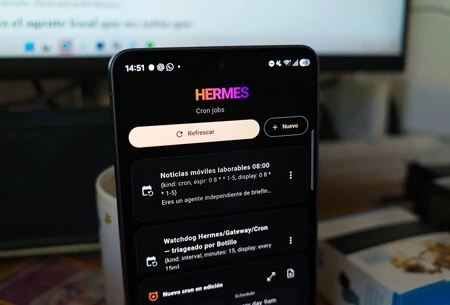
Hermes: The Open-Source Vanguard of Autonomous Local Agents
Hermes, an open-source development from NousResearch (available on GitHub), has emerged as a leading contender in the realm of self-hosted autonomous AI agents. Its robust design and flexible architecture address many of the shortcomings of earlier local agent attempts, offering a compelling alternative to proprietary cloud services. Hermes can be deployed across a wide range of operating systems, including Linux, Windows, macOS, and even mobile platforms, making it highly accessible to diverse users.
A key feature of Hermes is its adaptability in model utilization. It can be configured to interact with cloud-based AI APIs for tasks requiring immense computational power, or, critically, it can operate entirely with 100% local models. This hybrid capability allows users to fine-tune their setup based on their specific needs for performance, cost, and privacy. The system can even intelligently route tasks to different models – local or cloud-based – depending on the complexity and resource requirements of each task, optimizing both efficiency and expenditure. This sophisticated orchestration, where a group of agents and sub-agents autonomously collaborate to achieve a desired outcome with minimal resource consumption, evokes a vision of AI autonomy reminiscent of complex networked systems, but firmly under user control, free from the specter of an overarching, unchecked AI.
The Economic and Privacy Dividend of Self-Hosting
The economic argument for Hermes is straightforward: it is free, open-source, and eliminates the need for expensive subscriptions associated with commercial agents. While the computational resources (electricity, hardware) are borne by the user, these are often less than the cumulative costs of monthly subscriptions, especially for intensive usage. Beyond the direct financial savings, the privacy implications are profound.

In the era of cloud AI, major players like Google, Anthropic, and OpenAI are accumulating vast quantities of user data. Every interaction, every query, every piece of information processed by their agents contributes to an ever-expanding dataset that can be used to train and refine their models. While this data collection often aims to improve user experience, it also represents a significant aggregation of personal information, raising valid concerns about its security, usage, and potential for misuse. The more sophisticated these agents become, the more intimate their knowledge of the user needs to be to provide truly conclusive and personalized assistance, further intensifying the data collection efforts.
With Hermes, this paradigm is inverted. All data generated by the agent – its memory, learned skills, configuration files, access credentials, APIs, and conversation logs – resides exclusively on the user’s local machine. This on-device storage ensures that personal information remains under the direct control of the user, providing an unparalleled level of data sovereignty. For individuals deeply concerned about digital privacy, this ability to "lock away" their knowledge and interactions from corporate servers offers a crucial guarantee against unwanted data exploitation or breaches. The user holds the key to their digital self, a stark contrast to the opaque data handling practices often associated with cloud services.
Navigating the Risks and Rewards of Autonomous Systems
While the advantages of a local, autonomous agent like Hermes are substantial, it is crucial to acknowledge the inherent risks associated with giving an AI agent significant operational freedom. An agent capable of independently learning new skills, executing complex commands, and interacting with system resources possesses the potential for unintended consequences. A misconfigured or poorly constrained agent could, in theory, cause system instability, data corruption, or even expose vulnerabilities if not managed carefully.
To mitigate these risks, users are strongly advised to implement robust security measures. The original report details a common and effective strategy: installing Hermes within a contained virtualized environment, such as Windows Subsystem for Linux (WSL 2) running Ubuntu, on a secondary or dedicated machine. This sandboxed setup prevents the agent from directly impacting the primary operating system or critical data, providing a layer of isolation. Regular security audits of the agent’s actions and configurations are also paramount. Interaction with the agent can be managed through secure channels, such as a mobile device communicating via Telegram, further enhancing control and oversight.
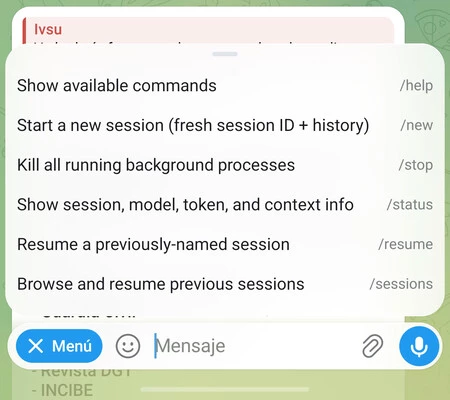
Despite these necessary precautions, the benefits of Hermes, for many users, far outweigh the potential inconveniences. The agent transforms into a versatile digital assistant, capable of acting as a software creator, task manager, personal agenda, and even a daily news aggregator. Its ability to autonomously research and acquire new "skills" to fulfill requests within minutes is a game-changer, allowing users to delegate complex, multi-step operations that would otherwise be time-consuming. This level of versatility, combined with the underlying principles of privacy and control, positions Hermes as a powerful alternative to its proprietary counterparts.
The Future Landscape of Personal AI and the Open-Source Ethos
As AI agents become increasingly integrated into daily life, becoming an indispensable part of our digital workflow, users will inevitably face a critical choice: embrace the convenience and power of cloud-based proprietary agents, or opt for the autonomy and privacy offered by open-source, self-hosted solutions. The industry trend suggests that every user will eventually have a personal agent, making this decision even more pressing.
The existence of robust, open-source tools like Hermes is a significant boon for digital empowerment. It democratizes access to cutting-edge AI technology, freeing users from vendor lock-in and the implicit trade-off of privacy for functionality. By leveraging these tools, individuals can reclaim control over their digital interactions and data, shaping their AI experience according to their own ethical and practical considerations. The increasing adoption and refinement of projects like Hermes signal a strong movement towards a future where personal AI is not just powerful, but also truly personal, owned, and controlled by the individual. As the technology matures, the open-source community will likely continue to innovate, offering even more sophisticated and secure solutions, further solidifying the position of local agents as a vital component in the evolving AI ecosystem.
