
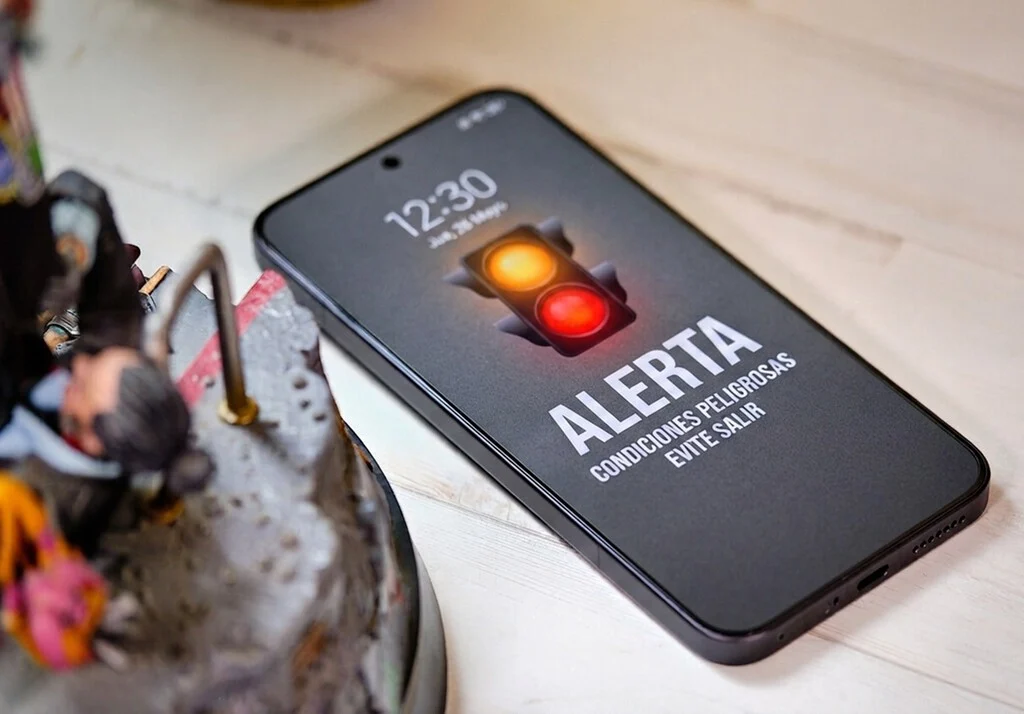

President-elect Claudia Sheinbaum has officially confirmed that the Mexican government is actively developing and implementing a sophisticated new mobile alert system designed to provide the populace with critical emergency notifications during the country’s severe rainy and hurricane seasons. This initiative marks a significant advancement in Mexico’s disaster preparedness infrastructure, aiming to leverage ubiquitous mobile technology for widespread and immediate public safety communication. The system is anticipated to be operational within approximately two months, strategically aligning its launch with the historical peak of adverse meteorological phenomena.
Mexico, a nation geographically positioned to be impacted by both Pacific and Atlantic weather systems, experiences an annual hurricane and rainy season that traditionally spans from June through November. Historical data from the Secretaría de Marina (SEMAR) indicates a particularly intense concentration of incidents, with a staggering 84% occurring during the months of August and September. This period frequently brings devastating tropical storms, cyclones, and hurricanes, which have historically caused widespread destruction, displacement, and loss of life across various regions of the country. From the catastrophic impacts of Hurricane Otis in Acapulco in 2023, which rapidly intensified to a Category 5 storm causing immense damage and significant casualties, to the powerful Hurricane Patricia in 2015, one of the strongest hurricanes ever recorded globally, and others like Alberto and Beryl, the imperative for robust and timely public warning mechanisms has never been more evident. The recurrent nature and escalating intensity of these events underscore the critical necessity for a system that can effectively alert citizens, enabling them to take proactive measures for their safety and the protection of their property.
Mexico’s Vulnerability to Extreme Weather and the El Niño Factor
Mexico’s extensive coastlines, coupled with its diverse topography, render it highly susceptible to a broad spectrum of meteorological hazards. The Pacific coast is frequently impacted by hurricanes originating in the Eastern Pacific basin, while the Gulf of Mexico and Caribbean coasts are vulnerable to storms forming in the Atlantic basin. Beyond hurricanes, the rainy season brings torrential downpours that can trigger flash floods, landslides, and widespread urban inundations, particularly in densely populated areas and informal settlements. The economic toll of these disasters is immense, often diverting substantial national resources towards recovery and reconstruction efforts, while the human cost, both in terms of fatalities and long-term displacement, is immeasurable.
The current announcement regarding the new alert system comes amidst projections by some meteorological agencies that the upcoming El Niño phenomenon could be among the most intense in the last 150 years. El Niño is a climate pattern characterized by the unusual warming of surface waters in the eastern tropical Pacific Ocean, which can significantly alter global weather patterns. In Mexico, a strong El Niño typically correlates with a reduced number of Atlantic hurricanes due to increased wind shear, but it can also lead to an increase in Eastern Pacific hurricanes and, crucially, contribute to more intense rainfall events in certain regions. This potential for heightened precipitation and an altered hurricane landscape further amplifies the urgency and strategic importance of implementing a sophisticated early warning system. The government’s proactive stance, as articulated by President-elect Sheinbaum, reflects a commitment to mitigating the anticipated risks associated with these complex climate phenomena.
Designing a Two-Tiered Alert System for Public Safety
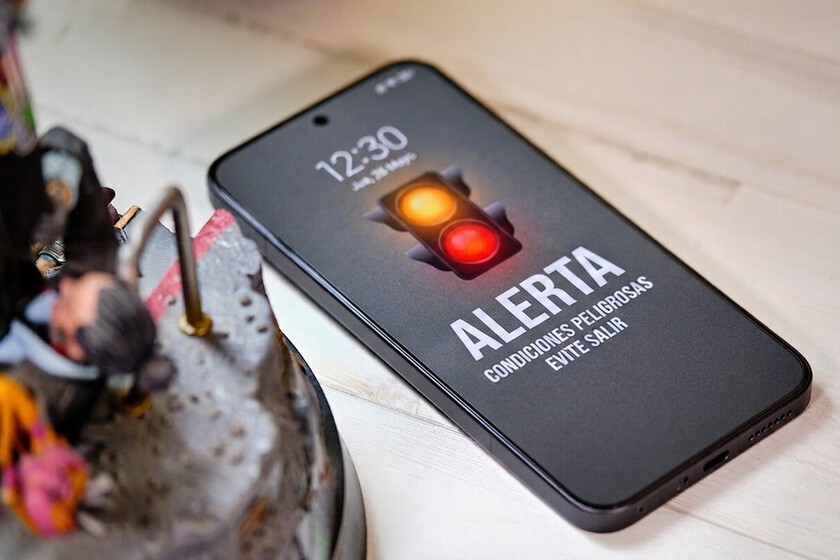
The proposed mobile alert system is engineered to be intuitive and highly effective, providing clear and actionable information directly to the public. It will feature a two-tiered warning structure, utilizing a color-coded semaphore system combined with distinct auditory signals to convey the level of urgency and the specific nature of the impending threat.
The first level of alert will be designated by the color orange. This alert will be activated when there is a high probability of intense rainfall or the development of meteorological conditions that could lead to significant localized flooding or disruptions. An accompanying unique sound will signify this level of warning, prompting citizens to monitor conditions, prepare for potential impacts, and take precautionary measures such as securing outdoor items, avoiding flood-prone areas, and having emergency kits ready. This orange alert aims to provide sufficient lead time for preparation before conditions deteriorate critically.
The second, more urgent level of alert will be indicated by the color red. This critical warning will be issued when there is an imminent threat, specifically the expected arrival of a cyclone or hurricane. A different, distinct and urgent sound will accompany this red alert, signaling a need for immediate action. This could include seeking shelter in designated safe zones, initiating evacuation procedures if advised by authorities, or reinforcing homes against high winds and heavy precipitation. The red alert is designed to communicate the highest level of danger, demanding rapid response to safeguard lives.
The system’s functionality is predicated on directly sending these alerts to mobile phones within affected geographical areas. While specific technical details on the underlying technology (e.g., cell broadcast technology, SMS-based alerts, or an integrated application system) are yet to be fully disclosed, the emphasis on direct mobile reception suggests a robust infrastructure capable of overriding ‘do not disturb’ settings and reaching a broad audience even during network congestion, similar to advanced emergency alert systems deployed globally. The objective is to ensure that a maximum number of citizens receive timely warnings, transforming their mobile devices into essential tools for personal safety and community resilience.
Timeline and Strategic Implementation
The ambitious timeline for the system’s deployment, approximately two months from the announcement, highlights the government’s recognition of the immediate need. This period directly precedes and coincides with August and September, which, as historical data confirms, represent the peak months for severe weather incidents in Mexico. By launching the system during this critical window, authorities aim to maximize its impact during the most vulnerable part of the year, potentially saving lives and mitigating damages from the very first season of its operation.
The development and implementation of such a system undoubtedly involve a multi-agency effort. Key institutions likely playing pivotal roles include Mexico’s National Civil Protection System (Sistema Nacional de Protección Civil – SINAPROC), the National Meteorological Service (Servicio Meteorológico Nacional – SMN), the National Water Commission (Comisión Nacional del Agua – CONAGUA), and the National Center for Disaster Prevention (Centro Nacional de Prevención de Desastres – CENAPRED). These agencies would be responsible for meteorological monitoring, risk assessment, alert generation, and the dissemination of public safety instructions, ensuring the alerts are accurate, timely, and actionable. Collaboration between these entities and telecommunications providers will be crucial for the technical rollout and sustained operation of the system.
Lessons from International Precedents and Existing Systems
Mexico’s new mobile alert system draws inspiration from and builds upon the successes of similar emergency warning infrastructures around the world. One prominent example is the ES-Alert system in Spain, which functions as part of the country’s Civil Protection initiatives. ES-Alert has been activated on multiple occasions to warn citizens of meteorological dangers, such as intense storms or flash floods. While generally effective, the Spanish experience has also highlighted challenges, such as ensuring complete coverage in all areas and addressing public perception regarding the system’s reliability. The original article mentions a point about ES-Alert’s dependency on antennas that can fall, implying a potential future shift towards satellite-based solutions to enhance resilience. Mexico can learn from these experiences, focusing on infrastructure robustness and redundancy.
Another highly relevant precedent is the Android Earthquake Alert System, which is pre-installed on many Android smartphones globally and has proven to be incredibly effective in seismic zones. This system leverages the accelerometers within millions of Android phones to detect seismic activity, sending out warnings seconds before an earthquake’s P-wave (primary wave) arrives at a user’s location. Its success in countries like Venezuela, where it has provided crucial seconds of warning, demonstrates the power of utilizing widely available mobile technology for early disaster notification. This system’s decentralized, crowd-sourced approach to detection offers valuable insights into building resilient and far-reaching alert networks.
Other nations have also implemented robust emergency alert systems:
- Japan’s J-Alert: An integrated system that broadcasts warnings via satellite to various mediums, including TV, radio, mobile phones, and public loudspeakers, for a range of threats from earthquakes and tsunamis to missile attacks.
- The U.S. Wireless Emergency Alerts (WEA): Delivers geographically targeted emergency messages to mobile phones without requiring users to download an app or subscribe. It’s used for severe weather, AMBER alerts, and presidential alerts.
- Canada’s Alert Ready: An emergency alerting system that delivers critical and potentially life-saving alerts to Canadians through television, radio, and compatible wireless devices.
These international examples underscore the established efficacy of mobile-based warning systems in enhancing public safety. While no system is entirely infallible, and occasional false alarms or technical glitches can occur, the overarching benefit of reaching a vast majority of the population through a device they constantly carry far outweighs these potential drawbacks.
Broader Impact and Implications
The introduction of this advanced mobile alert system represents a significant step forward in Mexico’s disaster risk reduction strategy. Its implications are far-reaching:
- Enhanced Public Safety: The most immediate and critical impact will be the potential to save lives and reduce injuries by providing timely warnings, allowing citizens to seek shelter or evacuate.
- Reduced Economic Losses: Early warnings can enable businesses and individuals to protect assets, leading to less property damage and quicker recovery times for affected regions. This can translate into billions of pesos saved annually.
- Increased Public Preparedness and Awareness: Consistent use of the system, coupled with public education campaigns, will foster a culture of preparedness among the Mexican populace, ensuring they understand the alerts and how to react.
- Improved Governance and Trust: A proactive and effective emergency response system enhances public trust in government institutions and demonstrates a commitment to citizen welfare.
- Integration with Existing Protocols: The new system will likely integrate with existing emergency response protocols, streamlining communication channels for Civil Protection agencies, first responders, and emergency services.
- Data for Future Planning: The operational data from the system, including alert dissemination and public response, can provide valuable insights for refining future disaster management strategies and urban planning.
However, the successful implementation and long-term effectiveness of the system will also depend on several factors. Public education campaigns will be crucial to ensure citizens understand the meaning of the orange and red alerts, the distinct sounds, and the appropriate actions to take. Furthermore, addressing potential issues such as "alert fatigue" (where too many non-critical alerts lead to complacency) and ensuring equitable access to alerts in remote areas with limited mobile connectivity will be ongoing challenges. The government will need to continuously monitor and refine the system, incorporating feedback and leveraging technological advancements to ensure its sustained reliability and effectiveness in the face of evolving climate challenges.
In conclusion, the impending launch of Mexico’s new mobile alert system signifies a pivotal moment in the nation’s approach to disaster preparedness. By embracing cutting-edge mobile technology and drawing lessons from global best practices, the Mexican government, under the leadership of Claudia Sheinbaum, is taking a decisive step towards building a more resilient and informed society, better equipped to face the increasing threats posed by extreme weather events.
