
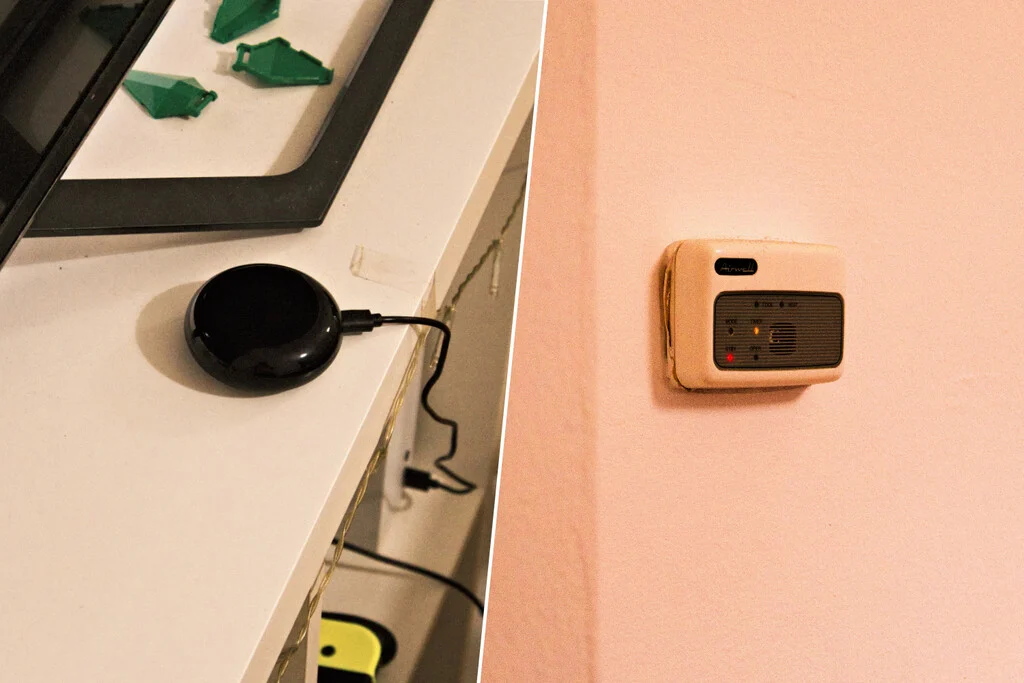

The persistent challenge of integrating older household appliances, particularly centralized air conditioning units or wall-mounted split systems, into modern smart home ecosystems has long presented a significant hurdle for consumers. Often, these legacy devices confine users to the limitations of their original, proprietary remote controls, a situation that can be particularly cumbersome when range is poor or line-of-sight is obstructed. This widespread issue underscores a growing demand for accessible and affordable solutions to modernize existing home infrastructure without incurring the substantial cost of full system replacements. A recent case highlights a highly effective and economical approach: the adoption of a generic WiFi-infrared (IR) remote control, priced at approximately five euros, which promises to revolutionize appliance control and enhance user convenience through smartphone and voice integration.
The Challenge of Legacy Appliances in a Connected World
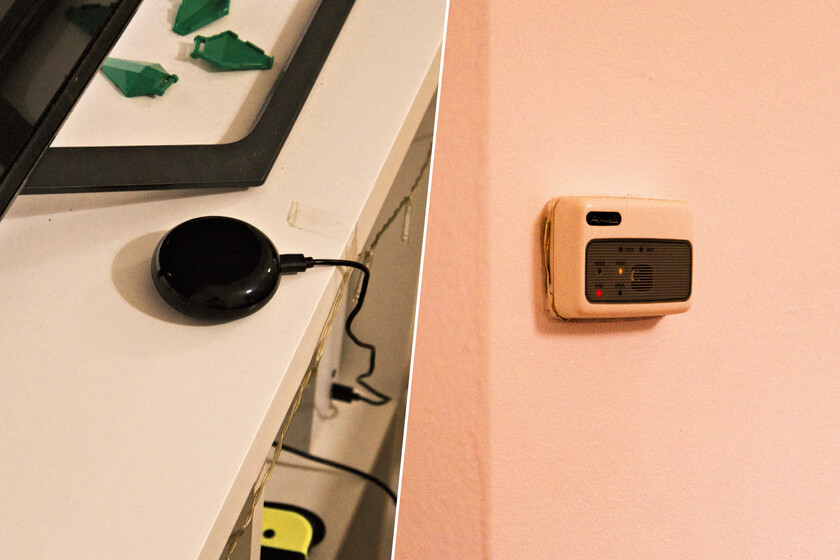
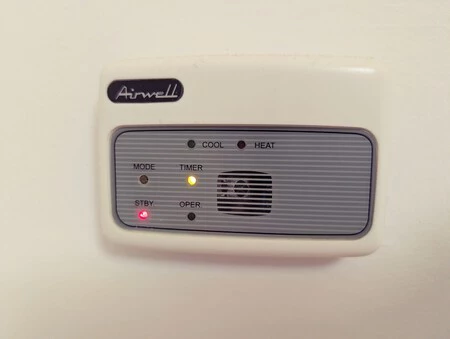
For many homeowners, the investment in a centralized air conditioning system or a traditional split unit represents a significant expenditure, designed for longevity. However, the rapid evolution of home automation and internet-of-things (IoT) technologies has rendered many of these perfectly functional appliances technologically obsolete in terms of control. The original remote controls, while operational, often suffer from design flaws such as limited range, directional dependency, or a lack of advanced features like scheduling or remote access. One user, for instance, recounted the frustration of an air conditioning unit located in a false ceiling, where the wall-mounted receiver’s poor signal reception necessitated precise, millimeter-accurate aiming of the remote control—a daily inconvenience that epitomizes the "condemnation" of being tethered to outdated control mechanisms. This scenario is not unique; millions of households globally grapple with similar frustrations, highlighting a clear market gap for solutions that enhance usability without demanding a complete overhaul of existing, expensive hardware.
The broader context reveals a consumer base increasingly accustomed to digital convenience. From smart lighting to automated security systems, the expectation is that household devices should be controllable from anywhere, at any time, often via a single interface or voice command. This "digital divide" within the home creates a disconnect where essential appliances like air conditioners remain isolated from the broader smart ecosystem, leading to inefficiencies and reduced comfort. The inability to pre-cool a home before arrival or adjust settings from another room—or even another continent—is a palpable disadvantage in an era defined by connectivity.
A Smart Solution Emerges: Bridging WiFi and Infrared
In response to this pervasive problem, a straightforward yet ingenious solution has gained traction: the universal WiFi-IR remote controller. This device acts as a crucial bridge, translating modern WiFi-based commands from smartphones or smart speakers into the infrared signals understood by traditional appliances. Drawing parallels with other smart home innovations, such as smart plugs enabling remote control for non-smart routers or lights, this IR blaster represents a strategic move towards democratizing smart home capabilities. Its affordability, often costing as little as five euros through online retailers, positions it as an accessible upgrade for a wide demographic. The immediate benefit reported by users is a dramatically improved climate control experience, shifting control from an archaic physical remote to intuitive smartphone applications or voice commands via devices like Google Nest Mini or Amazon Alexa.
This technological advancement taps into a broader trend of "smartifying" existing infrastructure rather than replacing it entirely. As smart home technology matures, the focus is shifting from purely new installations to retrofitting and integrating legacy systems. This approach not only makes smart home features more accessible to a wider economic spectrum but also promotes a more sustainable model by extending the useful life of existing appliances.
Technical Specifications and Operational Principles
At its core, the universal WiFi-IR controller is a remarkably simple yet effective piece of hardware. Typically, it is a compact plastic device, weighing approximately 43 grams, designed for minimal visual intrusion. Its power source is commonly a micro USB port, though the industry is gradually shifting towards the more versatile USB-C standard. Connectivity is established via a 2.4 GHz WiFi network, a frequency band chosen for its superior range and penetration through obstacles, making it ideal for home environments.
The device’s fundamental role is that of a translator. It receives digital commands transmitted over the home’s WiFi network from a paired smartphone application or a smart speaker. Upon reception, it converts these digital instructions into the corresponding infrared frequencies that conventional air conditioners and other IR-controlled appliances (such as televisions, set-top boxes, or DVD players) interpret as commands. Unlike traditional IR remotes that require a direct line of sight and often suffer from limited range, these smart IR blasters are designed to broadcast signals more broadly, typically covering a radius of up to eight meters. This extended and less directional coverage significantly mitigates the issues of poor signal reception and precise aiming that plague older systems, thereby enhancing user convenience and reliability.
The Setup and Configuration Process: Navigating User Experience
The successful integration of the WiFi-IR controller into a smart home ecosystem hinges on its configuration via a dedicated application. The Smart Life app, widely recognized and utilized for controlling a multitude of smart home devices, serves as the primary interface. Compatible with both iOS and Android platforms, the app facilitates the initial pairing of the controller with the home’s WiFi network and subsequently with the target appliances. The process generally involves adding the device within the app, which then guides the user through connecting it to their local network. Once connected, the app can be accessed from multiple devices within the household, allowing various family members to control the air conditioning from their respective smartphones or tablets.
However, the user experience during configuration can present varying degrees of complexity. While the Smart Life app boasts an extensive database of pre-defined profiles for thousands of appliances, aiming to offer an automatic setup, it is not always foolproof. In cases where an appliance’s specific brand or model (such as an Airwell unit, as mentioned in the user’s experience) is not recognized or an automatic profile fails to function correctly, users must resort to the device’s infrared learning function. This manual configuration mode requires the user to enable a blank remote control interface within the app. Subsequently, by pointing the original appliance remote at the WiFi-IR controller and pressing each button individually, the controller "learns" and clones the infrared frequency associated with each command (e.g., power on/off, temperature up/down, mode change). While this manual process can be more time-consuming and require some trial and error, it ultimately provides a robust solution for compatibility issues, ensuring that even obscure or very old appliances can be integrated. This adaptability is a key factor in the controller’s broad appeal and effectiveness.
Seamless Integration into the Smart Home Ecosystem
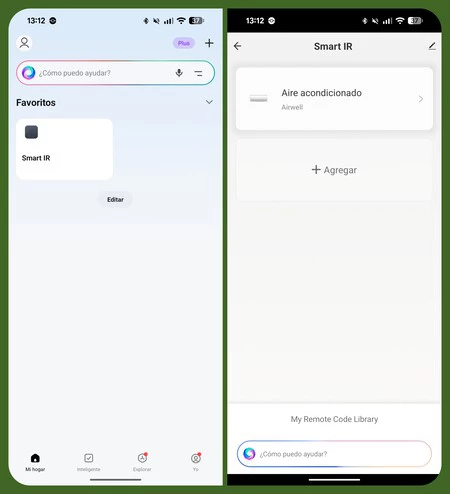
One of the most compelling advantages of the WiFi-IR controller is its inherent versatility and ability to integrate seamlessly with established smart home ecosystems. The Smart Life app, acting as an intermediary platform, offers direct compatibility with major voice assistants such as Google Assistant (Google Home/Nest Mini) and Amazon Alexa. This interoperability allows users to link their newly "smartified" air conditioner to their existing smart home hub, unlocking voice control capabilities. For instance, a user can issue commands like "Hey Google, turn on the air conditioning" or "Alexa, set the temperature to 22 degrees," providing an unprecedented level of hands-free convenience.
Beyond voice control, the integration extends to other facets of the smart home. Users can control their air conditioning from the native Google Home or Alexa apps, utilizing them as unified remote interfaces alongside their other smart devices. This consolidation simplifies appliance management, eliminating the need to juggle multiple physical remotes or proprietary applications. The ability to control the air conditioning remotely via a smartphone, whether from another room or while away from home, offers significant practical benefits. Imagine adjusting the thermostat on your way home from work, ensuring a comfortable environment upon arrival, or turning off the unit if inadvertently left running after departure—these scenarios highlight the profound impact of this simple device on daily comfort and energy management.
Performance, Limitations, and Workarounds
Upon successful configuration, the performance of these WiFi-IR controllers is generally reported as highly reliable and responsive. Commands issued via smartphone or voice assistant are transmitted almost instantaneously, with minimal perceptible delay compared to the original physical remote. This near real-time response ensures a smooth and efficient user experience, making the transition to smart control feel natural and intuitive.
However, despite its strengths, the integration into third-party ecosystems like Google Home or Alexa may come with certain compromises. While basic functions such as power on/off, temperature adjustment, and mode selection are typically well-supported, some nuanced features specific to the original air conditioning unit—such as detailed fan speed settings, specific oscillation patterns, or advanced timer functions—might not be fully exposed or controllable through the generic smart home interface. For example, a temperature wheel in Google Home might not be functionally linked to the appliance, requiring users to rely on simpler ‘+’ and ‘-‘ buttons that directly map to the original remote’s commands. This limitation stems from the generic nature of the integration, where the smart home ecosystem often provides a standardized set of controls that may not encompass every unique feature of every appliance.

To mitigate these limitations, the native Smart Life app often provides a more comprehensive suite of controls. Within this app, users can typically access a fully replicated virtual remote control interface that mirrors all functions of the original physical remote, including the more granular settings that might be absent from Google Home or Alexa. Furthermore, the Smart Life app offers advanced automation capabilities, allowing users to create custom schedules for their air conditioning (e.g., turning on at specific times, adjusting temperature based on time of day) or set up "scenes" that trigger combined actions (e.g., "Goodnight" scene turns off AC, dims lights). These features compensate for any loss of functionality within third-party integrations, ensuring that users retain full control and can optimize their climate settings for comfort and energy efficiency.
Broader Market Context: The Smart Home Revolution and Accessibility
The proliferation of inexpensive WiFi-IR controllers is indicative of a broader trend in the smart home market: the increasing emphasis on accessibility and retrofitting. For years, smart home adoption was often seen as a luxury, requiring significant investment in new, purpose-built smart appliances. However, devices like the universal IR blaster democratize smart home technology, allowing consumers to upgrade their existing infrastructure without breaking the bank. This aligns with industry analyses that point to a growing consumer desire for convenience and energy efficiency, often at a low entry cost.
The global smart home market is projected to continue its robust growth, driven by advancements in IoT, AI, and connectivity standards. While premium smart appliances remain a segment, the rise of affordable, interoperable devices is crucial for mass market penetration. Manufacturers of these universal controllers are effectively addressing a critical pain point for millions of households, enabling them to participate in the smart home revolution using their current devices. This approach also fosters a more sustainable consumption model, reducing electronic waste by extending the lifespan of older, otherwise functional appliances.
Economic and Environmental Implications
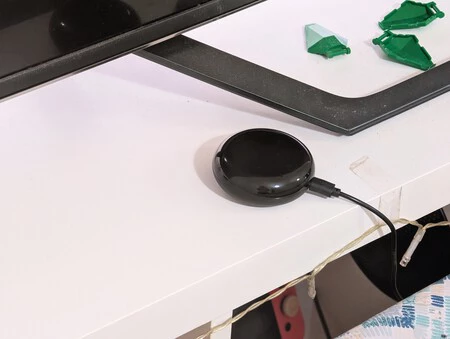
The economic implications of adopting a five-euro WiFi-IR controller are substantial. For a minimal investment, consumers gain advanced control capabilities that would otherwise necessitate purchasing a new, often significantly more expensive, "smart" air conditioning unit. This cost-effectiveness makes smart climate control attainable for a much wider audience, fostering broader adoption. Furthermore, the enhanced control can lead to tangible energy savings. The ability to remotely monitor and adjust settings, coupled with scheduling features, allows users to optimize their energy consumption by ensuring the air conditioning is only active when needed, avoiding unnecessary operation. While precise data on energy savings from individual devices is variable, the cumulative effect across many households could be significant, contributing to reduced overall energy demand and lower utility bills.
From an environmental perspective, the solution promotes sustainability by deferring the need for appliance replacement. Extending the functional life of existing air conditioners reduces electronic waste and the carbon footprint associated with manufacturing and transporting new units. By making older appliances "smarter," these devices contribute to a circular economy model, maximizing utility from existing resources. Industry stakeholders, including energy providers and environmental advocacy groups, increasingly recognize the value of such retrofitting solutions in achieving broader sustainability goals.
Future Outlook and Industry Trends
The success of simple, cost-effective solutions like the WiFi-IR controller points to several key trends shaping the future of smart homes. First, interoperability will remain paramount. Consumers expect their devices to work together seamlessly, regardless of brand. This drives continued development in universal standards and open platforms, benefiting third-party accessory manufacturers. Second, the focus on user experience and ease of setup will be critical. While manual learning functions are effective, the drive will be towards more robust automatic detection and configuration to reduce friction for less tech-savvy users. Third, the integration of AI and machine learning will become more sophisticated, enabling predictive climate control based on user habits, weather patterns, and even occupancy sensors, further enhancing comfort and efficiency.
The role of third-party devices in an increasingly connected world is also set to expand. As appliance manufacturers grapple with integrating complex smart features into every product line, independent developers and accessory makers will continue to offer flexible, affordable solutions that fill gaps and extend the capabilities of existing hardware. This dynamic ecosystem benefits consumers by providing choice and fostering innovation. Ultimately, for the user who transitioned from a frustratingly unresponsive remote to voice-controlled climate comfort for a mere five euros, the value proposition is undeniable. It serves as a compelling interim solution until the market matures to offer truly intelligent, factory-integrated air conditioning at accessible price points, embodying a significant leap in convenience and control for the modern home.
