
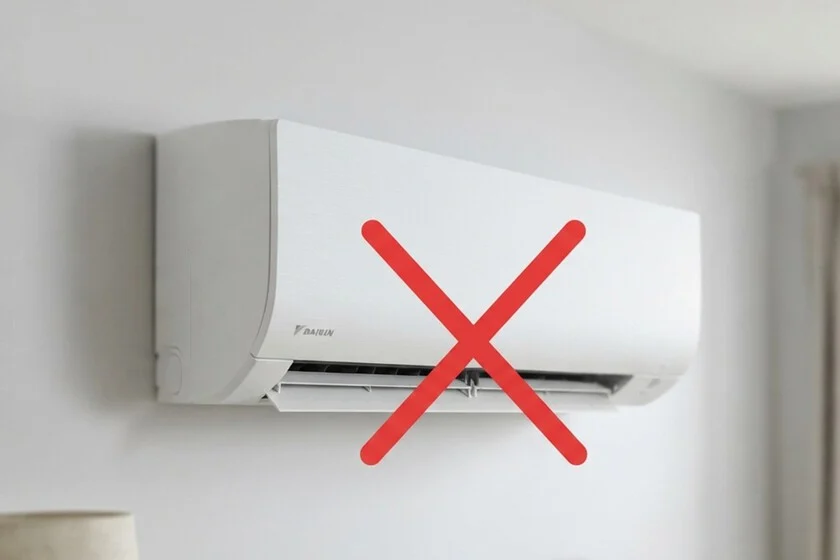

As global temperatures continue their inexorable rise, driven by anthropogenic climate change, societies worldwide are grappling with the escalating challenge of maintaining thermal comfort without exacerbating environmental degradation. In this urgent quest for sustainable solutions, many are turning to time-honored practices, with Japan’s "uchimizu" method emerging as a particularly resonant example of traditional wisdom offering profound insights for contemporary challenges. This centuries-old technique, which involves the simple act of sprinkling water on hot surfaces, has gained renewed attention as an effective, energy-efficient, and culturally significant strategy to mitigate urban heat and reduce reliance on energy-intensive air conditioning systems.
The concept of uchimizu, literally meaning "sprinkling water," is deeply embedded in Japanese culture and history, tracing its origins back to the Edo period (1603-1868). During this era, Japan’s cities, particularly the capital Edo (modern-day Tokyo), were densely populated and characterized by wooden buildings, narrow streets, and intense summer humidity. Lacking modern climate control technologies, residents developed ingenious methods to cope with the sweltering heat. Uchimizu became a widespread practice, not merely as a utilitarian cooling technique but also as an integral part of daily rituals emphasizing cleanliness, hospitality, and a harmonious relationship with nature. It was common for merchants to sprinkle water in front of their shops, homeowners to refresh their entrances, and even samurai residences to cool their courtyards. This act was seen as an expression of consideration for passersby and guests, contributing to a sense of community and collective well-being. The visual and auditory aesthetics of uchimizu – the glistening wet surfaces and the gentle hiss of evaporating water – also contributed to a psychological sense of coolness and tranquility, a subtle yet powerful aspect often overlooked in purely scientific analyses.
The scientific principle underpinning uchimizu is rooted in the physics of evaporative cooling, a natural phenomenon that has been harnessed across various cultures for millennia. When water evaporates, it transitions from a liquid to a gaseous state. This phase change requires energy, known as the latent heat of vaporization. This energy is absorbed from the immediate surroundings, primarily from the hot surface upon which the water is sprinkled and the ambient air. As the water absorbs heat, the temperature of the surface and the surrounding air decreases. While the cooling effect might not be as dramatic or immediate as that provided by mechanical air conditioning, it is significant enough to lower the perceived temperature by several degrees Celsius, making a noticeable difference in comfort, especially in outdoor or semi-outdoor spaces. The effectiveness of uchimizu is maximized when the air is relatively dry, allowing for more rapid evaporation. In humid conditions, the rate of evaporation slows, and the cooling effect is diminished, though still present. Moreover, sprinkling water on dusty surfaces also helps to suppress dust and particulate matter, contributing to improved air quality, another layer of benefit beyond just thermal comfort.
Beyond Japan, the practice of using water for evaporative cooling is not unique; it finds striking parallels in various cultures, particularly in regions that have historically endured hot climates. A prime example, highlighted in contemporary discourse, is found in Andalusia, a southern region of Spain renowned for its scorching summer temperatures. Here, the traditional custom of "regar la acera" – watering the sidewalk or patio – is a deeply ingrained practice, especially among older generations. This ritual, typically performed in the late afternoon or early evening as the sun begins to set, involves residents dousing the pavements, courtyards, and even the outer walls of their homes with water from a hose. The visual imagery of shimmering, wet streets and the faint scent of damp earth is as characteristic of an Andalusian summer evening as the sounds of flamenco music. This practice serves the identical purpose to uchimizu: to leverage evaporative cooling to draw heat from the sun-baked surfaces, thereby lowering the ambient temperature around homes and making the evening air more bearable, facilitating better sleep. The cultural continuity between these seemingly disparate traditions underscores a universal human ingenuity in adapting to environmental challenges using readily available resources. Andalusian architecture itself often incorporates passive cooling strategies, such as enclosed patios (which can be watered), thick walls, small windows, and shading elements like awnings, all designed to minimize heat gain and maximize natural ventilation.
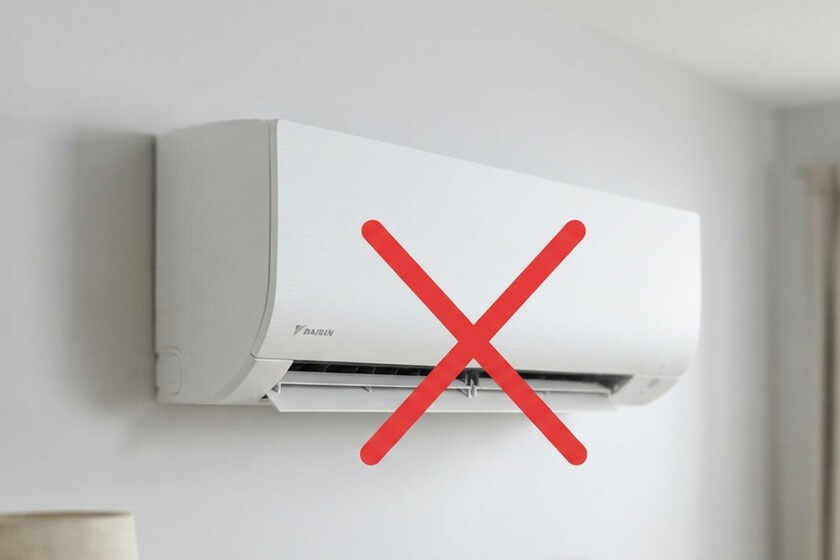
The renewed global interest in methods like uchimizu comes at a critical juncture. The world is experiencing an unprecedented surge in heatwaves, with 2023 recorded as the hottest year on record, and projections indicating a continued upward trend. This escalating heat directly translates into a soaring demand for air conditioning. According to the International Energy Agency (IEA), space cooling is the fastest-growing end-use of energy in buildings globally, accounting for about 10% of global electricity consumption. The IEA projects that the number of air conditioners in buildings worldwide will more than triple by 2050, consuming as much electricity as China and India do today. This burgeoning energy demand places immense strain on electricity grids, particularly during peak summer months, leading to increased greenhouse gas emissions from fossil fuel-based power generation and contributing to the urban heat island effect, where urban areas are significantly warmer than surrounding rural areas due to human activities and built infrastructure. The economic burden on households and businesses, already struggling with rising energy costs, further amplifies the urgency of finding sustainable alternatives. For instance, in many European countries, electricity prices have surged, making the continuous operation of air conditioning a luxury many cannot afford, pushing them towards more traditional and cost-effective cooling strategies.
Experts from various fields are increasingly advocating for a multi-faceted approach to urban cooling, integrating traditional wisdom with modern sustainable practices. Climate scientists emphasize that while air conditioning offers immediate relief, its widespread use creates a feedback loop, contributing to the very climate change it seeks to mitigate. Environmental policy makers stress the importance of reducing energy consumption in buildings through improved insulation, passive design, and the adoption of low-energy cooling solutions. Urban planners are exploring green infrastructure initiatives, such as increasing urban tree cover, green roofs, and permeable surfaces, all of which help to reduce ambient temperatures and absorb less solar radiation than concrete and asphalt. Dr. Kenji Tanaka, an environmental engineering professor specializing in urban climatology, might state, "Relying solely on active cooling systems like air conditioning is unsustainable. We must revert to principles of passive cooling, which includes methods like uchimizu, combined with thoughtful urban design and greening initiatives. These traditional methods are not just quaint historical practices; they are vital components of future climate resilience strategies." Similarly, public health officials underscore the critical need for effective cooling strategies to prevent heat-related illnesses and fatalities, especially among vulnerable populations. They highlight that community-based initiatives, like promoting uchimizu, can empower citizens to take proactive steps for their own comfort and safety.
The practical application of uchimizu in modern contexts requires some consideration. While it is highly effective in outdoor spaces, courtyards, terraces, and gardens, its impact inside fully enclosed, poorly ventilated buildings might be limited, and in some cases, excessive indoor watering without proper ventilation could lead to increased humidity and mold growth. Therefore, uchimizu is best employed as part of a broader passive cooling strategy. This strategy typically includes opening windows for cross-ventilation during cooler parts of the day (early morning, late evening), closing blinds or curtains during peak sun hours, using awnings or external shading devices, and incorporating indoor plants. When performing uchimizu, it is advisable to use recycled water, such as greywater from baths or collected rainwater, to conserve precious freshwater resources, especially in drought-prone regions. The timing is also crucial: sprinkling water in the morning before the day heats up, and again in the late afternoon or evening, allows for maximum evaporative effect when surfaces are hottest and the sun’s intensity wanes. In Japan, organized "uchimizu events" are held in many cities, often involving local communities and businesses, transforming a simple act into a collective environmental effort and a reaffirmation of cultural heritage.
The broader implications of embracing traditional methods like uchimizu extend beyond immediate thermal comfort. They foster a deeper connection between communities and their environment, promoting a sense of collective responsibility for sustainable living. By reducing reliance on energy-intensive solutions, these practices contribute to lowering carbon footprints, mitigating the urban heat island effect, and reducing the strain on power grids. Furthermore, they preserve and revitalize valuable cultural heritage, reminding us that innovative solutions often lie in re-evaluating and adapting ancient wisdom. As cities worldwide confront the intensifying realities of climate change, the humble act of sprinkling water, whether called uchimizu or regar la acera, serves as a powerful reminder that simple, traditional, and sustainable approaches can play a significant role in shaping a cooler, more resilient, and environmentally conscious future. Integrating such low-tech, high-impact strategies into contemporary urban planning and individual lifestyles is not just a matter of comfort; it is a critical step towards building sustainable communities capable of thriving in a warming world.
