
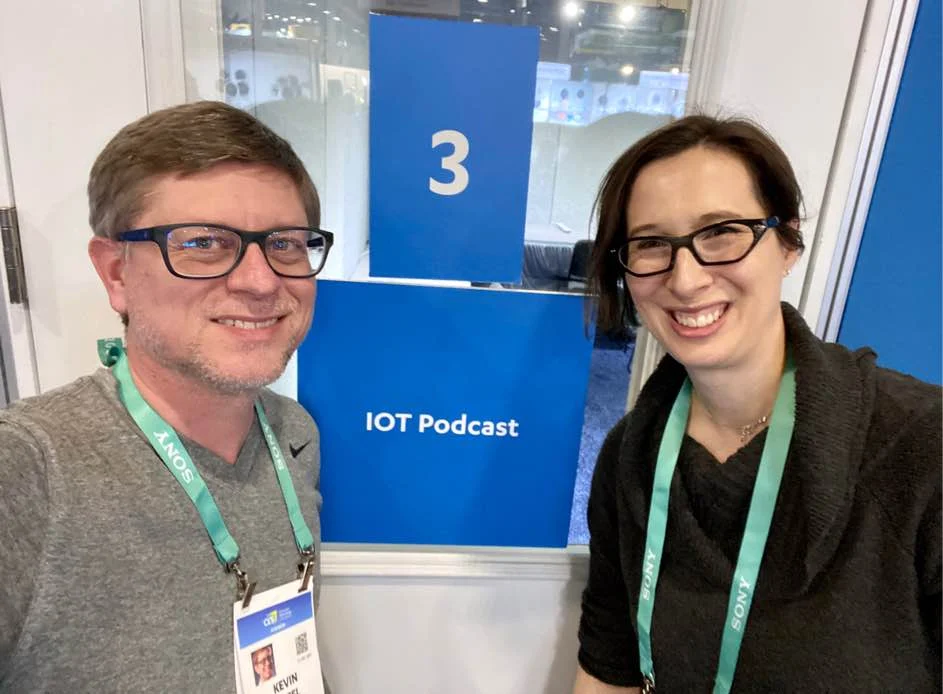

The landscape of the Internet of Things (IoT) has seen a significant shift as Stacey Higginbotham, a prominent voice in the field and the founder of the influential IoT newsletter and podcast, announces a hiatus from her regular content creation. In a recent dispatch dated August 18, 2023, Higginbotham confirmed her decision to step back from her weekly newsletter and podcast, marking the end of an era for many followers of the connected device industry. This move signals a personal recalibration after over two decades dedicated to reporting on technology, with a particular focus on the intricate and often complex world of IoT.
Higginbotham, who launched her independent media venture in 2016 after a distinguished tenure as senior editor at Fortune, stated that the decision stems from a need to step away from the relentless pace of daily and immediate news cycles. Her initial foray into IoT reporting was driven by a desire to delve deeply into the multifaceted implications of embedding computing power into everyday objects – a trend that has profoundly reshaped both technological possibilities and societal norms. The launch of her newsletter and podcast was a direct response to what she perceived as a gap in comprehensive, critical analysis of the burgeoning IoT sector.
A Decade of IoT Exploration: From Smart Homes to Surveillance Concerns
Higginbotham’s journey into the intricacies of the Internet of Things began even before the formal launch of her dedicated platform. By 2012, she was already keenly observing the emergence of smart home devices. At that time, the narrative around connected devices was largely dominated by convenience and innovation. However, even in those early days, Higginbotham recognized the inherent complexities and potential downsides. She articulated a prescient concern that these devices, while promising enhanced living, also introduced new layers of complexity into users’ lives and, crucially, carried the potential for government or corporate surveillance.
As the IoT market matured, so too did the challenges associated with its business models. Higginbotham consistently highlighted the often-untenable economic structures underpinning connected products. Many devices, she noted, toggled between the imposition of pricey subscription fees and the pervasive collection of user data, raising questions about long-term sustainability and user privacy. This critical lens became a hallmark of her work, differentiating her coverage from purely promotional accounts of new technologies.
The scope of Higginbotham’s analysis extended beyond the confines of the home. She also addressed the application of new technologies in the workplace, particularly the use of monitoring systems to optimize employee performance, often with a primary focus on maximizing corporate profits. More recently, with the growing emphasis on Environmental, Social, and Governance (ESG) initiatives, Higginbotham observed businesses investing in technology for carbon reduction and efficiency. However, she expressed a nuanced view, suggesting that these efforts, while potentially beneficial, could also be insufficient or serve as a form of "greenwashing" for activities that might not align with genuine sustainability goals.
The Genesis of Stacey on IoT and Its Impact
The genesis of Stacey on IoT in 2016 was a bold move, particularly for someone transitioning from a well-established publication like Fortune. At the time, many observers questioned the viability of an independent media entity focused on a niche technology sector. However, Higginbotham’s vision was clear: to provide in-depth, critical analysis of the technological and social issues arising from the proliferation of connected devices.
Her newsletter and podcast quickly gained traction, attracting thousands of subscribers and listeners who were eager for her nuanced perspective. The success of the venture was a testament to the growing importance of IoT and the demand for insightful commentary. Higginbotham frequently acknowledged the crucial role of her audience and sponsors in sustaining her work, expressing deep gratitude for the time and stories shared by those who engaged with her content.
"I wanted to really dig into the issues that would arise when we added computing to everything, be it technological or social," Higginbotham stated in her farewell message. "Thousands of y’all joined me, and without you and our sponsors I would never have been able to make this work. I am exceedingly lucky to have been able to do this, and it’s all thanks to you giving me your time and your stories."
Acknowledging Burnout and Seeking Renewal
Despite her profound engagement with and belief in the potential of technology to solve problems, Higginbotham admitted to experiencing burnout. This exhaustion, she explained, has led to an increasing sense of cynicism towards new startups and research, which in turn hinders her ability to get genuinely excited about promising innovations. This personal introspection is a key factor driving her decision to step back.
"I love technology," she wrote, "And I fundamentally believe that people who are trying to solve problems with new technological innovations can make a difference. But I’m burned out, and increasingly cynical when it comes to new startups or research. That prevents me from getting excited about the truly good ideas out there."
This period of stepping back is intended to allow for reflection and a potential rekindling of her passion for technology and human ingenuity. Higginbotham expressed hope that this break will enable her to rediscover stories that she is eager to explore and share with a wider audience.
Future Endeavors and Continued Engagement
While Higginbotham is stepping away from her regular content schedule, this is not a complete departure from the tech discourse. She indicated that she will continue to post on the social media platform Bluesky, and may send out occasional newsletters on topics that resonate strongly with her. Furthermore, she has confirmed that she will be contributing blog posts to the Consumer Reports Innovation Lab, a role that will allow her to continue her work on critical issues within the tech space.
"You may find a blog post or two from me over at the Consumer Reports Innovation Lab," she noted, "and it’s possible I’ll freelance for other publications in the near future. But ultimately I’m trying to take a break from the life of a journalist after more than two decades spent focused on daily and immediate news, with only a bit of time to dig into the bigger picture and long-term implications of the products and innovations I so relentlessly tout."
Her work with Consumer Reports is particularly noteworthy, as it will focus on cybersecurity and privacy issues associated with connected devices. This aligns with her long-standing concerns about the ethical and practical challenges posed by the widespread adoption of IoT technologies.
Higginbotham also emphasized her ongoing commitment to engaging with her community. She remains eager to hear about the experiences of her readers and listeners and plans to reach out to many individuals to discuss how connected devices can be made safer, more secure, and ultimately better for everyone. She has provided her email address, [email protected], for those who wish to stay in touch.
Broader Implications for the IoT Ecosystem
Higginbotham’s departure from her regular publishing schedule, while a personal decision, also carries broader implications for the IoT ecosystem. For years, her work has served as a vital source of critical analysis, challenging the prevailing narratives and pushing for greater accountability from manufacturers and policymakers. Her absence from the weekly rhythm of news and commentary leaves a void that will be keenly felt by those seeking a balanced and informed perspective on the industry.
The IoT market has experienced exponential growth since Higginbotham began her dedicated coverage. According to Statista, the number of connected IoT devices worldwide was projected to reach 17.7 billion in 2023. This rapid expansion has amplified the issues of data privacy, security vulnerabilities, and the ethical considerations surrounding the pervasive collection and use of personal information. Higginbotham’s consistent focus on these complex challenges has been instrumental in raising public awareness and fostering a more critical discourse.
The trend towards increased data collection by connected devices has been a recurring theme in Higginbotham’s reporting. For instance, smart home devices like voice assistants and security cameras are known to collect vast amounts of data on user behavior, routines, and personal conversations. This data can be used for targeted advertising, product development, or, in the worst-case scenarios, could be compromised in data breaches, leading to identity theft or other forms of exploitation.
Furthermore, the business models of many IoT companies have been scrutinized. The reliance on subscription services, while providing a recurring revenue stream for companies, can lead to ongoing costs for consumers. The alternative, often a "freemium" model where data is the primary currency, raises significant privacy concerns. Higginbotham’s work has consistently highlighted this tension, urging for more transparent and ethical data handling practices.
Her mention of burnout also reflects a broader trend within the technology journalism field. The relentless pace of innovation, coupled with the complex and often opaque nature of the industry, can take a toll on journalists. Higginbotham’s candidness about her experience may resonate with other professionals and serve as a reminder of the importance of sustainable practices in demanding fields.
The transition of Higginbotham to more focused, long-term projects like her work with Consumer Reports signals a potential shift in how critical analysis of technology is disseminated. By moving away from the immediacy of weekly newsletters and podcasts, she may be able to dedicate more resources to in-depth investigations and policy-oriented research. This could lead to impactful contributions that address the systemic issues within the IoT landscape.
The industry will undoubtedly continue to evolve, with new technologies and challenges emerging regularly. The insights and critical perspectives that Stacey Higginbotham has provided over the years have been invaluable. As she embarks on this new chapter, the hope is that her continued, albeit less frequent, contributions will maintain the high standard of critical inquiry that has characterized her work, and that others will be inspired to carry the torch of thoughtful analysis in the complex world of the Internet of Things.
