
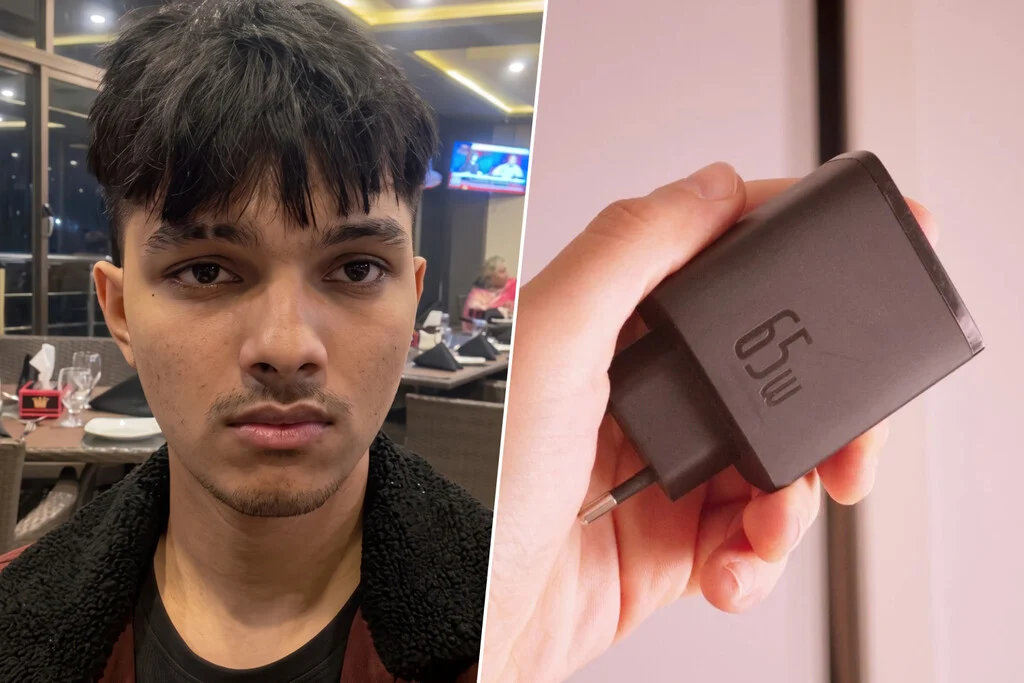

For many smartphone users, the allure of rapid charging often boils down to a simple equation: higher wattage equals faster battery replenishment. This perception, while partially true, overlooks a sophisticated electronic dialogue that unfolds every time a device is connected to a power adapter. Beyond merely delivering power, this intricate negotiation dictates not only the speed of charge but, more critically, the long-term health and lifespan of the smartphone’s battery. The widespread availability of inexpensive, high-wattage chargers has inadvertently led to a common pitfall, where the pursuit of perceived speed can silently erode a device’s most vital component: its battery.
Shaheer Khan, a prominent content creator and specialized technology writer for MakeUseOf, has brought this critical issue to the forefront. In a recent article, Khan disclosed his personal shift away from purchasing generic, low-cost chargers, a decision spurred by a deeper understanding of the detrimental wear these accessories inflict on modern smartphones. The crux of the problem, he asserts, lies in the absence of a specific technological protocol known as Programmable Power Supply (PPS), which fundamentally alters the dynamics of electrical energy management during charging.
The Evolution of Charging: From Basic USB to Intelligent Power Delivery
To appreciate the significance of PPS, it’s essential to trace the evolution of smartphone charging. For years, charging was a relatively straightforward process, primarily governed by the USB standard, which initially delivered modest power (e.g., 5V at 0.5A or 2.5W). As smartphones grew in complexity, integrating larger batteries and more powerful processors, the demand for faster charging capabilities escalated. This led to the development of various proprietary fast-charging technologies by different manufacturers, often creating a fragmented and incompatible ecosystem.
The advent of USB Power Delivery (USB-PD) marked a significant leap forward. Introduced as an open standard by the USB Implementers Forum (USB-IF), USB-PD aimed to standardize fast charging across a wide range of devices, from smartphones and tablets to laptops. It allowed for higher power delivery, up to 100W (and later 240W with USB-PD 3.1), and enabled devices to negotiate for specific voltage and current levels. However, even with USB-PD, early implementations typically delivered power in fixed "steps" or blocks, such as 5V, 9V, 15V, or 20V. While a vast improvement over legacy USB, this "stepped" approach still presented an efficiency challenge.
Introducing Programmable Power Supply (PPS): The Brains Behind the Charge
The true game-changer arrived in 2017 with the integration of Programmable Power Supply (PPS) as an extension within the USB Power Delivery 3.0 standard. PPS is precisely what its name implies: a source of power that can be programmed. Unlike traditional USB-PD chargers that send energy in predefined, fixed voltage steps, PPS technology enables a far more granular and dynamic approach. Khan likens it to an "automatic transmission" for power delivery, allowing the connected device (the smartphone) to continuously adjust and request the precise voltage and current it needs, in real-time, down to millivolt increments.
This continuous communication and adjustment are paramount because a smartphone’s battery requirements are not static throughout the charging cycle. Lithium-ion batteries, which power the vast majority of modern portable electronics, exhibit varying current demands. At the beginning of the charge cycle, when the battery is deeply discharged, it can typically accept a higher current. As it approaches full capacity, the current demand gradually decreases to prevent overcharging, reduce heat generation, and preserve battery health.
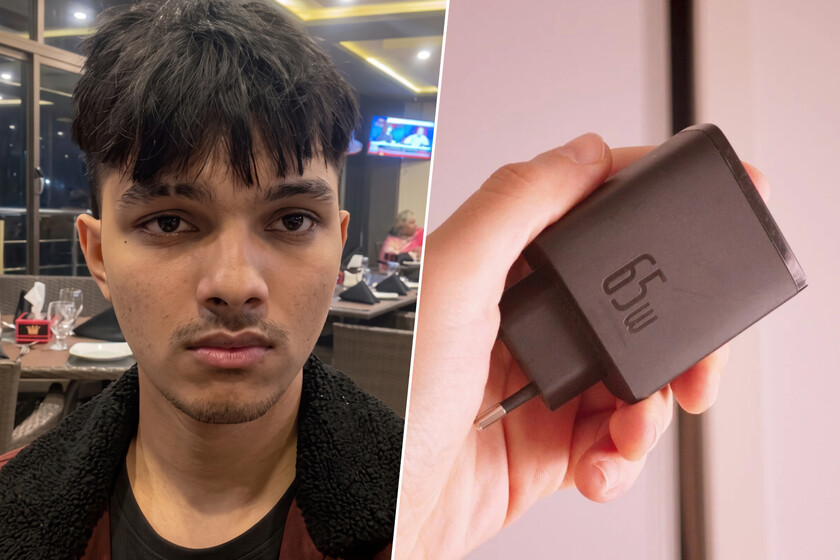
"PPS allows your charger to communicate with your phone continuously during charging, dynamically adjusting the power your mobile needs at any moment," Khan emphasizes. This constant, precise matching of power output to the device’s exact demand is the core benefit.
The Silent Enemy: Heat and Battery Degradation
The primary advantage of PPS lies in its ability to significantly mitigate heat generation during charging. When a charger delivers power in fixed steps, and that power is more than the device optimally requires at a given moment, the excess energy is often dissipated as heat. This friction of "unused" or "converted" energy, though seemingly minor, accumulates. Heat is unequivocally the single greatest enemy of lithium-ion batteries.
Numerous studies and industry data confirm the detrimental impact of elevated temperatures on battery longevity. For instance, research indicates that operating a lithium-ion battery consistently at 45°C (113°F) can lead to a capacity loss of around 20% within a year, compared to a mere 4% loss at 25°C (77°F). Higher temperatures accelerate chemical reactions within the battery, leading to:
- Electrolyte decomposition: The liquid or gel that facilitates ion movement starts to break down, forming undesirable compounds.
- Solid Electrolyte Interphase (SEI) layer growth: A protective layer on the anode, crucial for battery stability, can grow unevenly and impede ion flow when subjected to heat.
- Cathode degradation: The material on the positive electrode can become unstable, losing its ability to store and release lithium ions efficiently.
- Increased internal resistance: As these chemical changes occur, the battery’s internal resistance rises, making it less efficient at charging and discharging, and generating even more heat.
By delivering only the exact energy demanded at each microsecond, PPS virtually eliminates the wasteful conversion of excess power into heat. This intelligent power delivery system ensures that the battery operates within optimal temperature ranges, thereby preserving its chemical integrity and significantly extending its overall lifespan.
Identifying PPS Compatibility: A Consumer’s Guide
For consumers, discerning whether a charger supports PPS is crucial. The key indicator is found in the charger’s specifications, typically printed on the adapter itself or listed in its product description. Instead of merely offering fixed voltage outputs (e.g., 5V, 9V, 15V), a PPS-compatible charger will display a range or interval of variable voltage (e.g., "3.3V-11V" or "3.3V-21V"). This variable range signifies its ability to adjust the voltage precisely, millivolt by millivolt, in real-time.
Leading smartphone manufacturers have increasingly integrated PPS compatibility into their devices. High-end smartphones, such as the Google Pixel series (starting from the Pixel 6) and Samsung Galaxy devices (from the Galaxy S20 series onwards), are designed to leverage this protocol. When such a device is paired with a non-PPS charger, especially an inexpensive one lacking advanced power management, it forces the phone’s internal power management integrated circuit (IC) to work overtime. This constant struggle to regulate an inconsistently supplied power stream results in increased thermal stress, accelerating battery degradation and reducing the phone’s overall longevity.
Beyond PPS: A Broader Look at Charging Best Practices

The insights shared by Shaheer Khan align with a growing consensus among technology experts regarding optimal charging practices. While PPS is a critical technological advancement, it is part of a larger ecosystem of factors that influence battery health. Other recommendations often include:
- GaN Technology: Chargers incorporating Gallium Nitride (GaN) technology are becoming increasingly popular. GaN transistors are more efficient than traditional silicon-based ones, allowing chargers to be smaller, lighter, and generate less heat themselves, further contributing to a cooler charging environment.
- Avoiding Overcharging: While modern smartphones have sophisticated circuits to prevent actual "overcharging" (which could lead to catastrophic failure), leaving a phone plugged in after it reaches 100% for extended periods can still induce minor stress on the battery, especially if it constantly trickle-charges or cycles between 99% and 100%.
- Optimal Charge Levels: Many experts suggest keeping the battery charge between 20% and 80% for daily use, as operating at the extreme ends (fully depleted or fully charged) puts more strain on the lithium-ion chemistry.
- Environmental Factors: Avoiding charging in extreme heat or cold also contributes significantly to battery longevity.
Market Implications and Consumer Awareness
The distinction between a "smart" charger with PPS and a basic, high-wattage adapter has significant implications for the consumer electronics market. The proliferation of cheap, uncertified chargers, often found on online marketplaces, presents a challenge. While these might offer high wattage numbers at attractive prices, their lack of advanced protocols like PPS can lead to hidden costs in the form of premature battery wear and the need for earlier device replacement.
Industry analysts predict a growing consumer awareness regarding intelligent charging. As smartphone prices continue to rise and users expect longer device lifespans, the emphasis on battery health becomes paramount. Manufacturers who transparently communicate PPS compatibility and the benefits of their certified chargers are likely to gain consumer trust. This also has environmental benefits: extending the lifespan of electronic devices directly contributes to reducing electronic waste (e-waste), a growing global concern.
In 2022, the global market for smartphone chargers was valued at over $20 billion, with projections indicating steady growth. This massive market underscores the importance of informed consumer choices. Investing a slightly higher amount in a certified charger that supports USB-PD and PPS is not merely an accessory purchase; it is a strategic investment in the longevity and sustained performance of a primary personal device.
Conclusion: An Investment in Longevity
The seemingly simple act of plugging a smartphone into a wall outlet conceals a complex technological interplay. The insights from experts like Shaheer Khan serve as a vital reminder that not all chargers are created equal, even if their wattage ratings appear similar. The presence of the Programmable Power Supply (PPS) protocol within the USB Power Delivery standard represents a significant advancement, moving beyond brute force power delivery to intelligent, adaptive energy management.
By enabling continuous, real-time communication between the charger and the device, PPS minimizes heat generation, the arch-nemesis of lithium-ion batteries. This intelligent approach not only optimizes charging speed but, more importantly, safeguards the battery’s chemical integrity, significantly extending its usable life. For consumers, the takeaway is clear: when selecting a power adapter, look beyond just the wattage. It is crucial to verify that the charger supports both USB Power Delivery (USB-PD) and, specifically, the Programmable Power Supply (PPS) protocol. This informed choice is a proactive step towards protecting the health of our valuable electronic devices, transforming a routine action into a smart investment in longevity and sustainable technology use.
