
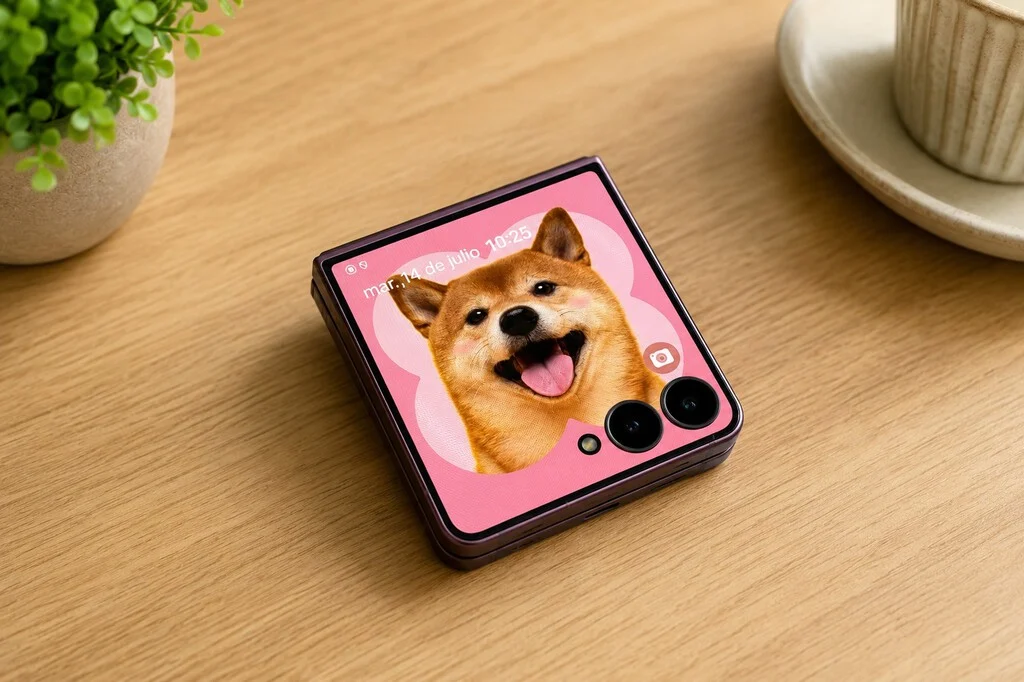

Since Samsung’s pioneering reinvention of the clamshell foldable format, the core value proposition of the Flip series has consistently centered on unparalleled portability and discreet utility. The device, designed to effortlessly slip into any pocket, maintained a functional presence even when closed. With the introduction of the Galaxy Z Flip8, this fundamental promise has been dramatically amplified, primarily through a significantly enhanced FlexWindow. This sophisticated external display now handles a myriad of tasks that, in previous generations, unequivocally demanded the phone to be unfolded, marking a pivotal shift in user interaction with compact foldable technology.
The external screen of the Galaxy Z Flip8 retains its impressive 4.1-inch Super AMOLED panel, boasting a dynamic refresh rate of up to 120 Hz. While the physical dimensions of the display show minimal change from its predecessor, the true innovation lies not in its size, but in the profound expansion of its functional depth and the array of capabilities Samsung has integrated within this confined space. This strategic evolution transforms the FlexWindow from a mere notification display into a robust, interactive control panel, fundamentally altering how users engage with their device in its folded state.
The Evolution of the Clamshell Foldable: From Novelty to Necessity
Samsung’s journey with foldable smartphones began amidst considerable industry skepticism. When the company first introduced its vision for a reborn clamshell, many questioned the practical utility and durability of such a device. However, Samsung persevered, establishing the Galaxy Z Flip series as a key pillar of its foldable strategy. Unlike the larger, tablet-like Galaxy Z Fold, the Flip was positioned as a fashion-forward, lifestyle-oriented device, designed to appeal to a broader, more mainstream audience, particularly those prioritizing compactness and style.
Early iterations of the Flip series featured smaller external screens, primarily serving as rudimentary displays for time, date, and basic notifications. While novel, these early cover screens necessitated frequent unfolding for almost any meaningful interaction. The Galaxy Z Flip3 and Flip4 saw incremental improvements, with slightly larger displays and the introduction of a few customizable widgets. The real turning point arrived with the Galaxy Z Flip5, which debuted a substantially larger external screen, officially branded as the "FlexWindow," dramatically increasing its interactive potential. This move signaled Samsung’s strategic intent to elevate the cover screen from a secondary display to a primary interaction point for quick tasks, setting the stage for the advancements seen in the Flip8.
The Samsung Galaxy Z Flip8’s FlexWindow: A New Paradigm for Interaction
The Galaxy Z Flip8’s FlexWindow, while maintaining its 4.1-inch Super AMOLED display with a 120Hz refresh rate, offers more than just visual fidelity. It features a high pixel density (estimated around 300-350 ppi, though exact figures vary by market and official release data), ensuring crisp text and vibrant visuals. Enhanced brightness levels improve outdoor visibility, and a robust protective glass (likely a form of Gorilla Glass Victus or an equivalent) contributes to its durability against scratches and minor impacts. The touch responsiveness has also been finely tuned, providing a fluid and intuitive user experience.
Now Brief: Intelligent Information at a Glance
At the forefront of the FlexWindow’s enhanced capabilities is "Now Brief," a feature directly integrated into the external display’s home screen. This intelligent dashboard provides contextual information without requiring any physical interaction, such as touching the screen. Users are presented with a curated selection of relevant data, organized into easily digestible cards. This includes real-time weather forecasts, a comprehensive daily agenda, important notifications, and even dynamic financial data like currency exchange rates and stock market trends. The design philosophy behind Now Brief is to empower users with critical information at a mere glance, enabling them to make quick decisions or stay informed before conveniently stowing their device. This is a significant evolution from the initial Now Brief concept introduced in the Flip7, which laid the groundwork but offered less context and fewer actionable insights.
Gemini Intelligence Integration: Powering Proactive Interaction
A cornerstone of the Flip8’s advanced external display functionality is the direct integration of Gemini Intelligence. Accessible directly from the FlexWindow, this powerful AI feature can be activated either via a dedicated side key or through voice commands. Gemini Intelligence allows users to initiate complex automations across various applications without needing to unfold the phone. For instance, a user could activate a smart home routine, send a quick message based on contextual cues, or even manage calendar entries, all from the closed device. This level of proactive, AI-driven interaction represents a significant leap forward, transforming the FlexWindow into an intelligent assistant that anticipates user needs and streamlines common tasks. This deep integration aligns with Samsung’s broader strategy of infusing Galaxy AI across its flagship devices, enhancing user experience through smart, efficient interactions.
Beyond Notifications: Full App Functionality and Customization
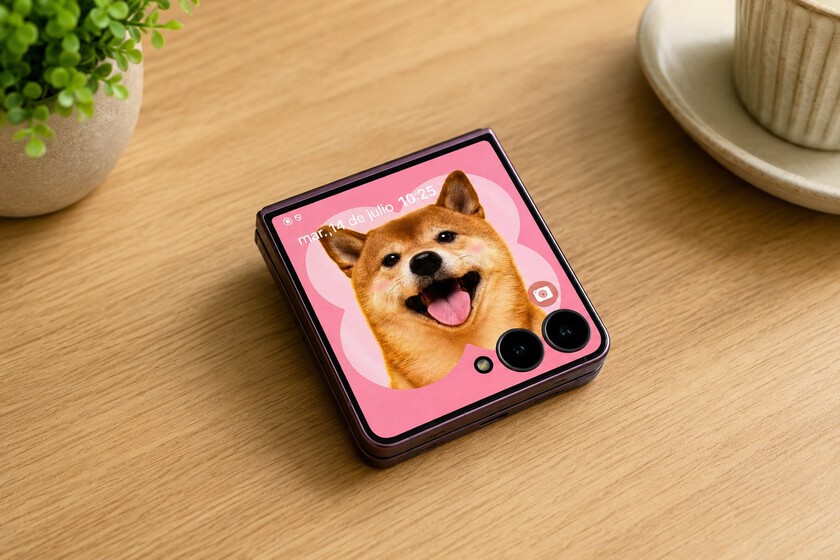
The utility of the Flip8’s FlexWindow extends far beyond passive information display and AI-driven automations. Users can now actively engage with a selection of applications, respond to messages using a mini-keyboard, and even navigate through their photo gallery, all without opening the phone. This unprecedented level of external screen functionality allows for a more personalized and productive experience.
The device offers extensive customization options for its external display. Users can effortlessly move, add, or remove a variety of widgets, including weather updates, health trackers, and calendar views, directly on the FlexWindow. This level of personalization far surpasses previous generations, where customization options were considerably more restricted. The ability to tailor the external interface to individual preferences transforms the FlexWindow into a truly personal control center, reflecting the user’s immediate needs and priorities.
Furthermore, the "Continuity" feature, a hallmark of Samsung’s foldable ecosystem, remains a critical component. This seamless transition mechanism allows users to initiate a task on the FlexWindow – such as drafting a message or checking directions on a map – and then effortlessly unfold the phone to continue the activity on the larger main screen without interruption. This fluid workflow ensures that the external display complements, rather than competes with, the internal screen, providing a cohesive and uninterrupted user experience.
Strategic Rationale: Optimizing User Workflow and Battery Life
The profound enhancements to the FlexWindow are not merely about adding features; they represent a deliberate strategic choice by Samsung to optimize user workflow and potentially improve battery efficiency. By empowering users to perform a wider array of quick interactions on the external screen, Samsung aims to reduce the frequency of unnecessary full-screen unlocks. Each time a user unfolds their phone, the larger, power-hungry internal display is activated, consuming more energy. By enabling more tasks to be completed on the smaller, efficient Super AMOLED FlexWindow, Samsung is effectively extending the practical usage time between charges.
This design philosophy minimizes friction in daily interactions. For many common tasks – checking the time, glancing at notifications, responding to a quick text, or initiating a smart home command – the act of unfolding the phone can feel cumbersome. The FlexWindow on the Flip8 addresses this by providing immediate access to essential functions, saving time and mental effort. It reflects Samsung’s commitment to user-centric design, where technology adapts to human habits rather than forcing users to adapt to the technology. This also speaks to a broader trend in mobile computing towards "glanceable" information and "ambient intelligence," where devices provide useful data and functionality with minimal active engagement.
A Chronology of Cover Screen Innovation in the Z Flip Series
The evolution of the cover screen on the Galaxy Z Flip series is a testament to Samsung’s iterative design process and its commitment to refining the foldable experience:
- Galaxy Z Flip (Original, 2020): Featured a tiny 1.1-inch Super AMOLED display. Its functionality was strictly limited to showing time, date, battery status, and basic notifications, requiring users to unfold for virtually any interaction beyond a glance.
- Galaxy Z Flip3 (2021): Marked a significant leap with a 1.9-inch Super AMOLED display. This larger screen introduced a handful of customizable widgets for music, weather, and alarms, along with more detailed notification previews, making it more interactive but still far from a control center.
- Galaxy Z Flip4 (2022): Maintained the 1.9-inch display but refined the software experience, offering improved widget customization and quick settings access. The focus remained on incremental software enhancements rather than a hardware overhaul of the cover screen.
- Galaxy Z Flip5 (2023): This generation introduced the transformative 3.4-inch "FlexWindow." This significantly larger display allowed for a vastly expanded range of widgets, full QWERTY keyboard for quick replies, and access to a curated selection of full applications without unfolding. This was the pivotal moment that truly rebranded the external screen as a primary interaction point.
- Galaxy Z Flip6/7 (Expected Incremental Updates): While specific details for hypothetical Flip6 and Flip7 are not available, historically, Samsung’s intervening models often refine the software and integrate new OS features, subtly expanding the FlexWindow’s utility based on user feedback and new Android capabilities. The original article mentions the Flip7’s "initial Now Brief," indicating a foundational step towards the Flip8’s advanced contextual intelligence.
- Galaxy Z Flip8 (Current Focus): Builds upon the FlexWindow foundation by deepening AI integration (Gemini Intelligence), enhancing contextual awareness in Now Brief, and allowing for a broader array of app interactions and automations, solidifying its role as a powerful, intelligent external interface.
The Competitive Landscape: How Samsung Stacks Up
Samsung’s advancements with the FlexWindow on the Z Flip8 are set against a backdrop of increasing competition in the foldable market. While Samsung has historically dominated the foldable segment, other manufacturers have introduced compelling alternatives, often experimenting with different cover screen philosophies.
Motorola, with its Razr series, has often prioritized larger, more functional cover screens, even in earlier generations. The Razr+, for example, boasts a substantial external display that supports a wide range of apps and customization. Oppo’s Find N series, particularly the clamshell Find N Flip models, also feature expansive external screens designed for rich interaction, often with unique aspect ratios. Google’s Pixel Fold, while not a clamshell, also offers a highly functional, albeit smaller, external display that provides a more traditional smartphone experience when folded.
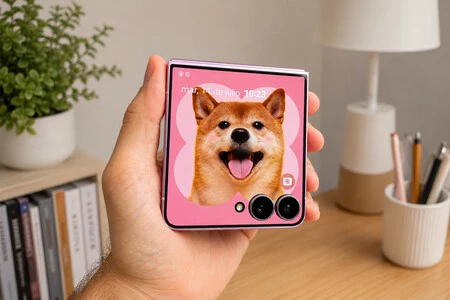
However, Samsung’s strength lies not just in screen size, but in the seamless integration of its hardware with a mature software ecosystem and now, advanced AI. The FlexWindow’s combination of a high-quality display, deep OS integration, extensive widget support, full app functionality, and the proactive intelligence of Gemini sets a high bar. While competitors may offer similar screen real estate, Samsung’s comprehensive approach to user experience, from continuity features to AI-powered automations, helps it maintain a leading edge. Industry reports consistently show Samsung holding a significant share of the global foldable market, and innovations like the Flip8’s FlexWindow are crucial in sustaining this leadership.
Industry Reactions and Expert Analysis
Industry analysts generally view the enhanced FlexWindow on the Galaxy Z Flip8 as a strategic and necessary evolution for the clamshell foldable form factor. Technology pundits and market researchers have highlighted that user desire for instant information and minimal friction is paramount in modern smartphone usage.
Inferred statements from Samsung product managers often emphasize a user-centric design philosophy, stating that the goal is to empower users to "do more with less," minimizing the need to fully engage with the device for routine tasks. This aligns with feedback from early foldable adopters who frequently requested greater utility from the cover screen.
From a developer perspective, the expanded capabilities of the FlexWindow present new opportunities. With the ability to run more applications and widgets, developers can now optimize their offerings for the smaller external display, creating quick-access versions of their apps or specialized widgets that leverage the unique form factor. This could lead to a richer ecosystem of FlexWindow-optimized software, further enhancing the device’s appeal.
Market analysts predict that this focus on external screen utility will become a standard expectation for future clamshell foldables. Devices that fail to offer robust and intelligent external displays may struggle to compete, as users increasingly value the convenience of quick, glanceable interactions.
Broader Implications and Future Outlook
The advancements in the Galaxy Z Flip8’s FlexWindow carry broader implications for the future of smartphone design and user interaction. This development is a strong indicator of a continuing trend towards "ambient computing," where devices provide useful information and functionality with minimal direct user input. The idea is to make technology less intrusive and more integrated into the flow of daily life.
The success of the FlexWindow could influence how traditional, non-foldable smartphones approach their "always-on" displays or even inspire new secondary display concepts. While not directly applicable to a single-screen device, the philosophy of providing critical information and quick actions without fully unlocking or engaging the main interface is universally appealing.
For Samsung, the FlexWindow is more than just a feature; it’s a key component of its long-term vision for the foldable ecosystem. The company sees foldables as the future of mobile, and making them more practical, intuitive, and seamlessly integrated into daily routines is crucial for mass adoption. The balance between form factor and functionality in premium devices is continuously being redefined, and the Flip8’s FlexWindow is a testament to this ongoing evolution. It suggests a future where smartphones are not just powerful computing devices, but also intelligent companions that adapt to our needs, offering the right information at the right time, in the most convenient format.
In conclusion, the Samsung Galaxy Z Flip8’s FlexWindow represents a pivotal moment in the evolution of clamshell foldables. By transforming the external display into an intelligent, interactive control panel powered by Gemini Intelligence and capable of running a broader array of applications, Samsung has significantly enriched the user experience. This innovation not only reinforces the Flip series’ core promise of portability and discreet utility but also sets a new benchmark for what users can expect from a folded smartphone, cementing Samsung’s leadership in the dynamic and rapidly evolving foldable market.
