

Rather than dedicating its final installment to breaking industry developments—such as the highly anticipated initial public offering (IPO) of semiconductor giant Arm backed by SoftBank, Brilliant’s latest iterations of smart home display hardware, or Leviton’s rollout of second-generation smart circuit breakers and whole-home energy monitors—the landmark farewell episode chose a deeply reflective path. Hosts dedicated the broadcast to exploring the personal motivations behind stepping back from the microphone, outlining future professional trajectories, and offering loyal listeners a carefully curated roadmap of alternative resources to navigate the evolving connected-device landscape.
Eight Years of Chronicling the Connected Revolution
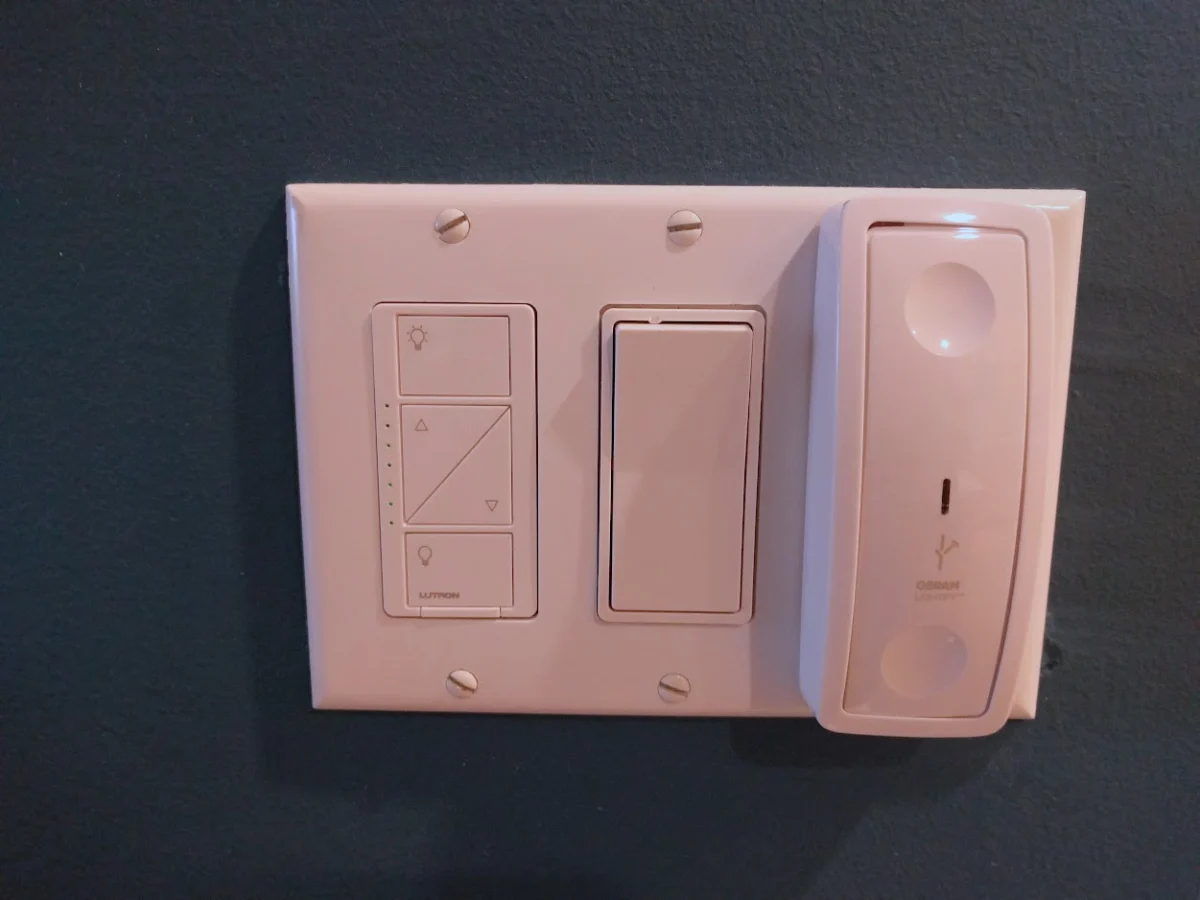
Launched full-time in 2016, The Internet of Things Podcast quickly established itself as an indispensable audio destination for engineers, enterprise leaders, developers, and passionate consumers alike. Over nearly a decade, the program chronicled the explosive maturation of connected technology, tracking its journey from a fragmented novelty of mismatched hardware—famously symbolized by hosts joking about never having matching light switches again—into a ubiquitous, foundational layer of modern residential and industrial infrastructure.
The decision to conclude the podcast was not made lightly, representing a conscious pivot for the creators after hundreds of deeply reported episodes. Throughout its lifespan, the show bridged the gap between complex enterprise implementations and consumer-facing smart home ecosystems, offering clarity during periods of intense industry standardization and fragmentation alike.
Curating the Future: Recommended Resources for IoT Enthusiasts
Recognizing that its devoted audience would seek alternative avenues for staying informed about the fast-moving Internet of Things sector, the final episode served as a comprehensive clearinghouse for industry intelligence. The hosts shared an extensive reading and listening list designed to keep professionals and hobbyists ahead of the curve.
For audio journalism, recommendations included The Mr. Beacon Show, known for its deep dives into location technology and automatic identification, as well as The IoT Podcast. Written coverage recommendations spanned premier technology publications, including The Verge, TechHive, The Ambient, and the Journal of Innovation published quarterly by the Industrial IoT Consortium.
Community-driven insights were highlighted via Reddit hubs such as r/smarthome and r/homeautomation, where end-users troubleshoot and debate ecosystem interoperability daily. For industrial IoT developments, listeners were directed to the expert analysis of James Blackman at RCR Wireless. Financial movements, venture capital rounds, and mergers and acquisitions within the sector were tracked through Dan Primack’s Axios Pro Rata newsletter. Additionally, Iskander Smit’s publication, Target is New, was recommended for forward-thinking perspectives blending IoT, artificial intelligence, and industrial design.
Jennifer Pattison Tuohy on the State of the Smart Home
Fittingly, the final guest to grace the podcast was Jennifer Pattison Tuohy, senior smart home reviewer for The Verge. Having covered the connected home sector across various prominent publications for nearly a decade, Tuohy brought a rare historical perspective to the broadcast. Known for rigorously testing every product she writes about, Tuohy provided a panoramic assessment of the smart home industry’s current standing.
A central theme of the discussion with Tuohy was the current state and adoption rate of Matter, the unified IP-based connectivity standard designed to eliminate walled gardens among tech giants like Apple, Google, Amazon, and Samsung. Tuohy evaluated the friction points manufacturers still face when implementing the standard, alongside promising roadmap updates planned by the Connectivity Standards Alliance (CSA).
Furthermore, the conversation shifted toward the long-term economics of the connected home. As hardware margins compress, the discussion explored viable recurring business models for device manufacturers, contrasting the ongoing investments in smart home infrastructure—such as wiring, electrical panels, and robust mesh networks—against standalone gadgetry. Providing a personal touch that resonated deeply with longtime listeners, Tuohy concluded her segment by detailing her own functional smart home architecture, offering a masterclass in pragmatic ecosystem configuration.
Answering the Final Listener Inquiry
In keeping with the community-focused ethos that defined the show’s tenure, Episode 437 concluded by addressing a final listener-submitted question. The inquiry challenged the hosts to define what constitutes a truly "complete" smart home, while prompting a forward-looking analysis of the innovations required to propel the industry through the remainder of the decade.
The consensus pointed away from mere device proliferation and toward ambient intelligence—systems that operate invisibly and reliably in the background to optimize energy consumption, enhance home security, and improve daily comfort without demanding constant human intervention or manual app control.
Industry Implications and the Road Ahead
The closure of The Internet of Things Podcast arrives at a critical juncture for the broader tech sector. The IoT ecosystem is currently navigating a complex maturation phase characterized by macroeconomic tightening, shifting consumer expectations, and the integration of generative artificial intelligence into everyday devices.
The simultaneous maturation of industrial IoT—exemplified by continuous advancements in smart grid management, predictive maintenance, and edge computing—demands high-level synthesis that specialized media outlets must now shoulder. While the departure of a major audio voice leaves a temporary void in the weekly media cycle, the foundational reporting, open-source standardization efforts, and rigorous consumer advocacy championed by the show over the past eight years have indelibly shaped how society interacts with the physical world.
As the industry looks toward a future dominated by unified standards like Matter and deeper AI integration, the legacy of The Internet of Things Podcast remains cemented as a vital chronicler of the digital transformation of everyday life.
