

On September 25, 2024, the legendary Irish rock band U2 marked the 50th anniversary of its formation, celebrating half a century of global dominance that began with a modest handwritten advertisement on a noticeboard at Mount Temple Comprehensive School in Dublin. Larry Mullen Jr.’s call for musicians to form a band ignited a career that would eventually yield over 170 million record sales, 22 Grammy Awards, and a permanent place in the pantheon of rock history. However, even for an act of this magnitude, legacy is occasionally punctuated by strategic missteps. Among these, the forced integration of their album "Songs of Innocence" into every iTunes library in 2014 remains one of the most polarizing moments in the history of music marketing and corporate-artist collaboration.
A Chronology of a Failed Symbiosis
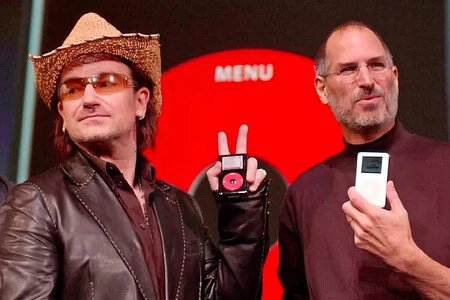
The relationship between U2 and Apple traces its origins back to 2004, a period defined by the rapid rise of digital music distribution. Under the leadership of Steve Jobs, Apple sought to solidify the iPod’s status as the definitive music device, while U2 aimed to reach a younger, digital-native demographic. The initial collaboration—a special edition U2 iPod—was widely considered a success, bridging the gap between legacy rock and modern hardware.
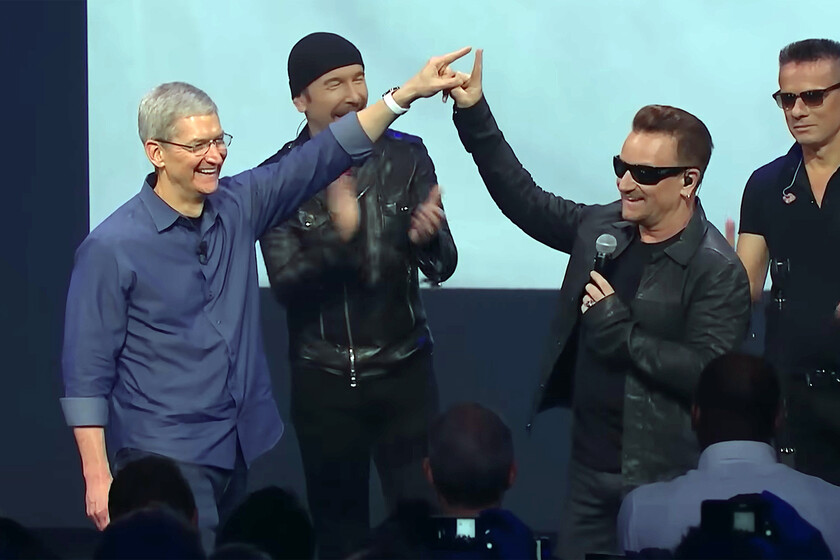
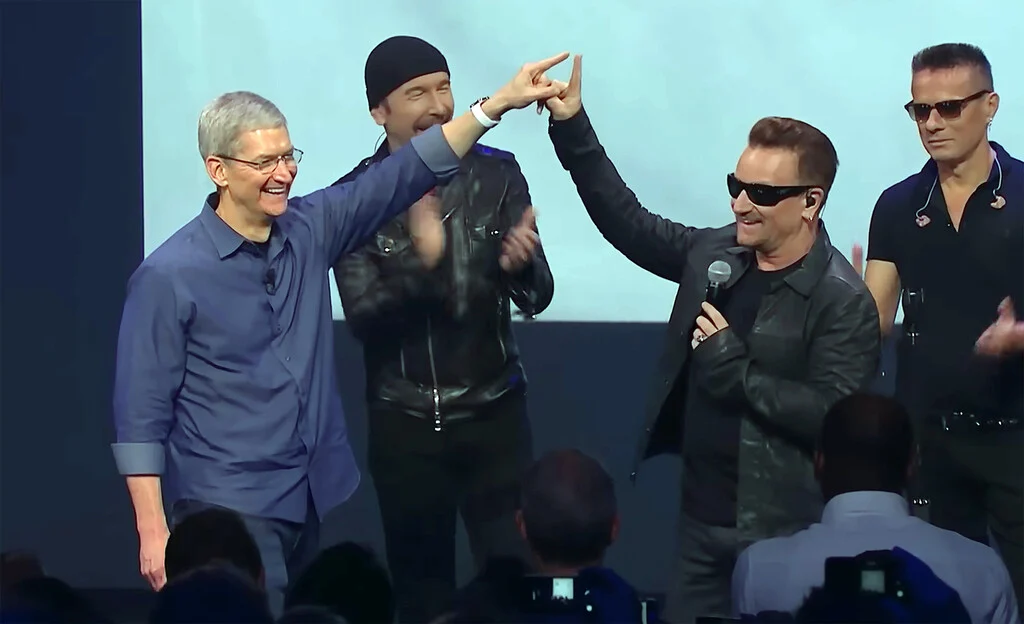
This partnership evolved over the following decade, culminating in the high-stakes launch event of the iPhone 6 and the first-generation Apple Watch on September 9, 2014, at the Flint Center for the Performing Arts in Cupertino. The presentation was meticulously choreographed to signal a new era for Apple. As the keynote neared its conclusion, Tim Cook invited the members of U2 to the stage. After a brief performance, the band and the CEO announced that their thirteenth studio album, "Songs of Innocence," would be gifted to all 500 million iTunes customers globally, effectively appearing in their cloud-based music libraries without prior request or user intervention.
The Anatomy of the PR Catastrophe
While Apple intended the move to be a gesture of grand, technological generosity—a gift to their loyal user base—it immediately triggered a widespread backlash. The fundamental issue was not the music itself, but the lack of consumer consent. By automatically pushing the album to the devices and libraries of hundreds of millions of users, Apple had crossed a boundary regarding digital privacy and control over personal storage.
The reaction was swift and unforgiving. Users who had never expressed interest in the band found their storage space occupied by tracks they could not initially delete. The move was widely interpreted as an aggressive, intrusive, and out-of-touch marketing tactic. Critics pointed out that by forcing the album onto devices, Apple had fundamentally altered the "sanctity" of the personal digital library, transforming a curated collection into a space where corporate entities could unilaterally deposit content.
Official Responses and Damage Control
The fallout forced both parties to address the situation publicly. Within weeks, Apple was compelled to release a dedicated support page and a specialized tool designed to allow users to remove the album from their accounts—a rare admission of error for a company known for its rigid control over user experience.
Bono, the band’s frontman, eventually addressed the controversy with characteristic candor. In a response to a fan’s question on a Facebook Q&A session, he acknowledged the hubris of the gesture. "I had this beautiful idea," Bono admitted, describing it as a mix of "megalomania, a touch of generosity, a little bit of self-promotion, and a deep fear that these songs that we poured our life into over the last few years mightn’t be heard." He assumed full responsibility for the strategy, acknowledging that the band had underestimated how consumers would react to the unsolicited delivery of the content.
Data and Financial Implications
The scale of the "Songs of Innocence" rollout was unprecedented. At the time, Apple paid an undisclosed sum for the rights to the album, an investment that reportedly reached into the tens of millions of dollars. For U2, the goal was to achieve maximum reach. However, the data suggests that while the album reached half a billion libraries, it did not necessarily translate into high-quality engagement.
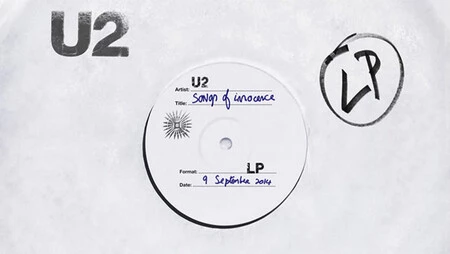
According to metrics released at the time, while 81 million users interacted with the album in some form—whether through streaming or downloading—a significant portion of the user base viewed it as a nuisance. The incident served as a case study for the music industry regarding the limitations of "forced discovery" in the streaming age. It highlighted that even with unlimited reach, the lack of user agency can destroy the intended value of a product.
The Lasting Impact on Brand Perception
The "Songs of Innocence" episode reinforced perceptions of U2 as being disconnected from their audience, a critique they had struggled with periodically throughout their career. For Apple, the event remains one of the most prominent examples of a "corporate overreach" during Tim Cook’s tenure. It demonstrated that even the most successful technology company in the world is susceptible to miscalculating the emotional relationship users have with their personal devices.
Twelve years later, the remnants of that decision are still visible in the cloud libraries of millions of legacy iTunes users. For many, the album remains an untouched artifact in their music app, a digital relic of a 2014 marketing experiment that failed to anticipate the sensibilities of the modern consumer.

Lessons for the Digital Era
The enduring legacy of the 2014 U2/Apple collaboration is not the music itself, but the cautionary tale it provides for digital distribution and artist-platform partnerships. In an era where streaming services dominate, the balance between promotional reach and user experience has become increasingly delicate.
The incident solidified the principle that in the digital age, the user’s library is viewed as a personal, curated space. When a corporation intervenes in that space without explicit permission, the resulting friction often outweighs any potential marketing benefit. As Apple transitioned into the era of Apple Music and shifted its business model away from the iTunes "purchase and store" paradigm toward a subscription-based model, the lessons learned from the U2 debacle were integrated into how the company manages content discovery.
Today, U2 remains a titan of the music industry, and their 50th anniversary is a testament to their enduring relevance. However, the "Songs of Innocence" saga serves as a reminder that even the most powerful entities must respect the boundaries of their audience. It stands as a landmark moment in the history of tech-music relations—a time when a well-intentioned attempt to share art was met with the reality of digital autonomy, forever changing how brands approach the promotion of content in the hands of the end-user. The persistence of the album in many libraries serves as a lingering, silent witness to a moment when the pursuit of scale eclipsed the necessity of user consent.
