

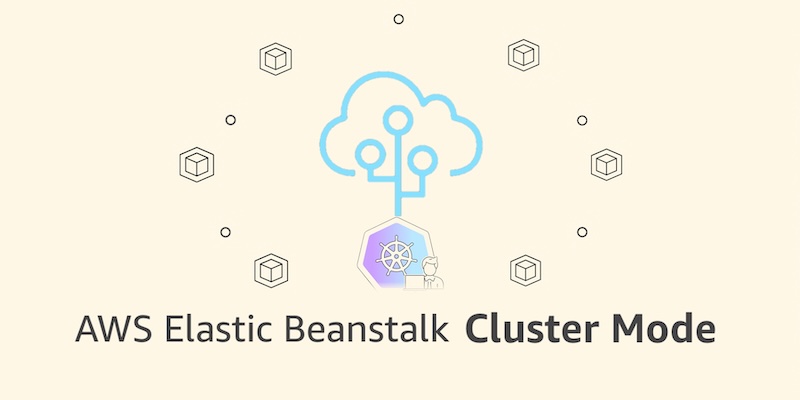
Fifteen years after its initial market debut transformed how developers deploy web workloads, Amazon Web Services (AWS) has radically overhauled its foundational application management platform. The cloud computing titan has officially introduced Elastic Beanstalk Cluster Mode, a fully managed architecture designed to streamline the operation of modern microservices and complex application portfolios. By integrating the operational simplicity of Elastic Beanstalk with the raw power of Amazon Elastic Kubernetes Service (Amazon EKS), the new capability aims to alter how organizations scale, monitor, and maintain production environments.
The announcement marks a significant milestone in the evolution of Platform-as-a-Service (PaaS) offerings. Since 2011, millions of developers across the globe have utilized Elastic Beanstalk to abstract away the underlying infrastructure of full-stack applications written in languages such as Java, .NET, Python, Node.js, PHP, Ruby, and Go. By shifting the burden of provisioning, load balancing, and health monitoring onto AWS, engineering teams could focus strictly on business logic. Over the past decade and a half, however, the industry has experienced a seismic shift toward containerization, microservices architectures, and Kubernetes-orchestrated environments. Cluster Mode represents the direct response of AWS to this architectural evolution, blending high-level application management with enterprise-grade container orchestration.
Main Facts and Architectural Breakdown
At its core, Elastic Beanstalk Cluster Mode takes full operational responsibility for production environments throughout the entire lifecycle of a workload. Organizations can supply their applications in whatever format they currently exist—whether raw source code, custom Dockerfiles, or pre-built container images. Underneath the hood, Elastic Beanstalk automates the creation and management of the underlying infrastructure, handling continuous deployment, scaling, security patching, and monitoring.
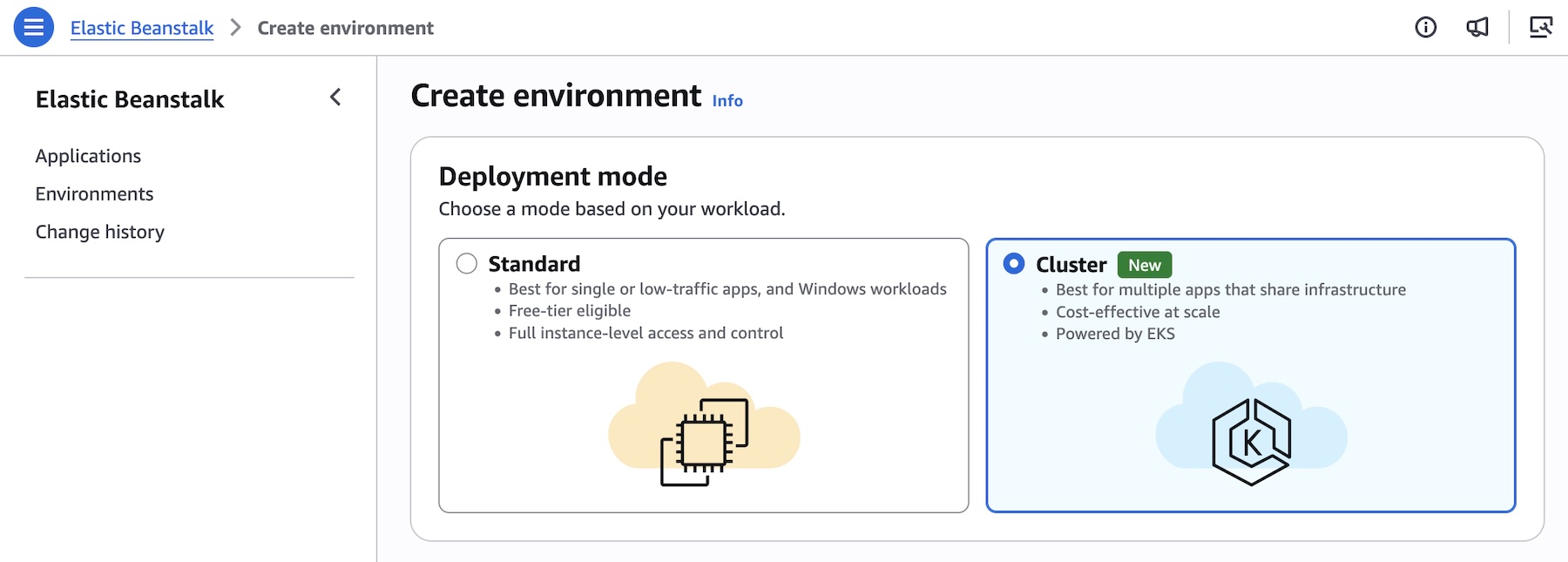
Unlike the traditional Standard Mode, which typically operates applications in individual, isolated silos powered by Amazon Elastic Compute Cloud (EC2), the newly introduced Cluster Mode is purpose-built for enterprise portfolios running multiple interconnected services. Instead of managing separate infrastructure stacks for every microservice, engineering teams can execute multiple applications that share a single infrastructure baseline powered by Amazon EKS.
This shared-resource model introduces notable economic and operational efficiencies. As an organization’s application portfolio expands—ranging from ten to upwards of a hundred distinct services—the per-application infrastructure cost decreases significantly. Crucially, this reduction in cost does not come at the expense of added operational complexity. Administrators manage their entire suite of applications through a unified, centralized interface, maintaining identical operational guarantees and security baselines across every deployment stack.
A Chronological Evolution of Elastic Beanstalk
To understand the magnitude of Cluster Mode, industry analysts point to the continuous, multi-year modernization campaign AWS has undertaken to revamp the entire Elastic Beanstalk engine. The service has undergone a comprehensive internal overhaul to align with modern cloud-native standards.
The modernization timeline accelerated significantly in early 2026:

- February 2026: AWS released an official GitHub Action for Elastic Beanstalk, allowing software development teams to trigger seamless deployments directly from their existing continuous integration and continuous deployment (CI/CD) pipelines using simple YAML configuration files.
- April 2026: The company introduced AI-powered environment analysis. This diagnostic tool leverages machine learning to automatically evaluate runtime health metrics, detect underlying software or configuration issues, and recommend precise remediation steps to operations teams.
- Mid-2026: AWS rebuilt the core infrastructure foundation of the platform from the ground up. This upgrade introduced native OpenTelemetry-based observability, advanced traffic-splitting deployment strategies equipped with automatic rollback capabilities, event-driven autoscaling mechanisms, integrated secrets management via AWS Secrets Manager, and mandatory HTTPS security by default utilizing AWS Certificate Manager.
- September 2026: The rollout culminated in the official general availability announcement of Cluster Mode, bridging the gap between high-level PaaS simplicity and container-native orchestration.
Technical Implementation and Deployment Workflows
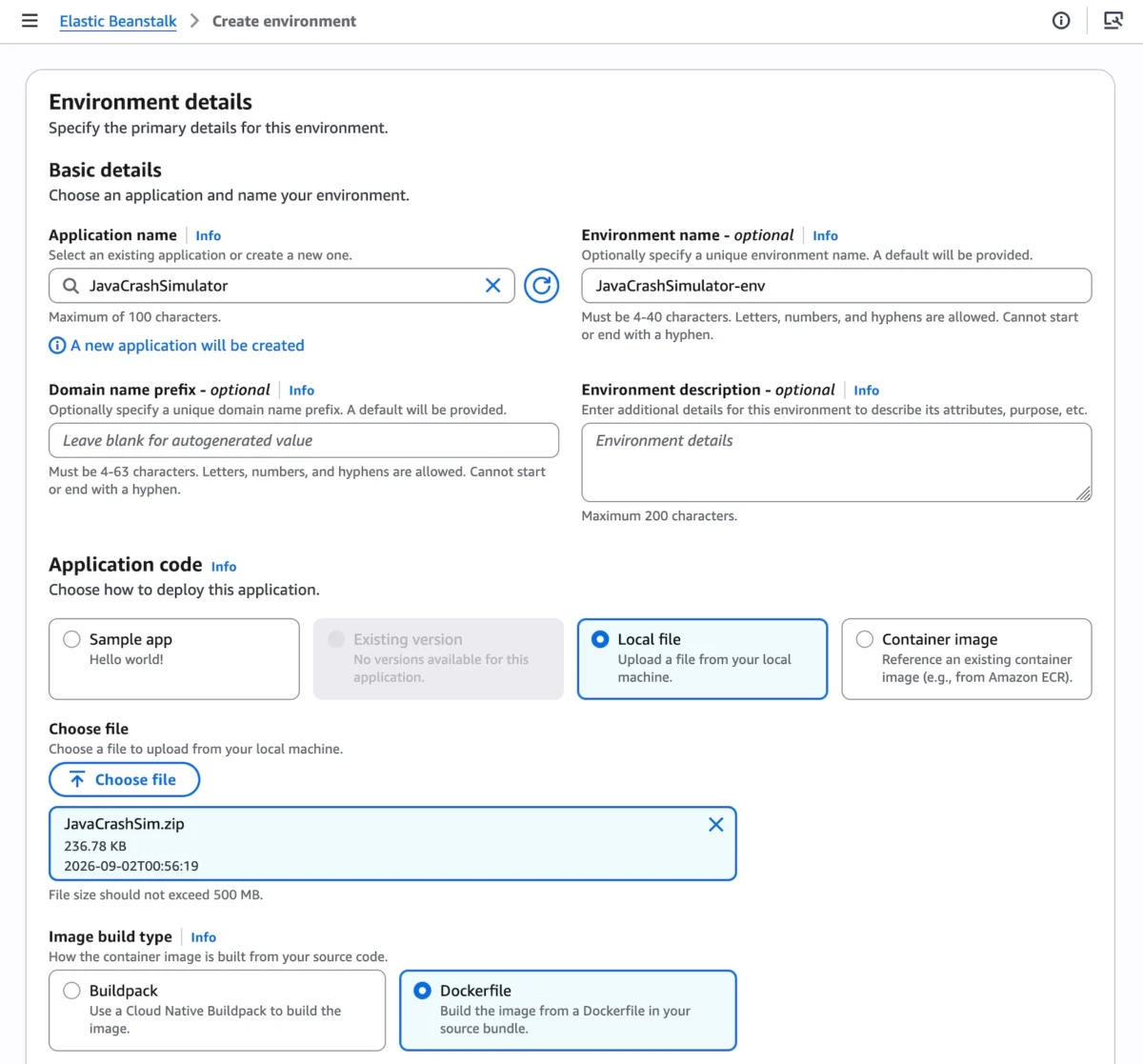
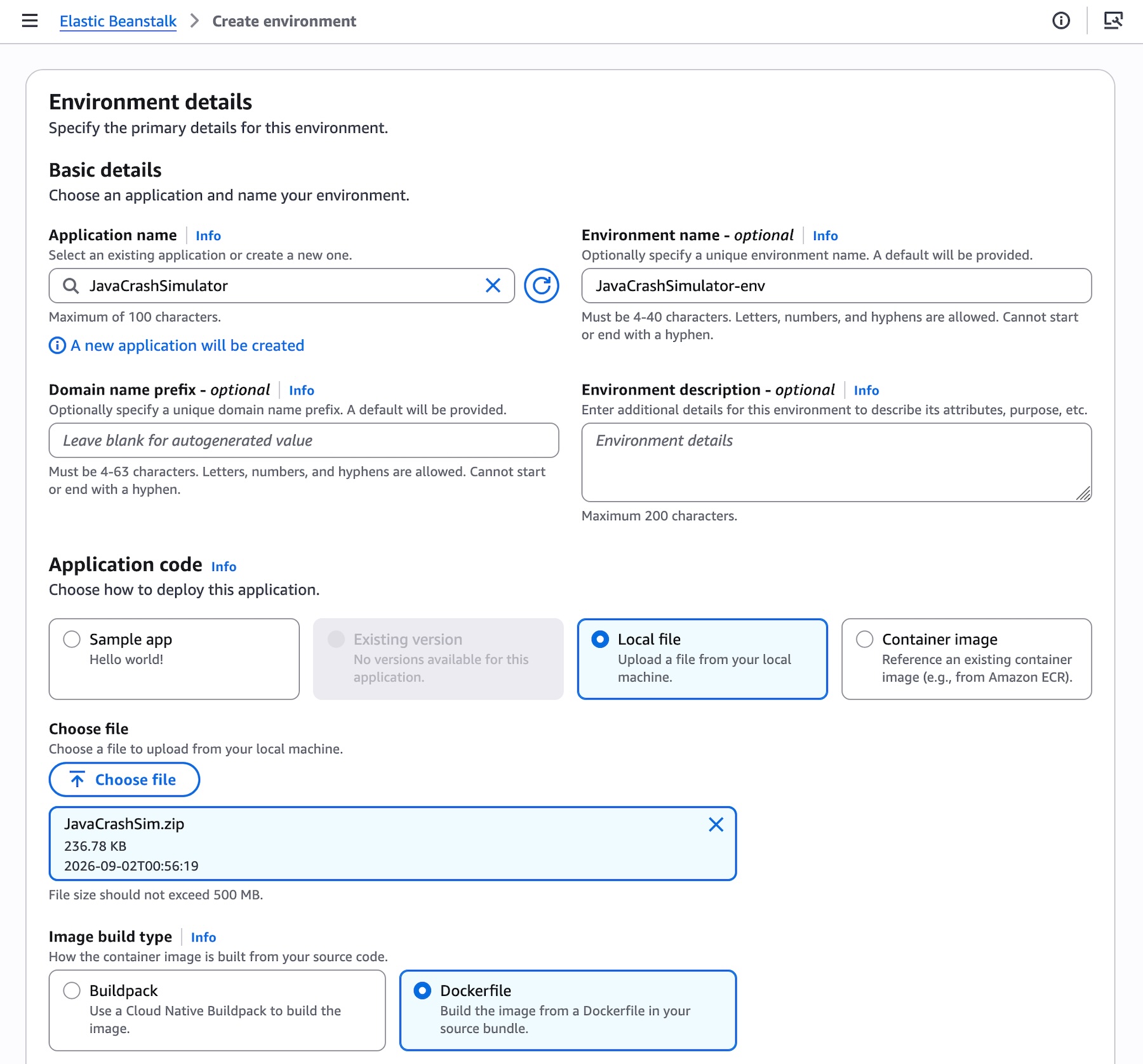
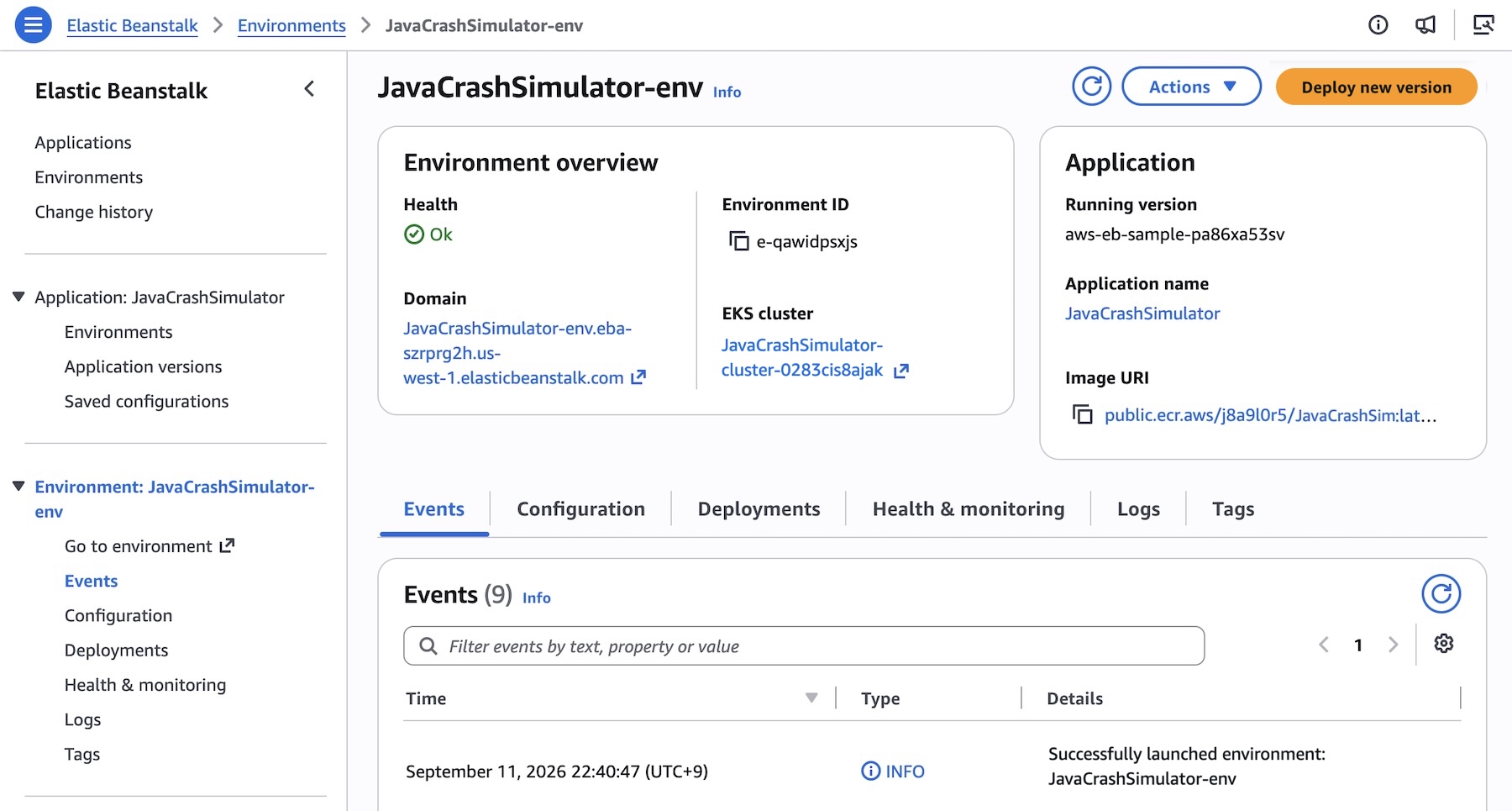
Deploying applications via Cluster Mode is integrated directly into the existing AWS management interfaces. Developers can initiate the process through the AWS Elastic Beanstalk console by creating a new environment and selecting Cluster as the deployment type.
The platform accepts multiple input formats, including local source files with specified container image build configurations or direct pointers to images stored securely in the Amazon Elastic Container Registry (Amazon ECR). Upon the initial creation of a workload across a designated set of subnets, AWS automatically provisions the underlying EKS cluster—a process that typically takes approximately ten minutes. Subsequent application updates and deployments execute at a much faster rate by leveraging the pre-existing cluster infrastructure.
For automation-heavy environments, developers can utilize the AWS Command Line Interface (AWS CLI), the specialized EB CLI, or native AWS SDKs. Managing a multi-service microservices architecture—such as an e-commerce application comprising frontend, cart, payment, and shipping services—can be programmatically orchestrated.
Developers register individual container images as distinct application versions within Elastic Beanstalk using structured command-line sequences:
IMAGES=(
    "frontend-v1|public.ecr.aws/my-microservices/frontend:v1"
    "cartservice-v1|public.ecr.aws/my-microservices/cart:v1"
    "paymentservice-v1|public.ecr.aws/my-microservices/payment:v1"
    "shippingservice-v1|public.ecr.aws/my-microservices/shippping:v1"
)

for entry in "$IMAGES[@]"; do
    IFS='|' read -r label uri <<< "$entry"
    aws elasticbeanstalk create-application-version
        --application-name "$APP_NAME"
        --version-label "$label"
        --image-configuration Source="Uri=$uri"
        --region "us-west-2"
    echo "Registered: $label"
done
Configuration parameters—including memory limits, CPU allocations, autoscaling replicas, and load balancer routing rules—are managed through JSON-formatted option settings. For instance, public-facing services like a web frontend can be configured to provision an internet-facing Application Load Balancer and specific HTTP health check paths, while internal microservices remain isolated within the private networking layer of the cluster.
Coexistence with Standard Mode and Migration Pathways
Recognizing that enterprise customers operate diverse technology stacks with varying migration timelines, AWS has confirmed that Elastic Beanstalk Standard Mode—powered by Amazon EC2—will remain fully supported.
Standard Mode and Cluster Mode environments can run side by side within the exact same Elastic Beanstalk application construct. This architectural flexibility allows engineering teams to migrate workloads at their own pace, evaluating compatibility through automated validation checks before executing any modifications. No organization is forced into an immediate upgrade cycle.
Industry analysts note that Standard Mode continues to serve as an ideal deployment target for monolithic applications, legacy architectures that rely heavily on persistent local file systems, or workloads requiring direct, low-level access to individual EC2 instance operating systems. Conversely, Cluster Mode is targeted squarely at teams pursuing modern, distributed, cloud-native architectures where container orchestration provides superior resource utilization and horizontal scaling capabilities.
Industry Implications and Economic Analysis
The release of Elastic Beanstalk Cluster Mode arrives at a time when enterprise IT departments are under intense scrutiny to optimize cloud expenditures without sacrificing engineering velocity. The proliferation of microservices has historically led to "cluster sprawl," where organizations manage dozens of isolated Kubernetes clusters, resulting in wasted compute capacity and soaring administrative overhead.
By abstracting the operational complexities of Amazon EKS behind the familiar, simplified workflow of Elastic Beanstalk, AWS is lowering the barrier to entry for container orchestration. Small-to-medium-sized development teams that previously lacked specialized Kubernetes administrators can now deploy robust, scalable containerized workloads with minimal training. Meanwhile, enterprise organizations benefit from standardized governance, centralized logging via OpenTelemetry, and predictable security compliance through automated patching.
From a financial perspective, AWS has structured Cluster Mode pricing to align with consumption-based economics. There is no additional software surcharge or management fee specifically levied for utilizing Elastic Beanstalk Cluster Mode. Customers pay strictly for the underlying AWS infrastructure consumed by their applications. This includes the standard Amazon EKS control plane fee, EKS Auto Mode compute resources, Amazon ECR storage and data transfer, and Amazon CloudWatch monitoring metrics. AWS explicitly noted that Cluster Mode is not eligible for the AWS Free Tier, reflecting its positioning as an enterprise-grade production platform.
Availability and Future Roadmap
AWS Elastic Beanstalk Cluster Mode is generally available across all AWS commercial regions where Elastic Beanstalk is currently supported. Organizations seeking detailed regional availability matrices, API documentation, or troubleshooting guides can leverage the AWS MCP Server and compatible AI plugins to query documentation repositories programmatically.
As cloud architecture continues its relentless march toward containerization and automated management, the latest iteration of Elastic Beanstalk underscores the ongoing commitment of AWS to bridge the gap between developer productivity and infrastructure power. By transforming how teams build and maintain complex portfolios, Cluster Mode sets a new benchmark for managed application services in the modern cloud era.
