
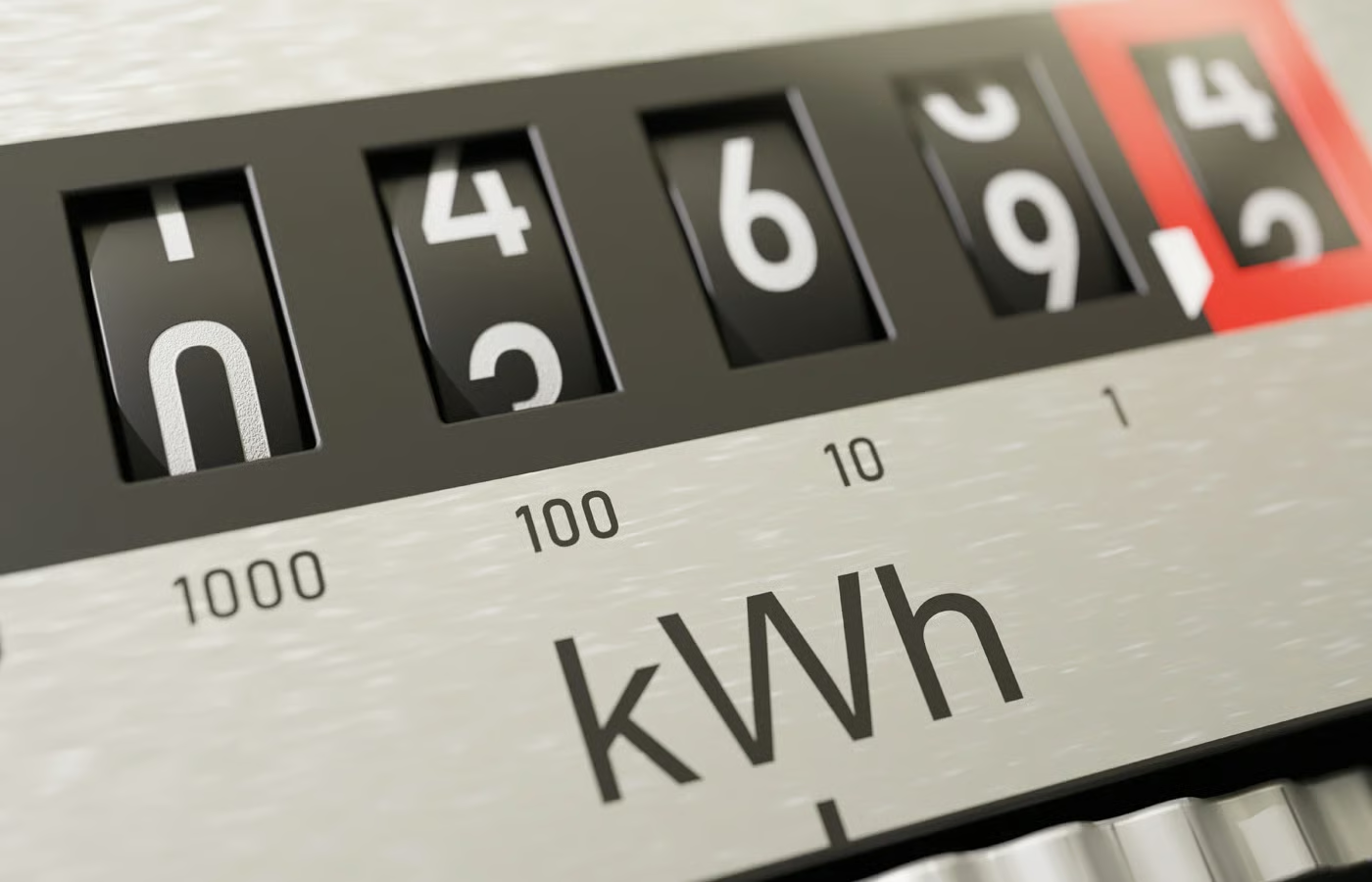

Energy consumption has rapidly evolved from a standard line-item utility expense into one of the most pressing operational and financial challenges for modern data centers. As global demand for data processing, artificial intelligence training, cloud computing, and real-time connectivity surges, the infrastructure required to support these digital services expands commensurately. Powering high-performance servers and the massive cooling systems necessary to dissipate their thermal output now accounts for a staggering share of global electricity consumption. Industry analysts estimate that data centers currently consume a significant percentage of worldwide power generation—a figure projected to escalate dramatically over the coming decade.
This dramatic escalation in energy demand places immense pressure on facility operators, corporate sustainability officers, and power grids alike. Balancing the imperative for high-speed, uninterrupted data processing with the pressing need to curtail carbon footprints requires a fundamental reexamination of how data centers are designed, monitored, and operated.
The Anatomy of Data Center Power Consumption
To effectively address the rising costs and environmental impacts associated with digital infrastructure, enterprise organizations must first dissect how power is consumed across a facility. A typical data center is a complex ecosystem where electrical energy is transformed, distributed, utilized, and ultimately dissipated as heat.
The foundation of this ecosystem is the facility’s power infrastructure. Electricity is typically drawn from the external utility grid, routed through high-capacity substations, and managed via uninterruptible power supplies (UPS) and backup diesel generators to ensure continuous operation during grid failures. Power distribution units (PDUs) then step down and deliver this electricity to individual server racks.
At the center of this network are the servers and computing equipment. Serving as the primary workhorses of the facility, servers execute complex computational tasks, manage storage arrays, and facilitate network routing. Their power draw is inherently dynamic, fluctuating directly in response to workload demands. When computational loads peak—such as during high-traffic periods or intensive machine learning computations—processors draw maximum wattage. During off-peak hours, power utilization declines, though idle servers continue to consume a baseline amount of energy.
However, the power consumed by computing hardware is nearly matched by the energy required for climate control. Servers generate concentrated heat that, if left unchecked, can lead to hardware failure, thermal throttling, or catastrophic system crashes. Consequently, facilities deploy extensive cooling and climate control mechanisms, including Computer Room Air Conditioner (CRAC) units, chillers, cooling towers, and sophisticated air-handling systems. In many traditional facilities, the energy consumed by cooling infrastructure approaches the total power draw of the computing equipment itself.
To quantify this operational overhead, the data center industry relies on a standard metric known as Power Usage Effectiveness (PUE), pioneered by The Green Grid. PUE is calculated by dividing the total facility energy input by the energy delivered specifically to the IT equipment. An ideal PUE rating is 1.0, representing a theoretical facility where every watt of power goes exclusively to computing. Historically, the industry average hovered around 2.0, meaning facilities required an additional watt of cooling and auxiliary power for every watt consumed by servers. Modern, highly optimized hyperscale facilities have successfully driven PUE ratios down closer to 1.1 or 1.2, though older legacy data centers continue to struggle with high inefficiencies.
In addition to servers and cooling, auxiliary systems—including emergency lighting, environmental monitoring sensors, fire suppression systems, and physical security measures—contribute baseline energy loads to the overall facility ledger.
Historical Evolution and the Acceleration of Energy Demand
The trajectory of data center power consumption has undergone a radical transformation over the past three decades. During the dot-com boom of the late 1990s and early 2000s, enterprise data centers were characterized by decentralized server rooms operating with little regard for energy efficiency. Power density per rack rarely exceeded 3 to 5 kilowatts, and cooling was treated as a secondary operational concern.
By the 2010s, the advent of cloud computing triggered a major structural shift. Enterprises began migrating away from on-premises server closets in favor of massive colocation and hyperscale data centers operated by major technology conglomerates. This consolidation initially improved efficiency through economies of scale, allowing providers to deploy advanced airflow management and centralized monitoring tools.
However, the subsequent explosion of big data analytics, streaming media, and, most recently, generative artificial intelligence has upended traditional scaling models. Modern AI workloads require dense clusters of specialized graphics processing units (GPUs) and accelerator cards that draw significantly more power per square foot than standard central processing units (CPUs). Rack power densities that once averaged 5 kilowatts are now regularly exceeding 30 to 50 kilowatts—and in some specialized AI training facilities, densities are pushing past 100 kilowatts per rack. This dramatic increase in thermal output has rendered conventional air-cooling systems insufficient, forcing a rapid industry-wide pivot toward advanced liquid cooling and alternative thermal management techniques.
Strategic Frameworks for Optimizing Energy Efficiency
To mitigate skyrocketing utility bills and meet stringent corporate environmental, social, and governance (ESG) targets, data center operators are deploying a multifaceted portfolio of optimization strategies.
1. Deployment of Energy-Efficient Hardware and Storage
A foundational step in reducing operational energy use involves upgrading aging hardware to modern, high-efficiency alternatives. Modern servers feature advanced power-scaling capabilities, enabling processors to dynamically reduce voltage and frequency during low-utilization periods. Furthermore, replacing traditional mechanical hard disk drives (HDDs) with solid-state drives (SSDs) yields measurable energy savings, as SSDs consume significantly less power during read and write operations. Procuring equipment bearing certifications such as ENERGY STAR ensures that hardware meets rigorous efficiency standards established by regulatory bodies.
2. Transitioning to Advanced Cooling Paradigms
Because climate control constitutes such a large fraction of total facility energy expenditure, upgrading cooling infrastructure offers some of the highest potential returns on investment. Many modern facilities are moving beyond traditional raised-floor air distribution in favor of hot-aisle and cold-aisle containment systems, which physically isolate intake air from exhaust air to prevent thermal mixing.
More critically, the industry is accelerating the adoption of liquid cooling technologies. Because liquids such as specialized dielectric fluids possess a much higher thermal conductivity than air, they can dissipate heat directly from high-density components far more efficiently. Direct-to-chip cooling and immersion cooling configurations drastically reduce the energy required by heavy fan systems and chillers. Additionally, facilities located in cooler climates are increasingly utilizing airside and waterside economizers, which harness ambient outside air or water to cool the facility for large portions of the year without mechanical refrigeration.
3. Virtualization and Workload Consolidation
Software-level optimization has proven just as vital as physical infrastructure upgrades. Server virtualization enables multiple virtual machines (VMs) to execute concurrently on a single physical server, maximizing hardware utilization rates. Historically, underutilized servers often ran at fractional capacities while still drawing substantial baseline power. By consolidating workloads onto fewer physical nodes, operators can power down idle hardware or place redundant servers into low-power sleep states. The broader adoption of cloud computing and containerization platforms further streamlines resource allocation across enterprise networks.
4. Integration of Data Center Infrastructure Management (DCIM) and AI
Visibility is a prerequisite for optimization. Modern data centers increasingly rely on sophisticated DCIM software platforms to continuously monitor power flow, temperature gradients, and equipment health in real time. By integrating artificial intelligence and machine learning algorithms into DCIM frameworks, operators can predict workload spikes, dynamically adjust cooling parameters, and automate power distribution. These predictive models can optimize facility operations far faster and more accurately than human operators, preventing energy waste before it occurs.
5. Transitioning to Renewable Energy Sources
To address the broader environmental impact of high electricity demand, data center operators are increasingly turning to renewable energy integration. Major technology companies and colocation providers are signing multi-year Power Purchase Agreements (PPAs) directly with wind, solar, and hydroelectric generation facilities. Beyond purchasing off-site green power through the grid, some forward-thinking facilities are investing in on-site renewable generation infrastructure—such as rooftop solar arrays and fuel cells—alongside advanced battery energy storage systems (BESS) to buffer against intermittent power supplies and grid fluctuations.
Industry Perspectives and Economic Implications
The aggressive pursuit of energy efficiency is no longer viewed merely as a cost-cutting measure, but as a core competitive differentiator for data center operators and their enterprise clients.
Industry analysts point out that constrained grid capacity in major data center hubs—such as Northern Virginia’s Data Center Alley, Dublin, and Frankfurt—has introduced a new bottleneck to digital expansion. In some regions, local utility providers have paused new grid connections due to surging electricity demand, making energy efficiency and on-site generation existential requirements for business continuity.
Corporate sustainability leaders emphasize that enterprise customers increasingly demand verified carbon-neutral or low-carbon hosting options to satisfy their own scope 3 emissions reporting requirements. Consequently, facilities that fail to modernize their power infrastructure face mounting financial risks, including higher utility tariffs, carbon taxation, and potential customer churn.
Conversely, organizations that successfully implement comprehensive energy optimization programs report substantial financial returns. Lower PUE ratios translate directly into reduced operational expenditures, protecting profit margins against volatile global energy markets. Furthermore, proactive investments in green IT infrastructure enhance brand reputation, attract eco-conscious investors, and future-proof operations against anticipated regulatory tightening.
Ongoing Challenges in Power Management
Despite significant technological advancements, achieving absolute energy efficiency in data center operations remains fraught with complex challenges.
Balancing unrelenting computing performance demands with sustainability goals is a persistent tightrope walk. As end-users demand faster response times, lower latency for generative AI models, and real-time data processing, the computational intensity per transaction rises. Hardware manufacturers are locked in a race to develop processors that deliver higher performance-per-watt ratios, but physical thermodynamic limits continue to pose formidable barriers.
Financial barriers represent another major hurdle, particularly for legacy facilities. Upgrading an existing, operational data center to incorporate modern liquid cooling systems, high-efficiency transformers, and advanced DCIM software requires substantial upfront capital expenditure. For many mid-sized enterprises, the disruption associated with overhauling legacy infrastructure while maintaining continuous uptime is a deterrent.
Finally, regulatory and geopolitical complexities surrounding energy procurement vary wildly by jurisdiction. Navigating local grid regulations, securing stable renewable energy contracts, and managing the logistical hurdles of on-site clean energy generation require specialized legal and engineering expertise that smaller operators may lack.
Conclusion
Efficient power management in data centers has transcended standard operational maintenance to become a defining pillar of modern digital infrastructure. As the global economy becomes increasingly reliant on data-intensive technologies, the imperative to curb energy consumption and lower carbon emissions will only intensify.
By strategically combining energy-efficient hardware procurement, advanced thermal management solutions like liquid cooling, rigorous virtualization practices, AI-driven DCIM oversight, and direct investments in renewable energy, data center operators can successfully decouple computational growth from environmental degradation. Meeting these challenges head-on ensures that the digital hubs powering the modern world can sustain their vital operations economically, reliably, and sustainably for decades to come.
