
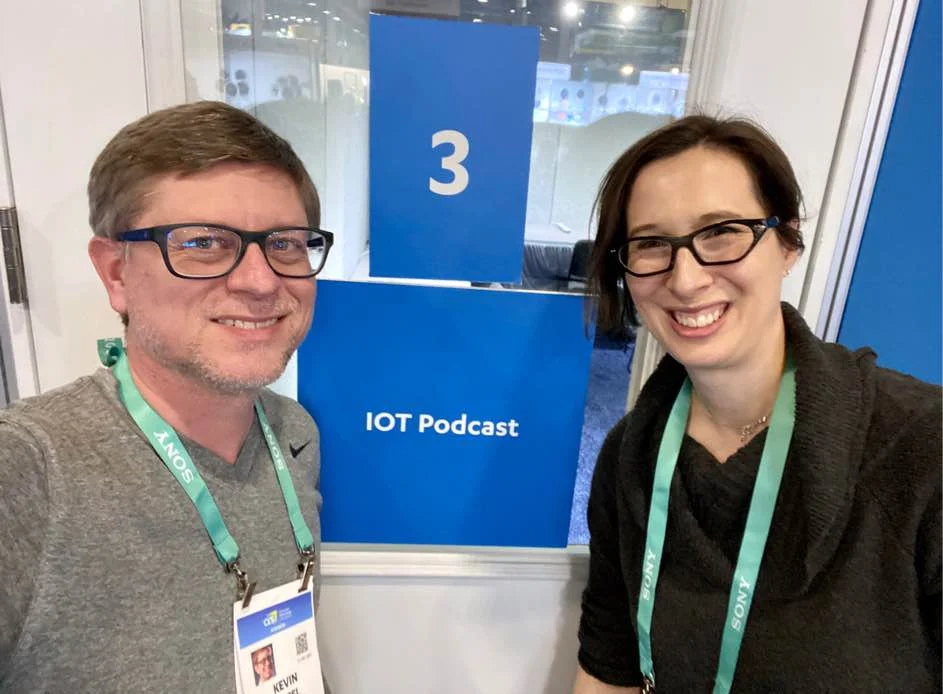

Stacey on IoT Newsletter Concludes Seven-Year Run, Author Shifts Focus to Broader Consumer Technology Issues
The author of the influential "Stacey on IoT" newsletter and podcast, a prominent voice in the Internet of Things (IoT) discourse for over seven years, has announced the cessation of these regular publications. The final edition of the weekly newsletter, distributed on August 18, 2023, marked the end of an era for many in the technology sector who relied on the author’s in-depth analysis of connected devices, their societal implications, and the evolving business models within the IoT landscape.
While the regular output of the newsletter and podcast is concluding, the author has indicated that this is not a definitive departure from public engagement with technology. Future contributions are anticipated through occasional newsletters on significant topics, ongoing activity on the Bluesky social platform, and potential freelance work for other publications. A specific mention was made of continued involvement with the Consumer Reports Innovation Lab, where the author will focus on cybersecurity and privacy concerns related to connected devices. This strategic pivot signals a shift from the daily news cycle of technology journalism to a more concentrated examination of long-term consumer impact and ethical considerations.
A Journey from Fortune to the Forefront of IoT
The genesis of "Stacey on IoT" can be traced back to 2016, following the author’s departure from a senior editor position at Fortune magazine. This transition, which some observers initially viewed with skepticism, was driven by a desire to delve deeply into the burgeoning field of interconnected devices. The core mission was to explore the complex technological and social ramifications of embedding computing power into everyday objects, a concept that has since become a ubiquitous aspect of modern life.
Over the intervening years, the "Stacey on IoT" platform garnered a substantial following, comprising thousands of readers and listeners who engaged with the content. The author acknowledged that the sustainability of this venture was contingent upon the support of this audience, as well as that of its sponsors. The success of the platform is attributed to the audience’s willingness to dedicate their time and share their experiences, fostering a collaborative environment for exploring the multifaceted world of IoT. This acknowledgment underscores a profound sense of gratitude for the community that developed around the newsletter and podcast.
Navigating the Evolving Landscape of Connected Devices
The author’s tenure covering IoT began with an early awareness of the dual nature of smart home technology. As far back as 2012, when the smart home market was still in its nascent stages, it was evident that these devices introduced a layer of complexity into users’ lives, alongside the potential for increased governmental or corporate surveillance. This early prescience has been borne out by subsequent developments in the industry.
The trajectory of the connected device market has been characterized by fluctuating business models. Initially, many devices were positioned as premium products. However, as the market matured, a significant shift occurred, with many companies adopting either costly subscription services or aggressive data collection practices as their primary revenue streams. This evolution has raised persistent questions about the value proposition for consumers and the ethical implications of widespread data monetization.
Beyond the domestic sphere, the author has also critically examined the application of new technologies in the workplace. The use of advanced monitoring systems to track employee performance and productivity has become increasingly prevalent, often with a singular focus on optimizing profit margins. This trend has drawn scrutiny for its potential to create high-pressure work environments and erode worker autonomy.
More recently, the rise of Environmental, Social, and Governance (ESG) initiatives has seen corporations invest in technology aimed at reducing carbon footprints and enhancing operational efficiency. While these efforts are ostensibly positive, the author expresses a degree of skepticism, suggesting that such investments may sometimes serve as a form of "greenwashing" – a superficial attempt to appear environmentally conscious without addressing fundamental issues of unsustainable practices.
Burnout and a Renewed Perspective
Despite a fundamental belief in the power of technology to address societal challenges and a passion for innovation, the author admits to experiencing burnout. This exhaustion has, in turn, fostered a growing sense of cynicism towards new startups and research initiatives, hindering the ability to engage with genuinely promising technological advancements.
This period of reflection and re-evaluation has led to the decision to step back from the demanding schedule of regular content creation. The author expresses a hope that a period of respite will reignite enthusiasm for technology and human ingenuity, enabling a return to identifying and articulating impactful stories.
Future Endeavors and Continued Engagement
The author’s immediate future will involve personal projects and a continued consulting role with the Consumer Reports Innovation Lab. This specific focus on cybersecurity and privacy issues associated with connected devices reflects a commitment to addressing critical consumer protection concerns in the digital age. The work at Consumer Reports is expected to involve in-depth research and analysis, moving beyond the immediate news cycle to explore systemic vulnerabilities and potential solutions.
Furthermore, the author has indicated a willingness to contribute occasional blog posts to the Consumer Reports Innovation Lab’s platform and to explore freelance opportunities with other publications. This approach suggests a desire to engage with significant technological trends and their societal impact through more targeted, in-depth analysis rather than continuous daily reporting.
The author also expressed an ongoing interest in hearing from the community about their experiences with connected devices. This suggests a continued commitment to understanding the real-world implications of IoT technology from the user’s perspective. Plans are in place to reach out to many individuals to discuss strategies for enhancing the safety, security, and overall benefit of connected devices for consumers. This collaborative approach, emphasizing dialogue and shared learning, will likely inform future contributions to the field.
Readers are encouraged to maintain contact via email at [email protected], signifying an open channel for continued discussion and information exchange. This persistent engagement underscores the author’s belief that the conversation around technology’s role in society is ongoing and vital.
The Societal Impact of Ubiquitous Connectivity
The seven-year journey of "Stacey on IoT" has coincided with a period of unprecedented growth and integration of connected technologies into nearly every facet of modern life. From smart thermostats and wearable fitness trackers to industrial sensors and autonomous vehicles, the Internet of Things has moved from a niche concept to a fundamental infrastructure.
Timeline of Key IoT Developments during the "Stacey on IoT" Era (2016-2023):
- 2016-2017: Increased consumer adoption of smart home devices like Amazon Echo and Google Home. Growing concerns about data privacy and security vulnerabilities in early smart home products.
- 2018-2019: Expansion of IoT into industrial applications (IIoT) and smart cities. Emergence of significant data breaches and privacy scandals, leading to increased regulatory scrutiny (e.g., GDPR implementation).
- 2020-2021: The COVID-19 pandemic accelerated the adoption of remote work technologies and highlighted the reliance on connected infrastructure. Increased focus on the role of IoT in healthcare and supply chain management.
- 2022-2023: Maturation of AI integration with IoT, leading to more sophisticated predictive analytics and automation. Continued debate surrounding the environmental impact of electronic waste and energy consumption of IoT devices. Heightened focus on supply chain resilience and cybersecurity in an increasingly complex global landscape.
The data landscape has also transformed dramatically. According to Statista, the global number of connected IoT devices was projected to reach over 29 billion by 2023, a significant increase from approximately 10 billion in 2016. This exponential growth underscores the scale of the data being generated, collected, and processed, raising critical questions about its governance, security, and ethical use.
Analysis of Implications: A Call for Responsible Innovation
The author’s departure from regular IoT commentary and shift towards broader consumer technology issues, particularly cybersecurity and privacy, reflects a critical juncture for the industry. The initial promise of convenience and efficiency offered by IoT has been increasingly tempered by concerns regarding data exploitation, surveillance capitalism, and the potential for technological systems to exacerbate societal inequalities.
The increasing focus on ESG by corporations, while potentially positive, carries the risk of superficial engagement. True sustainability in the tech sector requires not only investments in green technologies but also a fundamental re-evaluation of business models that rely on excessive resource consumption and planned obsolescence. The "right to repair" movement, gaining traction in recent years, is a testament to growing consumer demand for more sustainable and user-centric product lifecycles.
The author’s expressed burnout and cynicism are not isolated sentiments. Many in the technology journalism and analysis sphere grapple with the sheer pace of innovation, the often-unintended consequences of deployed technologies, and the challenges of holding powerful corporations accountable. The transition towards a more focused, analytical approach, as exemplified by the author’s new role, suggests a recognition that long-term, in-depth investigation is crucial for navigating the complex ethical and societal challenges posed by emerging technologies.
The continued emphasis on user experiences and the pursuit of making connected devices "safer, more secure, and better for everyone" indicates a forward-looking perspective. The next phase of IoT development, and indeed of consumer technology more broadly, will likely be defined by its ability to balance innovation with robust ethical frameworks, prioritize user well-being, and address the systemic risks inherent in an increasingly interconnected world. The author’s ongoing engagement, albeit in a different format, will undoubtedly contribute valuable insights to this critical discourse.
