

In an era where cyber threats evolve with unprecedented speed and sophistication, the traditional paradigm of cyber defense—envisioning security as an impenetrable fortress—is rapidly becoming obsolete. Organizations historically focused on constructing stronger perimeters, deploying more guards, and acquiring numerous detection engines, operating under the assumption that breaches would manifest as overt assaults on the digital front gate. However, contemporary incident trends reveal a starkly different reality: successful attacks rarely involve a head-on collision. Instead, they often infiltrate systems disguised as routine activities, cleverly hide within legitimate processes, and quietly accumulate risk over extended periods, often long before any red flags are raised or an event is formally labeled an "incident." This fundamental shift in attacker methodology necessitates a radical re-evaluation of the Security Operations Center (SOC)’s role, transforming it from a mere detector of attacks into a critical strategic function dedicated to proactively minimizing business uncertainty.
The evolving threat landscape has underscored that operational debt—comprising every unidentified process, every unenriched alert, and every delayed investigation—compounds silently within an organization’s infrastructure. This latent risk can erupt into significant business disruption, manifesting as prolonged downtime, severe compliance violations, adverse customer impact, and irreparable reputational damage. Consequently, effective prevention is no longer solely about blocking external threats at the network perimeter. It has transitioned into a race against time, centered on shrinking the interval between "something changed" and "we understand exactly what it means." Leading SOCs today are not merely reacting to confirmed breaches; they are strategically positioned to reduce the total amount of uncertainty a business can accrue, transforming their mission from incident response to preemptive risk management.
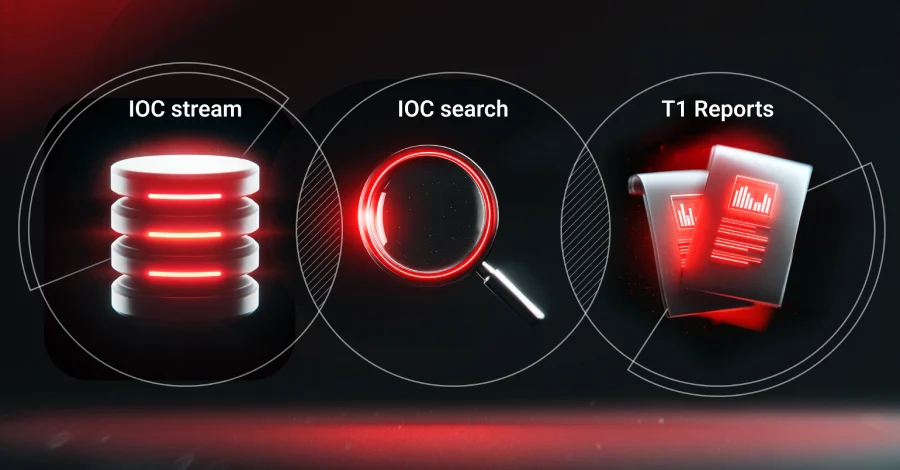
This paradigm shift demands a multi-faceted approach, underpinned by three critical pillars: the continuous updating of monitoring systems with fresh threat intelligence, the comprehensive enrichment of alerts with actionable triage context, and the provision of response-ready reports to eliminate investigation bottlenecks. By implementing these steps, mature SOCs can proactively neutralize incident risk, preventing escalation into full-blown business disruptions.
The Evolving Mandate of the Modern Security Operations Center
The traditional SOC model, often characterized by a reactive posture, struggled to keep pace with an adversary that became increasingly adept at blending into legitimate network traffic. Early cyber defenses focused on signature-based detection and anomaly identification, often leading to a deluge of alerts that overwhelmed human analysts. This "alert fatigue" not only desensitized teams but also created significant blind spots, allowing stealthy threats to persist undetected for months, sometimes years—a phenomenon known as "dwell time." Industry reports, such as those from Mandiant and IBM Security, consistently highlight average dwell times that, while improving, still offer attackers ample opportunity to achieve their objectives before discovery. For instance, the IBM Cost of a Data Breach Report frequently points to the direct correlation between longer dwell times and higher breach costs, underscoring the financial imperative of rapid detection and response.

The modern SOC must move beyond this reactive stance. Its new mandate is to act as an intelligence hub, a proactive risk reduction engine, and a critical enabler of business resilience. This requires a fundamental shift in how security data is collected, analyzed, and translated into actionable insights. It demands tools and processes that can not only detect known threats but also identify emerging patterns, provide immediate context, and facilitate swift, coordinated responses across the entire organization.
Pillar 1: Dynamic Threat Intelligence Integration for Earlier Threat Spotting
The efficacy of any organization’s detection capabilities is intrinsically linked to the currency and quality of its underlying threat intelligence. A Security Information and Event Management (SIEM) system operating on outdated Indicators of Compromise (IOCs) is akin to a sieve with gaping holes, through which sophisticated adversaries can effortlessly pass. Threat actors are acutely aware of these vulnerabilities, constantly leveraging newly registered domains for phishing campaigns, establishing fresh Command and Control (C2) infrastructure, and deploying novel malware variants that emerged just last week. None of these contemporary threats will trigger an alarm if the organization’s threat feeds have not been updated to reflect the latest intelligence.
To counter this, leading SOCs must ensure their monitoring systems are continuously refreshed with high-fidelity, real-time threat intelligence. This means integrating feeds that capture the very latest adversary Tactics, Techniques, and Procedures (TTPs), malware signatures, and infrastructure details. Solutions like ANY.RUN’s Threat Intelligence Feeds exemplify this approach, delivering a continuous, high-confidence stream of IOCs, including IP addresses, domains, and URLs. These indicators are not merely recycled from generic third-party aggregators; they are derived from active sandbox sessions and incident investigations conducted across a vast network of over 15,000 organizations and 600,000 SOC professionals. This direct observation from real execution environments, where live malware operates daily, provides an unparalleled level of accuracy and timeliness.
The seamless integration of these feeds into existing security infrastructure—SIEM, firewalls, EDR (Endpoint Detection and Response) solutions, and threat intelligence platforms—via standard formats such as STIX/TAXII, CSV, and JSON, ensures that detection stacks refresh automatically. This automation eliminates the need for manual analyst intervention, freeing up valuable human resources and significantly reducing the window of vulnerability.
Business Outcomes of Continuous Threat Intelligence Updates:

- Reduced Attacker Dwell Time: By detecting threats earlier, the time an attacker spends undetected within the network is drastically minimized, curbing potential damage.
- Lowered Risk of Major Breaches: Proactive identification of new attack vectors prevents minor incursions from escalating into full-scale data breaches or system compromises.
- Enhanced Compliance Posture: Timely threat detection and response capabilities demonstrate due diligence, aiding in adherence to regulatory requirements and frameworks.
- Preserved Operational Continuity: Early intervention against ransomware or disruptive malware prevents widespread system outages and maintains business operations.
- Protection of Brand Reputation: Preventing public incidents safeguards customer trust and the organization’s standing in the market.
In essence, fresh, dynamic threat intelligence transforms detection systems from passive archives into active, omnidirectional radar arrays, constantly scanning for the latest threats. This shift is critical as the volume of new malware strains discovered annually continues to climb, with estimates often in the hundreds of millions, making static defenses increasingly inadequate.
Pillar 2: Contextual Alert Enrichment for Rapid Decision-Making
One of the most insidious yet often overlooked risks within modern SOC operations is not the sheer volume of alerts, but rather the pervasive issue of incomplete context. The pertinent question is not whether analysts possess the capability to triage effectively, but whether the existing system is demanding that they perform work that could—and should—have been completed before an alert ever reached their queue. Without comprehensive context, analysts are forced into time-consuming manual investigations, often navigating multiple disparate systems to piece together a coherent picture, thereby delaying critical response actions.
To address this, advanced SOCs leverage tools that provide immediate, deep, and continuously updated intelligence to enrich alerts. A Threat Intelligence Lookup capability empowers analysts with on-demand access to a vast database of information, allowing them to quickly investigate various indicators of compromise. This includes:
- IP addresses: Identifying malicious origins or C2 servers.
- Domains and URLs: Pinpointing phishing sites, malware distribution points, or suspicious communication channels.
- Hashes: Recognizing known malicious files.
- MITRE ATT&CK TTPs: Mapping observed behaviors to established adversary tactics and techniques.
- YARA rules and Suricata rules: Applying detection logic for known threats.
- CVEs: Identifying vulnerabilities exploited by specific threats.
- Malware families: Classifying the type of threat based on its characteristics.
- Campaigns: Linking current activity to broader threat campaigns.
Crucially, these lookups immediately reveal related malware families, network behavior patterns, execution chains, detection labels, and associated infrastructure. This means analysts receive investigation-ready context within seconds, rather than hours. This dramatic improvement in triage speed and confidence is particularly vital during periods of high alert volume, where the rapid prioritization of threats can determine whether an attack is contained early or permitted to propagate across the network.
Business Outcomes of Enriched Alerts:

- Faster Mean Time to Detect (MTTD) and Respond (MTTR): By providing immediate context, the time taken to identify and neutralize threats is drastically reduced.
- Reduced Analyst Burnout and Improved Efficiency: Automation of context gathering minimizes manual drudgery, allowing analysts to focus on higher-value tasks and strategic analysis.
- More Accurate Incident Prioritization: Richer context enables analysts to quickly distinguish between benign anomalies and genuine critical threats, ensuring resources are allocated effectively.
- Minimized False Positives: With better data, analysts can more confidently dismiss non-malicious alerts, reducing wasted effort and improving overall security signal-to-noise ratio.
By shifting the burden of context gathering from the analyst to automated systems, organizations can transform their SOCs into highly efficient operations, where every alert is presented with a complete narrative, enabling swift and decisive action.
Pillar 3: Streamlined, Response-Ready Reporting to Eliminate Investigation Bottlenecks
Even after a threat has been accurately identified and analyzed, organizations frequently lose precious time in the critical phase of translating technical findings into actionable response steps. This inherent gap between "analysis completed" and "response initiated" creates a dangerous operational lag, allowing threats to persist longer than necessary and potentially expand their impact. Different stakeholders—security engineers, incident responders, management teams, legal counsel, and compliance officers—each require distinct forms of information, tailored to their specific roles and responsibilities. If analysts are burdened with the manual preparation of bespoke reports for each audience, investigations inevitably slow down at the very moment when speed is paramount.
This is where the integration of automation and structured reporting becomes not just beneficial, but absolutely critical for operational efficiency and incident containment. An Interactive Sandbox environment, such as that offered by ANY.RUN, allows analysts to safely detonate suspicious files and URLs in a controlled, live environment. During these sessions, analysts can observe:
- Detailed network activity: Including DNS requests, HTTP/S traffic, and C2 communications.
- File system modifications: Changes made to files, creation of new directories, or drops of malicious executables.
- Registry key manipulations: Alterations to system configuration settings.
- Process tree execution: The sequence of processes launched and their relationships, revealing execution chains.
- Memory dumps: Snapshots of process memory for deeper analysis.
- API calls: Interactions with the operating system’s functions.
- Screenshots and video recordings: Visual evidence of malware behavior.
Beyond merely observing, the platform then automates the transformation of this raw technical analysis into response-ready outputs. This includes:
- AI-powered summaries: Condensing complex technical data into concise, digestible reports for management.
- MITRE ATT&CK mapping: Automatically categorizing observed behaviors against a globally recognized framework, providing a common language for threat understanding.
- IOC extraction: Automatically compiling a list of critical indicators for immediate blocking or hunting.
- YARA and Suricata rule generation: Creating custom detection rules based on observed malware behavior, enabling proactive defense.
- Seamless integration with SOAR (Security Orchestration, Automation, and Response) platforms: Automating the handover of intelligence to response workflows.
This automated reporting capability ensures that both technical and non-technical stakeholders can rapidly grasp the nature and scope of a threat without waiting for lengthy, manually crafted documentation. Instead of grappling with a chaotic deluge of raw telemetry, teams receive actionable intelligence, meticulously packaged for immediate operational response.

Business Outcomes of Response-Ready Reporting:
- Accelerated Incident Resolution: Streamlined communication and clear, actionable intelligence reduce the time from detection to containment and eradication.
- Improved Cross-Functional Coordination: Standardized, audience-specific reports foster better collaboration among security, IT, legal, and leadership teams.
- Enhanced Regulatory Compliance and Audit Readiness: Comprehensive and structured reports provide clear documentation for compliance audits and legal requirements.
- Better Resource Allocation and Strategic Planning: Clear insights into threat characteristics inform better investment decisions for future security controls and training.
In the high-stakes environment of incident response, clarity acts as a force multiplier. A well-structured report is not merely administrative paperwork; it is a powerful tool for compressing response time, minimizing impact, and ensuring organizational resilience.
Strategic Implications for Business Resilience
The shift from a reactive, fortress-centric defense to a proactive, risk-reduction model for SOCs has profound implications for overall business resilience. By actively minimizing uncertainty and operational debt, organizations can achieve a higher degree of cyber maturity. This includes not only reducing the direct financial costs associated with breaches—which, according to the latest industry reports, continue to climb, often exceeding several million dollars per incident—but also safeguarding intangible assets such such as brand reputation and customer trust.
A SOC that operates with dynamically updated threat intelligence, enriches alerts with comprehensive context, and provides response-ready reports is fundamentally changing the game. It moves the organization from a position of constantly playing catch-up to one of proactive interruption. This strategic evolution means that instead of merely reacting to confirmed breaches, the security team is actively shutting down incident risks before they fully materialize. This is crucial in an interconnected world where supply chain attacks and sophisticated phishing campaigns are commonplace, requiring a vigilance that extends beyond the traditional perimeter.
The ability to quickly understand "something changed" and "what it means" translates directly into reduced business disruption, stronger compliance postures, and a more robust security culture overall. It empowers security teams to become business enablers rather than just cost centers, by ensuring operational continuity and protecting the assets that drive organizational value.

Seizing Opportunities: ANY.RUN Special Offers for Enhanced SOC Capabilities
To mark its 10th anniversary, ANY.RUN is offering special pricing, providing an opportune moment for teams to bolster their phishing analysis capabilities, integrate fresh threat intelligence into existing workflows, and significantly enhance SOC response readiness without compromising operational speed. These limited-time anniversary offers, available until May 31, cover key ANY.RUN solutions designed to address the challenges outlined above:
- Enhanced Phishing Analysis: Strengthening defenses against one of the most prevalent initial access vectors.
- Advanced Threat Intelligence Integration: Ensuring that detection systems are always armed with the latest global threat data.
- Streamlined SOC Response Workflows: Accelerating triage and incident resolution through automation and rich context.
For SOCs aiming to elevate their security posture, this presents a strategic opportunity to expand visibility, integrate cutting-edge intelligence, and improve their ability to respond effectively before exposure can spread.
Prevention Happens Before the Incident Gets a Name
The most effective Security Operations Centers recognize that decisive action begins long before a confirmed breach is declared. They operate on the principle that true prevention lies in proactive intervention, rather than merely containing damage. This proactive stance is characterized by a continuous commitment to three core activities:
- Continuously updating their detection systems with the freshest, most relevant threat intelligence, ensuring no new vulnerability or attack vector goes unnoticed.
- Enriching every alert with comprehensive context, empowering analysts to make rapid, informed decisions without unnecessary delays or manual investigations.
- Supplying their teams with response-ready reports, transforming complex technical analysis into clear, actionable intelligence that facilitates swift, coordinated action across all relevant stakeholders.
Collectively, these three strategic pillars dramatically diminish the quantity of unmanaged risk allowed to accumulate within an organization’s digital ecosystem. By leveraging advanced solutions, SOC teams can transition from a reactive model of incident investigation to a proactive one focused on interrupting threats in their nascent stages, long before they have the opportunity to escalate into full-scale business disruptions. In the intricate and perpetually evolving landscape of modern cybersecurity, the ultimate victory is often an invisible one: the incident that never materialized, the attack that never gained traction, and the crisis that was averted before it ever had the chance to be named.
This article is a contributed piece from one of our valued partners. Follow us on Google News, Twitter and LinkedIn to read more exclusive content we post.
