
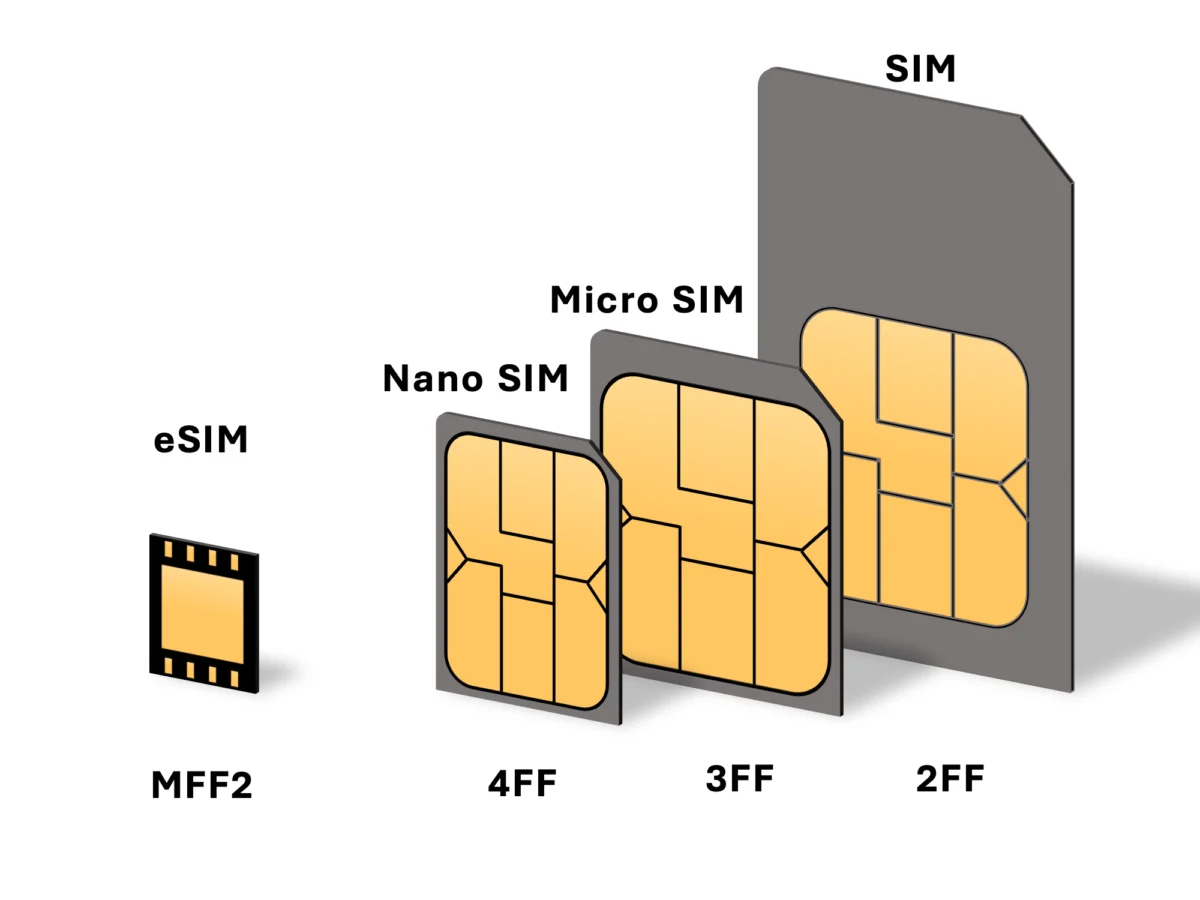

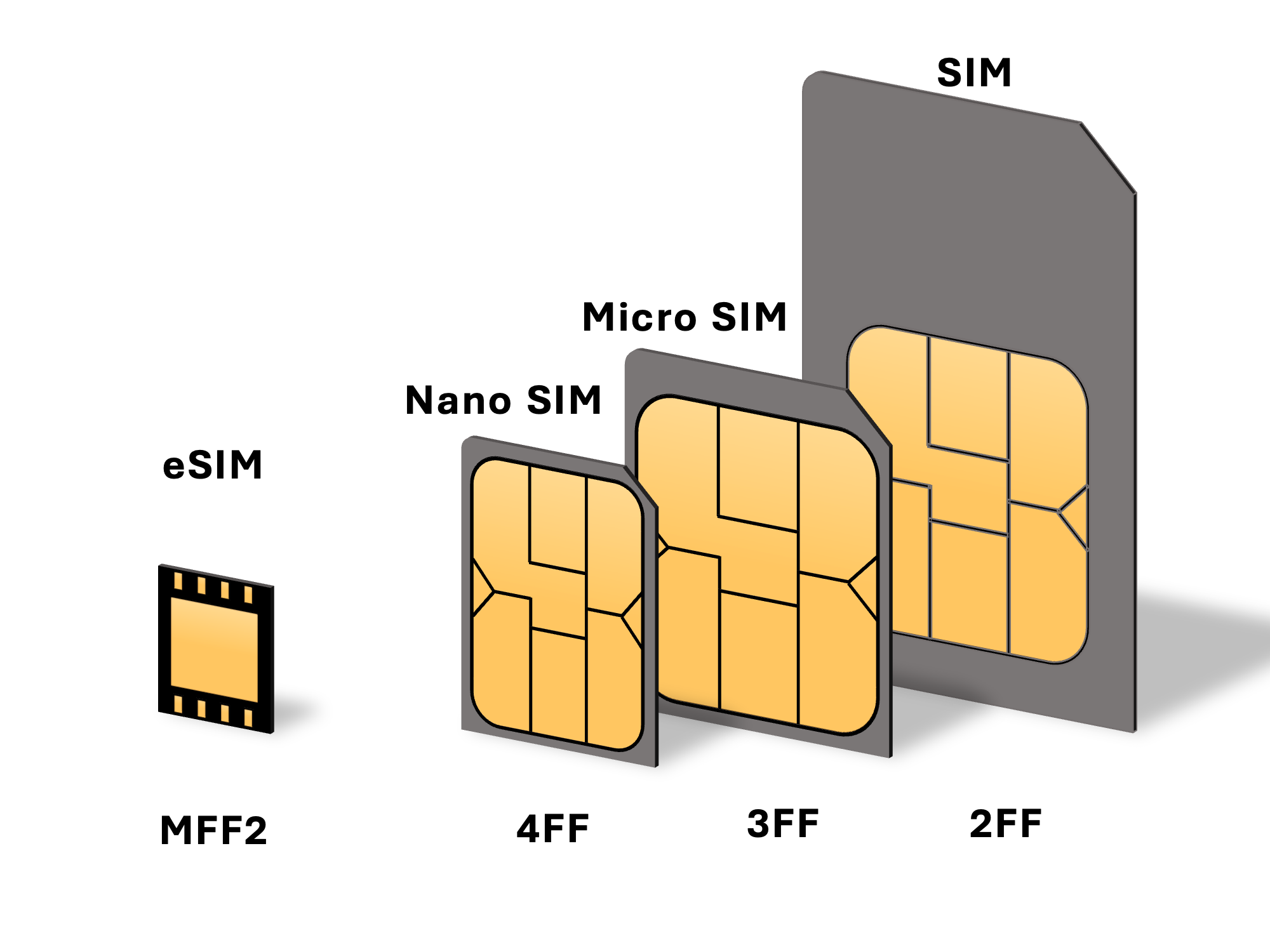
South Korea has long established itself as a global epicenter for technological innovation, boasting some of the world’s fastest internet speeds and a telecommunications infrastructure that serves as a blueprint for modern digital connectivity. Central to this evolving landscape is the rapid adoption of eSIM (embedded SIM) technology, a digital standard that is fundamentally altering how both international visitors and long-term residents access cellular networks. Unlike the traditional physical SIM card, which requires manual insertion and is prone to loss or damage, the eSIM is a small chip integrated directly into a device’s motherboard. This hardware evolution allows users to download and activate carrier profiles remotely, offering a level of flexibility and security previously unavailable in the mobile market. As the South Korean government and major telecommunications providers continue to phase out legacy systems in favor of digital-first solutions, understanding the nuances of the eSIM market has become essential for anyone navigating the country’s hyper-connected society.
The Evolution of Connectivity: A Chronology of eSIM Adoption in Korea
The transition to eSIM technology in South Korea did not occur overnight but is the result of a coordinated effort between the private sector and government regulators. While eSIM technology was initially introduced globally around 2016, its primary application in Korea was limited to wearable devices, such as smartwatches, for several years. It was not until the early 2020s that the demand for smartphone-based eSIMs began to surge, driven largely by the global trend toward dual-SIM capabilities in flagship devices like the iPhone and Samsung Galaxy series.
In late 2021, the South Korean Ministry of Science and ICT (MSIT) announced a comprehensive plan to revitalize the eSIM ecosystem to enhance consumer convenience and stimulate competition among mobile carriers. By September 2022, the "Big Three" telecommunications providers—SK Telecom, KT (formerly Korea Telecom), and LG U+—officially launched eSIM support for smartphones. This milestone marked a significant shift in the domestic market, allowing users to maintain two different phone numbers on a single device, a feature particularly beneficial for business professionals and expatriates who need to separate personal and professional communications or maintain an international number alongside a local one.
Comparative Analysis of Major eSIM Providers for Short-Term Visitors
For the millions of tourists who visit South Korea annually, immediate access to high-speed data is a priority for navigation, translation services, and social media. The market for tourist eSIMs is highly competitive, with providers offering various tiers based on data allowance, duration, and supplementary features.
1. Korea SIM Card
Korea SIM Card has emerged as a leading aggregator and provider specifically catering to the international market. Their entry-level plans start at approximately $25 for 1GB of data with a 30-day validity period. While the price point is attractive for budget-conscious travelers, the true value lies in their diverse product range, which includes voice-enabled plans and unlimited data options. Their customer support infrastructure is notably robust, offering assistance in multiple languages including English, Chinese, and Japanese, which mitigates the language barrier often encountered with domestic-only providers.
2. SK Telecom (SKT)
As the largest telecommunications operator in South Korea, SK Telecom controls nearly half of the domestic market share. Their tourist eSIM offering is priced at roughly $35 for 1GB of data over 30 days. While this sits at a higher price bracket compared to third-party aggregators, users benefit from SKT’s superior network density. SKT’s infrastructure is particularly strong in rural and mountainous areas, making it the preferred choice for tourists planning to hike in Seoraksan National Park or explore the remote islands of the Jeolla provinces.
3. KT Olleh
KT Olleh is frequently cited as the most tourist-friendly major carrier due to its extensive network of public Wi-Fi hotspots. Their standard 1GB/30-day eSIM plan is priced at $36.50. A significant advantage of choosing KT is the "KT WiFi" perk; eSIM subscribers gain access to thousands of secure hotspots in subway stations, cafes, and public buildings across the country. This allows users to preserve their cellular data for times when Wi-Fi is unavailable, effectively extending the utility of a 1GB plan.
4. LG U+
LG U+ rounds out the major providers with a 1GB/30-day plan priced at $39. While it is the most expensive of the baseline options, LG U+ often targets younger demographics and tech-savvy travelers with promotional bundles. Their network is built on a robust 5G foundation, and in urban centers like Seoul and Busan, LG U+ often rivals SKT in terms of peak download speeds.
Strategic Solutions for Long-Term Residents and Expatriates
For expatriates, digital nomads, and international students residing in Korea for six months or longer, the requirements for a mobile plan shift from mere data access to comprehensive service packages. Long-term residents typically require a "Foreigner Registration Card" (ARC) to access postpaid plans, though many eSIM providers have streamlined the verification process to accommodate newcomers.
SK Telecom offers resident-focused eSIM plans starting at approximately $29 per month. These plans are significantly more cost-effective than tourist variants, providing 2GB of data along with unlimited domestic calls and texts. Similarly, KT Olleh provides monthly resident plans starting at $30, which include their signature Wi-Fi hotspot access. LG U+ offers competitive resident packages starting at $35 per month, often including international roaming credits which are vital for residents who travel frequently within the Asia-Pacific region.
The emergence of MVNOs (Mobile Virtual Network Operators) has further diversified the long-term market. These smaller providers lease network capacity from the Big Three and offer them at a discount. For residents who do not require premium customer service or physical storefronts, MVNO eSIMs can reduce monthly telecommunications costs by up to 40%.
Technical Requirements and Activation Protocols
The adoption of eSIM technology requires a compatible device. Most hardware manufactured after 2018, including the iPhone XS and later, the Samsung Galaxy S20 series and later, and the Google Pixel 3 and later, are equipped with eSIM chips. However, it is a critical requirement that the device is "carrier-unlocked." Devices purchased under contract from providers in the United States, Europe, or other parts of Asia may be locked to a specific network, preventing the activation of a Korean eSIM.
The activation process in South Korea has been refined to a three-step digital workflow:
- Purchase and Registration: Users select a plan online and provide identification (passport for tourists, ARC for residents).
- QR Code Delivery: Upon approval, the provider sends a unique QR code via email.
- Digital Installation: The user scans the QR code through their device’s cellular settings. The phone then communicates with the carrier’s server to download the SIM profile, a process that typically takes less than two minutes.
Market Trends and Data-Driven Insights
Recent data from the Korea Tourism Organization indicates a sharp increase in digital service adoption among visitors. In 2023, nearly 60% of independent travelers opted for digital SIM solutions over traditional roaming or physical SIM cards. This shift is attributed to the convenience of "zero-touch" provisioning—travelers can purchase and install their Korean eSIM while still in their home country, allowing them to connect to the local 5G network the moment their flight lands at Incheon International Airport.
Furthermore, the environmental impact of this transition is noteworthy. The telecommunications industry generates significant plastic waste through the production of billions of physical SIM cards and their associated credit-card-sized plastic holders. By moving toward eSIM technology, South Korea is aligning its tech sector with broader ESG (Environmental, Social, and Governance) goals, reducing plastic consumption and the carbon footprint associated with the logistics of physical distribution.
Official Responses and Regulatory Outlook
The Ministry of Science and ICT has expressed continued support for the expansion of eSIM services, citing it as a key driver for "consumer sovereignty." By making it easier to switch between carriers without the need for a physical card, the government aims to lower the barriers to entry for new telecommunications players, thereby fostering a more competitive pricing environment.
Industry analysts suggest that the next phase of eSIM evolution in Korea will involve the "Internet of Things" (IoT). As smart city initiatives expand in Seoul and Songdo, eSIMs will likely become standard in vehicles, home appliances, and public infrastructure, allowing for a seamless web of connectivity that goes far beyond the smartphone.
Conclusion: Navigating the Future of Mobile Connectivity
The rise of eSIM technology in South Korea represents more than just a convenience for travelers; it is a fundamental shift in the architecture of mobile communication. For tourists, the ability to choose between the expansive coverage of SK Telecom, the Wi-Fi perks of KT Olleh, or the value-driven packages of Korea SIM Card ensures that they remain connected in one of the world’s most digitally integrated societies. For residents, the technology offers a flexible, dual-number solution that caters to the complexities of modern professional life.
As South Korea continues to push the boundaries of 5G and prepares for the eventual transition to 6G, the eSIM will remain a cornerstone of this digital journey. While factors such as network coverage, pricing, and language support remain the primary considerations for consumers, the underlying benefit of eSIM technology—its ability to provide instant, secure, and sustainable connectivity—makes it an indispensable tool for anyone entering the Land of the Morning Calm. Whether for a ten-day vacation or a ten-year residency, the digital SIM is now the standard gateway to the Korean experience.
