
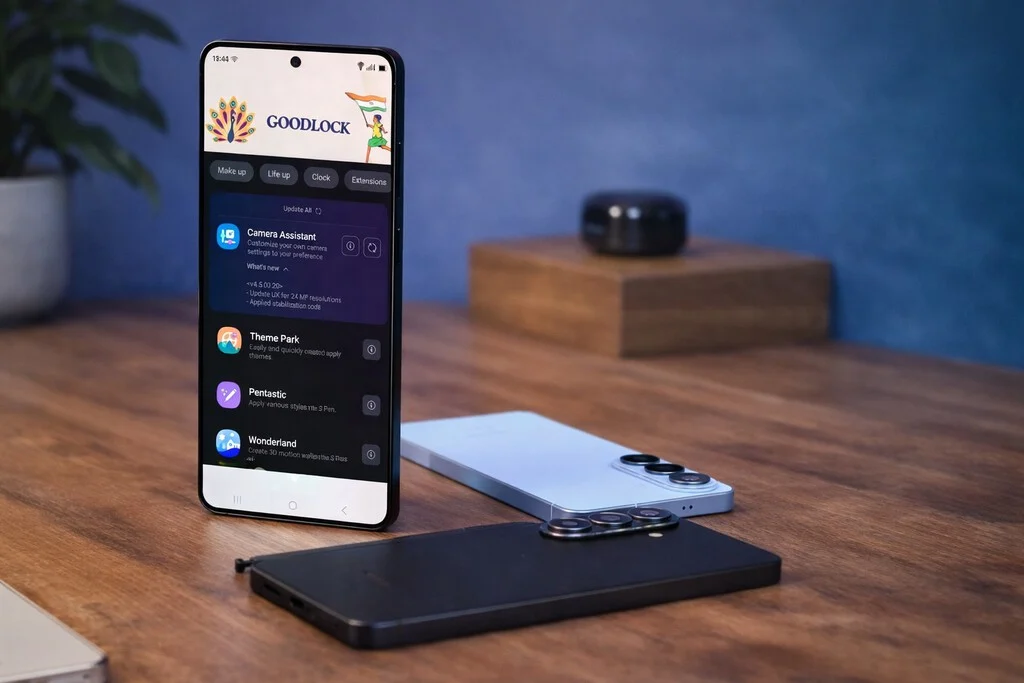

Samsung is meticulously refining a pivotal photographic enhancement for its forthcoming Galaxy S26 Ultra: the integration of a 24-megapixel shooting mode directly within the primary camera application. This strategic shift aims to transition a feature traditionally confined to specialized applications like Expert RAW into the mainstream user workflow, making high-resolution capture more intuitive and readily available for a broader audience. The latest iteration of Samsung’s Camera Assistant module, version 4.5.0.20, spearheads this initiative, signifying a deliberate move towards a more seamless and user-centric photography experience on its flagship devices.
The Evolution of Photographic Accessibility: Integrating Advanced Features
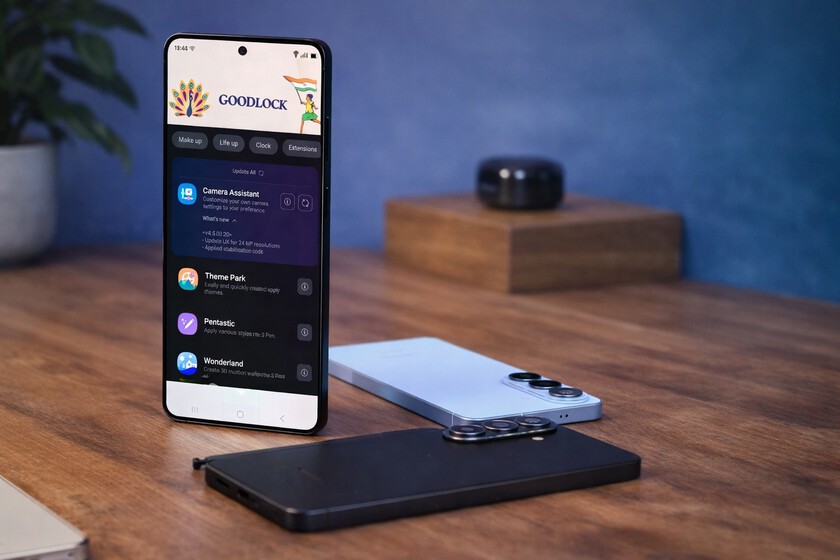
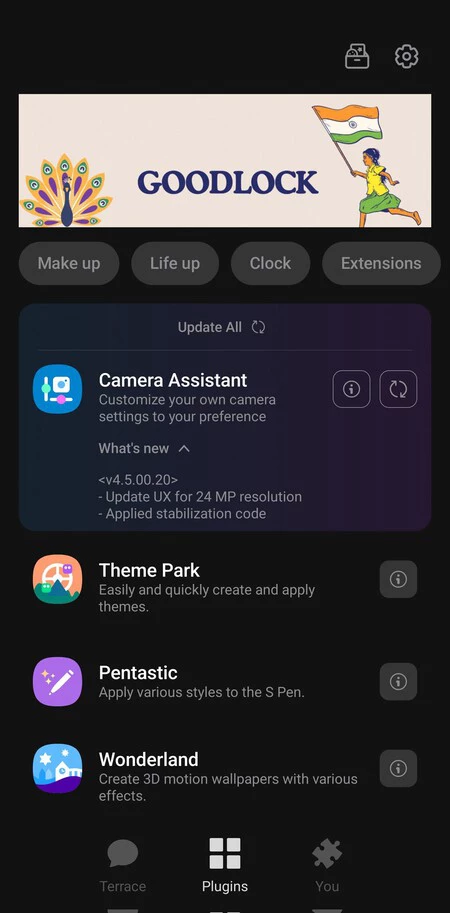
The update to Camera Assistant, a core component of Samsung’s customizable Good Lock suite, specifically addresses the discoverability and persistent application of the 24MP shooting option. Previously, users seeking to capture images at this resolution often had to navigate through more advanced settings or utilize the dedicated Expert RAW application, a process that, while offering granular control, introduced friction for everyday photography. With the 4.5.0.20 update, the 24MP mode is no longer an obscure setting; it gains prominence and, crucially, introduces the capability for users to set it as their default shooting resolution. This eliminates the repetitive task of manually selecting the option for each session, a change that, while seemingly minor, profoundly impacts user engagement with advanced camera functionalities.
The move from a 12MP standard to an easily accessible 24MP default represents a significant step in Samsung’s computational photography journey. Modern smartphone cameras, including those in the Galaxy S26 Ultra, typically employ large sensors that capture immense amounts of light and detail. However, for efficiency and file size management, these sensors often utilize a technique known as pixel binning, combining data from multiple adjacent pixels into one larger "superpixel" to produce a standard 12MP output. This enhances low-light performance and reduces noise, but it can come at the cost of absolute detail when ample light is available. The 24MP mode, likely leveraging a less aggressive form of pixel binning or advanced image processing, strikes a balance, offering a substantial increase in detail over 12MP without incurring the significantly larger file sizes associated with full-resolution 50MP or 200MP shots. For context, a typical 12MP smartphone image might range from 3-5MB, while a 24MP image could be 6-10MB, a manageable increase compared to 50MP (15-25MB) or 200MP (30-50MB+), depending on scene complexity and compression.
Understanding Samsung’s Camera Ecosystem: Good Lock and Camera Assistant
To fully appreciate the significance of this update, it is essential to understand Samsung’s software philosophy surrounding its camera capabilities. Good Lock is a proprietary Samsung application suite designed to offer extensive customization options for Galaxy device users. It functions as a modular platform, allowing users to download and install various "modules" that extend or modify specific aspects of the One UI experience. Camera Assistant is one such module, specifically tailored to provide advanced controls and preferences for the native camera app. It does not alter the fundamental hardware or core image processing pipeline but rather offers an additional layer of control over user-facing settings, effectively bridging the gap between basic point-and-shoot operation and the more demanding requirements of advanced photographers.
The decision to house these refinements within Camera Assistant, rather than embedding them directly into the core camera app’s initial release, underscores Samsung’s strategy of catering to diverse user segments. It allows power users to fine-tune their experience without overwhelming casual users with an overly complex interface. However, the latest update signals a shift: by making the 24MP default option more prominent and permanent, Samsung is essentially "mainstreaming" a previously niche feature, indicating a belief that this resolution offers a superior everyday balance for a wider demographic.
Timeline and Context: A Strategic Evolution
The journey towards this enhanced accessibility has been gradual. Samsung has consistently pushed the boundaries of mobile photography, from introducing high megapixel counts (like the 108MP sensor in the Galaxy S20 Ultra and the 200MP sensor in the S23 Ultra and S24 Ultra) to developing sophisticated computational photography algorithms. The Expert RAW application was launched as a dedicated platform for users seeking greater control over their images, offering multi-frame RAW capture, manual controls, and integration with professional editing tools. While Expert RAW provides unparalleled flexibility, its nature as a separate application often meant it was reserved for specific, deliberate shooting scenarios, not for spontaneous moments.
The introduction of a 24MP option, even if initially within Expert RAW or as a less accessible setting, was a recognition of the growing desire among users for higher detail without the cumbersome file sizes and processing demands of full-resolution shots. The current Camera Assistant update (version 4.5.0.20), rolling out in late 2024 or early 2025, specifically for devices like the upcoming Galaxy S26 Ultra, represents the culmination of this evolution. It moves the 24MP capability from an "expert" niche to a "prosumer" default, reflecting a maturation in Samsung’s understanding of user preferences.
The Practical Implications for Users and Content Creation
For the average user, the ability to set 24MP as the default shooting mode translates into a noticeable improvement in image quality for everyday photos. This resolution offers significantly more detail than 12MP, making photos more suitable for cropping, printing, or viewing on large displays without significant pixelation. It captures finer textures, clearer edges, and more nuanced visual information, enhancing the overall aesthetic appeal of images shared on social media or stored for personal archives.
For content creators and photography enthusiasts, this update is particularly valuable. It streamlines their workflow, allowing them to consistently capture higher-quality base images without the need to switch apps or delve into menus for every shot. This "set it and forget it" functionality for 24MP means less time fiddling with settings and more time focusing on composition and capturing the moment. This is especially pertinent for the Galaxy S26 Ultra, which is expected to feature advanced camera hardware, including potentially new telephoto lens systems, as hinted by previous leaks. Maximizing the output quality of such sophisticated hardware through optimized software access is paramount to delivering a premium user experience.
Broader Strategic Implications for Samsung’s Mobile Photography Vision
Samsung’s decision to emphasize and simplify access to the 24MP mode is indicative of several broader strategic objectives:
- User-Centric Design: By reducing friction in accessing advanced features, Samsung is demonstrating a commitment to user experience. The goal is to make powerful tools effortlessly integrated into daily use, rather than leaving them as hidden functionalities.
- Bridging the Gap Between Casual and Pro Photography: This update blurs the lines between standard and advanced shooting modes. It allows users to benefit from professional-grade output quality without needing to master complex settings, thereby democratizing higher-fidelity photography.
- Competitive Edge: In a fiercely competitive smartphone market, camera performance remains a key differentiator. By optimizing software accessibility alongside cutting-edge hardware, Samsung aims to maintain its leadership position against rivals like Apple and Google Pixel, both of whom also heavily invest in computational photography and user-friendly camera interfaces. Apple, for instance, introduced 24MP as a default for its iPhone 15 series, signaling an industry trend that Samsung is now mirroring and refining.
- Enhancing AI Integration: As the original article hints at the S26 Ultra’s increased AI capabilities (Galaxy AI), a higher-resolution base image provides more data for AI algorithms to work with. Features like enhanced photo editing, contextual suggestions, and advanced object recognition benefit significantly from richer source material, leading to more intelligent and effective AI-powered photo enhancements.
- Optimizing Storage vs. Quality: The 24MP mode represents an optimal balance. While 50MP or 200MP offer maximum detail, they consume significant storage space and can slow down processing. 24MP offers a substantial quality bump over 12MP without overwhelming device storage or processing power, making it a pragmatic choice for a default setting.
The Role of Computational Photography and Pixel Binning
To fully grasp the technical underpinnings of this 24MP mode, it’s crucial to delve into the concepts of pixel binning and computational photography. Most high-megapixel smartphone sensors (e.g., 50MP, 108MP, 200MP) are physically quite small. To capture enough light and reduce noise, especially in challenging conditions, they employ pixel binning. This technique combines data from a group of adjacent pixels (e.g., 2×2, 3×3, or 4×4) into a single, larger "virtual pixel." For example, a 200MP sensor might use 16-in-1 pixel binning to produce a 12.5MP image, where 16 physical pixels contribute data to one output pixel. This drastically improves light sensitivity and dynamic range.
The 24MP mode likely utilizes a less aggressive form of pixel binning, such as 4-in-1 from a 100MP sensor, or a specialized computational approach that intelligently upscales a binned image or merges data from multiple frames to create a more detailed 24MP output. It’s a sweet spot where the advantages of light gathering (from larger effective pixels) are combined with enhanced detail (from a higher effective resolution than 12MP). This is where computational photography truly shines, as the camera software doesn’t just capture light but intelligently processes and reconstructs the image to achieve the desired balance of detail, noise, and dynamic range.
Looking Ahead: The Future of Mobile Photography Experience
This update is more than just a software tweak; it’s a statement about Samsung’s philosophy for the future of mobile photography. It signals a move away from simply adding more megapixels to a more thoughtful integration of resolution options that cater directly to user needs and preferences. The emphasis is shifting from raw specifications to the actual usability of those specifications in daily life.
As smartphone cameras continue to evolve, the distinction between hardware capabilities and software optimization will become increasingly blurred. Features like enhanced Night Mode (as referenced in previous discussions about the S26 series) and advanced AI-driven photo editing will all benefit from a more robust and accessible base image capture. The ability to consistently capture higher-quality images by default, without conscious effort, empowers users to create better content and enhances the overall value proposition of high-end devices like the Galaxy S26 Ultra.
In essence, Samsung is not just improving the camera’s technical output but refining the experience of using it. By addressing the small frictions that often deter users from leveraging advanced features, the company ensures that its technological advancements translate into tangible, everyday benefits. This focus on "experience adjustment" rather than just "new features" is a mature approach to product development, recognizing that sometimes, the most impactful improvements are those that make powerful tools effortlessly integrated into the user’s habitual workflow. The Galaxy S26 Ultra, with its anticipated hardware prowess, will undoubtedly benefit from these subtle yet significant software refinements, ensuring that its camera system remains at the forefront of mobile innovation.
