
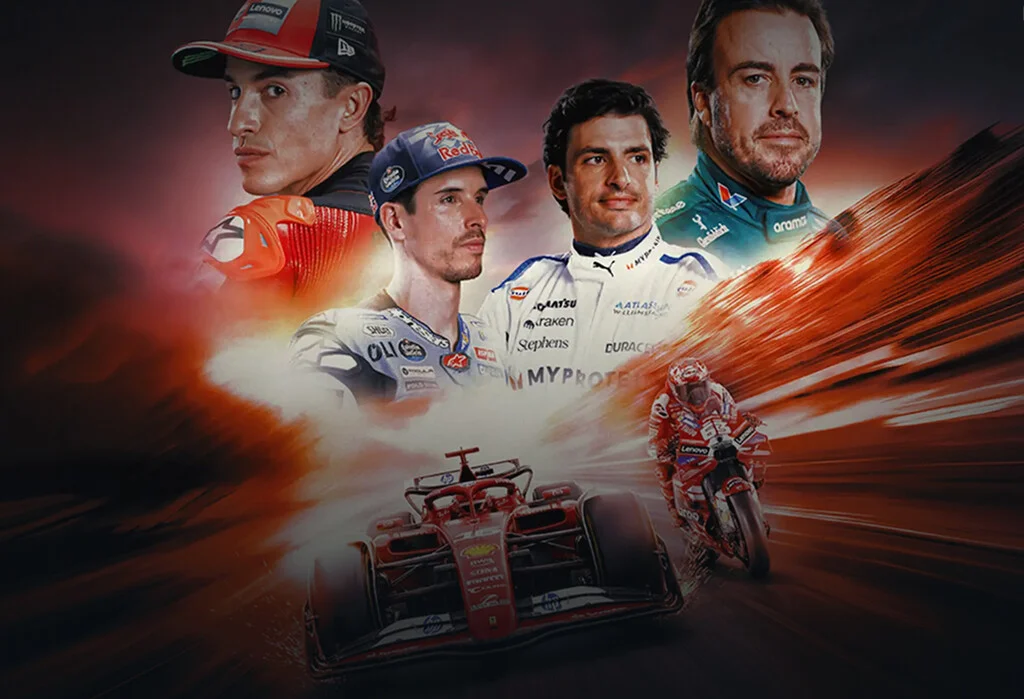

The intricate world of sports broadcasting rights in Spain continues to evolve, with streaming giant DAZN solidifying its position as the premier destination for Formula 1 and MotoGP enthusiasts. For the upcoming 2026 season and beyond, DAZN maintains exclusive broadcast rights for both pinnacle motorsport championships, a strategy that underscores its dominance in the premium sports content market. This means that fans eager to follow every turn and every thrilling overtake will primarily need a subscription to DAZN’s dedicated "Motor" plan or its comprehensive "Premium" package. However, in a significant development for broader public access, Mediapro, through its agreement with Mediaset España, has confirmed it will once again offer a selection of high-profile Grand Prix events from both Formula 1 and MotoGP on free-to-air terrestrial television (TDT), ensuring that a segment of the action remains accessible without a paywall. This dual-pronged approach reflects the ongoing tension and strategic balancing act between exclusive paid content and the public’s desire for free access to major sporting spectacles.
DAZN’s continued hold on Formula 1, secured until 2026, and its renewed five-season exclusive deal for MotoGP, positions the platform as the undisputed home for motor racing in Spain. This strategy, initiated in previous years, has seen a gradual shift of top-tier sports from traditional free-to-air channels to subscription-based services. For consumers, this necessitates a direct subscription to DAZN, which offers various plans tailored to different viewing preferences. The "Motor" plan is specifically designed for motorsport aficionados, while the "Premium" plan encompasses a wider array of sports content, including football and other major competitions. Beyond direct DAZN subscriptions, consumers also have the option to access these championships through bundled packages offered by major telecommunications providers such as Movistar and Orange. These telcos integrate DAZN’s dedicated channels, DAZN F1 and DAZN MotoGP, into their fibre, mobile, and television bundles, often requiring customers to select a specific "Motor" package to gain access. This symbiotic relationship allows DAZN to extend its reach through established telecom infrastructures, while Movistar and Orange leverage premium sports content to enhance their value proposition and attract or retain subscribers in a highly competitive market.
The move towards exclusive, paid content for major sports has been a global trend, driven by the substantial costs of acquiring broadcast rights and the increasing profitability of subscription models. However, the Spanish market, much like others in Europe, maintains a tradition and often a regulatory expectation for a certain level of free access to events deemed to be of significant public interest. This is where Mediapro and Mediaset España step in, acting as a crucial bridge between exclusive content and widespread public viewership. Mediapro, a leading audiovisual group, has consistently negotiated sub-licensing agreements that allow for the free-to-air broadcast of select events, thereby ensuring that a portion of the F1 and MotoGP calendars remains available to the millions of households with access to terrestrial digital television (TDT). This arrangement is not merely a gesture of goodwill but a strategic play, potentially increasing the overall visibility of the championships, fostering new fans who might eventually convert to paid subscribers, and fulfilling a public service role.
The Expanding Free-to-Air Roster for 2024 and Beyond
This season brings particularly good news for Spanish motorsport enthusiasts who rely on free-to-air broadcasts. Mediaset España has announced an expanded offering, confirming it will broadcast five key Grand Prix events. This represents a significant increase in accessibility compared to previous years and includes a highly anticipated addition to the Formula 1 calendar.
Formula 1: A Dual Spanish Presence
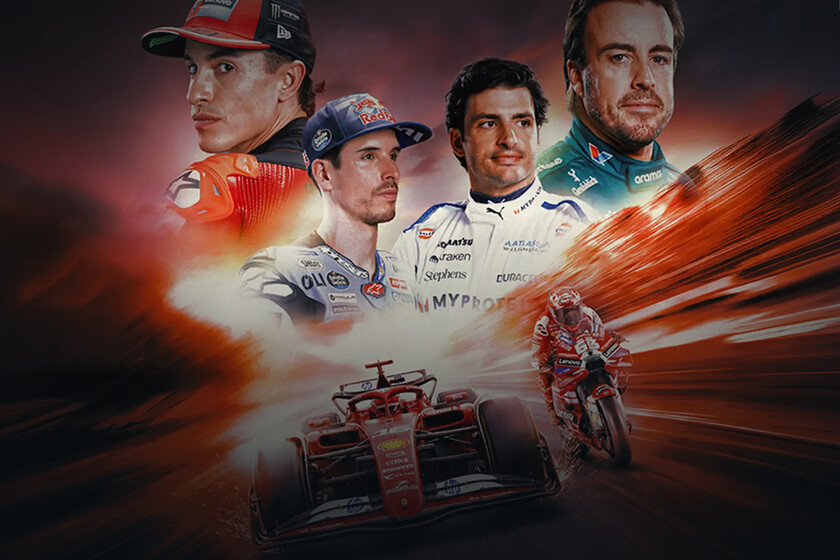
For Formula 1, Mediaset will continue its long-standing tradition of broadcasting the Catalunya Grand Prix, a staple on the F1 calendar and a revered event for Spanish motorsport. The Circuit de Barcelona-Catalunya has been a fixture since 1991, offering a blend of high-speed sections and technical corners that provide a thorough test for both drivers and machinery. It has historically been a strong indicator of a car’s performance throughout the season due to its diverse demands. The presence of Spanish racing heroes like Fernando Alonso and Carlos Sainz Jr. consistently draws massive crowds and viewership, making the Catalunya GP a pivotal event for free-to-air inclusion.
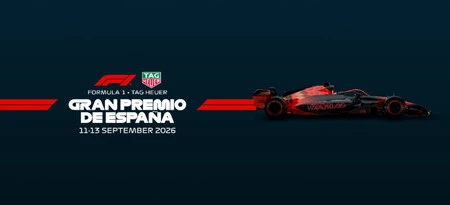
In a groundbreaking development, the much-anticipated Madrid Grand Prix is also slated for free-to-air coverage by Mediaset when it makes its debut on the F1 calendar. While the Madrid GP is scheduled to join the Formula 1 World Championship from 2026, the announcement of its future free-to-air broadcast commitment this year adds to the excitement surrounding Spain’s expanded role in Formula 1. The new circuit, planned to be a semi-permanent street track around the IFEMA exhibition centre, promises a modern, innovative racing experience designed to captivate a new generation of fans and showcase the vibrant Spanish capital. Its inclusion in Mediaset’s future free-to-air plans signals a long-term commitment to making F1 accessible as the sport continues to grow its global footprint.
MotoGP: The Iberian Triple Crown on Free-to-Air
MotoGP fans are equally well-served, with Mediaset securing the rights to broadcast all three Spanish rounds of the championship. This marks a notable shift, as last year these races were aired by Atresmedia. Mediaset’s acquisition of these key events ensures that the passionate Spanish MotoGP fanbase will not miss the action from their home circuits:
- Jerez Grand Prix: Often referred to as "La Catedral del Motociclismo" (The Cathedral of Motorcycling), the Circuito de Jerez-Ángel Nieto is an iconic venue. Its passionate atmosphere, with grandstands packed with enthusiastic fans, makes it one of the most beloved races on the MotoGP calendar. The circuit’s technical layout and the usually warm Andalusian weather often lead to dramatic races and unexpected results.
- Valencia Grand Prix: The Circuit Ricardo Tormo in Valencia traditionally hosts the season finale, often becoming the stage for thrilling championship deciders. Its compact "stadium" layout provides excellent visibility for spectators and creates an electrifying atmosphere as riders battle for final positions or even the world title.
- Aragon Grand Prix: The MotorLand Aragón circuit, a more modern addition to the calendar, offers a challenging mix of fast straights and sweeping corners. Located in the picturesque region of Aragón, it has quickly established itself as a rider favorite, known for its flowing layout and demanding elevation changes.
These three races are not just sporting events; they are cultural phenomena in Spain, attracting hundreds of thousands of spectators and generating significant economic activity in their respective regions. Their availability on free-to-air television ensures that the national passion for motorcycling, further fueled by successful Spanish riders like Marc Márquez, Maverick Viñales, and Joan Mir, can be widely shared.
DAZN’s Free Tier: An Additional Layer of Accessibility
In addition to the traditional TDT broadcasts, there is a strong likelihood that these five specific Grand Prix events will also be available on DAZN’s recently launched free tier. DAZN introduced a free registration option that provides access to a limited selection of content without a paid subscription. This strategic move by DAZN aims to broaden its user base, allowing potential subscribers to sample the platform’s offerings and experience the quality of its broadcasts. While not officially confirmed for these specific races, the precedent set by previous free-to-air events being mirrored on DAZN’s free platform suggests this will be the case, offering an additional digital pathway for fans to watch the races without cost, merely requiring registration. This innovative approach by DAZN reflects a growing trend in streaming services to use a ‘freemium’ model to attract and engage a wider audience before potentially converting them to paying subscribers.
Historical Context: A Shifting Landscape of Sports Broadcasting
The current broadcasting landscape for Formula 1 and MotoGP in Spain is the culmination of a decades-long evolution. In earlier eras, major sports events were almost exclusively broadcast on public television or prominent commercial free-to-air channels. Channels like TVE, Antena 3, and Telecinco have, at various points, held the full rights to F1 and MotoGP, making these sports universally accessible. This fostered a deep-seated national passion for motor racing, particularly during the golden ages of Spanish drivers and riders.
However, as the value of premium sports rights skyrocketed globally, the economic model shifted. Telecommunications companies and dedicated sports broadcasters began to acquire exclusive rights, moving much of the content behind paywalls. Movistar+, for instance, played a significant role in this transition, establishing dedicated F1 and MotoGP channels that offered unparalleled coverage but required a paid subscription. The arrival of DAZN, an over-the-top (OTT) streaming service, further disrupted this model, bringing a new player with a global strategy to dominate digital sports broadcasting. DAZN’s aggressive acquisition of rights, including the crown jewels of motor racing, marked a pivotal moment, signaling a future where streaming platforms would compete directly with traditional broadcasters and telcos.
The enduring popularity of Spanish drivers and riders has always been a key factor in these broadcasting decisions. The success of Fernando Alonso, a two-time F1 world champion, and the multiple MotoGP titles secured by riders like Marc Márquez, Jorge Lorenzo, and Dani Pedrosa, have consistently driven immense viewership figures and maintained a high level of national interest. This strong fan base ensures that rights holders view Spain as a crucial market, while free-to-air broadcasters recognize the public demand for at least partial access.
Implications and Future Outlook
This hybrid broadcasting model—exclusive paid content complemented by strategic free-to-air events—carries several implications for the Spanish media landscape and sports consumption:
- Accessibility vs. Comprehensive Coverage: The model strikes a balance, offering a taste of the action for casual viewers via free-to-air channels, while requiring dedicated fans to subscribe for full, uninterrupted, and often enhanced coverage (including practice sessions, qualifying, analysis, and behind-the-scenes content). This creates a tiered viewing experience.
- Competition and Market Dynamics: The competition between DAZN, Movistar, Orange, and Mediaset for audience share remains fierce. DAZN aims to grow its direct subscriber base, while telcos use sports as a differentiator in their bundled offerings. Mediaset, by providing free content, maintains its relevance in the sporting conversation and attracts large audiences for specific events, which can be valuable for advertisers.
- Economic Impact of Grand Prix Events: The decision to broadcast Spanish GPs free-to-air further amplifies their national and international profile. Hosting these events brings substantial economic benefits to the regions, including tourism, job creation, and international media exposure. Ensuring widespread domestic viewing helps to solidify public support and engagement for these costly but prestigious events.
- Evolution of Fan Engagement: The availability of content on both traditional TDT and DAZN’s free digital platform reflects changing consumption habits. Younger audiences, in particular, are increasingly turning to digital platforms, and DAZN’s free tier provides a low-barrier entry point to engage with premium sports.
- Sustainability of the Model: The long-term sustainability of this hybrid model will depend on several factors, including the continued willingness of rights holders to sub-license events, the economic viability for free-to-air broadcasters, and the evolving preferences of consumers. As digital platforms continue to mature, the pressure to maintain free-to-air components may face increasing challenges, making current agreements all the more significant.
In conclusion, the Spanish motor racing broadcasting landscape in 2024 exemplifies a dynamic tension between exclusivity and accessibility. DAZN’s firm grip on the full rights to Formula 1 and MotoGP underscores the continued shift towards paid streaming services for premium sports content. Simultaneously, Mediapro’s enduring commitment, executed through Mediaset España, to broadcast a curated selection of key Grand Prix events on free-to-air television ensures that the vibrant national passion for these sports remains widely accessible. With the addition of the future Madrid Grand Prix to the free-to-air roster alongside the traditional Catalunya F1 race and all three Spanish MotoGP rounds, fans are presented with a hybrid viewing model that caters to both dedicated subscribers and the broader public, navigating the complexities of modern sports media rights with a strategic blend of business acumen and public engagement.
