
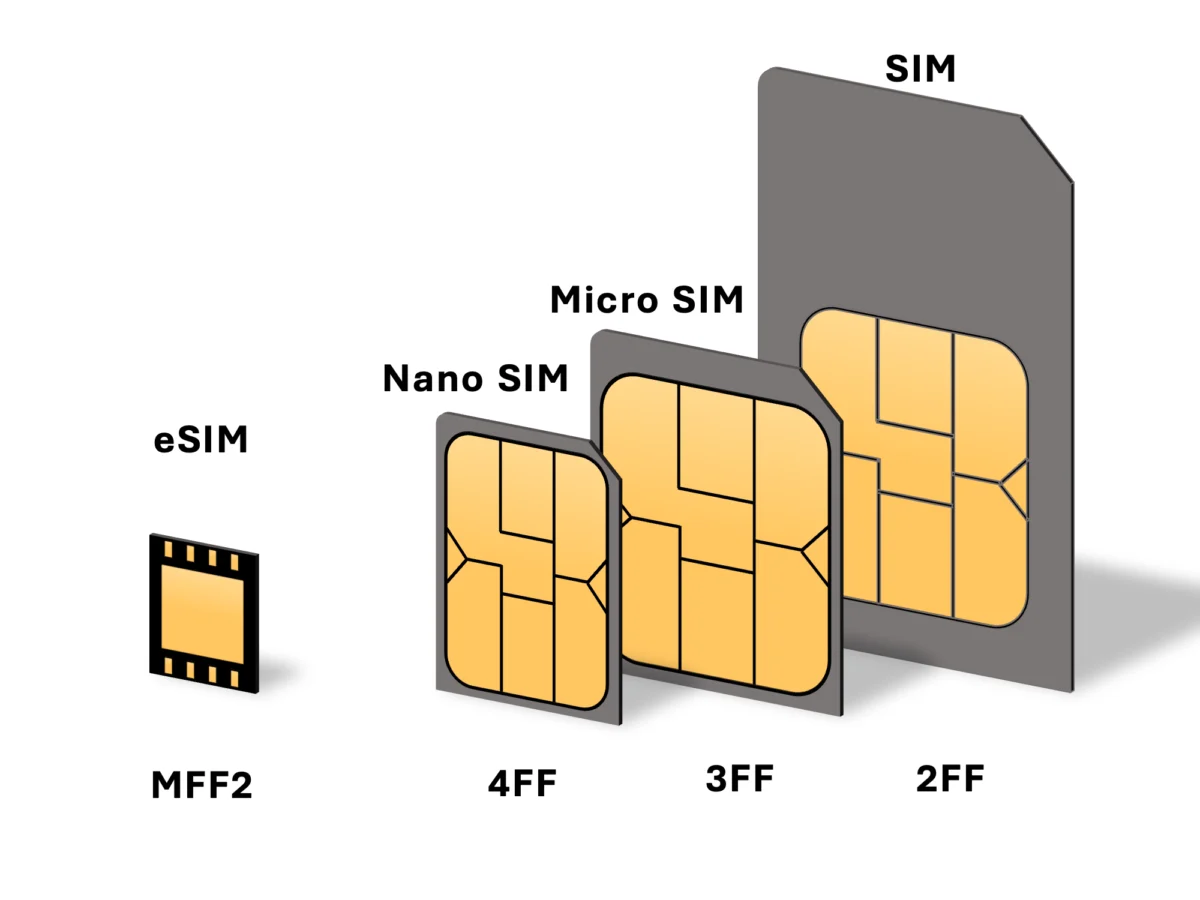

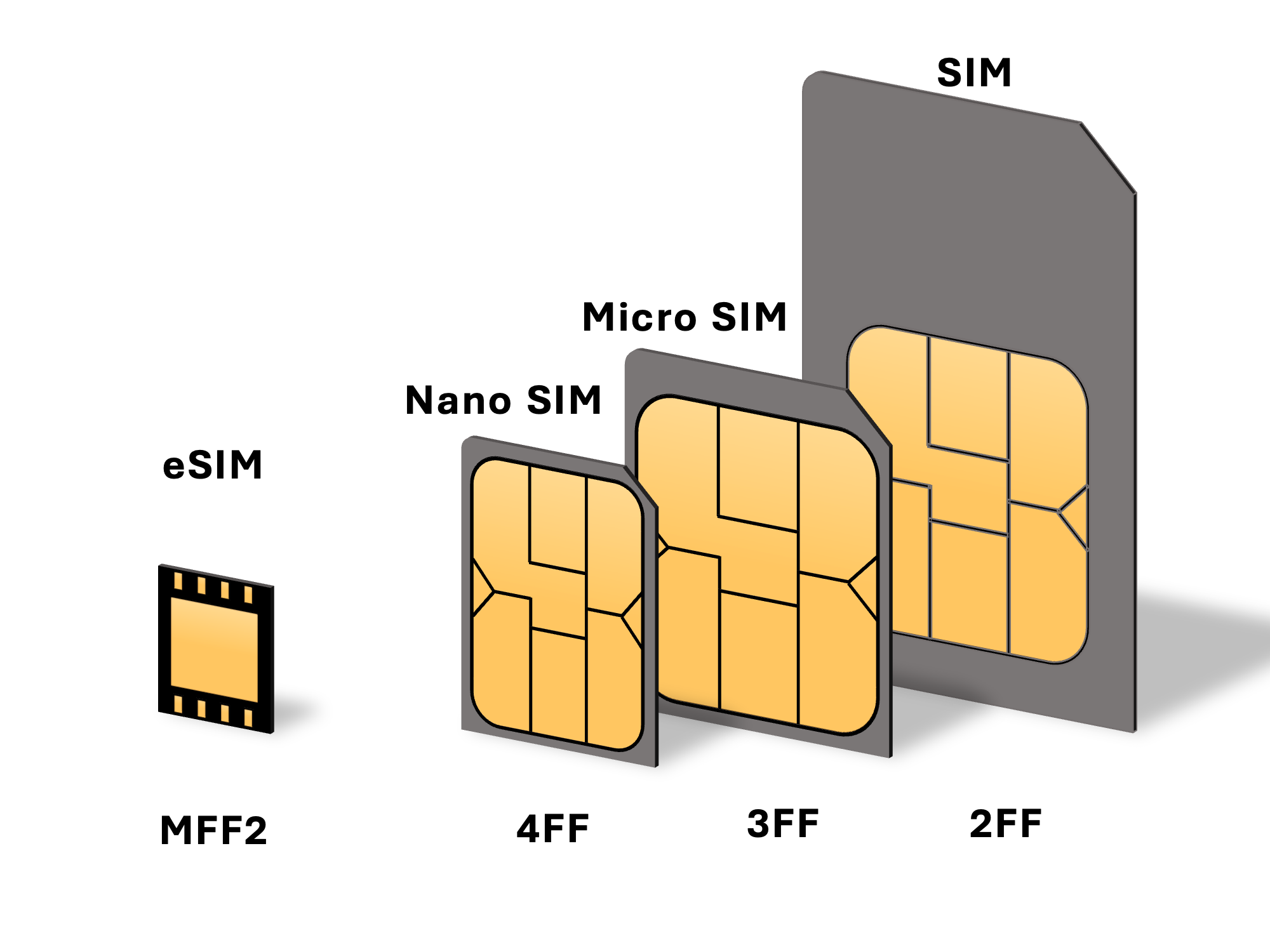
South Korea has long established itself as a global epicenter for telecommunications innovation, maintaining some of the fastest internet speeds and most comprehensive network coverage on the planet. As the digital landscape evolves, the transition from physical SIM cards to embedded SIM (eSIM) technology has become a focal point for both the domestic market and the millions of international visitors who arrive annually. An eSIM is a programmable, digital version of the traditional hardware-based Subscriber Identity Module, integrated directly into a device’s motherboard during manufacturing. This shift represents more than just a convenience; it is a fundamental change in how users access cellular networks, offering a seamless, paperless, and highly secure method of maintaining connectivity without the logistical hurdles of physical card swapping.
The Technological Infrastructure of eSIM in South Korea
The adoption of eSIM technology in South Korea was catalyzed by both consumer demand and regulatory encouragement. Unlike traditional SIM cards, which require a physical slot and manual handling, the eSIM is a small chip that can store multiple carrier profiles simultaneously. This allows users to switch between different service providers or maintain multiple lines—such as a domestic line and an international roaming line—on a single device.
The security benefits of eSIM technology are particularly noteworthy in the Korean context. Because the SIM is embedded, it cannot be removed if a device is stolen, making it significantly harder for unauthorized users to bypass security measures or disable tracking services. Furthermore, the digital nature of the provisioning process reduces the carbon footprint associated with the production and distribution of plastic SIM cards and their packaging, aligning with broader environmental, social, and corporate governance (ESG) goals within the Korean tech sector.
Chronology of eSIM Implementation in the Korean Market
The trajectory of eSIM adoption in South Korea has followed a strategic timeline:
- Early Adoption (2018–2020): eSIM technology was initially limited to wearable devices, such as the Apple Watch and Galaxy Watch, as major carriers (SK Telecom, KT, and LG U+) focused on maintaining the traditional physical SIM model for smartphones.
- The 2022 Regulatory Shift: Recognizing the global trend toward digital-first connectivity, the South Korean Ministry of Science and ICT mandated that major telecommunications companies support eSIM for smartphones starting in September 2022. This coincided with the release of the Samsung Galaxy Z Fold 4 and Flip 4, the first Samsung devices in Korea to officially support the technology.
- Expansion of Tourist Services (2023–Present): Following the post-pandemic recovery of the tourism industry, providers began offering specialized eSIM packages tailored for short-term visitors, eliminating the need for tourists to visit physical kiosks at Incheon International Airport.
Comprehensive Analysis of Leading eSIM Providers
Selecting the appropriate provider requires an understanding of the competitive landscape dominated by the "Big Three" mobile network operators (MNOs) and specialized third-party vendors.
1. SK Telecom (SKT)
As the largest telecommunications operator in South Korea, SK Telecom commands nearly half of the domestic market share. For tourists, SKT offers a robust eSIM plan priced at approximately $35 for 1GB of high-speed data with a 30-day validity period. While the price point is slightly higher than some competitors, the value proposition lies in the network’s reliability. SKT’s infrastructure is particularly superior in mountainous regions and remote islands, such as Jeju-do. For long-term residents, SKT provides specialized monthly plans starting at $29, which include 2GB of data and unlimited domestic calls and texts, making it a preferred choice for professionals.
2. KT Olleh (KT)
KT Olleh is often cited as the most tourist-friendly provider due to its extensive network of public Wi-Fi hotspots. Their tourist eSIM plans start at $36.50 for 1GB over 30 days. A significant advantage of KT is the "KT WiFi" service, which allows eSIM users to connect to high-speed hotspots in subways, cafes, and public buildings across the country. For residents, KT’s plans are competitive, starting at $30 per month, often bundled with value-added services like international roaming discounts.
3. LG U+
LG U+ has positioned itself as an aggressive competitor through flexible pricing and digital-first marketing. Their tourist eSIM is priced at roughly $39 for 1GB for 30 days. While the base price is higher, LG U+ frequently partners with travel platforms to offer discounted "Unlimited Data" packages that appeal to heavy data users. For long-term residents, LG U+ offers plans starting at $35 per month, often featuring more generous data caps or integration with home internet and IPTV services.
4. Korea SIM Card (Specialized Vendor)
For travelers seeking the most cost-effective entry point, Korea SIM Card offers a 1GB/30-day plan for $25. As a specialized provider, they focus on streamlined customer service and multi-language support, which is often more accessible than the corporate support structures of the major MNOs. They offer a variety of configurations, including data-only plans and voice-enabled options, catering to the specific needs of backpackers and short-term business travelers.
Comparative Data Summary
| Provider | Target Audience | Base Price (Tourist) | Data/Validity | Resident Starting Rate |
|---|---|---|---|---|
| SK Telecom | Business/Premium | $35.00 | 1GB / 30 Days | $29.00/month |
| KT Olleh | Connectivity Seekers | $36.50 | 1GB / 30 Days | $30.00/month |
| LG U+ | Tech-Savvy Users | $39.00 | 1GB / 30 Days | $35.00/month |
| Korea SIM | Budget Travelers | $25.00 | 1GB / 30 Days | N/A |
Strategic Considerations for Consumers
When evaluating these options, consumers must look beyond the initial price tag and consider several critical factors:
- Network Coverage and Frequency: While all major Korean carriers offer excellent coverage, 5G availability varies. SKT currently leads in 5G penetration, which is vital for users requiring low-latency connections for remote work or high-definition streaming.
- Identity Verification Requirements: For long-term residents, the activation of an eSIM requires an Alien Registration Card (ARC). Tourists, conversely, can typically register using a passport. It is essential to ensure that the provider’s registration portal is compatible with international documentation.
- Language Support: While the major carriers have English-language websites, their technical support can sometimes be limited to Korean. Third-party providers like Korea SIM Card often provide superior English, Chinese, and Japanese support.
- Device Compatibility: Before purchase, users must verify that their device is "carrier unlocked" and supports eSIM technology. Generally, this includes iPhone XS and newer models, and Samsung Galaxy S20 and newer (though regional variations exist for Samsung devices).
Activation and Operational Procedures
The transition to eSIM has significantly simplified the onboarding process. Activation typically involves a three-step process:
- Purchase and QR Delivery: Upon purchasing a plan online, the user receives a unique QR code via email.
- Digital Installation: Within the device settings (Settings > Cellular/Mobile Data > Add eSIM), the user scans the QR code. The device then downloads the carrier profile from the cloud.
- Network Attachment: Once the profile is installed, the user selects the eSIM as the primary data line. In South Korea, this usually results in immediate network attachment upon arrival at the airport.
Topping up an eSIM is similarly digitized. Most providers offer a dedicated mobile app or a web portal where users can purchase additional data blocks or extend the validity of their plan using international credit cards or local payment methods like KakaoPay.
Broader Implications and Industry Impact
The surge in eSIM usage in South Korea reflects a broader global shift toward the "Internet of Everything." Industry analysts suggest that the proliferation of eSIMs will eventually lead to the total disappearance of the physical SIM slot in flagship smartphones, a move already initiated by Apple in the North American market.
From a macroeconomic perspective, the ease of digital connectivity bolsters Korea’s "Smart Tourism" initiatives. By reducing the friction of obtaining local phone numbers and data, the government encourages tourists to utilize local apps for navigation (Naver Maps), transportation (KakaoTaxi), and food delivery (Baemin), thereby integrating visitors more deeply into the local digital economy.
Furthermore, for the "digital nomad" community, the ability to maintain a Korean eSIM alongside a home-country SIM ensures they never miss critical authentication codes (OTPs) for banking while enjoying local data rates. This dual-standby capability is a significant driver for the long-term residency segment.
Conclusion
The selection of an eSIM provider in South Korea is a decision that should be informed by the duration of stay, data consumption habits, and the specific need for domestic voice services. For those prioritizing budget and ease of use, Korea SIM Card remains a top contender. For those requiring the most robust network reliability and long-term stability, SK Telecom and KT Olleh provide the most comprehensive infrastructure. As South Korea continues to refine its digital borders, the eSIM stands as an essential tool for navigating one of the most connected societies on Earth. Whether for a short-term holiday or a multi-year residency, the digital SIM offers a level of flexibility and security that traditional hardware simply cannot match.
