
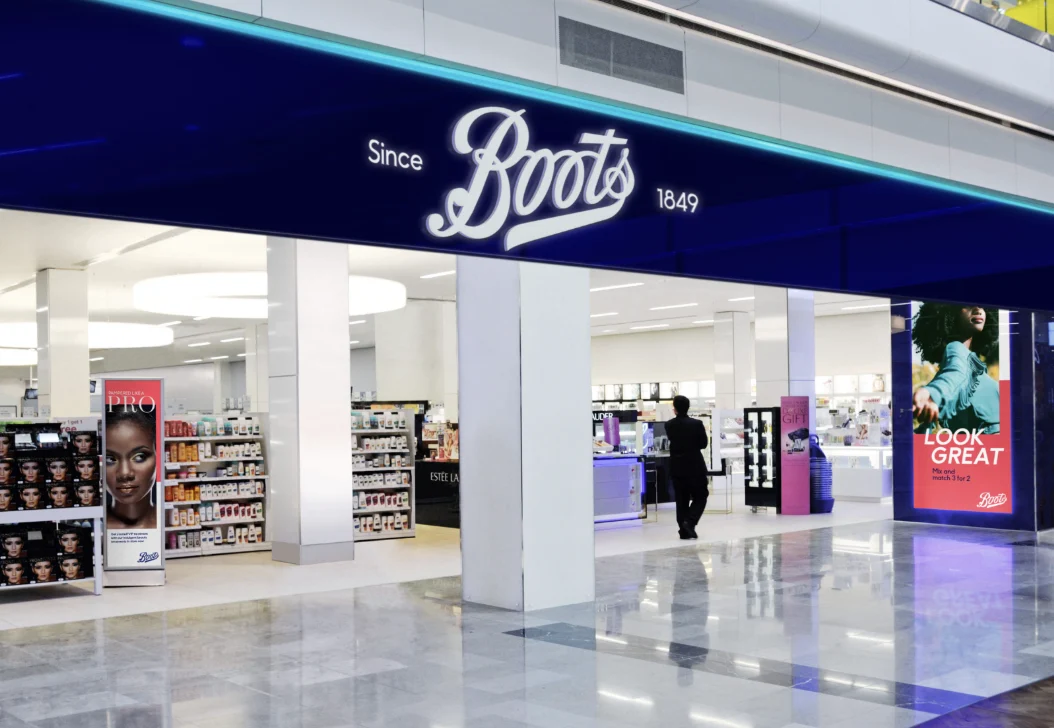

The United Kingdom’s leading health and beauty retailer, Boots, is currently undergoing a comprehensive digital overhaul designed to modernize its 25-year-old technological infrastructure and align its service delivery with the heightened expectations of the modern consumer. Fiona Brown, the Director of Digital Transformation at Boots, has outlined a strategic roadmap that seeks to transition the 175-year-old institution from a traditional high-street chemist into a high-performance, omni-channel retail powerhouse. This transformation is not merely a technical upgrade but a fundamental shift in how the company utilizes data, manages its physical and digital presence, and fosters an internal culture of innovation. As the retail landscape continues to be redefined by rapid delivery and seamless user experiences, Boots is prioritizing a re-platforming project that aims to eliminate systemic "clunkiness" and provide a unified experience across its vast network of physical stores and its digital storefront.
The Evolution of a Heritage Brand in the Digital Age
Founded in 1849 by John Boot in Nottingham, Boots has grown from a single herbal medicine shop into a cornerstone of British retail. Today, the company operates as a subsidiary of Walgreens Boots Alliance (WBA) and maintains a footprint of over 2,200 stores across the UK, ranging from local community pharmacies to large-scale destination health and beauty flagship stores. However, the longevity of the brand has resulted in a complex legacy of technical systems. Brown notes that while Boots began its digital journey a quarter-century ago, the "behind the scenes" infrastructure has become increasingly fragmented.
The current digital transformation program is focused on re-platforming the entire digital infrastructure. This involves moving away from legacy systems that were built for an earlier era of the internet and adopting modern, scalable cloud-based solutions. The objective is to ensure that the backend processes—from inventory management to customer data processing—can support the front-end experience that modern shoppers demand. In the current market, Boots is no longer just competing with other pharmacies like Superdrug or Lloydspharmacy; it is being measured against the user experience standards set by global tech giants and high-efficiency retailers across all sectors.
The "Pizza" Paradigm: Bridging Professionalism and Convenience
One of the most significant challenges in the digital evolution of Boots is the reconciliation of professional healthcare standards with retail convenience. Brown highlighted a internal cultural tension regarding how customers perceive service efficiency. In the modern e-commerce environment, consumers have become accustomed to real-time tracking for everything from food deliveries to ride-sharing services. This "Uberization" of expectations has bled into the pharmaceutical sector, where patients now expect to track the progress of their prescriptions with the same transparency they would a pizza delivery.
This comparison, while accurate from a consumer behavior perspective, has met with some resistance from the company’s highly trained pharmaceutical staff. Pharmacists, who operate under strict regulatory frameworks and professional codes of conduct, view the preparation of medication as a high-stakes clinical task that cannot be equated to the assembly of fast food. Brown acknowledged this friction, noting that while the professional integrity of the pharmacists is paramount, the digital strategy must acknowledge that the customer’s "bar" for a good experience is set by their best interactions with any brand, whether that is a telecommunications provider like BT or a home improvement retailer like B&Q. The goal of the transformation is to make the process of obtaining a prescription as straightforward and transparent as any other modern digital transaction, without compromising clinical safety.
Addressing the "Store Blind" Phenomenon Through Data Integration
A primary focus of Brown’s strategy is the integration of digital insights into the physical retail environment. In traditional brick-and-mortar retail, companies often suffer from being "store blind"—a state where they lack granular data on customer behavior within the physical aisles. While a store manager knows how many people made a purchase, they often lack data on those who entered, browsed, and left without buying anything.
Digital platforms offer a stark contrast, providing detailed analytics on "abandoned baskets," search queries that yielded no results, and the exact point at which a user exited the site. Boots is now leveraging these digital insights to inform its physical store strategies. By analyzing online behavior, the company can identify friction points that may also exist in person. For example, if data shows that customers are struggling to find a specific product online, it may indicate that the product is incorrectly categorized or poorly placed in physical stores as well. This cross-channel data application allows Boots to optimize store layouts and product placements based on proven consumer search patterns, effectively using the website as a testing ground for high-street improvements.
Strategic Re-platforming: Avoiding the "Boil the Ocean" Trap
The technical aspect of the transformation is fraught with the risk of over-extension. Brown warned against the "boil the ocean" approach, where a company attempts to rebuild every existing feature while simultaneously adding a long list of new requests from various stakeholders. This approach often leads to bloated, expensive, and slow systems that fail to deliver value to the end user.
To combat this, Boots is utilizing a data-driven prioritization model. By analyzing which features are actually used by customers and which are merely "legacy baggage" supported by internal stakeholders, the transformation team can make informed decisions on what to keep, what to discard, and what to innovate. This lean approach ensures that capital is allocated toward developments that drive customer satisfaction and conversion rather than maintaining underutilized functions. The focus remains on building a "heavy" infrastructure that is "light" and fast for the consumer, ensuring that the re-platforming results in a more responsive and agile digital presence.
Chronology of Boots’ Digital Milestones
To understand the scale of the current transformation, it is essential to view it within the context of the company’s historical milestones:
- 1849: Foundation of Boots as a medicinal herbalist.
- 1997: Initial launch of Boots.com, marking the beginning of its digital presence.
- 2014: Completion of the merger between Alliance Boots and Walgreens to form Walgreens Boots Alliance, bringing global scale to the digital strategy.
- 2019: Expansion of the Boots Advantage Card into a digital format within the Boots app, which currently boasts millions of active users.
- 2021-2023: Accelerated investment in "Hybrid Retail" models, including the expansion of "Click and Collect" and partnerships with third-party delivery platforms like Deliveroo.
- 2024: Launch of the comprehensive re-platforming project led by Fiona Brown to modernize legacy systems and integrate AI-driven insights.
The "Carrot" Approach: Fostering Internal Buy-in
Digital transformation is as much a cultural challenge as it is a technical one. At an organization the size of Boots, with tens of thousands of employees, implementing new processes requires significant internal alignment. Brown advocates for a "carrot" rather than a "stick" approach to change management. This involves creating "champions" within various teams and securing high-level sponsorship to drive the agenda forward.
The company has introduced several initiatives to encourage the adoption of new digital tools and data-centric thinking:
- Recognition Schemes: Awards for the "best insight" derived from data, encouraging staff to look beyond basic metrics.
- Gamification: Competitions held during high-traffic periods like Black Friday to engage teams with digital performance goals.
- Tailored Enablement: Moving away from "one-size-fits-all" training toward specific workshops that address the unique challenges of different departments, such as logistics, pharmacy, or beauty marketing.
- Peer Pressure and Social Proof: Demonstrating the success of early adopters within the company to encourage lagging departments to catch up.
The Role of Artificial Intelligence and Future Implications
Looking toward the future, Boots is positioning itself to capitalize on Artificial Intelligence (AI) to further refine its operations. Brown expressed significant interest in the "efficiency space" of AI, particularly its ability to accelerate the journey from data collection to actionable insight. Rather than spending weeks identifying a problem through manual data analysis, AI can flag discrepancies in real-time, allowing the team to move straight to the solution phase.
Beyond internal efficiency, AI is expected to play a role in hyper-personalization for the Boots Advantage Card loyalty program. By predicting consumer needs based on purchase history and browsing behavior, Boots can offer more relevant promotions and healthcare advice, further cementing its role as a trusted advisor to the British public.
Analysis of Broader Impact
The transformation at Boots reflects a broader trend in the UK retail sector, where traditional giants are being forced to innovate or risk obsolescence. The "cost of not using data" is a central theme in Brown’s philosophy. In an era of limited budgets and high inflation, the ability to get things right the first time through data-driven decisions is a competitive necessity.
For the pharmaceutical industry, the Boots model suggests a future where clinical excellence and retail convenience are no longer mutually exclusive. As the company continues its re-platforming project, the success of Boots will likely serve as a blueprint for other heritage brands attempting to navigate the complexities of the digital-first economy. The ultimate goal, as Brown concludes, is to "do the most" with available resources, ensuring that the 175-year-old brand remains as relevant to the digital native as it was to the Victorian shopper.
