
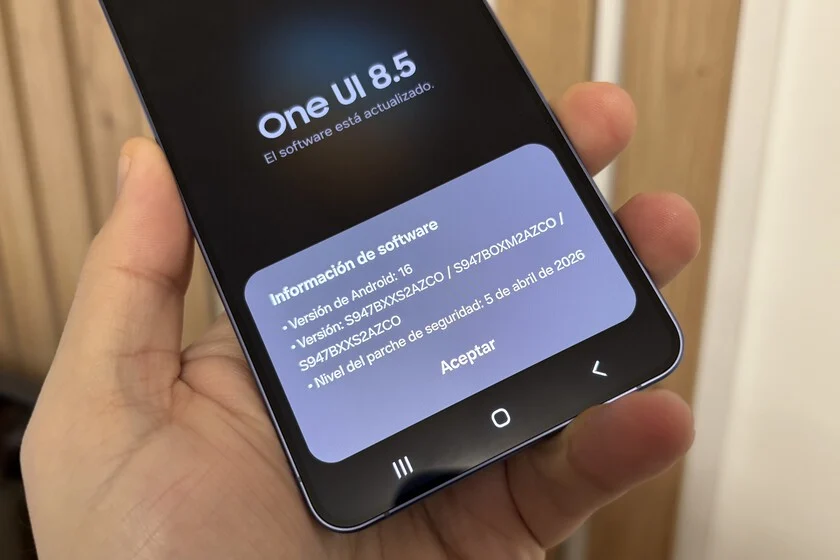

The arrival of Samsung’s latest security patch, specifically the April 2026 update for its extensive Galaxy ecosystem, invariably triggers a predictable wave of anticipation and queries among its vast user base. As reports and screenshots of the new patch begin to surface on social media and technology forums, particularly from early recipients, a common question quickly emerges: "If other Galaxy devices are already receiving the update, why hasn’t mine?" This recurring phenomenon underscores a fundamental aspect of Samsung’s operational strategy: the company’s meticulously organized, yet often phased and complex, deployment methodology, rather than a singular, fixed release date for all.
The Critical Role of Security Updates in the Modern Digital Landscape
In an era increasingly defined by digital connectivity and sophisticated cyber threats, the timely distribution of security patches is not merely a convenience but an absolute imperative for safeguarding user data, privacy, and device integrity. These updates are crucial for addressing newly discovered vulnerabilities, which could otherwise be exploited by malicious actors to gain unauthorized access, inject malware, or compromise personal information. Samsung, as one of the world’s leading smartphone manufacturers, bears a significant responsibility to protect its hundreds of millions of users globally. The commitment to regular security updates, often aligned with Google’s monthly Android Security Bulletin, is a cornerstone of maintaining trust and ensuring the long-term viability and security of its devices. Failing to deliver consistent patches can leave devices exposed to known exploits, diminishing user confidence and potentially leading to widespread security incidents.
Samsung’s Multi-Tiered Update Strategy: Understanding the Internal Roadmap
The primary tool for understanding Samsung’s update cadence is its internal "roadmap," a dynamic document that outlines which devices are slated for updates within a given month and how their update frequency might shift. For April 2026, this roadmap has been updated, providing crucial insights into the company’s current priorities. It doesn’t pinpoint an exact date for individual device notifications, but it clearly indicates whether a specific Galaxy model remains in a prioritized group, has moved to a different update frequency (e.g., from monthly to quarterly), or is not yet scheduled for the immediate rollout phase.
Samsung’s approach is far from monolithic; it meticulously categorizes its vast array of smartphones and tablets into distinct update groups: monthly, quarterly, and semi-annual. This categorization is not static but fluid, evolving based on a device’s lifecycle, market segment, and strategic importance. Flagship models, typically the latest iterations of the Galaxy S and Z series, are almost universally placed in the monthly update cycle, ensuring they receive the most current security enhancements as quickly as possible. Older flagship models, premium mid-range devices, and some tablets often transition to a quarterly schedule, while entry-level and significantly older devices might receive updates biannually. The April 2026 roadmap reflects these ongoing adjustments, revealing which models have been added, removed, or reclassified compared to the March plan. This granular detail is invaluable for users, as a shift in a device’s update group directly alters the realistic expectation of when to anticipate the next patch.
Navigating the April 2026 Deployment: Key Indicators and Early Trends
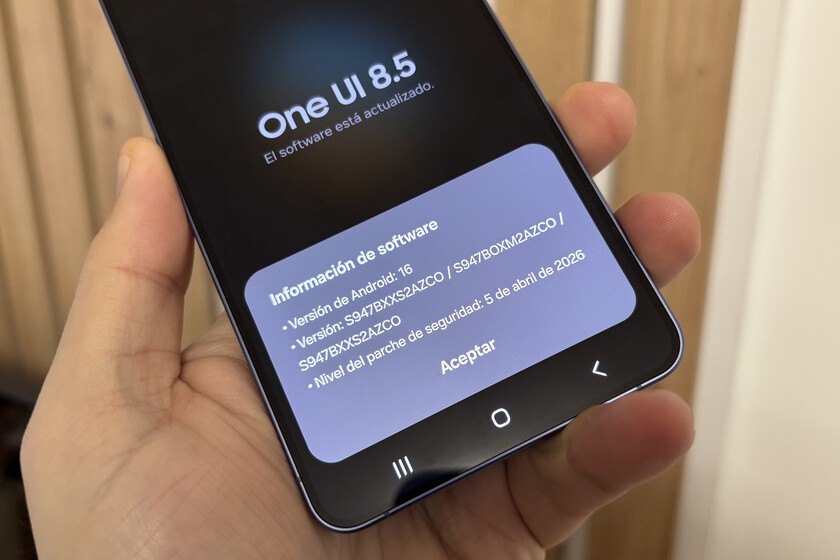
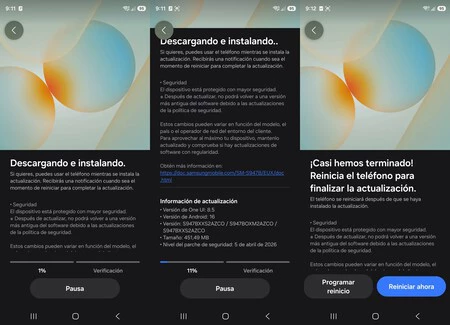
Beyond the internal roadmap, the most reliable real-time indicator of an impending update is the observation of initial deployments. For April 2026, Samsung has already commenced rolling out the patch to its most recent flagship lines. Early reports confirm that devices from the critically acclaimed Galaxy S26 series, the preceding Galaxy S25 lineup, and the innovative Galaxy Z Fold/Flip series are among the first to receive the update. This pattern is highly consistent with Samsung’s historical deployment strategy. The company invariably prioritizes its newest and most premium devices, leveraging their advanced hardware and software integration to ensure a smooth initial rollout. Following this vanguard, the update typically cascades down to other premium models, then to well-positioned mid-range devices, and finally to older models or those on less aggressive update schedules. This phased approach allows Samsung to manage server load, address any unforeseen bugs in limited deployments, and ensure optimal performance across its diverse hardware portfolio before a wider release.
The Intricacies of Global Phased Rollouts: Why Your Device Might Not Have It Yet
A common misconception among users is that if a security patch is available in one region or for one specific model, it should be immediately accessible globally. However, Samsung’s deployment strategy is inherently complex, influenced by a multitude of factors including geographical region, specific mobile carrier affiliations, and even minor hardware or software variants of a device. The process typically begins in Samsung’s home market of South Korea, serving as an initial proving ground. Subsequently, the rollout expands in waves to other major markets such as Europe, India, the United States, and various other international territories.
This staggered release mechanism is not arbitrary; it’s a deliberate logistical and technical choice. Different regions and carriers often require specific customizations, certifications, and thorough testing to ensure compatibility and stability within their unique network infrastructures. For instance, a particular carrier in Europe might need to conduct its own round of testing before approving the update for its subscribers, even if the generic unlocked version has already been released elsewhere. This meticulous process, while occasionally frustrating for eager users, minimizes the risk of widespread issues or network disruptions. Therefore, the absence of an immediate update on a particular device does not signify a problem or oversight but rather indicates that the device is simply awaiting its turn within this carefully orchestrated global schedule.
Beyond the Patch: Samsung’s Broader Commitment to Security and Innovation
Samsung’s dedication to security extends far beyond mere monthly patches. The company has invested heavily in developing a robust security ecosystem, exemplified by initiatives like Samsung Knox. For instance, with the introduction of the Galaxy S26 series, Samsung further bolstered its Knox Matrix security framework with Post-Quantum Cryptography (PQC). This proactive measure addresses the looming threat of quantum computing, which could potentially render current encryption methods obsolete. By offering advanced firmware control and real-time status alerts, Knox Matrix with PQC aims to provide an unparalleled level of device protection, offering users peace of mind in an increasingly insecure digital landscape. These advancements demonstrate Samsung’s foresight and commitment to staying ahead of evolving cyber threats, ensuring that its devices remain secure not just in the present but also against future challenges.
Furthermore, Samsung’s integration of advanced artificial intelligence, such as Galaxy AI in the S26 series, also plays a role in enhancing device security and user experience. While primarily focused on usability and feature enhancement, a secure AI implementation ensures that personal data processed by these intelligent features remains protected. The continuous development of features like enhanced photo editing and contextual suggestions, powered by AI, necessitates an equally strong security foundation to prevent any potential vulnerabilities from arising within these sophisticated systems.
Bridging User Expectations with Operational Realities
The disparity between immediate user expectations for universal, simultaneous updates and the operational realities of managing a global product portfolio is a constant challenge for manufacturers like Samsung. The desire for instantaneous security updates is entirely understandable, given the importance of device protection. However, the sheer scale of Samsung’s operations—supporting hundreds of distinct device models across countless regional and carrier variants—mandates a structured, phased approach.
For users seeking to gauge when their device might receive the April 2026 patch, the most effective strategy involves cross-referencing two key indicators:
- The Official Roadmap: Confirming that their specific Galaxy model is still listed within the appropriate update frequency group (monthly, quarterly) for the current month.
- Real-World Deployments: Observing actual update rollouts in similar device families or, more specifically, within their own geographical region or carrier network.
When both these indicators align, it serves as a strong signal that the update is imminent for that particular device. This analytical approach empowers users to set more realistic expectations and avoid unnecessary anxiety about their device’s update status.
Implications for Device Longevity and Brand Trust
Samsung’s consistent efforts in providing regular security updates have significant implications for both device longevity and brand trust. A device that receives timely security patches remains protected against the latest threats, extending its usable lifespan and maintaining its value. Users are more likely to retain and recommend devices from a brand that demonstrates a strong commitment to their security and privacy. This commitment fosters loyalty and reinforces Samsung’s reputation as a reliable and responsible technology provider in a highly competitive market. In an industry where software support is increasingly becoming a differentiator, Samsung’s robust update policy is a critical component of its competitive edge, influencing purchasing decisions and cementing its position as a leader in the Android ecosystem. The ongoing rollout of the April 2026 security patch is another testament to this enduring commitment, ensuring that millions of Galaxy users worldwide can continue to rely on their devices with confidence.
