
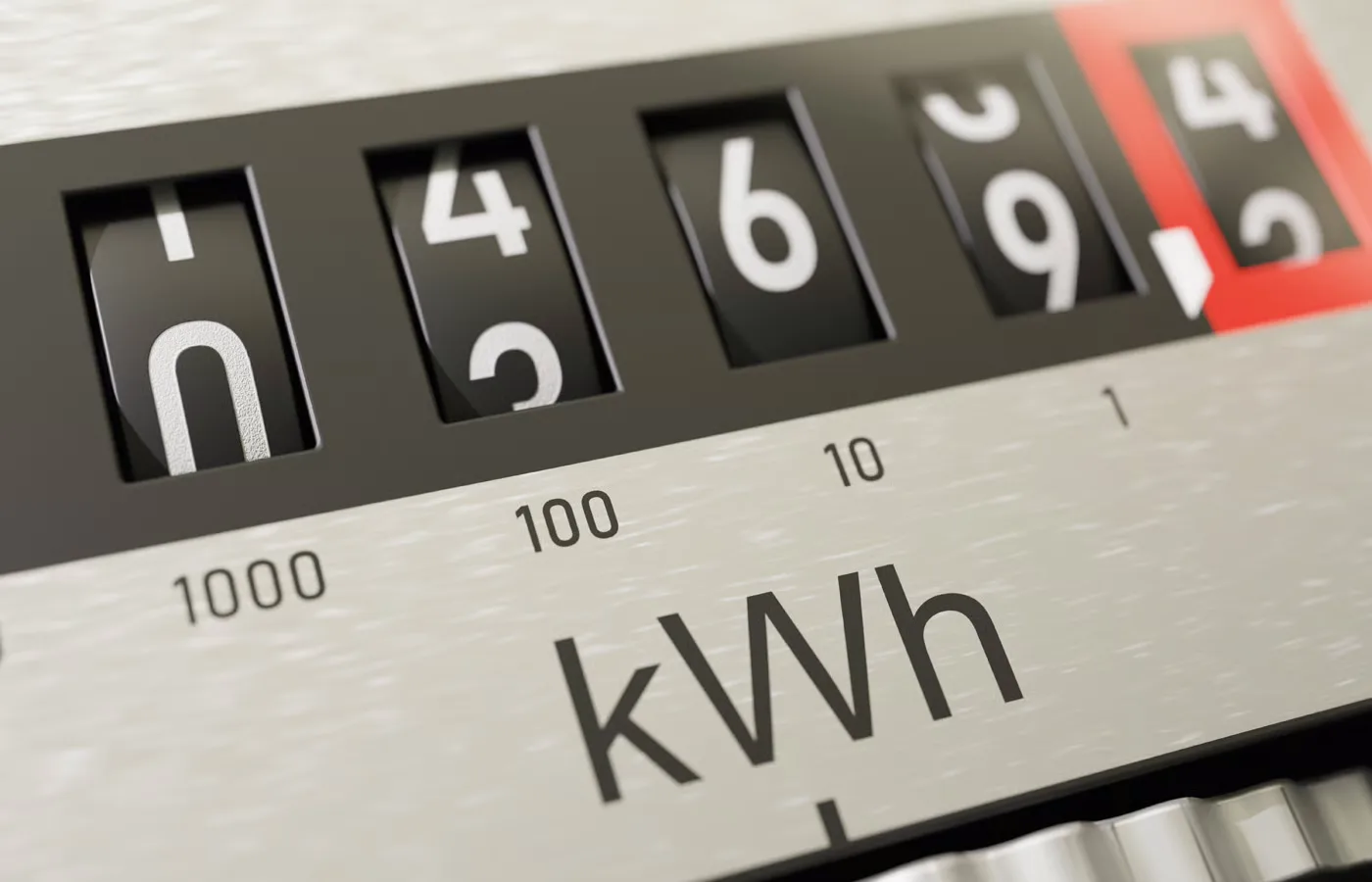

Energy consumption represents one of the most significant operational expenditures for data centers globally. The substantial cost associated with powering servers and the intricate cooling systems required to dissipate the heat they generate, can profoundly impact profitability. As the digital landscape expands and the volume of processed data continues its exponential growth, so too do data center energy demands and, consequently, their operating expenses. This article delves into the complexities of data center power consumption, identifies its major contributors, and outlines key strategies for optimization, alongside the tangible business impacts of these initiatives.
The Mechanics of Data Center Power Consumption
Understanding how power is consumed within a data center is a multifaceted endeavor, involving a sophisticated interplay of various components and systems. These facilities are engineered to support the immense and ceaseless demand for data processing, storage, and transmission, making power management a critical operational imperative.
Power Infrastructure: The Foundation of Operations
At the bedrock of any data center’s energy usage lies its robust power infrastructure. This encompasses the entire pathway of electricity from its source to the operational equipment. External power sources, typically drawing from the national grid, are the initial point of entry. However, the inherent unreliability of grid power necessitates comprehensive backup systems. Uninterruptible Power Supplies (UPS) provide immediate, short-term power continuity during brief flickers or outages, while backup generators, often fueled by diesel or natural gas, are deployed for sustained power during extended disruptions. Power Distribution Units (PDUs) then meticulously distribute this electricity to the various racks and components within the facility. The efficiency and reliability of this infrastructure are paramount, as any failure can lead to catastrophic downtime and financial losses.
Servers and Computing Equipment: The Primary Consumers
The servers themselves are the heart of the data center and, consequently, the most significant consumers of power. These machines are responsible for the core functions of data processing, storage, and network traffic management. The power drawn by servers is directly correlated with their workload. Intense computational tasks, such as artificial intelligence training or complex simulations, demand a higher processing power, leading to a commensurate increase in energy consumption. Beyond servers, other critical computing equipment, including vast storage arrays and intricate network devices, also contribute substantially to the facility’s overall power footprint. The relentless drive for increased processing power and data capacity often translates into higher energy demands, creating a continuous challenge for efficiency.
Cooling and Climate Control: A Necessary Burden
Maintaining optimal operating temperatures is non-negotiable for data center hardware. Servers and other components generate significant heat, and their longevity and performance are directly dependent on effective thermal management. Consequently, cooling and climate control systems represent a substantial portion of a data center’s energy expenditure. These systems can include Computer Room Air Conditioner (CRAC) units, large-scale chillers, and cooling towers, all working in concert to dissipate heat. In many data centers, the energy consumed by cooling systems can approach or even equal the energy used by the computing equipment itself, highlighting its critical role and significant energy impact. The precise temperature and humidity control required necessitates constant operation, making cooling a persistent energy drain.
Power Usage Effectiveness (PUE): Measuring Efficiency
The industry standard for quantifying data center energy efficiency is the Power Usage Effectiveness (PUE) metric. PUE is calculated as the ratio of the total facility energy consumption to the energy consumed by the IT equipment. An ideal PUE of 1.0 would signify that all power entering the data center is used solely for computing. However, in reality, most data centers operate with a PUE greater than 1.0, as power is also consumed by cooling, lighting, power distribution losses, and other auxiliary systems. Historically, PUE values for enterprise data centers have ranged from 1.5 to 2.0 or higher, indicating significant inefficiencies. Leading hyperscale data centers, however, have achieved PUEs as low as 1.1, demonstrating the potential for substantial improvement through focused engineering and operational strategies. The Global Data Center Energy Efficiency Market is projected to reach $36.8 billion by 2028, underscoring the immense economic incentive for PUE reduction.
Lighting and Auxiliary Systems: Incremental Contributors
While not as energy-intensive as servers or cooling, lighting and other auxiliary systems, such as security surveillance, monitoring equipment, and building management systems, do contribute to the overall power consumption. Modern approaches to data center design increasingly incorporate energy-efficient LED lighting and sophisticated automation to minimize this aspect of energy usage. The adoption of smart building technologies and motion sensors can further curtail unnecessary energy expenditure in these areas.
Power Fluctuations and Demand Scaling: Dynamic Consumption Patterns
Data center power consumption is rarely static; it is a dynamic entity that fluctuates significantly based on demand. During periods of peak computational activity, more servers are brought online to handle the increased workload, leading to a surge in power consumption. Conversely, during off-peak hours or periods of reduced activity, power usage naturally declines. Advanced data centers employ sophisticated demand scaling and virtualization techniques to dynamically adjust power consumption in alignment with real-time workloads. This adaptive approach is crucial for avoiding the over-provisioning of resources and minimizing energy waste during periods of low demand.
Key Factors Influencing Data Center Power Consumption
The overall power consumption of a data center is a complex equation influenced by a myriad of interconnected factors, spanning technological capabilities, infrastructural design, environmental conditions, and operational practices. A comprehensive understanding of these influences is paramount for developing effective strategies aimed at optimizing energy efficiency and reducing overall energy usage.
- IT Equipment Density and Type: The number of servers and the type of hardware deployed have a direct impact. High-density server racks, packing more computing power into smaller footprints, generate more heat and require more energy for operation and cooling. The power efficiency ratings of individual servers, storage devices, and networking equipment are also critical.
- Cooling System Design and Efficiency: The type of cooling technology employed (e.g., air cooling, liquid cooling, evaporative cooling), its design efficiency, and its operational parameters significantly influence energy consumption. The effectiveness of airflow management and the maintenance of optimal temperature setpoints are also crucial.
- Environmental Conditions: External ambient temperatures and humidity levels can affect the energy required for cooling. Data centers located in cooler climates may have an advantage in utilizing free cooling techniques.
- Power Distribution Efficiency: Losses incurred during power distribution from the utility feed to the IT equipment, including through transformers, UPS systems, and PDUs, contribute to overall energy consumption. The efficiency of these components directly impacts the PUE.
- Workload Variability and Utilization: The nature and intensity of the workloads processed by the IT equipment directly correlate with power demand. Inefficient workload distribution or underutilized servers can lead to wasted energy.
- Data Center Age and Infrastructure: Older data centers may be equipped with less energy-efficient hardware and cooling systems, making them inherently more power-intensive than modern, purpose-built facilities. Legacy infrastructure often presents a significant challenge for efficiency upgrades.
- Operational Practices and Management: The operational policies and practices implemented by data center managers, including power management settings, scheduling, and maintenance protocols, play a vital role in energy consumption.
- Redundancy and Uptime Requirements: The level of redundancy built into the power and cooling systems to ensure high availability often necessitates the operation of more equipment than is strictly needed at any given moment, thus increasing energy consumption.
5 Strategies for Optimizing Data Center Power Consumption
Achieving significant improvements in data center power consumption is not merely an environmental consideration; it is a strategic imperative for enhancing operational efficiency, reducing substantial costs, and bolstering corporate sustainability initiatives. The following five strategies offer a robust framework for optimizing energy usage:
1. Implementing Energy-Efficient Hardware
A foundational step towards reducing power consumption involves a strategic upgrade to more energy-efficient hardware. Modern servers are designed with advanced power management features and often boast higher performance-per-watt ratios compared to their predecessors. The adoption of Solid-State Drives (SSDs) over traditional Hard Disk Drives (HDDs) can yield further energy savings, as SSDs typically consume less power and generate less heat. Furthermore, prioritizing equipment that meets recognized energy efficiency standards, such as those set by Energy Star, ensures that hardware operates within defined benchmarks for power optimization. This proactive approach to hardware selection can lead to immediate and measurable reductions in energy expenditure. Industry reports suggest that upgrading to energy-efficient servers can reduce power consumption by up to 30% for the same workload.
2. Enhancing Cooling Systems
Cooling systems, while indispensable for maintaining operational integrity, are significant energy consumers. Implementing advanced cooling techniques can dramatically improve efficiency. Liquid cooling, for instance, offers superior heat dissipation capabilities compared to traditional air cooling, allowing for higher server density and reduced fan energy. Evaporative cooling, which utilizes water evaporation to lower air temperature, can also be a highly energy-efficient solution, particularly in suitable climates. The strategic deployment of economizers, which leverage cooler outside air for direct or indirect cooling, can significantly reduce reliance on energy-intensive mechanical cooling. Optimizing the physical layout of the data center is equally crucial. Employing hot/cold aisle containment strategies, for example, effectively segregates hot exhaust air from cool intake air, preventing mixing and thereby enhancing the efficiency of cooling units. This targeted approach to airflow management ensures that cooling is delivered precisely where it is needed, minimizing waste.
3. Virtualization and Server Consolidation
Virtualization technology stands as a cornerstone of modern data center efficiency. By enabling multiple virtual machines (VMs) to operate on a single physical server, virtualization drastically reduces the number of physical servers required. This consolidation not only frees up valuable rack space and reduces infrastructure costs but also leads to significant power savings. Efficiently distributing workloads across fewer, more highly utilized servers maximizes their operational efficiency. Advanced virtualization software plays a crucial role in intelligently managing and allocating resources, ensuring that servers are not unnecessarily powered on or running at idle. Furthermore, the strategic adoption of cloud computing for specific workloads can further offload the demand for on-premises server infrastructure, contributing to overall energy efficiency and reducing the physical footprint of the data center. Studies have shown that server consolidation through virtualization can reduce energy consumption by as much as 70%.
4. Power Management Software Solutions
The effective management of energy consumption within a data center is greatly facilitated by the implementation of robust power management software solutions. Data Center Infrastructure Management (DCIM) tools provide comprehensive visibility into power usage, enabling real-time monitoring, analysis, and control. These platforms allow operators to track power consumption at granular levels, identify inefficiencies, and make data-driven adjustments to optimize operations. The integration of Artificial Intelligence (AI) and Machine Learning (ML) technologies into these solutions offers predictive analytics capabilities, enabling data centers to anticipate demand fluctuations and proactively adjust power usage for maximum efficiency. AI-powered systems can optimize server load balancing, schedule maintenance during off-peak hours, and even dynamically adjust cooling setpoints based on predictive modeling, leading to substantial energy savings.
5. Renewable Energy Integration
The transition towards renewable energy sources is a critical component of sustainable data center operations. Integrating renewable energy, such as solar, wind, or hydroelectric power, significantly reduces a data center’s reliance on fossil fuels and diminishes its carbon footprint. Data centers can participate in Renewable Energy Credits (RECs) programs, which support the development and deployment of renewable energy projects. For organizations with the necessary resources and infrastructure, investing in on-site renewable energy generation, such as installing solar panels on facility rooftops or utilizing small-scale wind turbines, offers a direct pathway to energy independence and a reduced environmental impact. This shift not only aligns with global sustainability goals but also offers long-term cost stability, as renewable energy sources are often less susceptible to volatile energy market fluctuations.
The Multifaceted Benefits of Data Center Energy Efficiency
The pursuit of enhanced energy efficiency within data centers extends far beyond mere cost reduction, yielding a cascade of economic, environmental, and operational advantages. These benefits are instrumental in shaping the sustainability and overall performance of these critical digital infrastructures.
- Reduced Operational Costs: Lower energy consumption directly translates into significant savings on electricity bills, a major component of operating expenses. This cost reduction can improve profit margins and allow for reinvestment in other critical areas.
- Environmental Stewardship and Corporate Social Responsibility (CSR): By minimizing energy usage and embracing renewable energy, data centers significantly reduce their carbon footprint and greenhouse gas emissions. This commitment to sustainability enhances a company’s brand reputation and aligns with growing consumer and investor expectations for environmentally responsible practices.
- Enhanced Reliability and Uptime: More efficient power and cooling systems can operate more reliably, reducing the risk of equipment failure due to overheating or power fluctuations. This contributes to improved data center uptime and service availability.
- Increased Capacity and Scalability: Optimizing energy consumption can free up available power and cooling capacity, allowing data centers to accommodate growth and deploy new technologies without requiring immediate and costly infrastructure expansions.
- Regulatory Compliance and Future-Proofing: As governments worldwide implement stricter environmental regulations and carbon pricing mechanisms, data centers that prioritize energy efficiency are better positioned to comply with current and future mandates, avoiding potential penalties and ensuring long-term operational viability.
- Improved Thermal Management: Efficient cooling not only saves energy but also ensures that IT equipment operates within optimal temperature ranges, extending its lifespan and reducing the incidence of hardware failures.
Navigating the Challenges of Data Center Power Consumption
Despite the clear imperative and substantial benefits associated with optimizing data center energy consumption, the path toward achieving this goal is fraught with significant challenges. These obstacles span technical complexities, financial considerations, regulatory landscapes, and environmental factors, demanding strategic planning and innovative solutions.
Balancing Performance with Efficiency
A fundamental and persistent challenge lies in striking the delicate balance between the ever-increasing demand for high-performance computing and the imperative for energy efficiency. As data volumes explode and computational tasks become more complex, the need for powerful processors and extensive memory intensifies. This often leads to a direct increase in power consumption. Current technological limitations can sometimes present a trade-off where achieving peak performance necessitates a higher energy draw, making it difficult to simultaneously optimize for both metrics. The continuous innovation cycle means that while new, more efficient technologies emerge, the demand for even greater computing power often outpaces these gains.
Technological and Infrastructure Upgrades
The transition to more energy-efficient hardware and advanced cooling systems, while beneficial, often requires substantial upfront capital investment. Many existing data centers are saddled with legacy systems that, while still functional, are inherently less energy-efficient. Upgrading or replacing these older infrastructures can be a complex and costly undertaking, presenting a significant financial hurdle. Furthermore, the integration of new technologies into existing environments can be technically challenging, requiring specialized expertise and careful planning to avoid disrupting ongoing operations. The total global investment in data center infrastructure is projected to exceed $360 billion by 2027, with a significant portion dedicated to upgrades and modernization.
Cooling System Efficiency in High-Density Environments
Effectively managing the heat generated by increasingly dense IT equipment configurations remains a paramount concern. As server racks become more powerful and packed with components, the thermal load intensifies, posing a significant challenge for even advanced cooling systems. While innovative cooling solutions like liquid cooling are available, their widespread implementation can be complex, requiring specialized infrastructure and maintenance. Not all data center designs or physical spaces are conducive to adopting these cutting-edge technologies, and the cost of retrofitting can be prohibitive. Ensuring uniform and efficient cooling across all racks, especially in high-density deployments, requires meticulous design and ongoing optimization.
Data Center Location and Environmental Factors
The geographical location of a data center can significantly influence its cooling energy consumption. Facilities situated in regions with temperate climates can leverage "free cooling" techniques, using outside air to cool IT equipment for a substantial portion of the year, thereby reducing reliance on energy-intensive mechanical chillers. Conversely, data centers in hot or humid climates face a greater challenge in maintaining optimal temperatures, requiring more energy for cooling. The availability and cost of renewable energy sources also vary geographically, impacting the feasibility and economic viability of integrating them into operations.
Skilled Workforce and Operational Expertise
Operating and optimizing a modern, energy-efficient data center requires a highly skilled workforce with expertise in areas such as power management, cooling technologies, virtualization, and IT infrastructure management. The rapid pace of technological advancement means that continuous training and professional development are essential. A shortage of qualified personnel can hinder the effective implementation and ongoing management of energy-saving strategies, leading to suboptimal performance and missed opportunities for efficiency gains.
The Critical Role of Efficient Power Management in Data Centers
The efficient management of power within data centers has evolved from a mere operational concern to a critical strategic imperative that profoundly influences both economic viability and environmental responsibility. In an era defined by escalating data demands and growing environmental awareness, the effective management of power consumption is no longer optional; it is a fundamental requirement for the sustainability and success of these digital hubs.
Efficient power management directly translates into substantial reductions in operational costs, freeing up capital for innovation and strategic growth. Beyond the financial benefits, it plays an indispensable role in environmental stewardship. By minimizing energy consumption and prioritizing the integration of renewable resources, data centers can significantly curtail their carbon footprint. This commitment to sustainability not only demonstrates corporate responsibility but also enhances organizational reputation among customers, investors, and the wider public.
The journey towards greater energy efficiency in data centers is an ongoing process of technological adoption, strategic planning, and operational refinement. As the digital world continues to expand, the importance of optimizing power consumption will only grow, making it a central focus for the future of the data center industry.
For a deeper understanding of the principles, advantages, and challenges of sustainable IT practices, explore our comprehensive guide to Green IT. If you are ready to embark on the journey of infrastructure virtualization, discover some of the leading virtualization companies best suited to partner with your organization.
