

The European Union has solidified its commitment to combating electronic waste and extending the lifespan of consumer devices with a groundbreaking regulation mandating that all new smartphones, and several other portable electronic devices, feature easily user-replaceable batteries by 2027. This pivotal move, long anticipated but now fully detailed in the consolidated text of the European Regulation on Batteries and Waste Batteries, transcends mere recommendation, establishing stringent design requirements that will fundamentally reshape the electronics industry. It marks a significant escalation in the EU’s broader "Right to Repair" agenda, aligning with other eco-conscious directives such as the implementation of energy efficiency labels that assess device reparability.
The Legislative Mandate: A Deeper Dive into the 2027 Deadline
For years, the European Union has been a global frontrunner in advocating for greater sustainability and consumer rights within the technology sector. The journey toward user-replaceable batteries has been a protracted one, reflecting a growing societal demand to curb the burgeoning problem of electronic waste (e-waste) and counter the pervasive trend of planned obsolescence. While the 2027 deadline for user-replaceable batteries in mobile phones, light means of transport, and other portable devices was initially announced, the finer points of its implementation have now been clarified through the official legal text. This clarity is crucial, as the initial drafting left room for interpretation regarding what "user-replaceable" truly entailed.
The consolidated regulation unequivocally states that merely making a battery "removable" is insufficient. Instead, manufacturers are now legally bound to redesign the internal architecture of their smartphones and other applicable devices to facilitate genuine user replacement. This represents a paradigm shift from the current industry standard, where integrated, often glued-in batteries necessitate specialized tools, technical expertise, or costly professional services for replacement. The EU’s intent is clear: to empower the end-user, reduce reliance on manufacturer-controlled repair ecosystems, and significantly extend the functional life of devices, thereby mitigating environmental impact.
Defining "Easily Removable": Eliminating Obstacles to Repair
The core of the new regulation hinges on the precise definition of "easily removable." The legal text stipulates that a battery is considered "easily removable" if it can be extracted using "commercially available tools" without requiring specialized equipment. This seemingly simple clause has profound implications for current smartphone design, which heavily relies on compact, unibody constructions often secured with proprietary screws, strong adhesives, or complex internal arrangements.
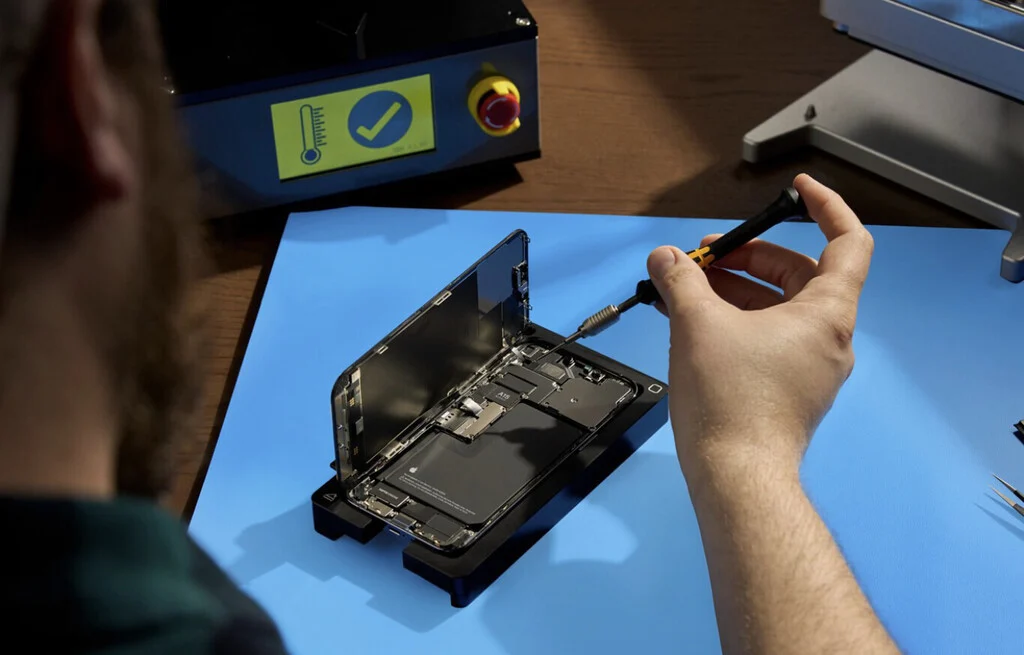
Crucially, the regulation goes further, explicitly prohibiting certain common manufacturing practices. It states that users must not be required to employ "protected tools, thermal energy, or solvents to disassemble the product." This directly targets the prevalent method of adhering batteries to device chassis or logic boards with powerful glues. Currently, professional repair technicians often resort to heat guns to soften these adhesives, a process that carries risks of damaging other internal components and is certainly not feasible for the average consumer. The new rule effectively bans this practice, compelling manufacturers to adopt mechanical fastening solutions such as screws, clips, or modular designs that allow for straightforward removal.
Furthermore, should a specific, non-specialized tool be required for battery removal (e.g., a specific screwdriver size), the manufacturer is obligated to provide this tool free of charge, either bundled with the product or with the replacement battery itself. This ensures that the barrier to entry for battery replacement remains as low as possible for consumers.
To ensure user safety and proper execution, manufacturers must also furnish clear, comprehensive instructions for battery extraction and replacement. These instructions are not only required to be easily understandable but must also be perpetually accessible online via a dedicated website, ensuring long-term support for device owners. This measure is designed to demystify the repair process and build consumer confidence in performing basic maintenance tasks.
The End of Software Barriers: Combating "Parts Pairing"
One of the most insidious forms of planned obsolescence in modern electronics has been the use of software to hinder or block repairs performed outside official channels. This practice, often referred to as "parts pairing," involves linking specific components (like batteries, screens, or cameras) to a device’s motherboard via software. If a component is replaced with an "unauthorized" part, even a genuine OEM one, the device’s software might display warnings, disable certain functionalities, or prevent the device from operating optimally. Apple, for instance, has faced significant criticism for its implementation of parts pairing, which can deactivate battery health readings or display persistent warnings when a battery is replaced by a third party.
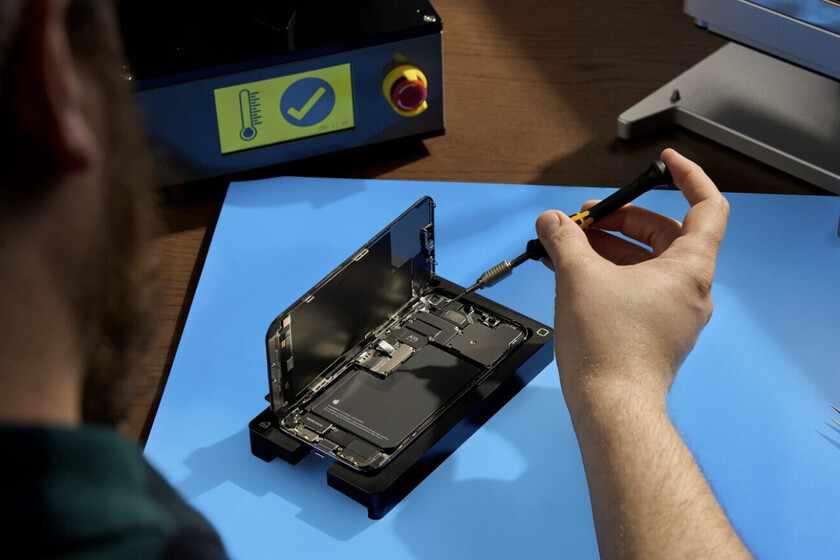
The EU regulation directly confronts this issue. The text explicitly states that "software shall not be used to hinder the replacement of a portable battery by another compatible battery." This clause is a direct challenge to parts pairing and similar software-based lockout mechanisms. It mandates that devices must accept compatible replacement batteries without software interference, thereby ensuring that the physical act of replacing a battery is not undermined by digital barriers. This is a monumental victory for consumer choice and independent repair shops, dismantling a key pillar of manufacturer control over post-purchase device functionality.
Ensuring Availability and Affordability: The Supply Chain Imperative
Beyond design and software, the regulation addresses the critical aspects of component availability and pricing. To guarantee the long-term viability of user-initiated repairs, manufacturers are now required to make replacement batteries available as spare parts for a minimum of five years after the last unit of a particular model is introduced to the market. This extended availability period is crucial, as battery degradation is often the primary reason for smartphone obsolescence, typically occurring within two to three years of intensive use. By ensuring spare parts are readily available for a longer duration, the EU aims to significantly prolong the practical lifespan of devices.
Furthermore, the regulation includes a vital provision regarding the cost of these replacement batteries: they must be offered at a "reasonable and non-discriminatory price." This clause is designed to prevent manufacturers from imposing exorbitant prices on spare parts, which could effectively force consumers to purchase a new device rather than opting for a more economical repair. The definition of "reasonable" will likely be subject to interpretation and market forces, but the overarching goal is to make repair a genuinely attractive and economically viable option for consumers, rather than a prohibitive one.
Historical Context: The Evolution of Smartphone Batteries and the Rise of E-Waste
The shift towards non-removable batteries in smartphones began in earnest in the late 2000s and early 2010s. Early mobile phones almost universally featured easily swappable batteries, a design choice driven by the limited capacity of early battery technology and the convenience of carrying charged spares. However, as smartphones evolved, driven by desires for thinner profiles, sleeker aesthetics, and enhanced water and dust resistance, manufacturers increasingly adopted unibody designs with integrated batteries. This design philosophy, while contributing to premium feel and durability against environmental ingress, inadvertently created a significant barrier to repair.
The consequences have been staggering. Globally, e-waste is the fastest-growing waste stream. The United Nations estimates that a record 53.6 million metric tons of e-waste were generated worldwide in 2019, with only 17.4% formally documented as properly collected and recycled. Europe alone generated 12 million metric tons of e-waste in 2021. Smartphones, with their relatively short average lifespan of 2-3 years, contribute disproportionately to this waste. A significant portion of these devices are discarded not because their core functionality has failed, but because their batteries have degraded, leading to poor performance and reduced autonomy. Extracting valuable materials like cobalt, lithium, and rare earth elements from integrated devices is complex and energy-intensive, further exacerbating environmental concerns. The new regulation directly addresses this cycle of premature obsolescence and waste generation.
The Broader "Right to Repair" Movement in Europe
This battery mandate is not an isolated policy but a key component of the European Union’s ambitious "Right to Repair" movement. This broader initiative seeks to empower consumers by making repairs more accessible, affordable, and transparent across a wide range of products. Other significant measures include the mandatory adoption of USB-C as a common charging port for most portable electronic devices by late 2024, aimed at reducing cable waste and enhancing interoperability. The EU has also introduced ecodesign requirements for various appliances, mandating that manufacturers make spare parts available for up to 10 years and provide repair information to professional repairers. These legislative efforts collectively aim to foster a more circular economy, reducing resource consumption, minimizing waste, and shifting away from a linear "take-make-dispose" model.
Implications for Manufacturers: Innovation, Design, and Costs
The new regulation presents both significant challenges and potential opportunities for smartphone manufacturers. The immediate challenge lies in redesigning devices to accommodate user-replaceable batteries while maintaining desirable features such as slimness, water and dust resistance (IP ratings), and robust structural integrity. Achieving high IP ratings often relies on tightly sealed, adhesive-heavy constructions, which will now need to be rethought. Companies will need to invest heavily in research and development to innovate new sealing mechanisms, modular internal architectures, and durable yet easily openable designs.
The impact on manufacturing costs could be considerable, at least initially. R&D expenses, retooling production lines, and potentially altering supply chain logistics for spare parts will add to overheads. However, in the long term, a standardized approach to repairability could streamline certain aspects of product development and aftermarket support. Manufacturers might also explore new revenue streams through the sale of certified spare batteries and related accessories. Companies like Fairphone, which have long championed modular, repairable smartphone designs, could see their philosophy become an industry benchmark.
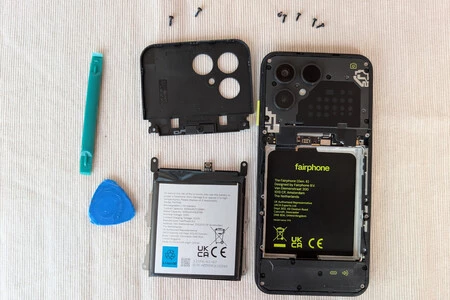
Some manufacturers may initially resist, citing concerns about design compromises, increased complexity, or potential safety issues if users handle batteries incorrectly. However, the regulatory framework is clear, and the onus is now on the industry to innovate within these new parameters.
Impact on Consumers: Empowerment and Savings
For consumers, the benefits of this regulation are manifold. The most immediate and tangible advantage will be the ability to extend the lifespan of their smartphones significantly. A degraded battery is a primary driver for premature device replacement. By easily swapping out a worn battery for a new one, users can restore their phone’s performance and autonomy, potentially doubling or even tripling its useful life. This translates directly into substantial cost savings, as consumers will no longer be pressured into purchasing new devices every 2-3 years due to battery issues.
Furthermore, the "Right to Repair" grants consumers greater autonomy over their own property. They will no longer be beholden to manufacturers’ authorized repair networks or face prohibitive repair costs. The competitive market for spare batteries and independent repair services is likely to flourish, driving down prices and increasing convenience. This empowerment also fosters a sense of environmental responsibility, allowing individuals to actively participate in reducing e-waste.
Environmental Benefits: A Step Towards Circular Economy
The environmental advantages of this regulation are profound. By extending the lifespan of millions of smartphones, the EU expects a significant reduction in e-waste generation. Each device kept in circulation for longer means fewer new devices need to be manufactured, reducing the demand for raw material extraction (including finite and environmentally costly resources like lithium, cobalt, and rare earths), decreasing energy consumption associated with manufacturing, and lowering carbon emissions.
Consider the lifecycle impact: the energy consumed in manufacturing a smartphone is often greater than the energy it consumes during its entire use. By prolonging the use phase, the overall environmental footprint per device is substantially diminished. Moreover, easier battery removal will facilitate more efficient recycling of devices at their end-of-life, as batteries, which contain hazardous materials, can be more readily separated and processed. This move is a crucial step towards a more sustainable and circular economy, where resources are kept in use for as long as possible.
Industry Reactions and Future Outlook
While no major smartphone manufacturers have issued official statements specifically reacting to the detailed text of the regulation, the industry has been aware of the impending changes. Initial reactions are likely to involve a period of strategic assessment and intensive redesign efforts. Companies that prioritize design aesthetics and ultra-slim profiles may face the steepest challenges, while those already exploring modular or more easily repairable designs might find the transition smoother.
The long-term outlook suggests a future where product durability and repairability become significant competitive advantages, alongside traditional metrics like processing power and camera quality. This regulation could spur innovation in materials science, battery technology (e.g., more robust, longer-lasting batteries that are also easy to replace), and modular design principles. It also sets a precedent that other global regulatory bodies might consider emulating, potentially leading to a worldwide shift in electronics manufacturing practices.
In conclusion, the European Union’s mandate for user-replaceable smartphone batteries by 2027 represents a monumental shift in consumer electronics. It is a decisive move to dismantle planned obsolescence, empower consumers, and tackle the escalating global e-waste crisis. While it will undoubtedly pose significant design and engineering challenges for manufacturers, it promises a future of more sustainable, durable, and user-friendly technology, marking a triumphant chapter in the ongoing "Right to Repair" movement.
