
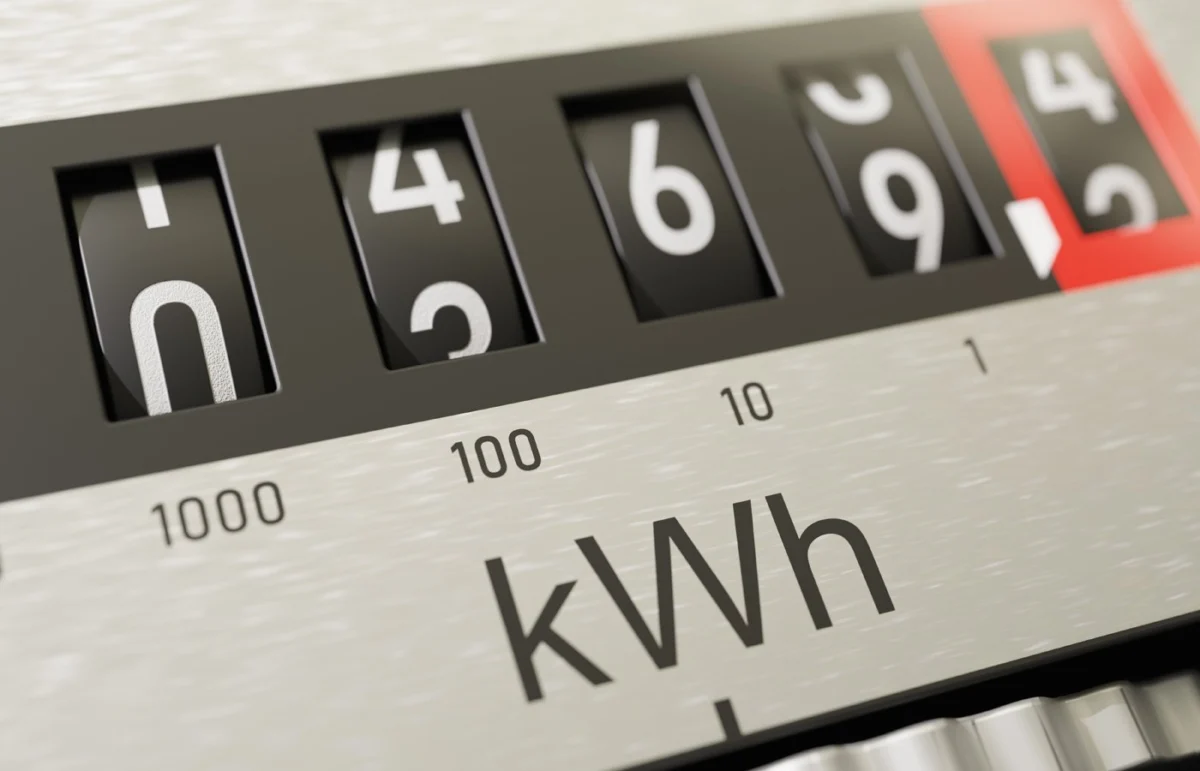

Energy consumption stands as one of the most significant operational expenditures for data centers, a reality that is becoming increasingly pronounced as digital infrastructure expands and data processing demands escalate. The cost of powering the vast arrays of servers and the sophisticated cooling systems required to dissipate their generated heat represents a substantial financial burden. As data centers grow in scale and handle ever-increasing volumes of data, their energy consumption, and consequently their operating expenses, are on an upward trajectory. Understanding the intricacies of this power consumption and implementing effective optimization strategies is no longer merely a matter of cost-saving but a critical component of sustainable and responsible digital operations. This article delves into how data center power consumption operates, identifies its major contributors, and highlights key strategies for optimization, alongside their profound business implications.
The Complex Ecosystem of Data Center Power Consumption
Data center power consumption is a multifaceted process, orchestrated by a complex interplay of various components and systems working in concert to meet the immense demand for data processing, storage, and transmission. A comprehensive understanding necessitates an examination of the distinct facets of their operation, from the foundational power infrastructure to the intricate cooling mechanisms.
Power Infrastructure: The Unseen Backbone
At the bedrock of any data center’s power consumption is its robust power infrastructure. This critical network encompasses external power sources, typically drawing from the electrical grid, augmented by essential backup systems such as generators and uninterruptible power supplies (UPS). Power distribution units (PDUs) then meticulously channel this electricity to the numerous components within the facility. While the primary power source fuels the operation, backup systems are paramount for ensuring uninterrupted service during grid outages, a non-negotiable requirement in the always-on world of data centers. The reliability and efficiency of this infrastructure directly influence the overall energy footprint.
Servers and Computing Equipment: The Engine of Operation
The servers themselves are the veritable heart of a data center, and by extension, its most significant power consumers. These machines are tasked with the arduous duties of data processing, storage, and networking. The energy demands of servers are intrinsically linked to their workload; as the need for processing power escalates, so too does their energy consumption. Beyond servers, other computing peripherals, including extensive storage arrays and high-speed network devices, contribute substantially to the facility’s total power draw. The relentless march towards more powerful processors and larger storage capacities, while enhancing capabilities, simultaneously magnifies this energy challenge.
Cooling and Climate Control: The Silent Giant
To maintain the optimal operating environment for sensitive electronic equipment, data centers rely on extensive cooling and climate control systems. These systems, which can include Computer Room Air Conditioner (CRAC) units, chillers, and cooling towers, are indispensable for dissipating the considerable heat generated by servers and other hardware. The energy expenditure dedicated to cooling can represent a significant, and often surprising, portion of a data center’s total power consumption, sometimes approaching parity with the power consumed by the computing equipment itself. As server densities increase, so does the heat output, placing an even greater demand on these energy-intensive cooling solutions.
Power Usage Effectiveness (PUE): The Industry Benchmark
To quantify and benchmark the energy efficiency of data centers, the industry widely employs a metric known as Power Usage Effectiveness (PUE). PUE is calculated as the ratio of the total power entering a data center to the power consumed solely by the computing equipment. An ideal PUE of 1.0 signifies that all power is dedicated to computing tasks, an aspirational target rarely achieved in practice. Most data centers exhibit a PUE greater than 1.0 due to the inherent energy consumption of cooling systems, lighting, and other auxiliary non-computing processes. Continuous efforts to lower PUE are a central tenet of data center sustainability initiatives.
Lighting and Auxiliary Systems: The Ancillary Contributors
While less impactful than servers and cooling, lighting and other auxiliary systems, such as security and monitoring equipment, also contribute to the overall energy ledger. The adoption of energy-efficient LED lighting and sophisticated automation systems can effectively mitigate this portion of power usage, demonstrating that even seemingly minor elements can be optimized for greater efficiency.
Power Fluctuations and Demand Scaling: The Dynamic Nature of Consumption
Data center power consumption is not a static entity; it is a dynamic process that fluctuates in response to varying demand. During peak operational periods, additional servers are often brought online to manage increased workloads, resulting in a surge in power consumption. Conversely, during off-peak times, power usage may recede. Modern data centers are increasingly leveraging demand scaling and advanced virtualization techniques to dynamically adjust power consumption in alignment with real-time workloads, a crucial strategy for efficiency.
Key Factors Influencing Data Center Power Consumption
A multitude of factors, spanning technological, infrastructural, and environmental considerations, profoundly influence a data center’s power consumption. A thorough understanding of these elements is paramount for effective optimization and the reduction of energy usage.
- Hardware Efficiency: The power draw of servers, storage devices, and network equipment is directly proportional to their technological design and efficiency ratings. Older or less efficient hardware consumes significantly more power for equivalent performance.
- Cooling System Design and Operation: The type of cooling technology employed, its efficiency, the ambient temperature, and the effectiveness of airflow management all play a crucial role in determining cooling-related energy consumption.
- Data Center Density: Higher concentrations of computing equipment within a given space lead to increased heat generation, thus demanding more robust and energy-intensive cooling solutions.
- Workload Variability: The nature and intensity of the computational tasks performed directly impact server power draw. Fluctuating workloads necessitate dynamic power management strategies.
- PUE Target and Performance: The established PUE target and the actual measured PUE serve as direct indicators of overall energy efficiency. A higher PUE signifies greater energy waste.
- Environmental Conditions: External temperature and humidity can influence the efficiency of cooling systems, particularly those employing free cooling or evaporative methods.
- Infrastructure Age and Maintenance: Aging power distribution systems or poorly maintained cooling units can operate less efficiently, leading to increased energy waste.
- Operational Practices: The adoption of power-saving modes, server utilization policies, and shutdown procedures for non-critical equipment can significantly impact energy consumption.
- Software Optimization: Efficient software design and resource allocation can minimize the computational load on hardware, thereby reducing power requirements.
- Location and Climate: Data centers located in cooler climates may benefit from more opportunities for free cooling, reducing reliance on mechanical cooling systems.
5 Strategic Imperatives for Optimizing Data Center Power Consumption
Optimizing power consumption within data centers is a multi-pronged approach essential for enhancing operational efficiency, reducing costs, and minimizing environmental impact. The following five strategies represent critical pillars for achieving these objectives.
1. Implementing Energy-Efficient Hardware
A foundational step in reducing power consumption involves a strategic upgrade to energy-efficient hardware. Modern servers with superior power efficiency ratings can dramatically lower the overall energy footprint of a data center. Furthermore, transitioning from traditional hard disk drives (HDDs) to Solid State Drives (SSDs) can yield substantial energy savings, as SSDs are inherently more power-efficient. Investing in hardware certified with Energy Star ratings is another effective method to ensure that equipment adheres to established energy efficiency standards, contributing directly to overall power optimization. Industry reports from organizations like the Natural Resources Defense Council (NRDC) have consistently highlighted the significant energy savings potential through hardware upgrades, with some studies suggesting that widespread adoption of the most efficient technologies could reduce data center energy consumption by as much as 40%.
2. Enhancing Cooling System Efficiency
Cooling systems, while indispensable for maintaining optimal operating temperatures, are notoriously energy-intensive. Implementing advanced cooling techniques such as liquid cooling or evaporative cooling can offer significantly more efficient heat dissipation compared to conventional air-based methods. The adoption of economizers, which leverage cooler external air for cooling, can also lead to substantial energy reductions, particularly in temperate climates. Beyond technological solutions, optimizing the physical layout of the data center to ensure effective airflow management, employing strategies like hot/cold aisle containment, can dramatically enhance cooling efficiency and consequently lower power usage. Research from organizations like the Lawrence Berkeley National Laboratory has demonstrated that intelligent airflow management alone can reduce cooling energy consumption by up to 30%.
3. Virtualization and Server Consolidation: Maximizing Resource Utilization
Virtualization stands as a transformative technology for optimizing energy use. By enabling multiple virtual machines (VMs) to operate on a single physical server, virtualization drastically reduces the need for numerous discrete physical servers. This consolidation not only conserves valuable rack space but also leads to a significant reduction in overall power requirements. Efficiently distributing workloads across a reduced number of servers using sophisticated virtualization software maximizes their utilization, translating directly into energy savings. Moreover, the strategic migration of certain workloads to cloud computing environments can further diminish the reliance on on-premises servers, contributing to a broader energy efficiency strategy. Studies have indicated that server virtualization can lead to energy savings of 50-75% for consolidated workloads.
4. Leveraging Power Management Software Solutions
The adoption of Data Center Infrastructure Management (DCIM) tools is instrumental in achieving more effective management of energy consumption within data centers. These sophisticated platforms enable granular monitoring and management of power usage across all facility components. Implementing software solutions for real-time power monitoring allows for continuous tracking and dynamic adjustment of power usage, leading to more streamlined and efficient operations. Furthermore, the integration of Artificial Intelligence (AI) and machine learning technologies within these solutions can provide predictive analytics, enabling proactive optimization of power consumption based on data-driven insights and historical trends. The global DCIM market is projected to grow significantly, driven by the increasing need for energy efficiency and operational visibility.
5. Integrating Renewable Energy Sources
The integration of renewable energy sources, such as solar, wind, or hydroelectric power, offers a powerful pathway to reduce reliance on fossil fuels and significantly diminish the environmental footprint of data centers. Participation in Renewable Energy Credits (RECs) programs can support the development and deployment of renewable energy initiatives. For data centers with the necessary infrastructure and capital, investing in on-site renewable energy generation, such as solar panels or small-scale wind turbines, provides a direct and sustainable method of harnessing clean energy, contributing to energy independence and operational resilience. Major technology companies have made substantial commitments to powering their data centers with 100% renewable energy, setting a precedent for the industry.
The Compelling Benefits of Data Center Energy Efficiency
The pursuit of energy efficiency in data centers yields a wide array of benefits that extend across economic, environmental, and operational domains. These advantages not only bolster the sustainability of data center operations but also contribute to their overall performance, reliability, and competitive standing.
- Reduced Operational Costs: Lower energy consumption directly translates into significant reductions in electricity bills, a major operational expense for data centers. This cost saving can be reinvested in infrastructure upgrades, innovation, or passed on to customers.
- Enhanced Environmental Stewardship: By minimizing energy usage and the reliance on non-renewable energy sources, data centers can substantially reduce their carbon footprint, contributing to global climate change mitigation efforts and demonstrating corporate social responsibility.
- Improved Reliability and Uptime: Efficiently managed power systems, including robust UPS and optimized cooling, can enhance the stability and reliability of the data center, leading to improved uptime and reduced risk of costly disruptions.
- Increased Capacity and Scalability: By operating more efficiently, data centers can potentially accommodate higher compute densities within existing infrastructure, delaying the need for costly expansions and improving resource utilization.
- Positive Brand Reputation and Compliance: Demonstrating a commitment to sustainability and energy efficiency can enhance a company’s brand image, attracting environmentally conscious customers and investors, and ensuring compliance with evolving environmental regulations.
- Reduced Heat Output and Equipment Longevity: More efficient hardware and cooling systems generate less heat, which can extend the lifespan of IT equipment and reduce the strain on critical infrastructure.
Navigating the Challenges of Data Center Power Consumption
Despite the clear imperative for energy efficiency, achieving it within the complex environment of a data center is fraught with inherent challenges. These obstacles span technical, financial, regulatory, and operational dimensions, requiring strategic planning and innovative solutions to overcome.
Balancing Performance with Efficiency: The Perpetual Trade-off
A primary challenge lies in the perpetual balancing act between meeting the ever-increasing demand for high-performance computing and the imperative for energy efficiency. As data volumes and processing complexities grow, so does the requirement for powerful hardware, which often correlates with higher power consumption. Current technological limitations may not always provide the optimal blend of processing power and energy efficiency, forcing difficult trade-offs.
Technological and Infrastructure Upgrades: The Cost Barrier
The implementation of more energy-efficient hardware and advanced cooling systems often necessitates substantial upfront investment. Many data centers continue to operate with less energy-efficient legacy systems, and upgrading these can be both costly and logistically complex, presenting a significant hurdle to widespread adoption of modern, efficient technologies.
Cooling System Efficiency: The Heat Dissipation Conundrum
Efficiently managing the considerable heat generated by densely packed computing equipment remains a significant concern. While innovative cooling solutions exist, their implementation can be complex, require specialized infrastructure, and may not be universally applicable or cost-effective for all data center configurations. High-density racks, in particular, pose unique cooling challenges that demand advanced and often energy-intensive solutions.
The Bottom Line: The Critical Role of Efficient Power Management
The efficient management of power within data centers transcends mere operational expediency; it has emerged as a critical determinant of both economic viability and environmental responsibility for these indispensable digital hubs. The increasing prominence of data centers in the global economy is intrinsically linked to the growing demand for energy. Consequently, the responsibility to manage power consumption effectively is paramount.
Efficient power management is not solely about achieving substantial reductions in operational costs; it plays a vital role in environmental stewardship and enhancing organizational reputation. By meticulously minimizing energy consumption and strategically optimizing the utilization of renewable resources, data centers can significantly reduce their carbon footprint. This commitment to sustainability not only aligns with global environmental goals but also positions organizations as responsible corporate citizens in an increasingly environmentally conscious world. The ongoing evolution of technology, coupled with strategic planning and a commitment to best practices, will continue to shape the future of energy efficiency in data centers, ensuring their continued growth and their contribution to a sustainable digital future.
