
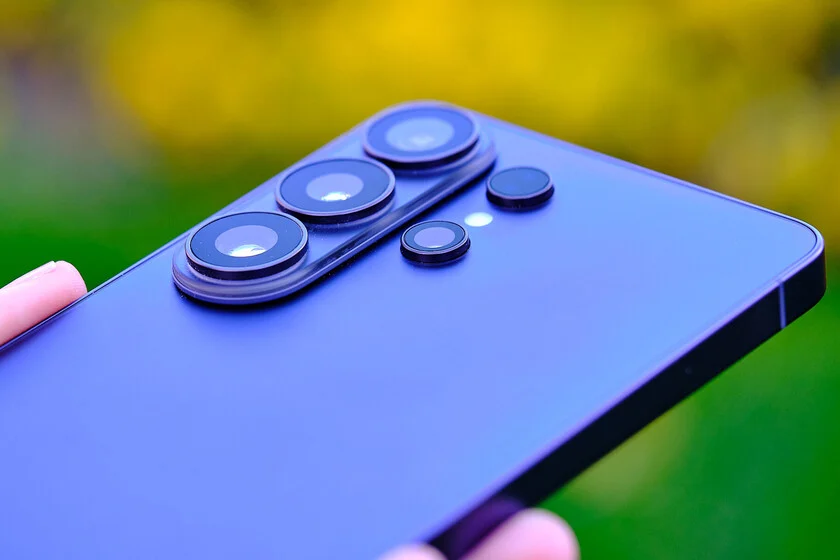

A recent technological discovery has highlighted the versatility of flagship smartphones, with the Samsung Galaxy S26 Ultra unexpectedly demonstrating exceptional capability as a high-definition webcam. This revelation comes from a user’s personal experience, underscoring how advanced mobile camera technology can seamlessly integrate into desktop setups, offering a superior alternative to conventional dedicated webcams and even the integrated cameras found in many high-end laptops. The seamless plug-and-play functionality, delivering 1080p resolution at 60 frames per second, positions the S26 Ultra not just as a premium communication device but also as a powerful tool for professional video conferencing and content creation.
The Evolving Need for Superior Webcams
The global shift towards remote work and virtual communication, dramatically accelerated by events in early 2020, fundamentally reshaped the demand for reliable and high-quality video conferencing solutions. Prior to this period, integrated laptop webcams, often characterized by their low resolution, poor low-light performance, and limited field of view, were deemed sufficient for most casual interactions. However, as professional meetings, online education, and virtual social gatherings became the norm, the inadequacies of these built-in cameras became glaringly apparent. Users quickly sought external webcams to improve their on-screen presence, leading to a surge in demand for devices that could offer clearer images, better color reproduction, and enhanced performance in varied lighting conditions.
Despite the increased market demand, many dedicated webcams, particularly those in the mid-range price bracket, struggled to keep pace with the advancements seen in smartphone camera technology. While high-end webcams offered significant improvements, they often came with a considerable price tag. This created a gap in the market for accessible, high-quality video input devices. Simultaneously, smartphone cameras, particularly those on flagship models, continued their rapid evolution. Equipped with larger sensors, more sophisticated multi-lens arrays, advanced optical image stabilization, and powerful computational photography algorithms, these devices began to capture images and videos that far surpassed the capabilities of most consumer-grade webcams. The potential to repurpose these advanced mobile cameras for desktop use has long been explored through third-party applications, but often with mixed results regarding stability, latency, and ease of setup.
From Frustration to Seamless Integration: A User’s Journey
The journey to this discovery began with a personal technology refresh. Having previously owned a Samsung Galaxy Note 20 Ultra, a device notable for its integrated S Pen and robust camera system, the user seized an upgrade opportunity from Movistar. This involved transitioning to a new 10 Gbps internet service plan and acquiring the latest Samsung Galaxy S26 Ultra. The S26 Ultra, as anticipated, proved to be an excellent smartphone, lauded for its overall performance and innovative display, as detailed in various professional reviews. However, its eventual role as a primary webcam was entirely unforeseen.
The impetus for this unconventional use stemmed from a practical need. The user was in the process of overhauling their computing setup, which included divesting from a MacBook Pro in favor of a dedicated desktop PC. This desktop, unlike the MacBook Pro, lacked an integrated webcam. Initially, an antiquated Logitech camera, nearly fifteen years old and retrieved from storage, was pressed into service. The visual output from this legacy device was, predictably, poor – described colorfully as "worse than putting a slice of salami over each eye." This substandard quality prompted a search for a modern replacement.
The initial thought process gravitated towards leveraging existing technology. The user considered repurposing an older mobile phone as a webcam, a common approach facilitated by various third-party applications. An attempt was made with a Vivo X300 Pro. Connecting this device via its USB-C cable to the desktop, the user experimented with several applications designed to transform smartphones into webcams. Despite these efforts, a stable and effective connection proved elusive, highlighting the common challenges associated with non-native software solutions, such as driver compatibility issues, latency, or complex configuration steps. This initial setback underscored the difficulty of achieving a truly seamless "plug-and-play" experience with generic Android devices without specific manufacturer support.
Effortless Setup: The Plug-and-Play Advantage of the S26 Ultra
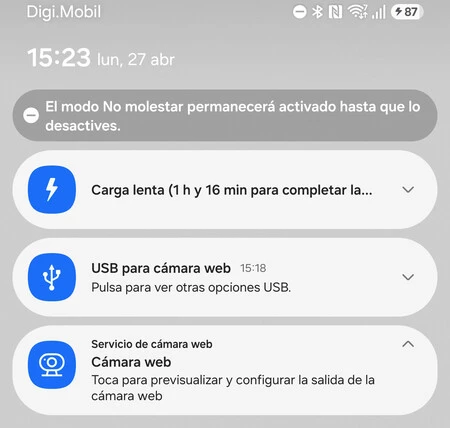
The subsequent trial with the Samsung Galaxy S26 Ultra yielded dramatically different results. Expecting a similar struggle or the necessity of installing proprietary Samsung software, the user was surprised by the immediate and intuitive functionality. Upon connecting the S26 Ultra to the PC via its USB-C cable, the phone presented a prompt, allowing the user to select "webcam mode." Simultaneously, the Windows operating system on the desktop instantly recognized the S26 Ultra as a standard USB camera device. This entirely bypassed the need for any additional driver installations or complex software configurations, a significant departure from the experience with the Vivo device and typical third-party webcam apps.
This ‘connect and go’ simplicity is a testament to Samsung’s thoughtful integration of hardware and software. By enabling the S26 Ultra to function as a Universal Video Class (UVC) device, Samsung has ensured broad compatibility across various operating systems and video conferencing platforms. This design choice means that popular applications like Google Meet, Zoom, Microsoft Teams, and OBS Studio can detect and utilize the S26 Ultra’s camera without any special adjustments. The user reported that this unexpected capability not only solved an immediate problem but also precluded the need to purchase a dedicated webcam, thereby offering a cost-effective and high-quality solution for their video conferencing needs. The ability to simply plug in the phone, position it on a stand for optimal angle and height, and immediately engage in high-quality video calls represents a substantial value addition to the flagship device.
Technical Prowess: Why Smartphone Cameras Excel
The superior image quality delivered by the S26 Ultra as a webcam is not merely anecdotal; it is rooted in fundamental technological advantages that modern smartphone cameras hold over most dedicated webcams. Flagship smartphones like the Galaxy S26 Ultra are equipped with large image sensors, often measuring 1/1.3 inches or more, significantly larger than the tiny sensors typically found in even premium webcams. A larger sensor can capture more light, leading to better low-light performance, reduced noise, and improved dynamic range, which is the camera’s ability to capture detail in both bright and dark areas of a scene.
Furthermore, the S26 Ultra boasts sophisticated multi-lens systems, often including wide, ultra-wide, and telephoto lenses, along with advanced autofocus mechanisms (such as Dual Pixel PDAF or laser autofocus) that ensure subjects remain sharp and clear. The optical quality of these lenses, crafted to capture high-resolution images for photography, far exceeds the simple plastic or basic glass lenses in most webcams. Complementing this hardware is Samsung’s cutting-edge computational photography, powered by a robust System-on-Chip (SoC) that includes dedicated neural processing units (NPUs). These processors apply real-time image enhancements such as advanced noise reduction, HDR (High Dynamic Range) processing, and sophisticated color science, resulting in vibrant, lifelike video feeds.
The reported performance of 1080p resolution at 60 frames per second (fps) is a professional-grade standard. While many webcams offer 1080p, maintaining a smooth 60fps often requires more expensive models. The S26 Ultra achieves this effortlessly, providing fluid motion that is crucial for dynamic presentations, interactive sessions, or simply a more engaging visual presence. The USB-C connection itself plays a vital role in this high-fidelity transmission. USB-C, especially with modern standards like USB 3.0 or higher, offers substantial bandwidth, easily accommodating the data throughput required for uncompressed or minimally compressed 1080p60 video streams. This robust connection minimizes latency, ensuring that audio and video remain synchronized, a common pitfall with wireless webcam solutions or older USB standards.
Beyond the Basics: Performance and Compatibility
The practical benefits of using the Samsung Galaxy S26 Ultra as a webcam extend beyond mere resolution and frame rate. The phone’s advanced camera features, normally reserved for mobile photography, indirectly contribute to its webcam performance. For instance, the superior low-light capabilities ensure a clear and well-exposed image even in dimly lit rooms, a scenario where most integrated laptop cameras produce grainy, underexposed video. The phone’s autofocus system is far more responsive and accurate than that of typical webcams, keeping the subject consistently in focus even with slight movements.
Compatibility is another strong suit. By adhering to the UVC standard, the S26 Ultra ensures it can be used across various platforms and operating systems without proprietary software. This universality is a critical factor for users who might switch between Windows, macOS, or Linux environments, or who use diverse video conferencing platforms. The phone effectively acts as a high-end external camera, recognized by the system as such, allowing users to leverage its superior optics and processing power within their existing workflows. Furthermore, the phone is powered directly via the USB-C connection, meaning that long meetings will not drain the device’s battery, a crucial practical consideration for extended use.
The user’s direct comparison to their former MacBook Pro’s integrated camera is particularly telling. While Apple’s integrated cameras are generally considered better than many PC laptop counterparts, they still operate within the constraints of thin laptop lids and compact sensor sizes. The S26 Ultra, with its dedicated camera module and larger sensor, inherently surpasses these limitations, offering a visibly superior image quality characterized by better detail, color accuracy, and overall clarity. This positions the S26 Ultra as a formidable contender not just against budget webcams, but even against the cameras of premium laptops.
Implications for the Tech Landscape and Consumers

The seamless webcam functionality of the Samsung Galaxy S26 Ultra carries significant implications for both consumers and the broader technology market. For consumers, it represents an added layer of value and utility for a device that already commands a premium price. Instead of needing to purchase a separate, potentially expensive, high-quality webcam, users can leverage their existing flagship smartphone, saving money and reducing electronic clutter. This feature makes the S26 Ultra a more versatile investment, appealing to professionals, content creators, and casual users alike who demand high-fidelity video communication.
From an industry perspective, Samsung’s native implementation could be a subtle but impactful disruptor to the dedicated webcam market. If more flagship smartphones integrate such effortless webcam modes, the demand for standalone webcams, especially in the mid-to-high range, could soften. Manufacturers of webcams might need to innovate further, perhaps by offering specialized features that smartphones cannot replicate, or by focusing on niche markets. This move also strengthens Samsung’s ecosystem play, making their devices even more central to a user’s digital life by enhancing their functionality across different computing platforms.
Tech analysts suggest that this trend aligns with a broader industry movement towards device convergence and multi-functionality. As smartphone hardware continues to advance at a rapid pace, manufacturers are increasingly looking for ways to extract maximum utility from these powerful devices. Providing native, driver-free webcam support is a logical extension of this strategy, leveraging the phone’s most advanced component – its camera – for a widely needed desktop application. While Samsung has not officially marketed this as a primary selling point for the S26 Ultra, its quiet inclusion adds significant, practical value that differentiates it in a highly competitive market.
Samsung’s Strategic Innovation and Future Outlook
The integration of a native webcam mode in the Samsung Galaxy S26 Ultra, while not prominently advertised, reflects a strategic foresight. It addresses a real-world user need with an elegant and efficient solution, typical of the "small details that add value" often praised in product analysis. This feature demonstrates Samsung’s commitment to enhancing user experience through thoughtful software-hardware integration, transforming a high-end mobile device into a versatile tool for an increasingly hybrid work and social environment.
Looking ahead, this development could pave the way for further smartphone integration into desktop ecosystems. Future iterations might see wireless webcam functionality with minimal latency, advanced AI-powered background effects leveraging the phone’s NPU, or even specialized modes for content creation that utilize the phone’s multiple lenses and computational photography for a more dynamic webcam experience. As technology continues to evolve, the lines between mobile and desktop functionalities are blurring, and features like the S26 Ultra’s native webcam mode are prime examples of how flagship smartphones are becoming increasingly indispensable components of our broader digital lives, constantly surprising users with their unforeseen capabilities.
