
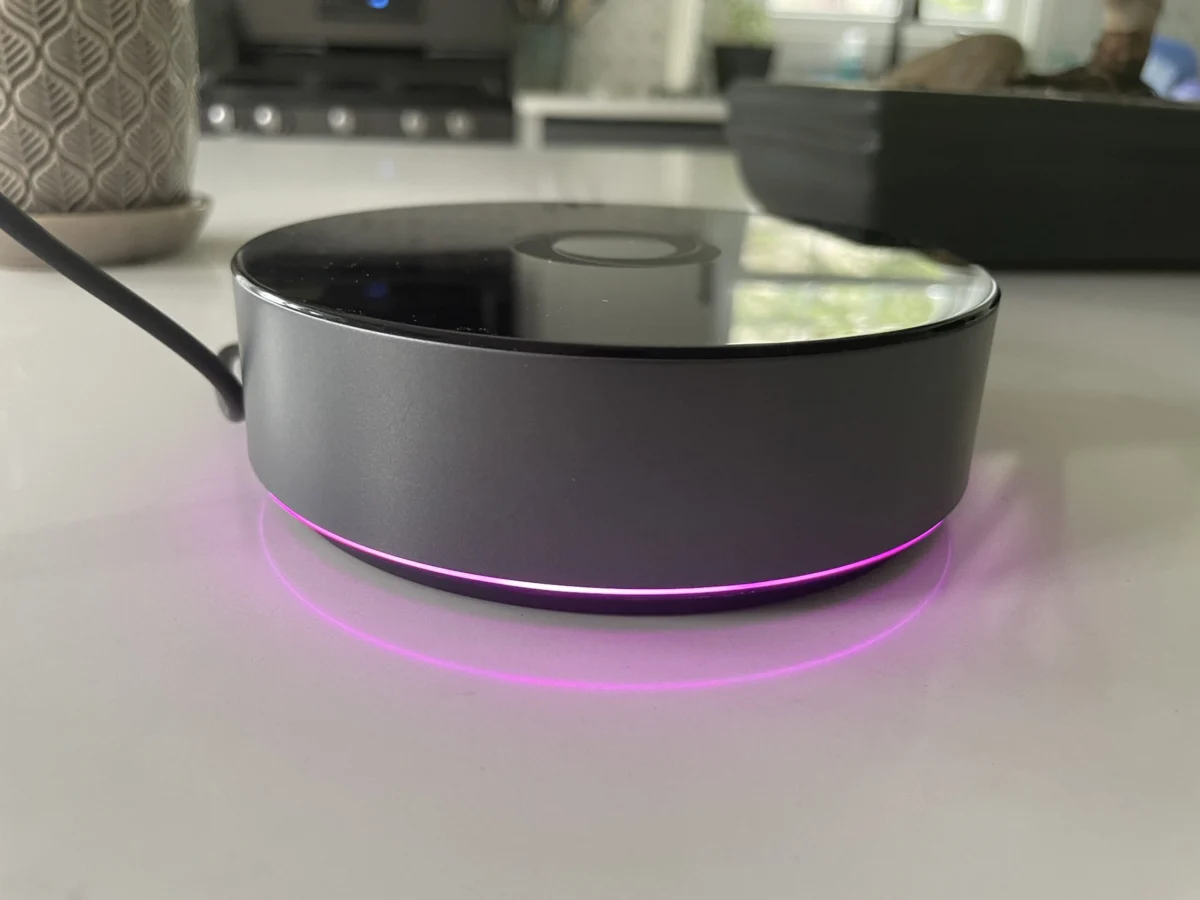

The smart home market, often characterized by its rapid evolution and the proliferation of diverse ecosystems, has a new contender vying for its place in connected households. Following the introduction of the more budget-friendly Homey Bridge, the premium Homey Pro has now officially launched in the United States, carrying a price tag of $399. This advanced hub aims to offer a more robust and locally-focused smart home control experience, distinguishing itself from its predecessor and many cloud-dependent alternatives. While the Homey Pro boasts impressive specifications and a sophisticated approach to automation, its ultimate value proposition hinges significantly on its compatibility with the vast array of smart devices already present in consumers’ homes.
Unpacking the Homey Pro: Power, Local Control, and Future-Proofing
The Homey Pro represents a significant upgrade from the $69 Homey Bridge, which was reviewed earlier in the year and received a generally positive reception for its simplicity. The Pro model distinguishes itself by minimizing subscription fees and removing many of the limitations inherent in the Bridge. Notably, it offers optional Ethernet connectivity for an additional $29 and, crucially, promises future support for the Matter standard, including Matter over Thread. This forward-looking approach suggests an intention to integrate seamlessly with the next generation of smart home devices.
At its core, the Homey Pro is a more powerful iteration of the original Homey Pro released in 2019. It claims a substantial 3.5 times increase in CPU performance, double the storage capacity at 8 GB, and an enhanced 2 GB of memory compared to the Bridge. These upgrades are not merely for show; they underpin the Pro’s primary design philosophy: prioritizing local control for smart home operations. This emphasis on local processing offers distinct advantages, particularly concerning user privacy and operational resilience. By reducing reliance on cloud servers, the Homey Pro aims to ensure that core smart home functions and automations continue to operate even during internet outages, provided those functions themselves are not inherently cloud-dependent.
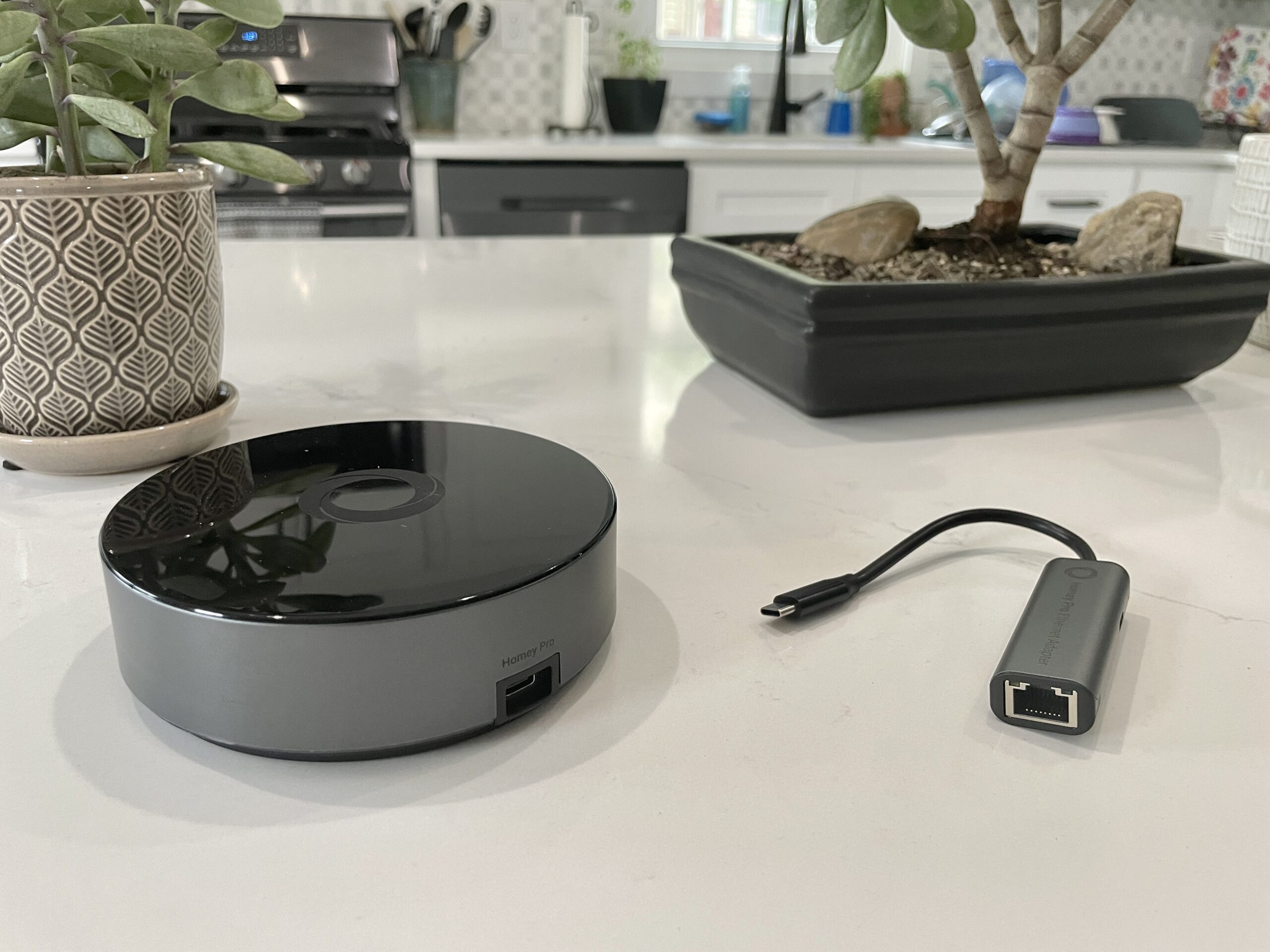
From a functional perspective, both the Bridge and the Pro share a common set of capabilities. Users can add and manage devices, create automated routines, and benefit from a comprehensive suite of wireless radios. The U.S. model of the Homey Pro is equipped with Wi-Fi (supporting both 2.4 GHz and 5 GHz bands), Bluetooth, infrared, Zigbee, and Z-Wave. The Pro model further enhances this connectivity by including a Thread radio, which is crucial for future Matter over Thread devices, and a 833MHz radio for older devices.
A key differentiator that directly impacts user experience and cost is the device limitation. The Homey Bridge restricts users to a maximum of five connected devices without a monthly subscription. Adding more devices incurs a fee of $2.99 per month. In contrast, the Homey Pro eliminates this per-device fee, offering a more accommodating experience for users with extensive smart home setups. The only optional subscription available for the Pro is for cloud backups, priced at a reduced $0.99 per month.
The Setup Experience: Intuitive and User-Friendly
The initial setup process for the Homey Pro is designed to be straightforward, mirroring the ease of use reported for the Homey Bridge. Users are guided through a simple process involving powering the device via the included USB-C cable and charger, downloading the Homey app onto their smartphone, and answering a few basic configuration questions. A particularly well-received aspect of the setup is the app’s intelligent approach to understanding the home’s layout. It prompts users to specify the number of floors and the rooms located on each, a feature that streamlines device organization and automation compared to many other smart home platforms.
Once connected to the home’s Wi-Fi network, the user can begin the process of integrating their smart devices. Homey claims support for over 50,000 devices, a figure that, on the surface, suggests broad compatibility. However, real-world testing revealed a significant caveat: the actual number of devices successfully integrated by the reviewer was approximately half of their existing smart home inventory.

Device Compatibility: The Crucial Hurdle
The breadth of device support is arguably the most critical factor for any smart home hub, and it is here that the Homey Pro, despite its impressive features, encounters its most significant challenge. While popular and widely adopted devices like Lutron Caseta switches, Philips Hue bulbs, and Sonos speakers were integrated without issue, a notable portion of the reviewer’s smart home ecosystem failed to connect.
This included devices such as Schlage door locks, Ecobee thermostats, Nanoleaf lighting products, Govee smart appliances, Wyze cameras, Eve Home devices, Logitech video doorbells, and various smart plugs. The issue with Matter-certified smart plugs was partially explained by the Homey Pro’s then-current lack of Matter support. However, the problem extended beyond Matter-only devices.
Specific examples highlight the compatibility gaps. While Nanoleaf’s unique light panels (triangles, hexagons, and lines) were recognized, the standard Nanoleaf bulbs and smart lights were not. This inconsistency was observed even with older Nanoleaf Essentials, which also lack integration. Similarly, a Meross Garage Door opener failed to connect.
More frustratingly, even when brands were listed as supported, specific models often were not. The Schlage Encode Wi-Fi lock, despite appearing in the Homey app, failed to connect after authentication, reporting "No devices found." The Govee Wi-Fi kettle, while initiating the connection process, resulted in an error message. A Cync by GE smart plug, which is not Matter-certified, also lacked a specific integration. For Ecobee users, only the Ecobee 3 Lite and Room Sensor were compatible, excluding newer models like the Ecobee Thermostat Premium. The reviewer noted that a previous reliance on Zigbee and Z-Wave devices might have yielded better results, suggesting that users heavily invested in those protocols might find greater success.

The absence of a readily accessible, comprehensive list of supported product integrations on the Homey website was a significant drawback for potential buyers. While an update to the review noted that integrations are available under the "Apps" section of the Homey website, the initial difficulty in finding this information underscores the importance of thorough pre-purchase research. Homey representatives later clarified that Matter devices working over Wi-Fi should be compatible, and that the reviewer’s issues stemmed from Matter devices utilizing Thread, which was not yet fully implemented. This highlights the evolving nature of the platform and the critical need for users to verify compatibility for their specific devices.
Development and Customization: A Playground for the Tech-Savvy
For users with a penchant for customization and development, the Homey Pro offers a compelling avenue for creating their own device integrations. The platform provides an API key through its web interface, along with example code in JavaScript and Node.js, suggesting that the Homey Pro operates as a Node.js server. This capability allows technically inclined individuals to extend the hub’s functionality beyond officially supported devices. However, it’s important to note that Homey designates these API features for "hobbyists and developers," indicating that this level of customization is unlikely to be utilized by the average consumer.
The Homey App and Flows: Strengths in User Interface and Automation
Despite the challenges with device compatibility, the Homey app itself is a significant asset. It presents a modern and intuitive interface that surpasses many competing smart home applications. The app excels in exposing both basic and advanced device controls, making it easy for users to manage their connected devices. The ability to assign devices to specific rooms and floors, though requiring a separate step after initial integration, is a valuable organizational feature.
A particularly noteworthy feature is the estimated smart home energy usage monitoring. While this requires manual input of device wattage for an accurate reading, it offers valuable insights into consumption patterns. The system even adjusts energy estimates based on device output, such as dimming lights, and can display this data both within the app and on the web interface. The web interface further provides access to local environmental data like temperature, barometric pressure, and humidity. Homey representatives confirmed that if a device can report actual electricity usage, the Homey Pro will utilize and display that data.

The automation capabilities, known as "Flows," are robust and sophisticated, drawing comparisons to the automation engines found in platforms like Home Assistant. Flows operate on a "When… and… then…" logic, allowing for complex conditional triggers and actions. The inclusion of "else" conditions and the ability for Flows to trigger other Flows provide a high degree of flexibility. These Flows can be created within the mobile app or via the advanced mode in the web interface, offering a powerful toolset for creating intricate smart home routines. The reviewer found that created Flows operated flawlessly, demonstrating the system’s reliability in executing automations.
Analysis and Implications: A Niche Player with High Potential
The Homey Pro enters a market where many established players have shifted towards cloud-centric models. Its commitment to local control and a comprehensive suite of radios positions it as an appealing option for privacy-conscious users or those seeking uninterrupted operation during internet outages. The platform’s potential is undeniable, offering a powerful and flexible hub for managing a connected home.
However, the significant hurdle of device compatibility cannot be overstated. For a device priced at $399, the inability to connect approximately half of a user’s existing smart devices presents a substantial barrier to adoption. While the promise of future Matter support and ongoing development may alleviate some of these concerns over time, the current reality is that potential buyers must meticulously verify compatibility with their specific device ecosystem. The lack of a prominent and easily searchable integration list on their website exacerbates this challenge.
The Homey Pro appears to be best suited for a specific segment of the smart home market: users who prioritize local control and privacy, are willing to invest in a premium hub, and have a significant number of compatible devices, particularly those utilizing Zigbee and Z-Wave protocols. For users with a diverse array of newer Wi-Fi-based smart devices or those heavily invested in proprietary ecosystems not yet fully supported, alternative solutions like Home Assistant might currently offer a more comprehensive and cost-effective experience.

The inclusion of development tools suggests a long-term vision for expanding the platform’s reach, but for mainstream consumers, the immediate focus must be on ensuring that the devices they own today will function seamlessly with the Homey Pro. Until then, its ambitious potential remains somewhat constrained by the practicalities of device integration.
This review was updated on August 16, 2023, to include clarifications and corrections based on direct communication with Homey representatives regarding device compatibility and Matter support.
