
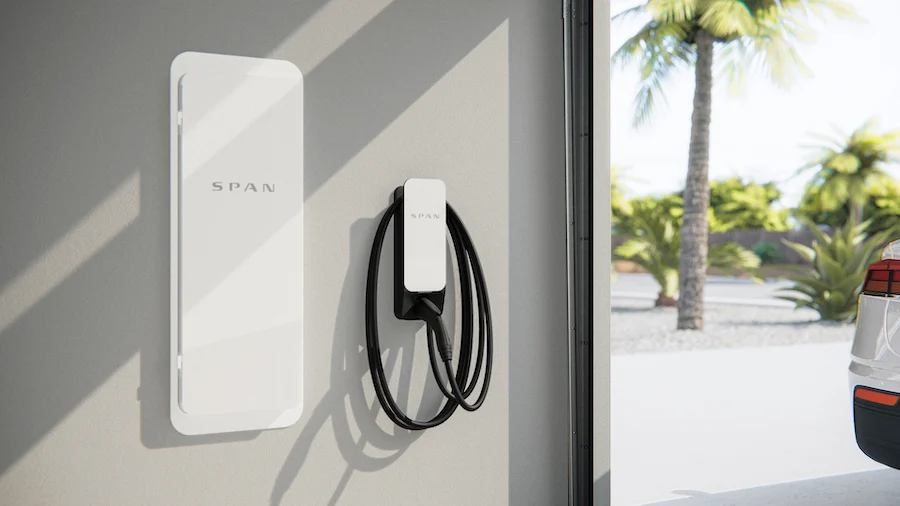

The growing urgency to address climate change and bolster energy grid resilience, underscored by recent extreme weather events and widespread power outages, has fueled a significant shift in consumer and industry perspectives. There is a palpable and mounting consensus that modern homes should integrate sophisticated smart energy management systems. While currently, this often manifests as a smart thermostat participating in a utility’s demand response program, the trajectory points toward a more comprehensive ecosystem. Projections for the coming decade indicate that this will expand to encompass smart breaker boxes, intelligent electric vehicle (EV) chargers, and increasingly, on-site renewable energy generation like solar panels coupled with energy storage solutions. Orchestrating this complex network will be advanced software, capable of seamless communication between in-home devices and utility infrastructure, thereby ensuring optimal power distribution, especially during periods of peak demand when grid capacity may be strained.
The Evolving Landscape of Home Energy Management
The concept of a truly smart home energy system is no longer a distant futuristic vision but a rapidly developing reality. Major players in the electrical and smart home industries, including Schneider Electric, Eaton, Leviton, Savant, and Span, are actively introducing innovative products that are beginning to define the architecture of these systems. This technological advancement is being further propelled by legislative action. For instance, recent legislation enacted under the Biden administration offers financial incentives designed to encourage homeowners to upgrade outdated, "dumb" electrical infrastructure in favor of smarter, more efficient alternatives. These incentives aim to accelerate the adoption of technologies that can contribute to both individual household savings and broader grid stability.
The potential benefits of such systems are manifold. On a micro level, homeowners can anticipate greater control over their energy consumption, leading to reduced utility bills and a smaller carbon footprint. On a macro level, widespread adoption of smart energy management can alleviate stress on the national power grid, mitigating the risk of blackouts and improving overall energy reliability, particularly during critical periods like heatwaves or severe winter storms. The ability for utilities to remotely manage or encourage voluntary curtailment of non-essential loads can significantly improve grid stability and defer costly infrastructure upgrades.
Navigating the Initial Steps: From Audit to Action
Despite the clear advantages, the prospect of overhauling an entire home’s electrical system can appear daunting to the average consumer. Replacing a simple thermostat is a relatively straightforward DIY project for many, but tackling the intricacies of a breaker box or the integration of multiple smart devices presents a more significant undertaking. This article aims to demystify the process and outline a practical, actionable approach for homeowners looking to embark on their smart energy management journey.
The foundational step, one that requires no immediate financial investment beyond a bit of time and perhaps a helping hand, is to conduct a thorough audit of your existing breaker box. This process involves a systematic identification of each circuit and the appliances or outlets it controls. The recommended method is a collaborative effort: one person at the breaker box, and another circulating through the house, connected via a mobile phone. As one individual flips a breaker, the other confirms which specific circuits and connected devices have lost power. Meticulous documentation of these findings is crucial. For each circuit, a detailed list should be compiled, noting its corresponding breaker position and the outlets or appliances it serves. This inventory is not merely an academic exercise; it forms the bedrock for future planning and upgrades.
Understanding Your Home’s Electrical Capacity and Future Needs
Beyond simply mapping existing circuits, this audit also reveals valuable information about your home’s current electrical capacity and potential for future expansion. Identifying unused circuits or "headroom" is particularly important in the context of increasing electrification trends. Many popular home upgrades, such as installing an electric vehicle (EV) charger, a high-efficiency heat pump for heating and cooling, or an induction stove, require dedicated circuits and can significantly increase a home’s overall energy demand.
For homeowners in older residences, the audit might reveal a lack of sufficient headroom. In such cases, the installation of these modern, all-electric appliances may necessitate a broader electrical system upgrade. This could involve increasing the amperage of the main electrical service coming into the house and, consequently, upgrading the breaker box itself to accommodate the higher load. Such upgrades, while potentially costly, are often essential for future-proofing a home and enabling the transition to cleaner, more efficient technologies.
The Role of Smart Breaker Boxes and Load Management
The concept of a "smart breaker box" offers a compelling solution for homeowners facing limitations in their current electrical capacity, especially those who are hesitant about a full-scale service upgrade. While a complete replacement of an electrical panel can represent a substantial investment, ranging from $3,000 to $5,000 or more depending on the complexity and local labor costs, a smart breaker box can provide sophisticated load management capabilities. These systems are designed to intelligently distribute available power, preventing overloads without necessarily requiring a higher amperage service.

For example, a smart breaker box can be programmed to prioritize certain devices or to schedule high-demand activities, such as EV charging, for off-peak hours when other household appliances are not in use. This intelligent scheduling ensures that the vehicle can charge effectively overnight without overwhelming the home’s electrical system. While this approach offers significant benefits in terms of managing existing capacity, it’s important to recognize that it has its limitations and may not be sufficient for homes with exceptionally high concurrent energy demands or those looking to support multiple high-power devices simultaneously.
Varieties of Smart Breaker Box Technology
The market for smart breaker boxes and related energy monitoring devices is evolving, with several distinct categories of products emerging. Some devices, like those from Sense or Emporia, are designed to be installed within an existing breaker box. These systems excel at providing granular data on energy consumption, breaking down usage by individual circuits and connected appliances. They offer homeowners invaluable insights into where their energy is being spent. However, a common limitation of these "monitoring-only" devices is their inability to actively control or manage the power flow to specific circuits. While knowing your refrigerator consumes 500 watts daily is informative, it doesn’t directly enable you to reduce that consumption in real-time unless coupled with manual intervention.
A more advanced tier of smart electrical technology includes smart circuits. These individual breakers offer the capability to remotely switch power on and off to specific circuits. This allows homeowners to exert direct control over individual loads, enabling them to manage energy consumption more dynamically. Consumers can opt to replace individual old breakers with smart circuit alternatives or, in some cases, purchase an entirely new smart breaker box that comes pre-equipped with these advanced features. It is worth noting that many of these smart circuit solutions rely on proprietary software platforms for their operation. This can sometimes lead to vendor lock-in, where devices from different manufacturers may not be fully interoperable.
For the technically inclined and adventurous homeowner, open-source solutions are also becoming available. These options, often requiring a higher degree of technical expertise and DIY effort, offer greater flexibility and customization, allowing users to build highly tailored smart home energy management systems.
The Promise of Integrated Smart Home Energy Platforms
To gain a tangible feel for the potential of more advanced smart home energy management, consumers can explore platforms like SmartThings Energy. This system leverages data from smart meters and real-time electricity rate information provided by utilities to offer a clear visualization of power consumption for supported appliances. For users with compatible Samsung appliances, the platform provides an integrated "Power Savings" mode that can be activated through the app. This feature allows users to nudge their appliances towards more energy-efficient operation, contributing to incremental savings.
The current fragmentation in communication standards between various smart appliances and breaker box software presents a challenge to achieving seamless interoperability. The lack of universal protocols can limit the effectiveness of integrated systems, preventing them from reaching their full potential. However, the industry is actively working towards establishing these standards, and progress is being made. As these standards mature, we can anticipate more sophisticated and unified smart home energy management solutions.
Looking Ahead: Planning for an Electrified and Smart Future
In the interim, homeowners are encouraged to focus on the practical steps they can take today. The initial energy audit of the breaker box is an indispensable starting point. This foundational understanding of your home’s electrical infrastructure will inform future decisions, especially as you consider the acquisition of new appliances. With the increasing push towards electrification, it is highly probable that future appliance purchases will be all-electric. Prioritizing models that also incorporate smart energy management features will further enhance your home’s efficiency and contribute to a more resilient and sustainable energy future. The journey toward a smart energy home is incremental, and informed planning, starting with a simple audit, is the most effective way to navigate this evolving landscape.
