
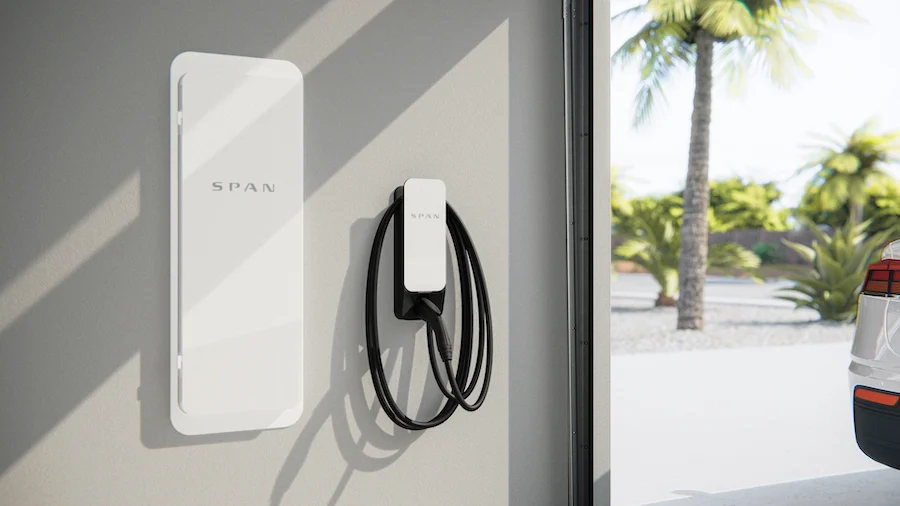

Given the extreme heat this summer and the general awareness of how fragile our power grids are, there is a growing consensus that smart homes should include some form of smart energy management component. Today that might be a smart thermostat that’s hooked into a utility’s demand response program. But it’s likely that in the next decade it will also include some form of smart breaker box, smart EV charger, and perhaps solar or some form of energy storage. Controlling the entire system will be software that communicates with the devices in the home and back to the utility to ensure that the right devices get access to what might be a limited amount of power depending on the demand. Building such a system is daunting. That said, thanks to new products from vendors such as Schneider Electric, Eaton, Leviton, Savant, and Span, the shape of a smart home energy management system is starting to emerge. Additionally, legislation passed under the Biden administration provides incentives for customers who want to replace "dumb" electrical infrastructure in their homes with smart options. But for the average consumer, replacing an electrical system is a lot more daunting than swapping out a thermostat. So how should the average person think about making their energy infrastructure smart?
The Growing Urgency for Grid Resilience
The past few summers have underscored the vulnerabilities of the nation’s electrical infrastructure. Record-breaking heatwaves have placed unprecedented strain on power grids, leading to rolling blackouts and widespread concern about reliability. This heightened awareness, coupled with the increasing prevalence of electric vehicles (EVs) and the broader push towards electrification of home heating and appliances, has created a critical juncture for homeowners and utilities alike. The traditional, passive approach to home energy consumption is no longer sufficient to meet the demands of a modern, electrified lifestyle, nor is it robust enough to withstand the increasingly frequent and severe impacts of climate change.
The concept of a "smart home" has evolved significantly beyond connected lighting and entertainment systems. It now encompasses a more profound integration of technology aimed at optimizing energy usage, enhancing grid stability, and providing homeowners with greater control over their electricity consumption. At the heart of this evolution lies smart energy management, a system designed to intelligently balance power availability with demand.
The Evolving Landscape of Smart Home Energy
Initially, smart energy management in residential settings was largely confined to devices like smart thermostats. These devices offered a foundational level of control, allowing homeowners to schedule temperature adjustments remotely and, crucially, participate in utility-sponsored demand response programs. In these programs, homeowners agree to allow their utility to remotely adjust their thermostat settings during peak demand periods in exchange for financial incentives or bill credits. This represented a significant step towards active energy management, empowering consumers to contribute to grid stability.
However, the vision for smart home energy management extends far beyond thermostats. Experts anticipate that within the next decade, residential energy systems will be characterized by a more comprehensive suite of interconnected smart devices. This includes:
- Smart Breaker Boxes: These are sophisticated electrical panels that go beyond simple circuit protection. They monitor energy consumption in real-time, identify individual appliance loads, and can intelligently distribute power, potentially shedding non-essential loads during periods of high demand or grid stress.
- Smart EV Chargers: As EV adoption accelerates, the demand for charging infrastructure within homes will surge. Smart EV chargers can be programmed to charge vehicles during off-peak hours when electricity is cheaper and less of a strain on the grid, or to coordinate charging with other home energy resources.
- Integrated Solar and Energy Storage: The incorporation of rooftop solar photovoltaic (PV) systems, coupled with battery energy storage solutions, represents a significant advancement in home energy independence and resilience. Smart energy management software is essential to orchestrate the flow of energy between solar generation, battery storage, home consumption, and the grid.
The orchestrating force behind this interconnected ecosystem is advanced software. This software acts as the central nervous system, communicating with individual smart devices within the home and relaying information back to utility providers. Its primary function is to ensure that critical devices receive the power they need, even when overall supply is constrained, thereby maintaining comfort and essential functions while optimizing grid load.
Emerging Technologies and Legislative Support
The development of these sophisticated smart home energy systems is no longer a distant prospect. Leading manufacturers in the electrical and smart home industries are actively bringing innovative products to market. Companies such as Schneider Electric, Eaton, Leviton, Savant, and Span are at the forefront, offering solutions that range from advanced circuit breakers to fully integrated energy management platforms.
Furthermore, supportive legislation has been enacted to accelerate the adoption of smart electrical infrastructure. Initiatives under the Biden administration, for example, aim to provide financial incentives for homeowners looking to upgrade their outdated, "dumb" electrical systems with modern, smart alternatives. These incentives can help offset the initial cost of investment, making smart energy management more accessible to a broader segment of the population.
Navigating the Path to a Smarter Home Energy System
Despite the growing availability of technology and supportive policies, the prospect of overhauling a home’s entire electrical system can seem daunting to the average consumer. Replacing a simple thermostat is a relatively straightforward DIY project for many, but upgrading or replacing a breaker box or installing new circuits involves a higher degree of complexity and expertise. This presents a barrier to entry for widespread adoption.
The key for consumers is to approach this transition strategically, starting with actionable steps that provide immediate insights and lay the groundwork for future upgrades.
The Crucial First Step: The Home Energy Audit
The most effective and accessible first step for any homeowner looking to understand and improve their energy management is to conduct a thorough audit of their existing breaker box. This process, which can be done with the assistance of a friend or family member via a phone call, involves systematically identifying which outlets and appliances are connected to each circuit.
Process for Conducting a Breaker Box Audit:
- Collaboration is Key: Enlist a partner who can be present at the breaker box. Maintain constant communication via a cellphone.
- Systematic Circuit Identification: One person will be at the breaker box, while the other is at an outlet or appliance. The person at the breaker box will systematically flip off individual circuit breakers, one at a time.
- Observe and Record: The person in the home will observe which outlets lose power and which appliances turn off when a specific breaker is flipped. It is crucial to note down the circuit number or label from the breaker box and list all the outlets and devices it controls.
- Document Everything: Create a comprehensive list for each circuit, detailing the outlets and appliances connected. For example: "Circuit 3: Living Room Outlets (Sofa side), TV, Soundbar."
- Identify Empty Circuits and Headroom: Pay close attention to any circuit breakers that are not currently in use, or any circuits that appear to have minimal load. These represent potential "headroom" for future additions.
This detailed mapping of the home’s electrical circuits provides invaluable information for several reasons:

- Understanding Current Consumption: It offers a clear picture of how electricity is currently distributed and utilized within the home.
- Planning for Electrification: As homeowners consider popular electrification projects such as installing an EV charger, a heat pump for heating and cooling, or an induction stove, this audit reveals whether existing circuits have the capacity or if new circuits will be required.
- Identifying Upgrade Needs: For older homes with limited electrical capacity, the audit can highlight the necessity of upgrading the electrical service to the house (increasing the amperage) and potentially replacing the existing breaker box to accommodate new, high-demand appliances.
Addressing Capacity Limitations and the Role of Smart Breaker Boxes
Upgrading the electrical service to a home and installing a new, higher-amperage breaker box can be a significant investment. However, for homeowners who are budget-conscious, a "smart" breaker box can offer a partial solution. These advanced panels can intelligently manage and distribute available power, even if the overall service capacity remains the same.
For instance, a smart breaker box can be programmed to prioritize certain loads and defer others. This means that while an electric vehicle might require a substantial amount of power to charge, a smart system could be configured to only allow charging during off-peak hours, such as overnight, when other high-demand appliances like ovens, clothes dryers, and air conditioning units are not in use. This load-balancing capability can help homeowners avoid costly service upgrades while still enabling the adoption of energy-intensive technologies.
However, it is important to acknowledge that this is a limited solution. While smart breaker boxes can optimize existing capacity, they cannot fundamentally increase the total amount of power available to a home. For significant electrification projects, a service upgrade will eventually be necessary.
Differentiating Smart Breaker Box Technologies
The market for smart breaker boxes is evolving, with different product categories offering varying levels of functionality. Understanding these distinctions is crucial for consumers making informed decisions:
-
Monitoring-Only Devices: Products like Sense and Emporia devices are designed to be installed within an existing breaker box. They excel at monitoring real-time energy consumption, providing detailed data on how much power individual circuits and connected appliances are drawing. This data can be invaluable for identifying energy hogs and understanding usage patterns. However, these devices typically do not offer active control over circuits. While knowing your refrigerator uses 500 watts daily is informative, you cannot remotely switch it off to save energy. This lack of control can lead to frustration for users who desire more actionable insights.
-
Circuit-Level Control: A more advanced category of smart breaker box technology includes smart circuits that possess the ability to be turned off and on remotely. This capability grants homeowners the full power to manage individual loads within their electrical system. Consumers can opt to purchase an entirely new smart breaker box pre-equipped with these smart circuits, or they can integrate a limited number of smart circuits into an existing panel. A significant consideration with many of these solutions is their reliance on proprietary software platforms. This can create vendor lock-in and limit interoperability with other smart home systems.
-
Open-Source Solutions: For highly technical and DIY-oriented consumers, there are some open-source options available. These solutions offer maximum flexibility and customization but require a significant level of technical expertise to implement and maintain. They represent the cutting edge for those who want complete control and are willing to invest the time and effort.
The Future of Smart Home Energy Management: Early Adopters and Standards
For homeowners seeking a glimpse into the future of smart home energy management and how it might feel in practice, platforms like SmartThings Energy offer a compelling starting point. This system leverages data from smart meters and real-time electricity rates to provide users with a clear visualization of their supported appliances’ power consumption. For households equipped with Samsung appliances, the SmartThings app allows users to activate a "Power Savings" mode, which can lead to modest reductions in energy usage.
While these early-stage integrated systems are promising, the current landscape is characterized by a lack of universally adopted standards for communication between different appliances and the software managing the breaker box. This fragmentation can hinder seamless integration and limit the full potential of smart energy management. However, industry stakeholders and consumer advocates are actively working towards establishing these crucial interoperability standards, recognizing that a unified approach is essential for widespread adoption and effectiveness.
Broader Implications and a Call to Action
The transition to smart home energy management is not merely a technological upgrade; it represents a fundamental shift in how homes interact with the electrical grid. As our reliance on electricity grows with the proliferation of EVs and the electrification of heating and cooking, the ability to intelligently manage energy consumption becomes paramount.
Key Implications:
- Enhanced Grid Stability: Widespread adoption of smart energy management systems can significantly improve the stability and resilience of the power grid, reducing the likelihood and duration of blackouts, especially during peak demand periods and extreme weather events.
- Consumer Empowerment and Cost Savings: Homeowners gain greater control over their energy usage, leading to potential cost savings through optimized consumption and participation in demand response programs.
- Support for Renewable Energy Integration: Smart home systems are crucial for effectively integrating distributed renewable energy sources like solar power and managing the intermittent nature of these resources.
- Environmental Benefits: By optimizing energy use and facilitating the adoption of electric vehicles and appliances, smart energy management contributes to a reduction in greenhouse gas emissions.
The current climate, marked by extreme weather and growing energy concerns, underscores the critical need for proactive measures. While a complete overhaul of a home’s electrical system may seem a distant goal for many, the first step – conducting a thorough breaker box audit – is within reach for everyone. This foundational understanding of one’s home energy infrastructure is the essential starting point for planning future upgrades, embracing electrification, and ultimately contributing to a more resilient and sustainable energy future. As new appliances are purchased and the desire for greater energy control grows, this initial audit will serve as an invaluable roadmap, guiding homeowners towards a smarter, more efficient, and more resilient home.
