
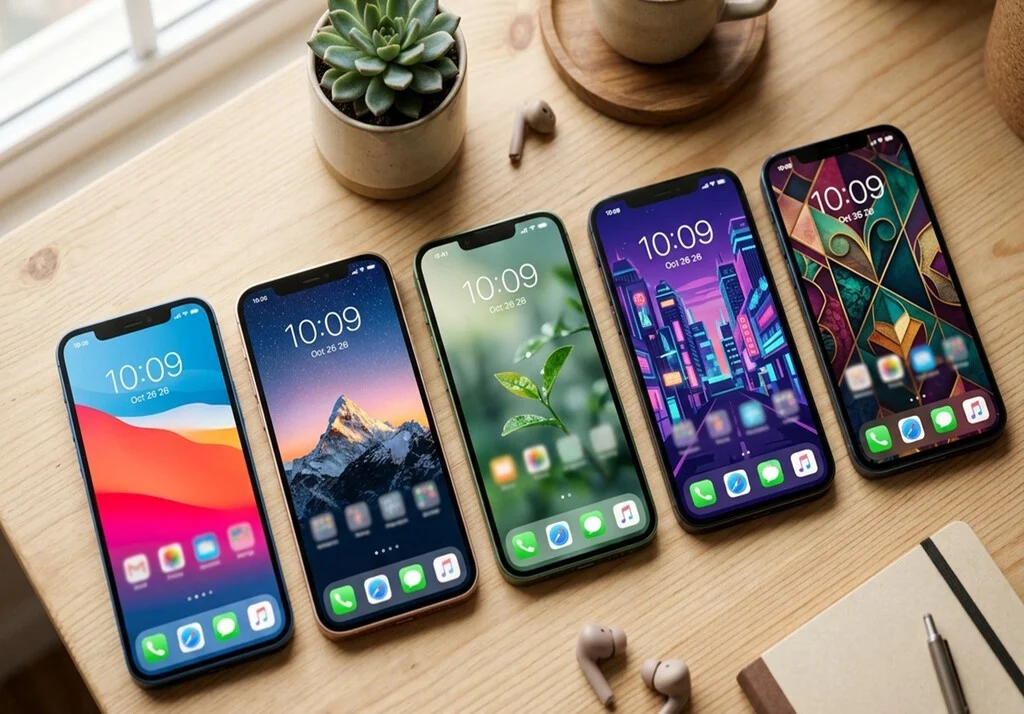

The Evolving Landscape of Smartphone Displays and Power Consumption
The evolution of smartphone displays has been a critical factor in both enhancing user experience and influencing power consumption dynamics. For years, Liquid Crystal Display (LCD) technology dominated the market, relying on a backlight to illuminate pixels. However, the advent of Organic Light-Emitting Diode (OLED) and Active Matrix Organic Light-Emitting Diode (AMOLED) screens marked a pivotal shift. Unlike LCDs, OLED/AMOLED panels are self-emissive, meaning each pixel generates its own light. This fundamental difference is key to understanding their energy efficiency characteristics.
In OLED/AMOLED displays, pixels can be individually switched off, resulting in true blacks and an almost infinite contrast ratio. Crucially, when a pixel displays black, it consumes virtually no power. This inherent characteristic makes dark tones and, by extension, dark mode interfaces and wallpapers with black or predominantly dark hues, significantly more energy-efficient on these display types. This contrasts sharply with LCDs, where even when displaying black, the backlight remains active, consuming power across the entire screen.
Quantifying the Impact: Data and Industry Trends
The shift towards OLED/AMOLED technology has been rapid and widespread. According to market research firm Omdia, OLED display shipments for smartphones surpassed LCD shipments for the first time in 2020 and have continued to grow, dominating the premium and mid-range segments. By 2023, more than 60% of smartphones shipped globally featured OLED technology, a trend projected to continue upwards. This widespread adoption underscores the importance of understanding OLED’s power consumption properties.
Studies have shown that using dark mode can save between 15% and 30% of battery life on OLED screens, depending on the application and the amount of black content displayed. While the specific savings from a dark wallpaper alone might be smaller, cumulatively, across all interactions with the home screen, lock screen, and app drawers, it contributes to noticeable improvements. For instance, a report by Google in 2018 highlighted significant power savings when using dark mode on YouTube, with battery drain reduced by up to 60% in some scenarios on OLED panels.
The Hidden Drain of Animated Wallpapers
Beyond color palette, the type of wallpaper – static versus animated – presents another critical factor in battery consumption. Animated wallpapers, also known as live wallpapers, feature dynamic elements, subtle movements, or even full video loops. While aesthetically pleasing and often showcasing the graphical capabilities of a device, they are notorious battery drains.
The reason for this increased consumption is multifaceted. Animated wallpapers require continuous processing power from the device’s Central Processing Unit (CPU) and Graphics Processing Unit (GPU) to render the moving elements. Furthermore, they keep more pixels active and often brighter for longer durations, directly impacting the display’s energy draw. Even when the screen is dimmed or partially obscured by app icons, the animation typically continues to run in the background, albeit at a lower frame rate, maintaining a constant power draw.
Manufacturers often preload devices with visually striking animated wallpapers to demonstrate the vibrant capabilities of their screens. However, these pre-installed options, despite their allure, are generally not recommended for users prioritizing battery longevity. The consensus among tech experts and power-saving guides consistently points towards static wallpapers as the more energy-efficient choice. Data, while varying by specific animation complexity and device, suggests that animated wallpapers can increase display-related power consumption by 5% to 15% compared to static counterparts, a non-trivial amount over a full day of use.
Strategic Wallpaper Selection: Balancing Aesthetics and Efficiency
Given these insights, the selection of a wallpaper transcends mere aesthetic preference; it becomes a strategic decision in battery management. The goal is to find a balance that offers visual appeal without compromising precious battery life.
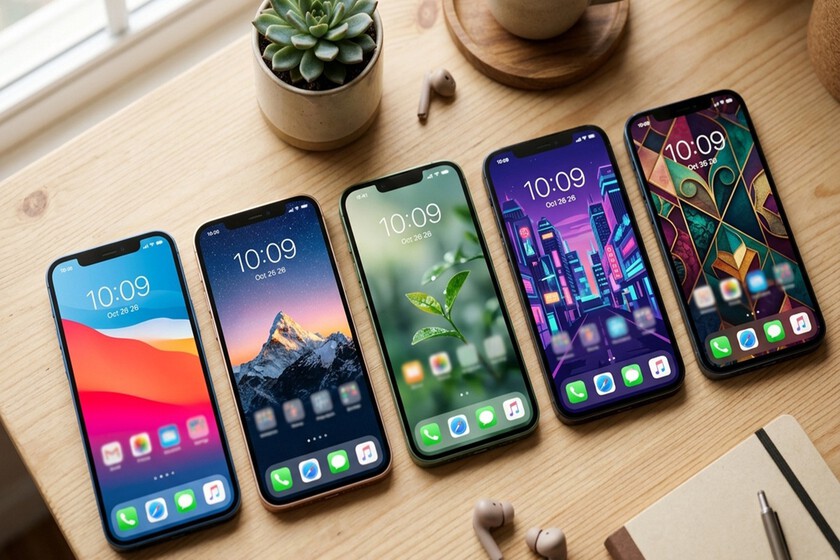
For devices equipped with OLED/AMOLED screens, the recommendation is clear: opt for static wallpapers with a predominance of dark tones, ideally true black. This doesn’t necessitate a bland, monochromatic experience. Modern design trends embrace deep, rich dark colors, subtle gradients, and minimalist compositions that can be both elegant and energy-efficient. Grayscale images, for instance, are currently in vogue and offer an excellent compromise, reducing the power draw associated with vibrant colors while maintaining photographic detail.
Beyond Pre-installed Options: Crafting Efficient Visuals
The market offers a plethora of third-party applications ("wallpaper apps") designed to help users discover and select ideal backgrounds. Many of these apps now categorize wallpapers by color dominance or even explicitly label them as "battery-friendly." Users can explore collections of minimalist designs, abstract dark art, or night-sky photography to find options that align with both their personal style and efficiency goals.
A more personalized and increasingly popular approach involves leveraging Artificial Intelligence (AI) for wallpaper generation. Tools like Google’s Gemini, Midjourney, or DALL-E allow users to create unique, customized wallpapers based on text prompts. When utilizing these platforms, users can explicitly include directives in their prompts such as "dark theme," "minimalist," "low power consumption," or "black background" to guide the AI towards generating energy-efficient designs. This not only provides a bespoke visual experience but also ensures the wallpaper is optimized for battery savings without sacrificing visual quality. The AI can produce stunning, complex images that appear sophisticated while still adhering to dark color palettes.
A Holistic Approach to Battery Preservation
While wallpaper choice is a significant, often overlooked, aspect of battery management, it is part of a larger ecosystem of optimization strategies. Other critical factors include:
- Screen Brightness: The single largest consumer of battery power. Utilizing adaptive brightness or manually setting brightness to the lowest comfortable level can yield substantial savings.
- Refresh Rate: High refresh rate screens (90Hz, 120Hz, or higher) offer smoother scrolling but consume more power. Many devices now offer adaptive refresh rates that automatically switch between frequencies based on content, or users can manually select a lower fixed rate (e.g., 60Hz) for increased endurance.
- Connectivity: Disabling Wi-Fi, Bluetooth, GPS, and mobile data when not in use, or optimizing their settings (e.g., Wi-Fi scanning off when not connected), can prevent background power drain.
- Background App Activity: Restricting apps from running in the background, fetching data, or sending notifications unnecessarily can significantly reduce CPU and network usage.
- Location Services: Limiting which apps can access location data, and opting for "only while using" permissions, conserves power.
- Notifications: Managing notifications to only allow essential alerts reduces screen-on time and background processing.
- System Dark Mode: Activating the system-wide dark mode, where available, ensures that compatible applications also adopt dark interfaces, maximizing the benefits on OLED screens.
Manufacturer Responses and Future Directions
Smartphone manufacturers are acutely aware of battery life as a critical differentiator and a common pain point for users. Their efforts extend beyond hardware improvements like silicon-carbon batteries, which promise higher energy density in smaller form factors. Software optimization plays an equally vital role. Companies like Apple, Samsung, and Google invest heavily in developing sophisticated battery management algorithms that learn user habits, predict usage patterns, and dynamically adjust system resources to conserve power. This includes optimizing how displays render content, managing background processes, and intelligently scheduling tasks.
The inclusion of visually appealing but battery-intensive animated wallpapers by manufacturers is often a strategic marketing decision, designed to showcase the vividness and fluidity of their latest display technologies. However, alongside these, most operating systems now prominently feature robust battery-saving modes and provide clear guidance on how to optimize settings, including display preferences.
Looking ahead, research into even more efficient display technologies, such as micro-LEDs, and further advancements in battery chemistry promise to push the boundaries of smartphone autonomy. Concurrently, AI will likely play an even larger role in dynamic power management, adapting device behavior not just to user habits but also to environmental factors and real-time usage patterns. The emphasis on sustainability also drives the imperative for longer-lasting devices, where optimizing battery life through both hardware and software, including user choices like wallpaper selection, contributes to reducing electronic waste and extending product lifecycles.
Conclusion: Empowering Users Through Informed Choices
In an era where smartphones are indispensable tools for work, communication, and entertainment, extending their operational time between charges remains a universal desire. While manufacturers continue to innovate with advanced battery chemistries and sophisticated power management systems, users hold significant power in their hands through informed daily choices. The seemingly trivial decision of selecting a wallpaper, particularly on devices with OLED/AMOLED screens, can have a measurable impact on battery longevity. By opting for static, dark-toned wallpapers – perhaps even creatively generated with AI – and coupling this with other prudent power-saving habits, users can significantly enhance their device’s autonomy, reducing charging anxiety and contributing to a more sustainable tech ecosystem. This empowers individuals to take an active role in optimizing their smartphone experience, transforming a simple aesthetic choice into a strategic component of daily device management.
