
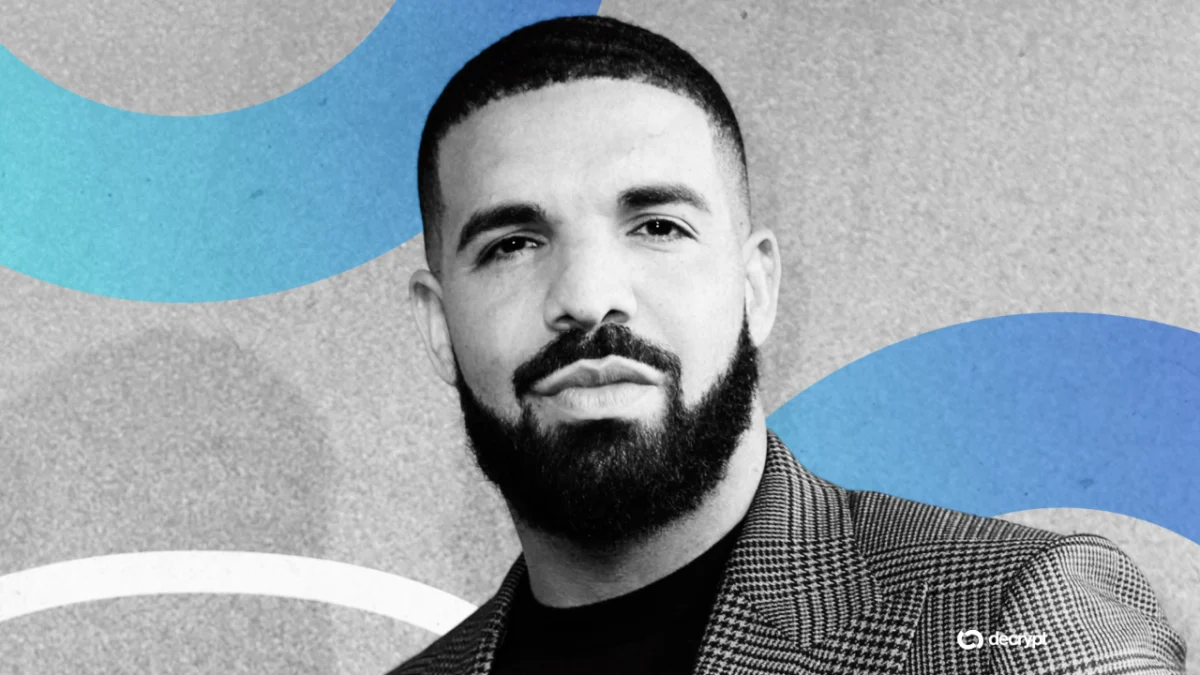

The music world and the cryptocurrency sphere were abuzz this past Friday with the simultaneous release of three new albums from Canadian rapper Drake, boasting a total of 43 tracks. However, it wasn’t solely the sheer volume of new music that captured attention, but rather a specific lyric on the album Iceman, from a track titled "Dust." In what appears to be a direct appeal, Drake raps, "An FTX penthouse high-riser, yeah. Samuel Bankman, free all my guys up, yeah." The mention of Sam Bankman-Fried, the disgraced founder of the now-defunct cryptocurrency exchange FTX, has sent ripples through both industries, particularly given Bankman-Fried’s current 25-year prison sentence for fraud.
The sudden interjection of a plea for the former crypto mogul into Drake’s extensive musical output has raised eyebrows and sparked considerable debate. This move comes at a time when Bankman-Fried’s family, and indeed the man himself, have been actively pursuing avenues for a presidential pardon, particularly following the return of Donald Trump to the presidency last year. Trump, known for his crypto-friendly stance and a history of issuing pardons, has been the target of this lobbying effort. Bankman-Fried, despite his incarceration, has maintained a public presence through social media, often expressing support for the current administration’s policies and celebrating the advancements of the crypto lobby in Washington.
Drake’s Musical Comeback and the Bankman-Fried Lyric
Drake’s triple album drop, Iceman, Maid of Honour, and Habibti, represents his first significant musical release in some time, following a period of relative quiet after a highly publicized and intense rap battle with Kendrick Lamar. The sheer scale of the release—43 new songs across three distinct projects—underscores a prolific creative surge. However, the critical reception has been largely unfavorable. Publications such as The Guardian have characterized the collection as a "boring, bloated disaster," while other reviews have echoed sentiments of listlessness and forgettability.
Despite the critical panning, one particular lyric from "Dust" on the Iceman album has overshadowed the album’s overall reception for many. The line, "An FTX penthouse high-riser, yeah. Samuel Bankman, free all my guys up, yeah," is a direct and unmistakable reference to Sam Bankman-Fried. Later in the same track, Drake further solidifies his connection to the crypto world by referring to himself as "a BTC crypto big-timer." This explicit endorsement, or at least an appeal for leniency, from a global music icon towards a convicted felon like Bankman-Fried is an unprecedented intersection of celebrity culture and the legal repercussions of the cryptocurrency boom and bust.
The Rise and Fall of Sam Bankman-Fried and FTX
The story of Sam Bankman-Fried and FTX is one of meteoric ascent followed by a dramatic and consequential collapse. FTX, once lauded as a leading cryptocurrency exchange and valued at over $32 billion, imploded in November 2022, sending shockwaves through the global financial markets. Bankman-Fried was arrested in December 2022 and subsequently faced a barrage of charges, including wire fraud, securities fraud, and money laundering.
The crux of the fraud involved the alleged misuse of billions of dollars in customer funds deposited at FTX. Prosecutors argued that these funds were secretly transferred to Alameda Research, a crypto trading firm also founded by Bankman-Fried, to cover its debts and engage in risky investments. The fallout from FTX’s collapse was immense, leading to significant financial losses for millions of investors and contributing to a broader downturn in the cryptocurrency market.
In March 2024, Sam Bankman-Fried was sentenced to 25 years in federal prison. The sentencing by U.S. District Judge Lewis Kaplan in Manhattan marked the culmination of a legal saga that captivated the financial and legal worlds. Judge Kaplan described Bankman-Fried as a "fraudster" whose actions were driven by ego and a desire for power. The sentence was less than the 40-50 years prosecutors had sought but significantly more than the defense’s request for a shorter term.
The Pardon Campaign: A Strategic Push
In the wake of Bankman-Fried’s conviction and sentencing, his family, particularly his parents, Allan Bankman and Barbara Fried, who are Stanford University law professors, have been aggressively advocating for a presidential pardon. This campaign gained significant momentum after Donald Trump’s return to the presidency. Trump’s administration has been characterized by a more lenient approach to certain financial crimes and a generally favorable disposition towards the cryptocurrency industry.
The strategy appears to be centered on leveraging Trump’s known affinity for pardons and his perceived openness to the crypto community. Bankman-Fried’s recent social media posts from prison, where he has lauded Trump’s decision-making and celebrated the lobbying efforts of the crypto industry, suggest an ongoing alignment with this pardon strategy. This approach aims to portray Bankman-Fried not as a malicious criminal, but perhaps as a victim of circumstance or an individual whose innovations were misunderstood.
However, this push for a pardon has not been without its detractors. Many within the crypto industry itself, as well as politicians who have been critical of Bankman-Fried’s actions, have actively sought to distance themselves from him. The desire to avoid any association with the tarnished reputation of FTX and its founder is palpable. This has led to a vocal opposition to any potential pardon, with some senators explicitly rebuking the idea and emphasizing the need for accountability.
The Broader Context: Drake’s Own Crypto Entanglements
Drake’s apparent endorsement of Sam Bankman-Fried is particularly noteworthy given his own history with cryptocurrency-related controversies. The rapper has been named as a defendant in multiple lawsuits stemming from his long-standing promotion of Stake, an online casino that operates offshore and utilizes cryptocurrency for its transactions. These lawsuits have alleged that Drake’s involvement in promoting Stake constituted a violation of anti-gambling laws and contributed to financial harm for users.
The legal entanglements surrounding Stake highlight a pattern of celebrity involvement in the promotion of cryptocurrency and online gambling platforms. While Drake’s involvement in these lawsuits predates the FTX collapse, it establishes a precedent for his engagement with the crypto space and its associated risks. His current plea for Bankman-Fried, therefore, can be viewed not as an isolated incident but as part of a broader, albeit complex, relationship with the cryptocurrency world.
Critical Reception of Drake’s Albums: A Mixed Bag
While the Bankman-Fried lyric has dominated headlines, the critical reception of Drake’s triple album release provides crucial context. Critics have largely panned the extensive body of work, citing issues of redundancy, lack of innovation, and an overall lack of compelling substance. The Guardian‘s review, for instance, called the album a "boring, bloated disaster," a sentiment echoed by other publications that have found the music to be forgettable and uninspired.
This critical backlash suggests that, beyond the shock value of the Bankman-Fried reference, the musical content itself may not be resonating with audiences or critics. The sheer volume of music, coupled with the critical reception, raises questions about the artistic intent and the potential for the Bankman-Fried plea to be a calculated attempt to generate buzz for a project that is otherwise struggling to gain traction.
Implications and Future Outlook
Drake’s explicit mention of Sam Bankman-Fried in his music introduces a new and unexpected element into the ongoing discourse surrounding the FTX founder’s legal situation. While the direct impact of a musical lyric on a presidential pardon is likely to be minimal, it does amplify the public conversation and underscores the persistent efforts to rehabilitate Bankman-Fried’s image.
For Drake, this move risks alienating segments of his audience and drawing further scrutiny to his own crypto-related activities. For the cryptocurrency industry, it highlights the ongoing efforts to sway public opinion and political favor, even for figures convicted of significant financial crimes. The persistent lobbying for a pardon, coupled with unexpected endorsements from prominent figures like Drake, suggests a continued strategic effort to navigate the complex legal and public relations landscape surrounding the FTX scandal.
The broader implications of this intersection between music, celebrity, and cryptocurrency justice are multifaceted. It raises questions about the role of artists in commenting on or influencing legal outcomes, the enduring allure of the cryptocurrency world despite its volatility and scandals, and the persistent efforts to secure clemency for those who have fallen from grace in the financial sector. As Sam Bankman-Fried continues to serve his sentence, the unexpected vocal support from one of the world’s biggest music stars ensures that his story, and the efforts to secure his release, will remain a topic of public fascination and debate. The coming months will reveal whether such unconventional appeals, amplified by celebrity, can ultimately influence the trajectory of Bankman-Fried’s legal future, or if they will merely serve as a curious footnote in the ongoing saga of the cryptocurrency revolution and its casualties.
