

The smart home landscape is at a pivotal juncture, marked by significant executive departures at Amazon, the impending tenth anniversary of its flagship voice assistant Alexa and Echo devices, and a flurry of new, often expensive, smart home innovations alongside critical regulatory developments. This confluence of events prompts a deep examination of Alexa’s role, the evolution of the smart home, and the challenges and opportunities that lie ahead.
Amazon’s Smart Home Leadership Transitions Amidst a Maturing Ecosystem
David Limp, the long-serving head of Amazon’s devices division, which includes the influential Alexa and Echo product lines, is slated to retire. Limp’s departure is part of a broader trend of executive turnover within Amazon over the past year, signaling a potential shift in strategic direction for the company’s hardware ambitions. His tenure oversaw the initial launch and widespread adoption of Alexa, transforming it from a novelty into a central component of many households. The timing of his exit, just as Alexa and Echo approach their decade-long milestone in 2024, underscores the significance of this moment for Amazon and the broader smart home industry.
The first Echo device was introduced in November 2014, and Alexa followed shortly after. This innovation positioned Amazon as a pioneer in voice-controlled artificial intelligence for the home. Over the years, Amazon has expanded its Echo lineup significantly, introducing various speaker sizes, smart displays, and integrating Alexa into a vast array of third-party devices. According to Statista, the number of smart home devices worldwide was projected to reach 13.5 billion in 2023, highlighting the scale of the market Amazon helped to cultivate. The decline in Limp’s leadership role could be interpreted as a recognition of the need for new perspectives to navigate the increasingly complex and competitive smart home market, which is now grappling with issues of interoperability, security, and affordability.
The Evolving Smart Home: Innovation Meets Practicality and Price Barriers
The smart home market continues to be a fertile ground for innovation, but recent developments raise questions about its accessibility and practical utility for the average consumer. The review of the Mill composting system, a product developed by Nest co-founder Matt Rogers, exemplifies the ambition and sometimes the niche appeal of new smart home devices. While offering advanced functionality, such as odor control and automated collection schedules, the product’s sophisticated nature and likely price point suggest it targets a specific segment of early adopters rather than mass-market appeal.
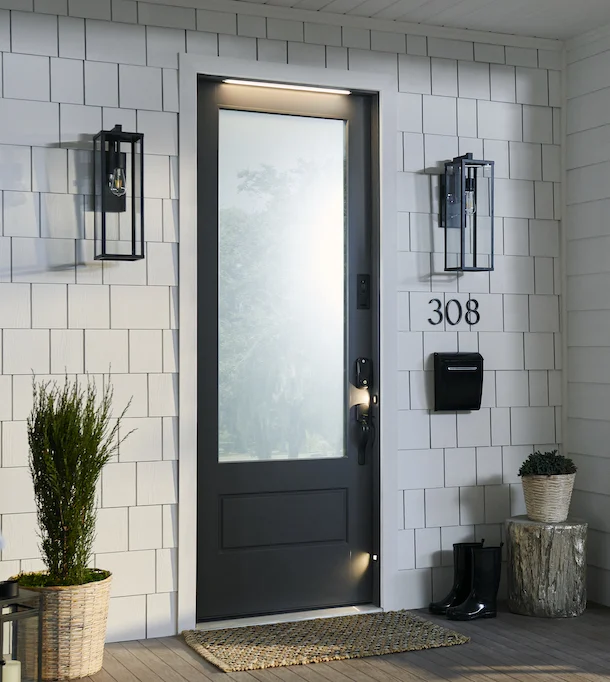
Similarly, the announcement that Masonite is now selling its "smart door" at Home Depot, as reported by ZDNet, underscores the increasing integration of smart technology into fundamental home infrastructure. These doors often feature integrated smart locks, video doorbells, and even connectivity for smart home ecosystems. However, the accompanying implication of a significant price tag, as suggested by the phrase "you probably can’t afford it," highlights a persistent challenge: the high cost of entry for many advanced smart home solutions. This raises concerns about a potential bifurcation of the market, where cutting-edge technology remains out of reach for a substantial portion of consumers, hindering widespread adoption and perpetuating the perception of the smart home as a luxury rather than a utility.
Regulatory Momentum: Addressing Cybersecurity Concerns in the IoT Era
Amidst these market dynamics, regulatory bodies are stepping up to address critical concerns surrounding the security of internet-connected devices. The Federal Communications Commission (FCC) has released a Notice of Proposed Rulemaking for an Internet of Things (IoT) cybersecurity labeling program. This initiative aims to provide consumers with clear, easily understandable information about the cybersecurity practices of smart devices before they make a purchase.
The proposed label would signify that a device meets certain baseline security standards, such as the absence of default passwords and the provision of regular security updates. Consumers would have a 30-day window to submit comments on this proposal to the FCC, a critical period for public input that could shape the final regulations. The FCC’s proactive stance reflects a growing awareness of the security vulnerabilities inherent in the vast and rapidly expanding network of connected devices, which can range from smart thermostats to children’s toys. A robust cybersecurity labeling program could empower consumers to make more informed choices, thereby incentivizing manufacturers to prioritize security in their product development.
Broader Security Implications and the Quest for Interoperability

The smart home ecosystem is not immune to broader cybersecurity threats. Microsoft’s recent discovery of a new set of vulnerabilities affecting industrial control systems serves as a stark reminder of the potential impact of sophisticated cyberattacks. While these specific vulnerabilities may not directly target consumer smart home devices, they highlight the interconnectedness of digital infrastructure and the evolving tactics of malicious actors. The ability of such vulnerabilities to potentially disrupt critical services like power plants underscores the imperative for robust security measures across all levels of connected technology.
In parallel with these security concerns, the industry is grappling with the need for greater interoperability. The Z-Wave alliance, a popular wireless protocol for smart home devices, is set to receive a boost with the emergence of a new company poised to become a secondary source for Z-Wave chips. This development is particularly significant as it can foster increased competition and potentially drive down costs for Z-Wave devices.
Trident IoT: Bridging Protocols and Securing the Future of Z-Wave
Mariusz Malkowski, founder and CTO of Trident IoT, provides valuable insights into these evolving trends. Trident IoT is emerging as a key player in the Z-Wave ecosystem, addressing both the supply chain and the technological integration challenges. Malkowski explains the company’s origins and its vision for enhancing the Z-Wave community.
A crucial aspect of Trident IoT’s mission is to facilitate the seamless integration of Z-Wave with emerging standards like Matter. Matter, an open-source connectivity standard backed by major tech companies, aims to simplify smart home device setup and interoperability. Malkowski emphasizes the importance of bridging technologies that allow Z-Wave devices to communicate effectively within a Matter-enabled ecosystem. This bridging capability is vital for ensuring that existing Z-Wave investments remain relevant and functional as the smart home market evolves towards greater standardization.
Trident IoT is not only focused on manufacturing Z-Wave chips but also on supporting the integration of other radio protocols into smart home devices. This holistic approach positions the company as a crucial enabler of a more connected and interoperable smart home. Furthermore, Trident IoT will serve as a Z-Wave certification house, a role that is essential for maintaining the integrity and reliability of Z-Wave devices in the market. This dual focus on chip production and certification will contribute to the overall health and trustworthiness of the Z-Wave protocol.
Looking Ahead: Local Control and Niche Applications
The conversation also touched upon the appeal of smart home hubs that offer local control, a feature that bypasses reliance on cloud servers for device management. Kevin’s review of the Homey Pro smart home hub highlights this trend. While the Homey Pro comes with a considerable price tag, its ability to manage devices locally appeals to users who prioritize privacy, speed, and reliability, especially in areas with inconsistent internet connectivity. This demand for local control suggests a segment of the market that is willing to invest in solutions that offer greater autonomy from cloud-based services.
Beyond the high-level technological discussions, the article also addresses practical consumer needs. A listener question about the appropriate light bulb for a woodworker’s lamp demonstrates the diverse range of inquiries and applications within the smart home and DIY communities. This focus on practical advice, even for seemingly simple components like light bulbs, underscores the broad scope of interest in home technology and its integration into everyday life.
The current landscape of the smart home, marked by executive transitions, evolving technologies, and a growing emphasis on security and interoperability, presents both challenges and opportunities. As the industry matures, the balance between innovation, affordability, and robust security will be critical in determining the future trajectory of connected living. The next decade will likely see further refinement of standards, increased consumer awareness of security implications, and a continued push for solutions that offer both advanced functionality and genuine accessibility.
