
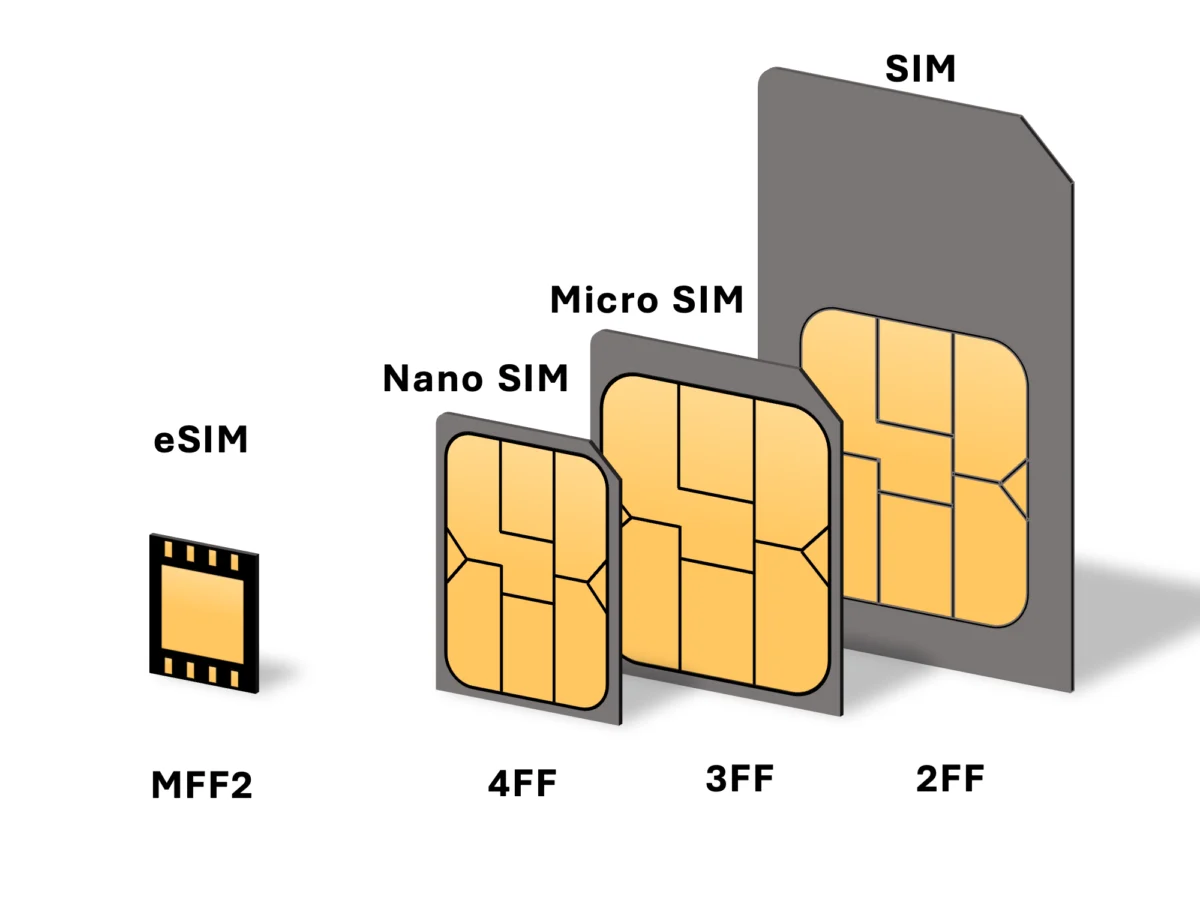

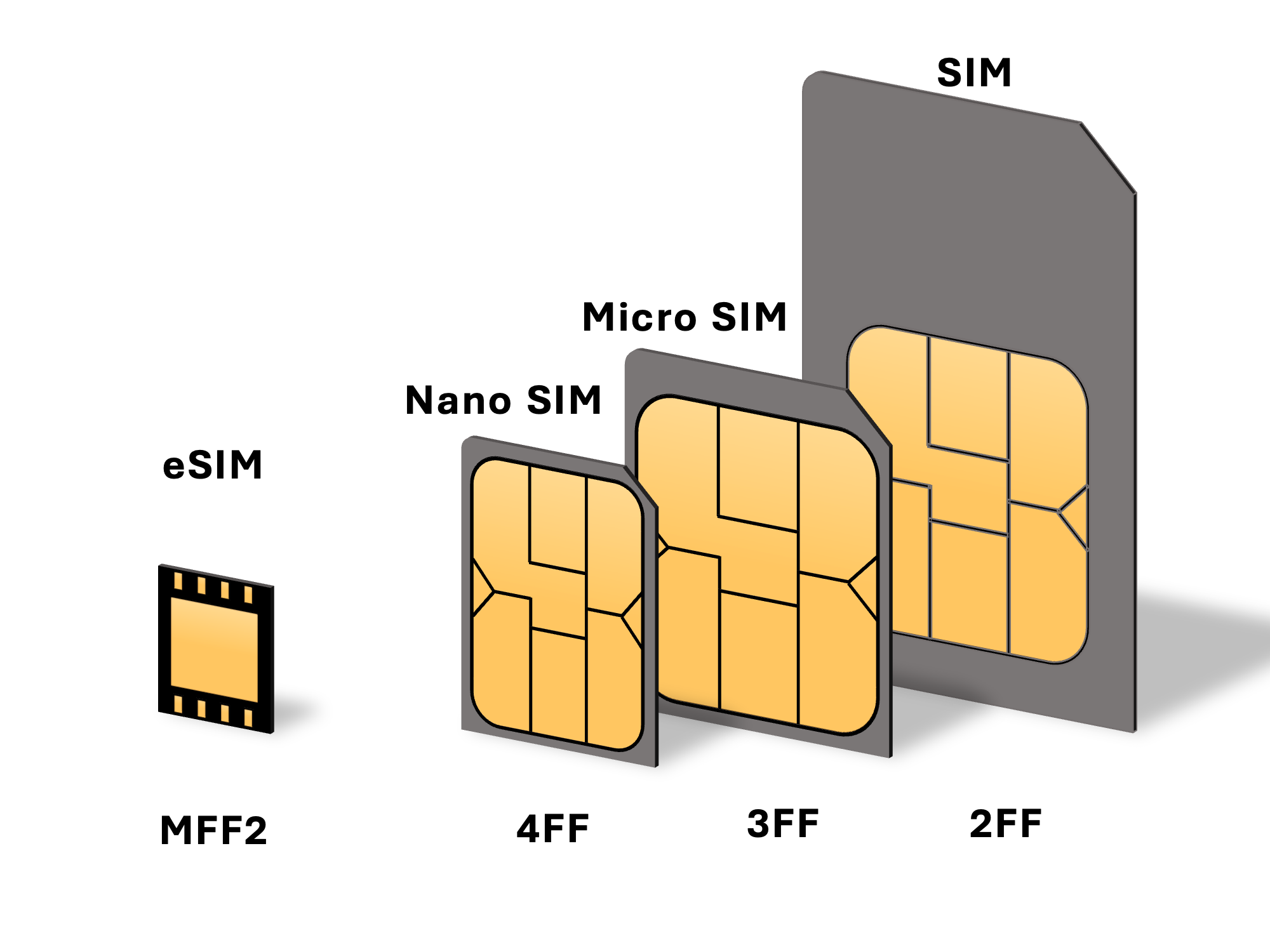
South Korea’s telecommunications sector is currently undergoing a significant digital transformation as the adoption of embedded SIM (eSIM) technology matures from a niche alternative to a mainstream necessity for both international travelers and long-term expatriates. As one of the world’s most hyper-connected nations, South Korea has consistently pioneered mobile infrastructure, and the transition toward eSIMs represents the latest chapter in the country’s efforts to streamline connectivity for a global audience. An eSIM, or embedded Subscriber Identity Module, is a small chip built directly into a device’s hardware, functioning identically to a traditional physical SIM card but without the need for manual insertion or removal. For the millions of tourists and hundreds of thousands of foreign residents who navigate the Korean Peninsula annually, this technology offers a seamless method to access the nation’s world-class 5G and 4G LTE networks without the logistical hurdles of visiting a physical retail kiosk or handling fragile plastic cards.
The Evolution of Mobile Connectivity in South Korea
The trajectory of mobile technology in South Korea has been marked by rapid innovation and government-led initiatives. Historically, the nation was the first to commercialize 5G technology in April 2019, setting a global benchmark for speed and latency. However, for several years, the eSIM market remained somewhat restricted to wearable devices like smartwatches. It was not until September 2022 that the South Korean Ministry of Science and ICT (MSIT) officially mandated that the country’s three major telecommunications providers—SK Telecom, KT, and LG Uplus—must support eSIM services for smartphones.
This policy shift was designed to lower the barriers to entry for mobile services and encourage competition among carriers. Chronologically, the adoption followed a clear path:
- 2018–2021: Early eSIM adoption was limited primarily to the Apple Watch and select international iPhone models, with major Korean carriers focusing on physical Nano-SIMs for the domestic market.
- September 2022: The official launch of commercial eSIM services for smartphones in South Korea. This allowed users to maintain two phone numbers on a single device (Dual SIM), a feature highly coveted by business travelers and residents.
- 2023–Present: A surge in MVNO (Mobile Virtual Network Operator) providers offering specialized eSIM packages for tourists, capitalizing on the post-pandemic travel boom.
Comparative Analysis of Leading eSIM Providers
The South Korean market is dominated by a "Big Three" oligopoly, supplemented by agile MVNOs that cater specifically to the international demographic. Understanding the nuances of each provider is essential for selecting a plan that aligns with specific usage patterns.
1. SK Telecom (SKT)
As the largest mobile operator in South Korea, SK Telecom holds approximately 45% of the market share. Known for its superior network stability and extensive coverage, particularly in mountainous regions and underground subway systems, SKT is often the preferred choice for those traveling outside of Seoul.
- Offerings: Their tourist-specific eSIM plans generally hover around $35 for 1GB of high-speed data, though they frequently offer promotional "Unlimited" plans that throttle speeds after a daily quota.
- Strategic Advantage: SKT’s 5G infrastructure is widely considered the most robust in the country, offering the lowest latency for high-bandwidth activities like mobile gaming or video conferencing.
2. KT Corporation (KT Olleh)
KT is the primary competitor to SKT and is often praised for its "Tourist Friendly" ecosystem. KT has been aggressive in marketing to international visitors, offering integrated services that go beyond simple data.
- Offerings: Their plans are priced competitively at approximately $36.50 for a 30-day validity period.
- Strategic Advantage: A unique selling point for KT is its massive network of public Wi-Fi hotspots (KT WiFi). Travelers using a KT eSIM often receive automatic access to these hotspots in airports, subway stations, and cafes, which helps preserve their cellular data allowance.
3. LG Uplus (LG U+)
The third-largest carrier, LG Uplus, often positions itself as the value-driven alternative. While its network was historically seen as slightly trailing SKT and KT, massive investments in 5G have largely closed the gap in urban centers.
- Offerings: Priced at roughly $39 for premium 30-day packages, LG Uplus often bundles its eSIMs with additional perks, such as discounted T-Money cards (transportation cards) or duty-free shop vouchers.
- Strategic Advantage: Their customer service interface is highly optimized for English speakers, making the activation process less daunting for first-time visitors.
4. Korea SIM Card (MVNO Sector)
Specialized providers like Korea SIM Card act as aggregators or virtual operators. They utilize the networks of the Big Three but tailor their packages for short-term visitors.
- Offerings: Starting at $25, these are often the most budget-friendly options. They provide flexibility, allowing users to choose between data-only or voice-enabled profiles.
- Strategic Advantage: These providers offer the most streamlined digital purchase experience, often allowing for "instant" QR code delivery via email within minutes of payment.
Specialized Solutions for Long-Term Residents
For expatriates, students, and digital nomads staying in Korea for more than 90 days, the requirements for mobile service change significantly. In South Korea, a mobile phone number is more than a communication tool; it is a vital component of the "Identity Authentication" system (Bon-in-in-jeung). Without a verified phone number linked to an Alien Registration Card (ARC), residents cannot use food delivery apps, shop on domestic e-commerce sites like Coupang, or access online banking.
Major carriers have responded by offering postpaid and prepaid eSIM plans specifically for ARC holders. These plans typically offer better value, such as $29–$35 per month for 2GB to 5GB of data with unlimited domestic calls and texts. The introduction of eSIM has simplified the "moving in" process, as residents can now switch from a tourist eSIM to a resident eSIM profile without needing to visit a physical "Olleh" or "T-World" store, provided they have their registration documents in order.
Technical Implications and Market Data
The shift to eSIM is backed by compelling data regarding consumer behavior and environmental impact. According to industry reports from the MSIT, the number of eSIM users in South Korea grew by over 200% in the first year following the 2022 mandate.
From a technical standpoint, the benefits are clear:
- Security: Unlike physical SIM cards, which can be stolen or swapped to bypass security measures, an eSIM is integrated into the device. This makes it significantly harder for unauthorized parties to hijack a user’s mobile identity.
- Space Efficiency: By removing the SIM tray, device manufacturers can utilize the internal space for larger batteries or better cooling systems.
- Environmental Impact: The telecommunications industry produces tons of plastic waste annually through SIM card production and packaging. eSIM technology eliminates this waste entirely, aligning with South Korea’s "Green New Deal" objectives.
Official Responses and Industry Sentiment
Industry analysts suggest that the push for eSIM technology is part of a broader strategy to maintain South Korea’s status as a digital leader. A spokesperson for the Korea Communications Commission (KCC) recently noted that "the digitization of the SIM is a prerequisite for the full realization of the Internet of Things (IoT) era, where devices from cars to refrigerators will require independent connectivity."
Major carriers have also expressed that while the "Dual SIM" capability allows users to easily switch to cheaper competitors (MVNOs), it also opens up new revenue streams through "roaming-in" services for tourists who previously might have relied solely on free Wi-Fi.
Activation and Operational Logistics
For a user arriving at Incheon International Airport, the activation process is designed for speed. Once a plan is purchased online, the provider sends a QR code. The user navigates to their device settings (e.g., "Add Cellular Plan" on iPhone), scans the code, and the profile is downloaded.
However, experts advise travelers to verify device compatibility before purchase. While most iPhones (from the XS model onwards) and global versions of the Samsung Galaxy S20 and newer support eSIM, some regional variants—specifically those manufactured for the Chinese or Hong Kong markets—may lack the necessary hardware, instead featuring physical dual-SIM slots.
Broader Impact and Future Outlook
The broader implications of eSIM adoption in South Korea extend to the global travel industry. As more countries follow the Korean model of mandated eSIM support, the traditional international roaming market is likely to face a permanent decline. Travelers are no longer willing to pay exorbitant daily roaming fees to their home carriers when they can instantly activate a local Korean profile for a fraction of the cost.
Furthermore, the integration of eSIM with South Korea’s "Smart City" infrastructure suggests a future where connectivity is ubiquitous. In cities like Seoul and Busan, where public transport and city services are increasingly managed via mobile apps, the ability for a visitor to gain instant, high-speed network access is a critical component of urban accessibility.
In conclusion, the best eSIM for Korea depends on the user’s specific duration of stay and geographic itinerary. While SK Telecom offers the most robust network for those exploring the provinces, KT and LG Uplus provide exceptional value and urban perks. For the budget-conscious traveler, MVNOs like Korea SIM Card provide the most friction-less entry point. As South Korea continues to refine its digital landscape, the eSIM stands as a testament to the nation’s commitment to a seamless, wireless future.
