
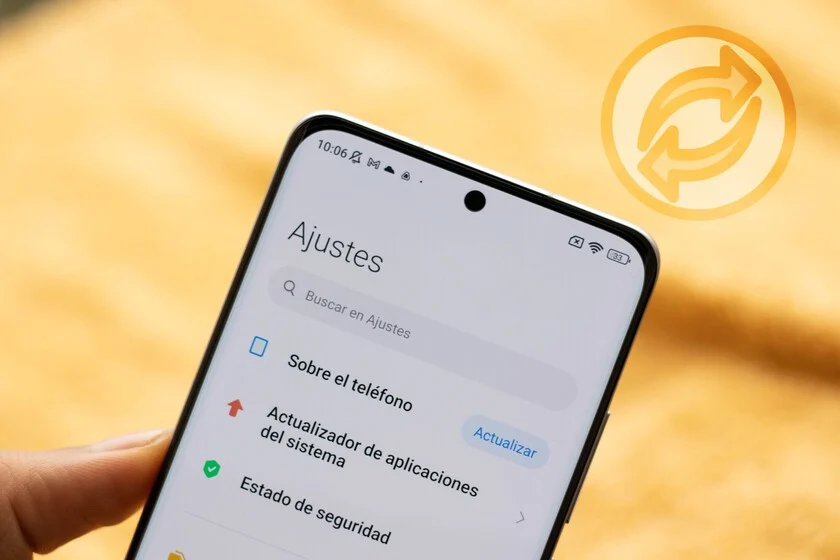

The conventional wisdom in the smartphone industry dictates a clear lifecycle for devices, often culminating in an official End-of-Life (EOL) or End-of-Support (EOS) declaration from the manufacturer. This designation typically signifies the cessation of all future software updates, leaving the device, in essence, "abandoned" to its current software state. However, recent developments have introduced an intriguing anomaly into this established practice, particularly concerning Chinese tech giant Xiaomi. Models that had been formally declared obsolete, such as the Xiaomi 12 series and the POCO F4, have unexpectedly begun receiving software updates. This is not a system glitch or an oversight; rather, it represents a deliberate and strategic move by Xiaomi to address critical issues impacting these older, yet still widely used, devices.
Understanding the Smartphone Lifecycle and End-of-Life Policies
To fully appreciate the significance of Xiaomi’s recent actions, it is crucial to understand the typical software support lifecycle within the smartphone industry. Manufacturers generally provide a guaranteed period for major operating system (OS) upgrades and security patches. For Android devices, this window has historically varied, with many brands offering 2-3 years of OS updates and 3-4 years of security patches. Premium brands like Google with its Pixel line and Samsung with its flagship series have progressively extended these commitments, with some now promising up to seven years of security updates and OS upgrades for their latest devices. This trend reflects a growing consumer demand for longer-lasting devices and a greater emphasis on sustainability.
When a device reaches its EOL or EOS status, it means the manufacturer will no longer develop or distribute new features, OS upgrades, or even routine security patches. The primary reasons for this policy are economic and logistical. Developing and maintaining software for an ever-growing portfolio of older devices becomes increasingly resource-intensive. Hardware limitations in older models may also prevent them from efficiently running newer software versions, leading to performance degradation and a suboptimal user experience. The EOL list, often publicly accessible, serves as a clear indicator to consumers about the longevity of their device’s official support. For users, this typically signals a time to consider upgrading, as continued use of an unsupported device can expose it to unpatched security vulnerabilities and compatibility issues with modern applications.
The Unprecedented Reappearance of Updates
Against this backdrop, the recent updates for models like the Xiaomi 12 and POCO F4 series stand out as a notable deviation. The Xiaomi 12, launched in late 2021/early 2022, and the POCO F4, released in mid-2022, were both relatively popular devices in their respective segments. Earlier this year, Xiaomi had officially included these and several other POCO and Redmi devices in its EOL list, confirming they would not receive the new HyperOS or any further official software advancements. This announcement was consistent with industry practices and met with the usual understanding from the user community.
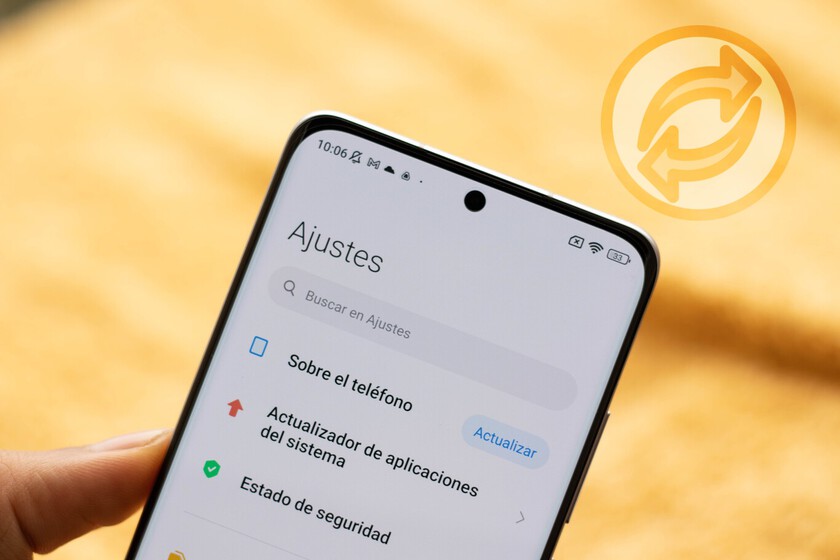
However, in a move that has surprised many, these "obsolete" devices have started receiving new software packages. Crucially, these are not feature-rich upgrades or new versions of Android or HyperOS. Instead, they are targeted patches designed to resolve severe underlying issues. Sources indicate that these updates are specifically aimed at fixing critical bugs related to system stability, connectivity, application performance, and, most importantly, security vulnerabilities. This distinction is vital: while the faucet for new features remains closed, the manufacturer has evidently deemed certain problems significant enough to warrant an extraordinary intervention. This proactive stance ensures that even devices past their declared EOL are not left entirely exposed to critical flaws that could severely impact user experience or data security.
The Rationale: Protecting Brand Reputation and User Experience
Xiaomi’s decision to issue emergency patches for EOL devices is not born out of a sudden change in its long-term support strategy, but rather a pragmatic response to unforeseen critical issues. The primary drivers behind this unusual move are the preservation of brand reputation and the safeguarding of the existing user base.
Firstly, brand reputation is a paramount concern for any major technology company. A widespread critical bug affecting millions of active devices, even older ones, could lead to significant negative publicity, widespread user dissatisfaction, and a loss of trust. Imagine a scenario where a severe software flaw causes random reboots, catastrophic battery drain, or, worse, exposes user data due to an unpatched security vulnerability on a substantial number of active Xiaomi, Redmi, or POCO devices. Such an event could quickly escalate into a public relations crisis, eroding consumer confidence not just in the affected models but across the entire brand ecosystem, potentially impacting sales of newer, flagship devices. By addressing these critical issues, Xiaomi demonstrates a commitment to its users’ basic device functionality and security, even beyond the official support window, thereby mitigating potential reputational damage.
Secondly, the active user base for these older models remains substantial globally. Devices like the Xiaomi 12 series and POCO F4 were popular mid-to-high-range offerings, meaning they sold in considerable numbers. Many users, especially in diverse economic markets, tend to hold onto their smartphones for longer periods than the typical 2-3 year upgrade cycle. Abandoning these users to critical software flaws could alienate a significant segment of their customer base, pushing them towards competitors for their next purchase. By providing these emergency patches, Xiaomi subtly communicates that it values its existing customers and their continued device functionality, fostering a sense of loyalty that might translate into future sales. This approach is a strategic investment in long-term customer relationships, recognizing that a positive experience, even on an older device, contributes to overall brand perception.
Delving into "Grave Problems": What Constitutes an Emergency Patch?
The types of issues that would trigger such an exceptional update for EOL devices must be severe enough to warrant the allocation of engineering resources and the logistical effort of rolling out new software. These typically fall into several categories:
-
Critical Security Vulnerabilities (CVEs): These are arguably the most compelling reason for emergency patches. A zero-day exploit or a newly discovered vulnerability that allows for remote code execution, data exfiltration, privilege escalation, or other severe security breaches could compromise user privacy and data integrity on a massive scale. Leaving such vulnerabilities unpatched is a significant liability for the manufacturer and a grave risk for users. The patches would specifically address these Common Vulnerabilities and Exposures (CVEs) identified by security researchers or internal teams.
-
System Stability Issues: Bugs that cause severe system instability can render a device almost unusable. Examples include:
- Boot Loops: Devices getting stuck in a continuous reboot cycle.
- Frequent Crashes: The operating system or essential core applications (e.g., dialer, messaging app, camera) crashing repeatedly.
- Catastrophic Battery Drain: Software flaws that cause the battery to deplete at an abnormal and rapid rate, severely limiting usability.
- Connectivity Failures: Persistent issues with Wi-Fi, Bluetooth, or cellular data that prevent the device from connecting to networks or other devices.
-
Core Functionality Impairment: If a software bug affects fundamental smartphone functions, such as making calls, sending messages, or accessing the internet, it crosses the threshold of being a mere inconvenience to a critical flaw that hinders the device’s primary purpose.
These issues are distinct from minor performance tweaks, UI improvements, or new features. They represent fundamental breakdowns in the device’s operational integrity, and addressing them is a minimum expectation for any consumer electronic product, regardless of its age.
Timeline and Context: Xiaomi’s Evolving Software Strategy
Xiaomi has been actively refining its software update strategy in recent years. Historically, Xiaomi’s update policies, while generally good for its price segments, did not always match the extended support offered by premium competitors. However, with the introduction of HyperOS, its new operating system replacing MIUI, Xiaomi signaled a renewed commitment to software excellence and potentially longer support cycles for its newer flagship devices. The company has, for instance, promised extended security updates for its latest top-tier smartphones.
The EOL declaration for the Xiaomi 12 series and POCO F4 was made in line with the expected lifecycle, anticipating a transition to HyperOS for eligible devices and the discontinuation of support for older ones. The unexpected patches, therefore, fall outside the standard operating procedure for EOL devices. This implies that the critical problems identified were either:
- Discovered after the EOL declaration.
- Deemed more severe than initially assessed at the time of the EOL decision.
- Affected a larger segment of the user base than anticipated.
This scenario underscores the dynamic nature of software development and maintenance, where unforeseen vulnerabilities or widespread bugs can necessitate immediate action, even for products considered to be at the end of their official support.
Implications for Users and the Broader Industry
For the owners of affected Xiaomi, Redmi, and POCO devices, these emergency updates offer a significant measure of relief. It confirms that their investment is not entirely abandoned, and their devices will not be left vulnerable to critical flaws that could compromise security or render the phone unusable. While these devices will not receive new features or OS upgrades, the assurance of basic functionality and security through these patches extends their practical usability, offering a form of "extended functional support."

From an industry perspective, Xiaomi’s actions, while specific to critical fixes, could subtly influence consumer expectations. While it is unlikely to set a precedent for universal extended feature support, it might raise the bar for what constitutes "abandonment" post-EOL. Other manufacturers might face increased pressure to address severe flaws on their own EOL devices, especially if a large user base is affected. This could contribute to a broader industry trend of prioritizing core security and stability across the entire device portfolio, even for older models.
Furthermore, these actions align with a growing emphasis on product longevity and sustainability. By ensuring older devices remain functional and secure, even if not cutting-edge, Xiaomi indirectly supports efforts to reduce electronic waste. Users are less pressured to upgrade purely due to security concerns or device instability, allowing them to use their hardware for longer.
The "Second Life": Custom ROMs as a Long-Term Solution
While emergency patches offer a temporary reprieve, they do not fundamentally alter a device’s EOL status. Eventually, even critical bug fixes will cease, and the lack of new Android versions and security patches will become a significant limitation. For users who wish to extend the life of their well-functioning hardware beyond official support, the vibrant community of independent Android developers offers a compelling alternative: custom ROMs.
Custom ROMs, such as LineageOS, offer a way to install newer versions of Android, receive regular security updates, and often experience performance improvements and a bloatware-free interface. This process, often referred to as "cacharreo" (tinkering) in Spanish-speaking tech communities, allows users to unlock the full potential of their hardware, giving it a true "second life."
However, installing custom ROMs comes with its own set of challenges and considerations:
- Bootloader Unlocking: The first step typically involves unlocking the device’s bootloader, a process that manufacturers like Xiaomi have made increasingly stringent. This hardening of policies is often cited as a security measure, preventing unauthorized modifications, but it also creates a barrier for enthusiasts.
- Technical Proficiency: Flashing custom ROMs requires a certain level of technical knowledge and comfort with command-line interfaces.
- Risks: There is always a risk of "bricking" the device (rendering it unusable) if the process is not followed correctly. Additionally, some features (like Google Pay or certain banking apps) might not work due to security checks on modified devices.
- Warranty Voidance: Unlocking the bootloader almost universally voids the manufacturer’s warranty.
Despite these challenges, the indie developer community continues to provide excellent support for a wide range of devices, extending the usability of robust hardware far beyond the manufacturer’s official limits. This community-driven effort is a testament to the open-source nature of Android and the dedication of enthusiasts.
Conclusion: A Pragmatic Approach to Device Lifecycle Management
Xiaomi’s recent decision to patch "obsolete" devices represents a pragmatic, albeit unusual, approach to device lifecycle management. It underscores a recognition that simply declaring a device EOL does not erase its active presence in the market or its potential to impact brand perception. By prioritizing critical security and stability fixes, Xiaomi navigates the delicate balance between resource allocation for new products and responsibility towards its existing, albeit older, user base.
This move, while not signifying a complete overhaul of its EOL policies, provides a glimmer of reassurance for users and potentially sets a subtle precedent for industry accountability regarding critical software flaws. It reinforces the idea that while the quest for new features and technologies is relentless, the fundamental pillars of security and device stability remain paramount throughout a product’s active lifespan, even extending into its twilight years. As the smartphone industry continues to evolve, such nuanced approaches to software support will likely become more common, reflecting a maturing market and a growing consumer demand for both innovation and reliability.
